
What are the main advantages of pipe bending in mining equipment?
2026-06-13

In the field of mining equipment manufacturing, pipe bending is not a simple forming process, but a key technology directly related to the durability, reliability, and economy of the equipment. Mining machinery operates in harsh environments characterized by high impact, heavy loads, high dust levels, and difficult maintenance. How can pipe bending technology improve its performance? The following will explain this in detail from four aspects.
I. Improving Equipment Durability and Impact Resistance
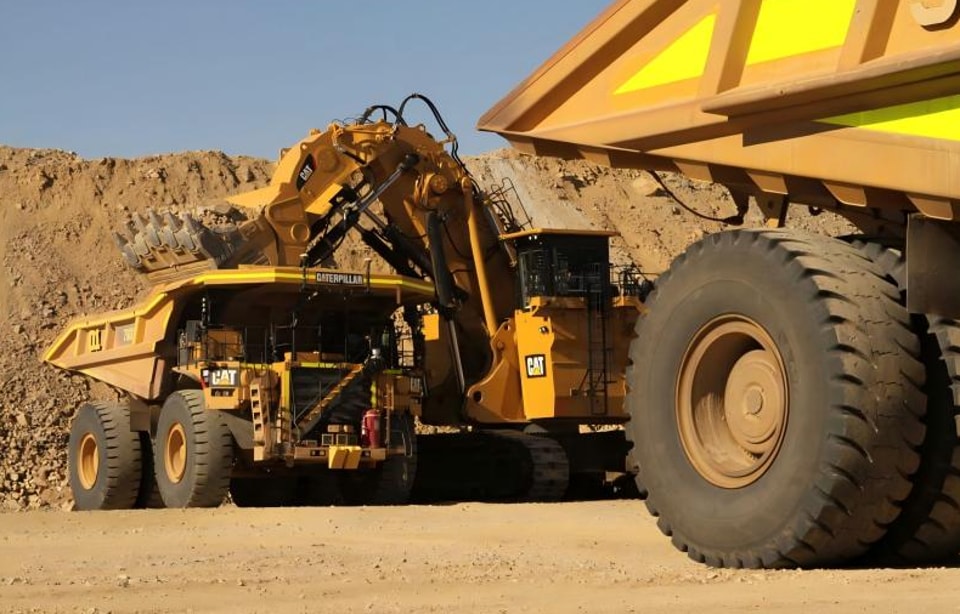
Mining environments are harsh, and equipment such as loaders, drilling rigs, and conveyors are frequently subjected to severe vibrations and impacts. Traditional welded structures are prone to stress concentration at the weld seams, which can lead to cracking after long-term use. Components formed by precision bending, however, have continuous material fibers and no weak points like weld seams, allowing for more even load distribution.
Properly bent tubing optimizes load distribution and avoids "weak points" with excessive localized stress. This means that equipment is less prone to structural failure under heavy loads and bumpy conditions. In practical applications, key components such as hydraulic lines, roll cages, and support arms manufactured using bending technology have significantly extended service lives and reduced maintenance frequency. For remote mining areas, the benefits of reduced downtime for maintenance are particularly significant.
II. Reduce Manufacturing Costs and Improve Production Efficiency
Pipe bending is more efficient in terms of material utilization than cutting and welding. A single bent pipe can replace multiple straight pipes and connectors, reducing the number of welds and auxiliary materials. Simultaneously, CNC pipe bending machines can precisely calculate the bending sequence, minimizing waste. For mining machinery manufacturing, which uses a huge amount of steel, the material cost savings are considerable.
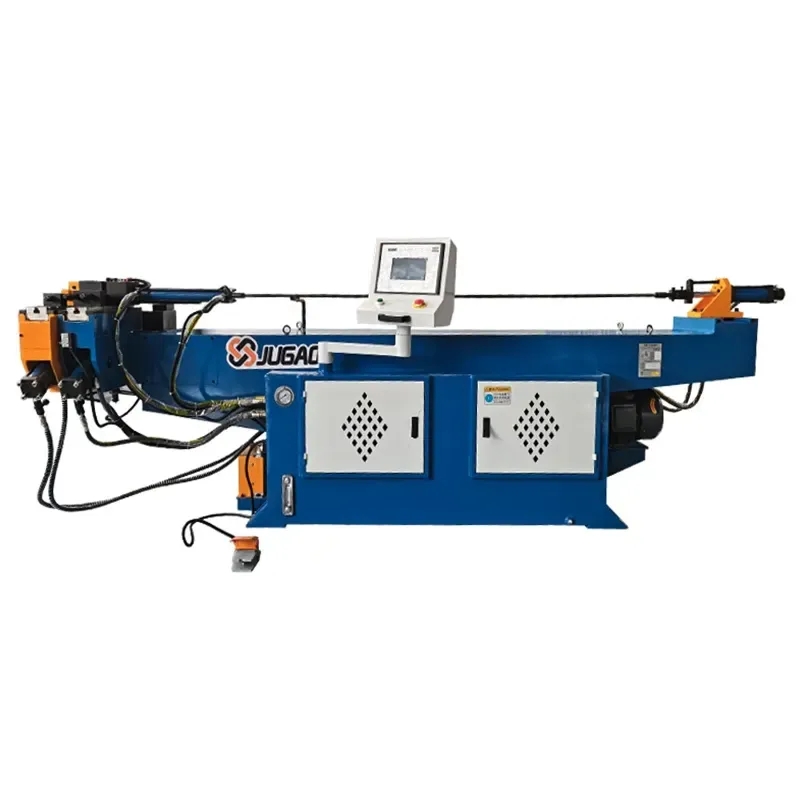
In terms of production efficiency, automated pipe bending machines can continuously complete complex bends, reducing reliance on highly skilled welders and assemblers. A single CNC pipe bending machine, coupled with an automatic feeding system, can complete the production of large batches of identical pipes in a short time, significantly shortening the manufacturing cycle and helping mining machinery manufacturers respond to customer orders more quickly.
III. Enhancing Design Flexibility to Adapt to Diverse Operating Conditions
Different mines have vastly different geological conditions and mining methods, leading to varying equipment requirements. Pipe bending technology allows manufacturers to flexibly customize components such as hydraulic lines, protective frames, and conveyor guide rails to adapt to specific environments such as narrow tunnels, high humidity, or high dust levels.
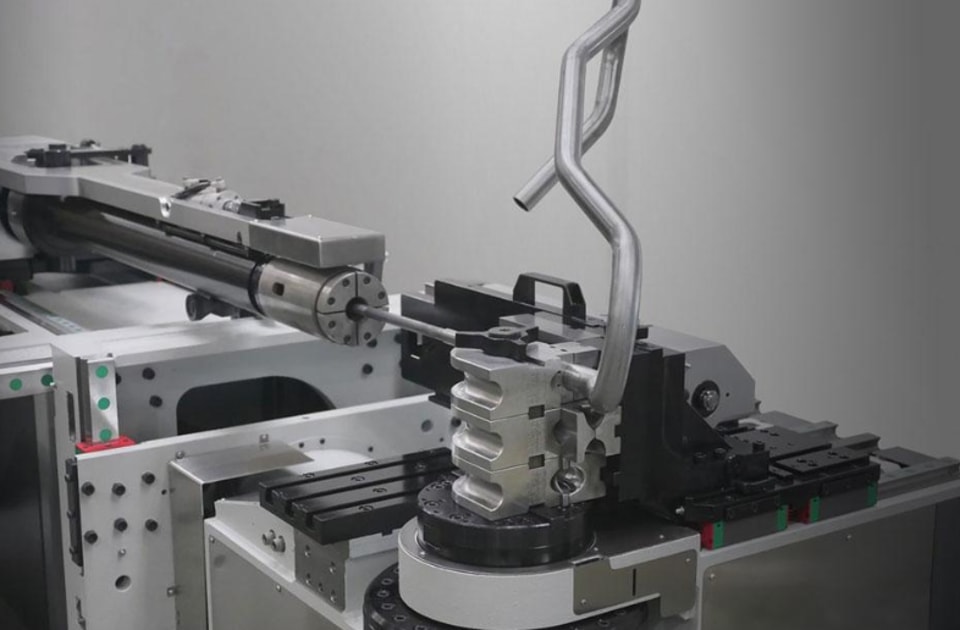
Furthermore, pipe bending processes can achieve complex spatial geometries, such as multi-radius bends and three-dimensional bypass pipes. This allows designers to integrate multiple functions into a single pipe, simplifying equipment structure, reducing the number of joints, thereby reducing leakage risks and improving the overall compactness and reliability of the machine. This design flexibility is particularly important for downhole equipment with limited space.
IV. Environmental and Sustainability Advantages
Precise pipe bending reduces material waste and scrap, making it a more environmentally friendly processing method. Mining equipment production consumes large amounts of metal; reducing scrap rates through pipe bending helps decrease the carbon footprint of manufacturing, aligning with the mining industry's growing sustainability requirements.
Simultaneously, optimized bending design reduces unnecessary weight on equipment and lowers flow resistance in hydraulic lines, thereby reducing energy consumption during equipment operation. This translates to lower fuel or electricity costs and fewer greenhouse gas emissions for mining companies.
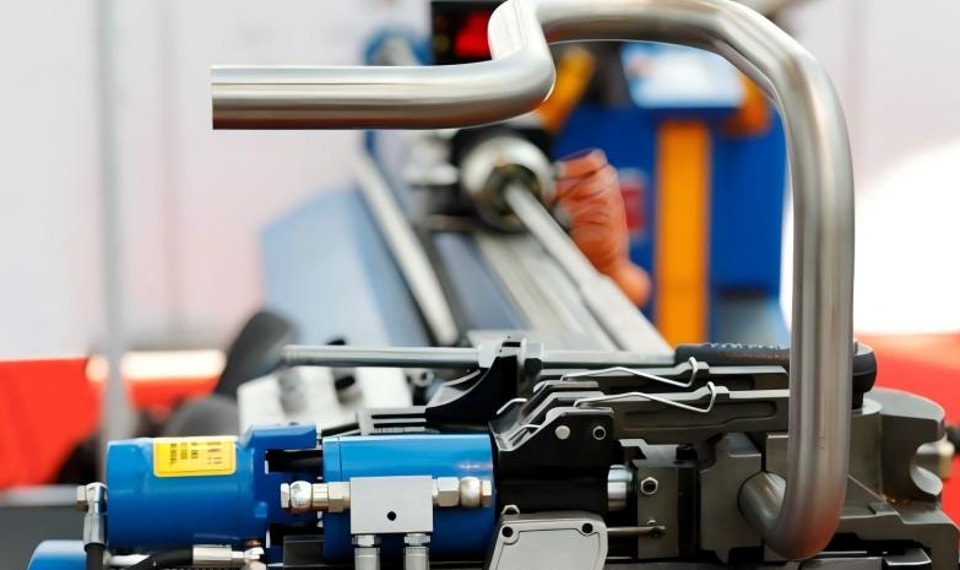
Frequently Asked Questions (FAQs) - Quick Answers
Q: What are the most significant advantages of pipe bending?
A: Improved durability, reduced manufacturing costs, increased design flexibility, reduced material waste, and improved energy efficiency.
Q: In what ways are bent pipes more durable than welded structures?
A: Bending eliminates weld seams, the heat-affected zone, and stress concentration, resulting in better impact and fatigue resistance.
Q: Is pipe bending suitable for mass production of mining equipment?
A: Absolutely. CNC pipe bending machines are highly automated; once set up, they can continuously produce thousands of identical parts, far more efficiently than manual welding.
Q: Does bending affect the load-bearing capacity of the pipe?
A: As long as a suitable bending radius (usually R≥3D) is used and a mandrel is employed for support, the wall thickness reduction can be controlled within 15%, and the load-bearing capacity is not significantly affected.
In mining equipment manufacturing, pipe bending is not only a forming technology, but also an important means to improve equipment strength, reduce costs, realize customized design, and promote green manufacturing. Whether building new production lines or upgrading existing processes, the rational application of pipe bending technology can bring tangible competitive advantages to mining machinery companies.
Contact Us