 Get a quote
Resources
How thick can a laser welding machine weld?
The thickness range that a laser welding machine can weld depends primarily on its power output and the specific requirements of the welding application.
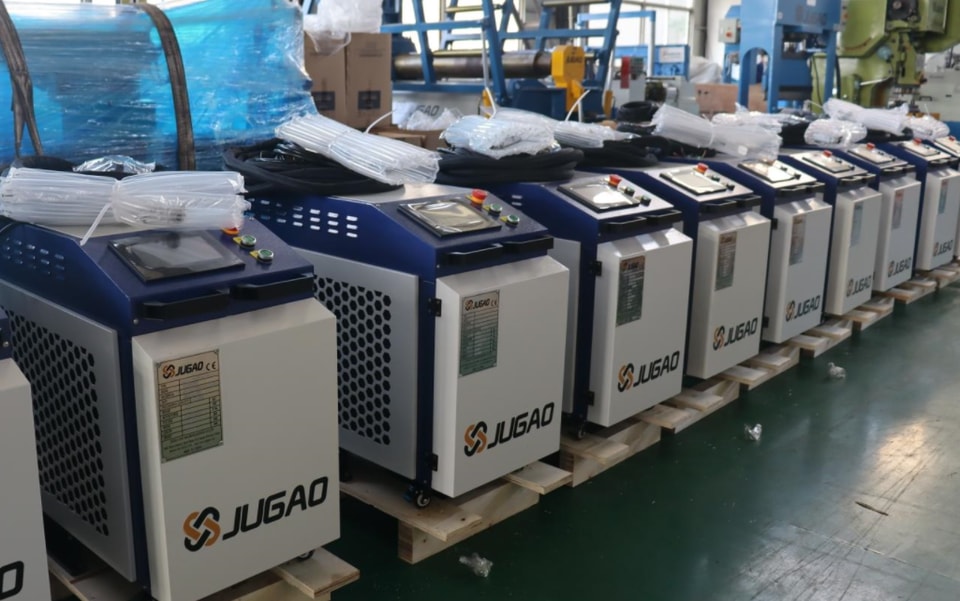
Welding Thickness Range
Minimum Material Thickness: Laser welding machines can weld materials as thin as approximately 0.05 mm (50 microns), including metals such as stainless steel, aluminum alloys, and copper alloys.
Typical Thickness Ranges:
1000W Laser Welder: Suitable for welding plates less than 3 mm thick.
1500W Laser Welder: Suitable for welding plates less than 5 mm thick.
2000W Laser Welder: Suitable for welding plates less than 8 mm thick.
3000W Laser Welder: Suitable for welding plates less than 12 mm thick.
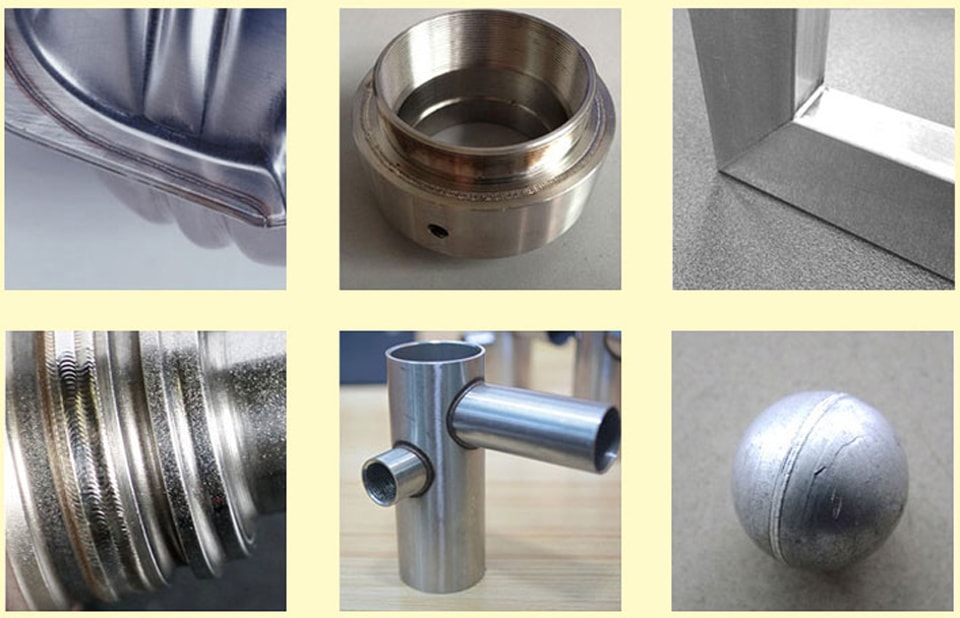
Factors Affecting Welding Thickness
Laser Power: Higher laser power results in greater welding depth. For thin materials, lower power is required to prevent overheating or burn-through; for thick materials, higher power is necessary.
Pulse Width: A longer pulse width leads to greater heat accumulation in the weld zone, resulting in deeper penetration. For thin materials, a shorter pulse width is required to avoid overheating.
Frequency: A higher frequency increases the number of laser pulses per unit of time, leading to faster welding speeds. For thin materials, a higher frequency helps ensure concentrated heat.
Shielding Gas: Shielding gases, such as argon or helium, improve the purity and smoothness of the weld seam while reducing the formation of pores and cracks.
Advantages of Laser Welding Machines
High Welding Speed: Laser welding machines enable rapid welding, thereby increasing production efficiency.
High-Quality Weld Seams: The weld seams are narrow, the weld spots are bright and smooth, the heat-affected zone is minimal, and material deformation is low.
Wide Range of Applications: These machines can weld various metallic materials—including stainless steel, aluminum alloys, and copper alloys—as well as materials that are difficult to weld using other equipment, such as titanium and quartz.
High positioning accuracy: capable of welding workpieces of various shapes, including areas that are difficult for manual access.
Related
Keep
reading.
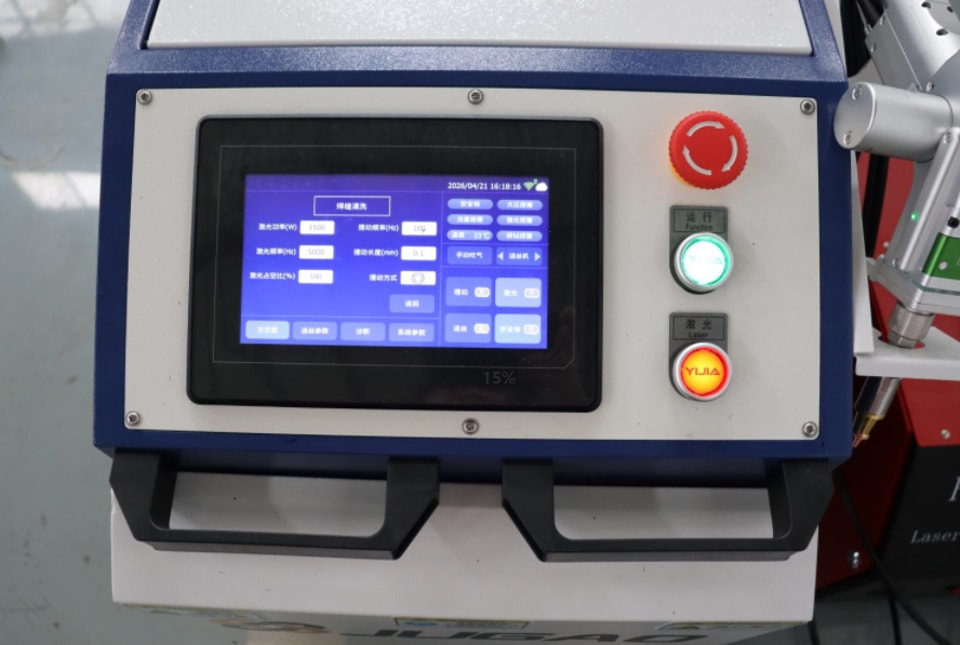 The equipment suddenly stops working. What are the common faults? Can you troubleshoot it yourself?
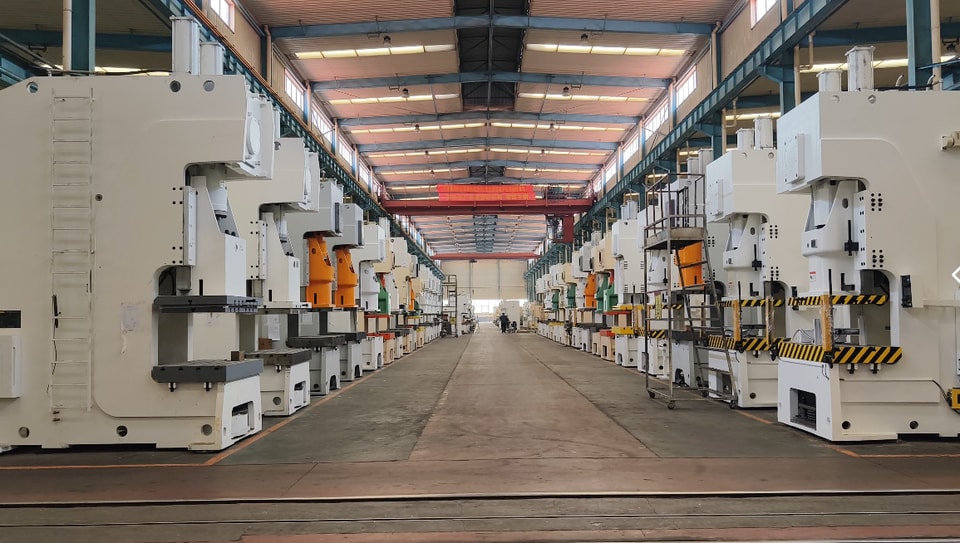 Understanding the Environmental Footprint of Punching Machines
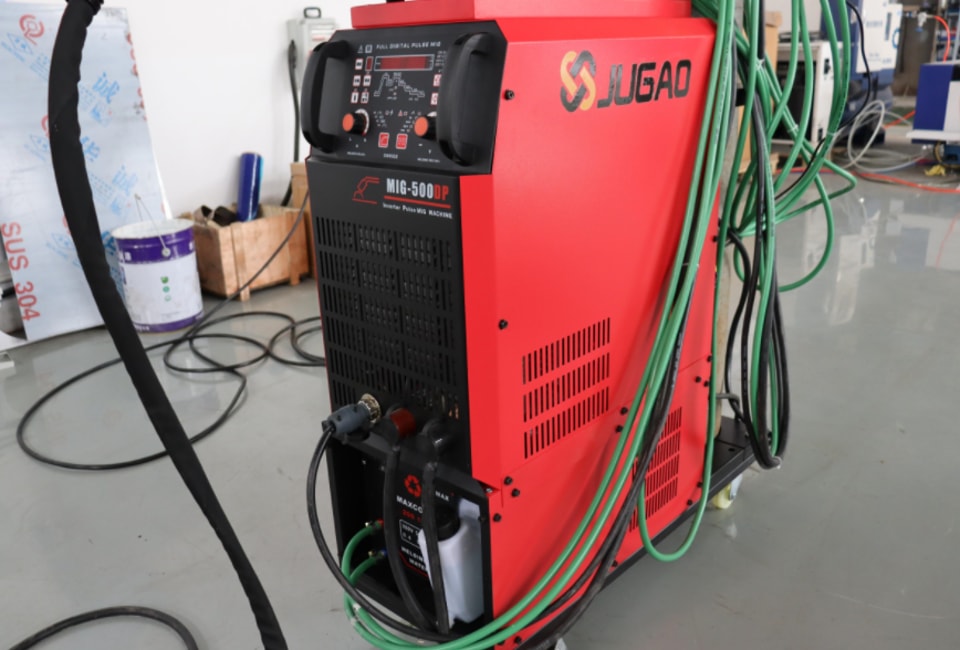 What equipment is best for welding stainless steel? Are there risks of weak welds or deformation?
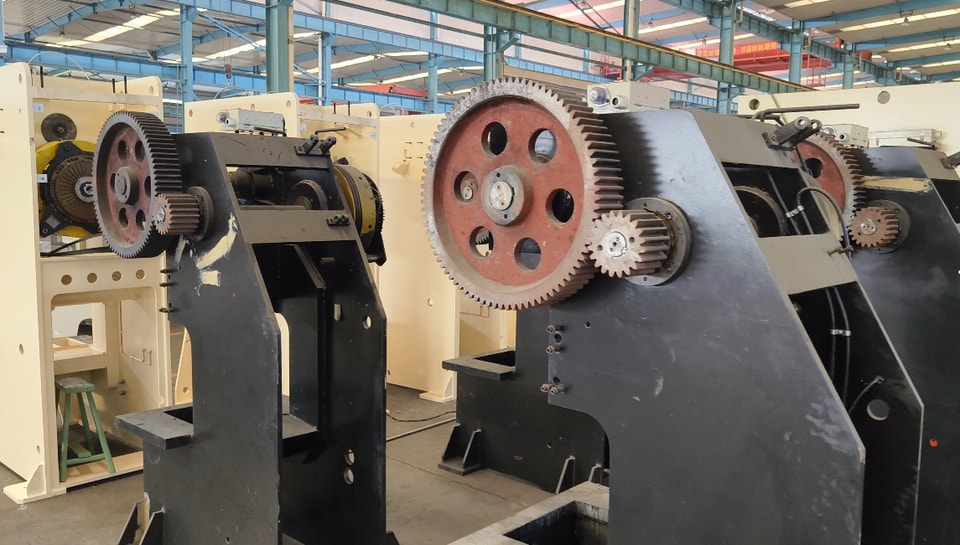 CNC Turret Punch Presses Explained: Architecture and Operation
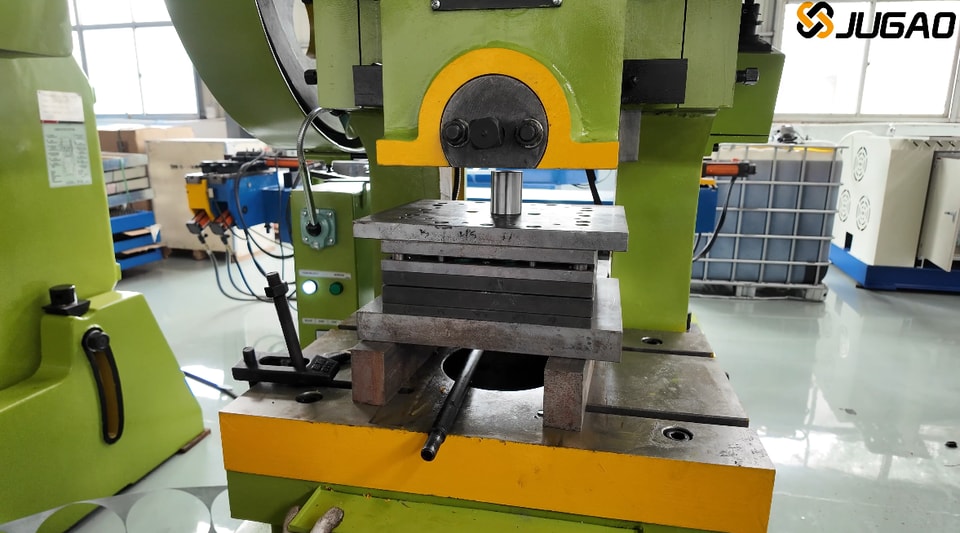 Key Factors Governing Optimal Punch Press Tonnage
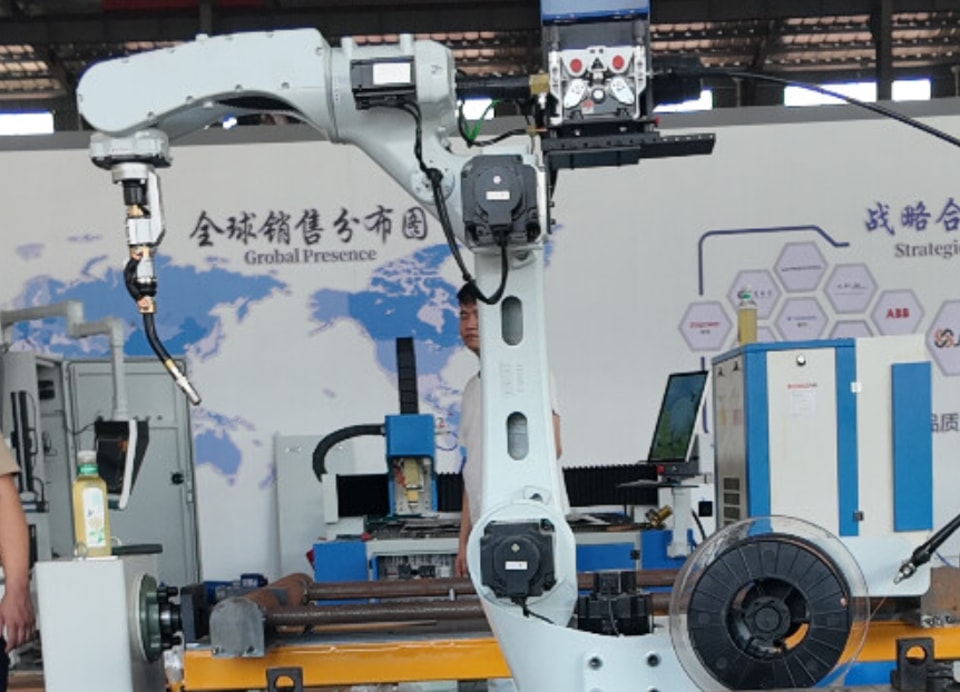 Comparison of Laser Welding Results and Application Scenarios Across Different Materials
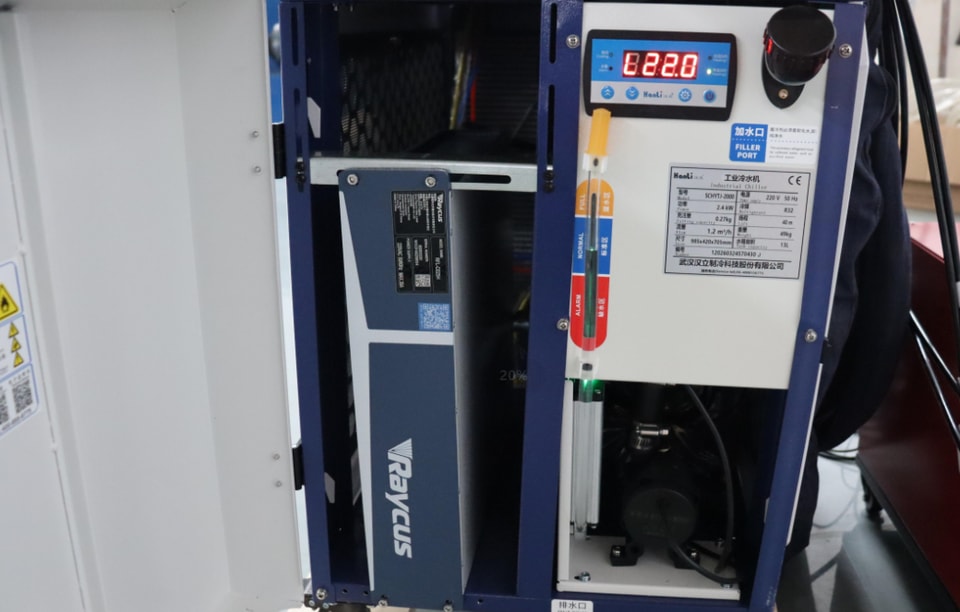 How to Choose Between Air-Cooled and Water-Cooled Laser Welding Systems
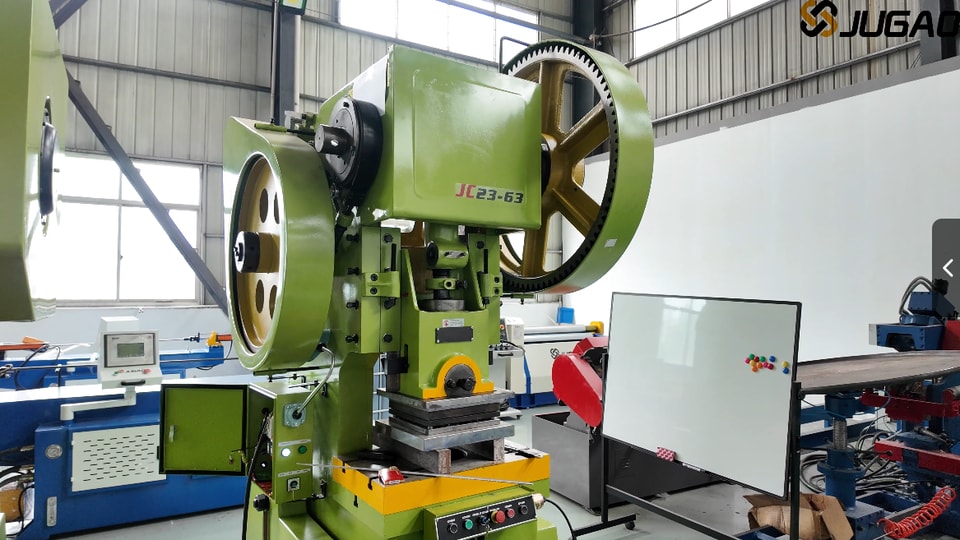 Understanding Punching Machines: Principles, Types, and Selection
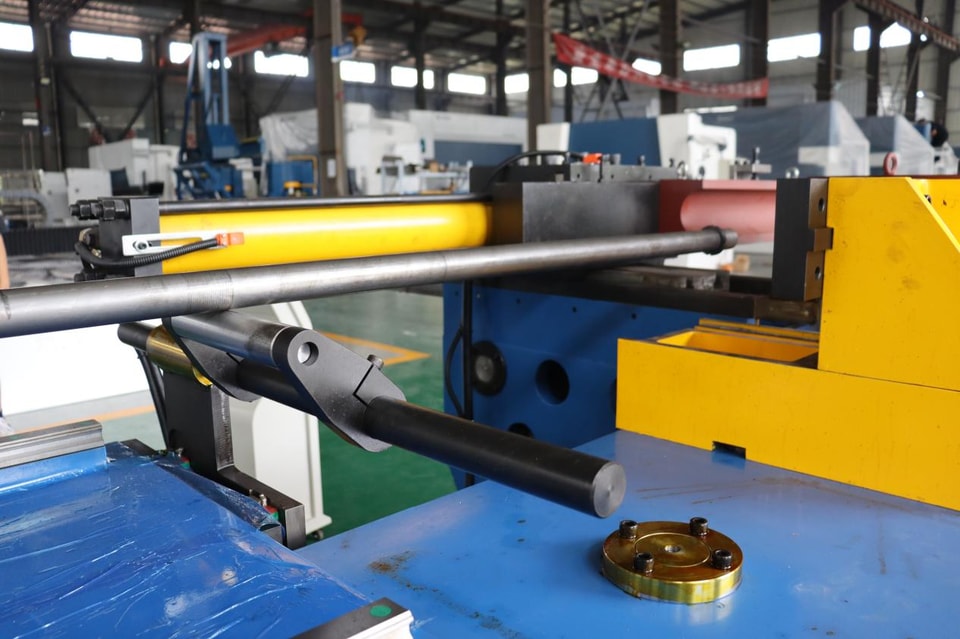 How can one effectively follow the installation guidelines for a pipe-bending machine?
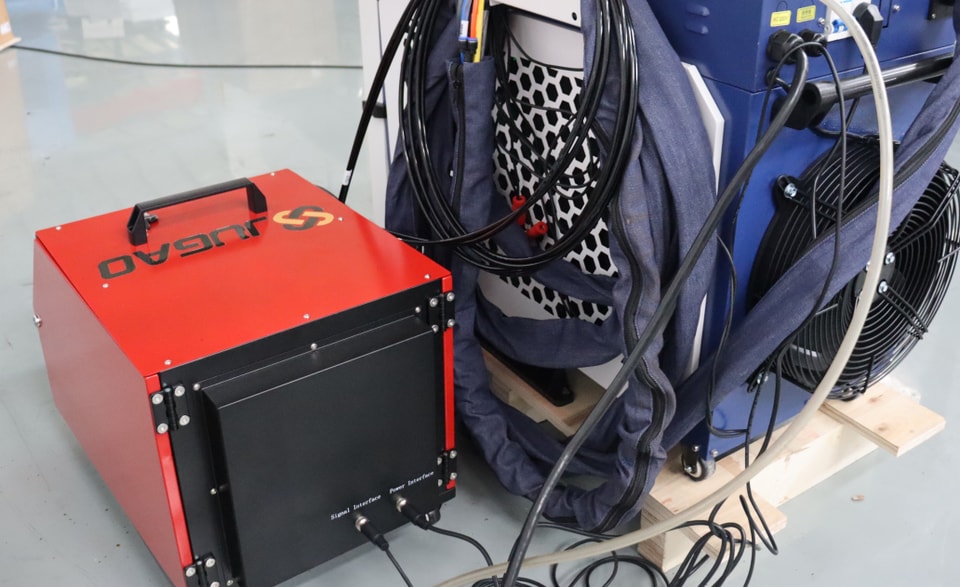 For which types of products is an automatic wire-feeding laser welding machine suitable?
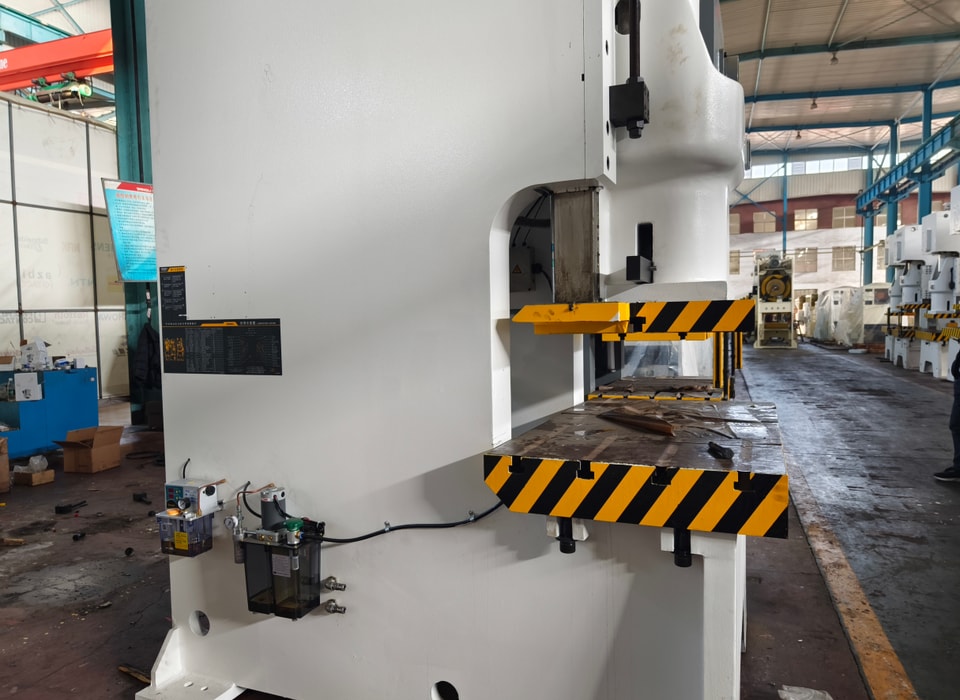 What Are the Latest Punching Machine Trends and Technological Breakthroughs?
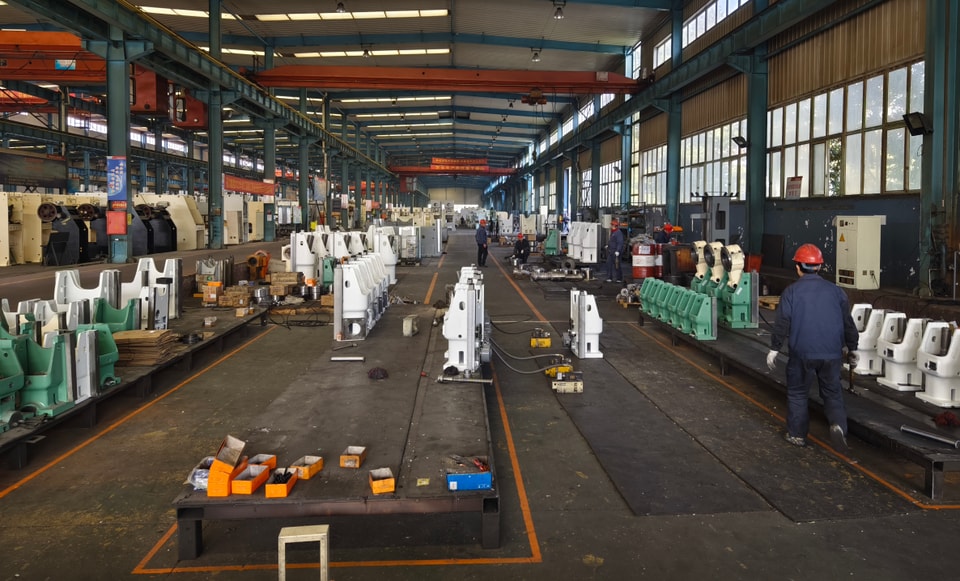 What Triggers Punching Machine Noise and How Can You Quieten It?
Engineering review
Send a drawing.
Get an engineer.
Standard selections answered within 4 hours. Parts outside the rules get a written process review within 24 hours.
- Part drawing: DXF, DWG, STEP or PDF
- Material and thickness
- Longest bend or cut length
- Yearly volume
Write to info@ntjugao.com or message the factory on WhatsApp +86 132 2211 1178.
Drawings (DXF, DWG, STEP, PDF): attach them to an email to info@ntjugao.com, quoting your name.