 Get a quote
Resources
Understanding Punching Machines: Principles, Types, and Selection
Table of Contents 1. Overview of Punching Machines 2. Core Operating Mechanism 3. Primary Categories of Punch Presses 4. Hydraulic Punching Systems 5. Step-by-Step Hydraulic Stamping Cycle 6. Operator Protection and Machine Safety 7. Key Criteria for Selecting the Right Punch Press 8. Summary |
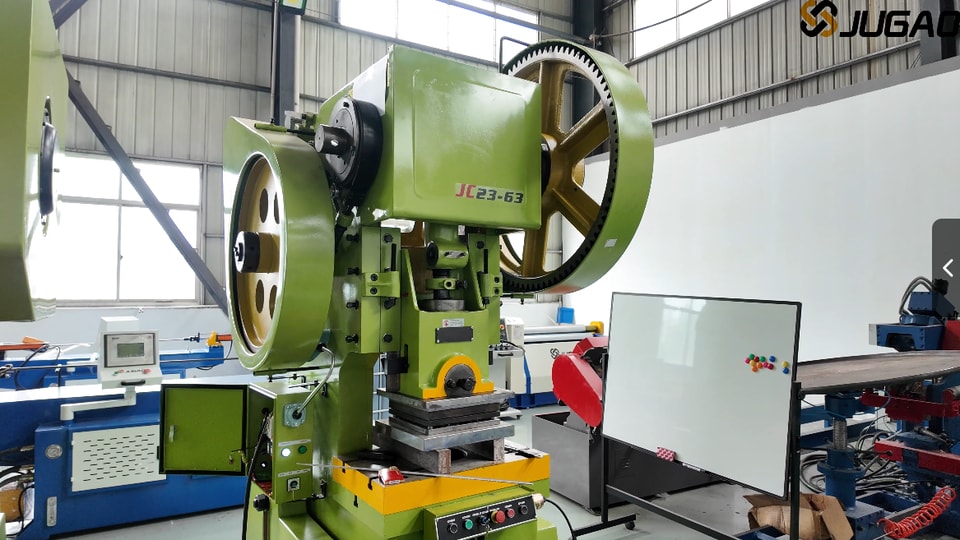
1. Overview of Punching Machines
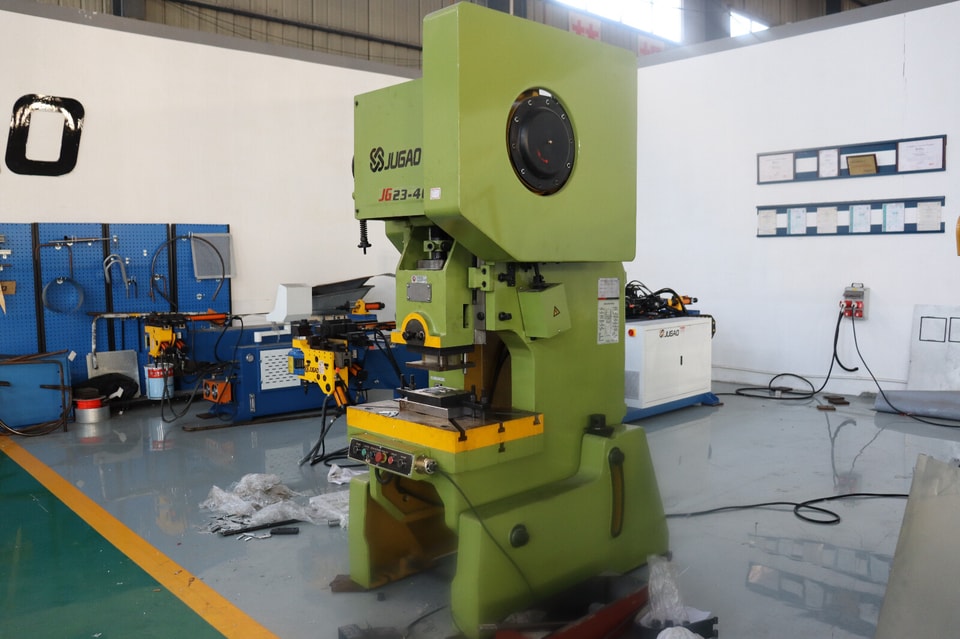
Punching machines are purpose-built industrial tools engineered to pierce holes, slots, and custom openings across diverse substrates, ranging from sheet metal and polymers to leather and paperboard. Depending on workshop requirements, these systems draw power from mechanical drives, hydraulic circuits, or pneumatic actuators. Equipment configurations span everything from compact benchtop presses to massive, heavy-duty JUGAO production units constructed for continuous industrial fabrication.
Fundamentally, a punching unit drives a hardened, precision-ground punch through a workpiece using pressurized fluid, flywheel inertia, or compressed air. As the punch penetrates the stock, an underlying lower die supports the edges and shears the opening to exact dimensional tolerances. Across modern metalworking, electronics manufacturing, and enclosure fabrication, JUGAO punching equipment plays an indispensable role in delivering repeatable, burr-free perforations.
2. Core Operating Mechanism
Often referred to in fabrication shops as a punch press, this machinery functions through controlled plastic deformation and localized shearing. A contoured upper punch delivers concentrated downward pressure onto the stock, cleanly severing the target profile into the matching die cavity below.
A standard punching sequence progresses through four distinct stages:
▪ Workpiece Positioning: The operator or automated feeder places the sheet onto the worktable and secures it firmly using pneumatic or hydraulic clamps.
▪ Shearing Stroke: Mounted to a guided ram, the upper punch descends rapidly onto the stock, exceeding the material's shear strength to cleanly punch out the desired hole or contour.
▪ Part Removal: Once the cut is completed, the perforated sheet or finished component is indexed forward or unloaded from the bed.
▪ Tool Return: The ram lifts the punch clear of the die and returns it to top dead center, preparing the press for the subsequent stroke.
Advanced CNC models engineered by JUGAO incorporate an indexable rotary turret capable of housing dozens of distinct punch-and-die sets simultaneously. This multi-tool architecture enables complex parts with varied hole geometries to be completed in a single setup, dramatically boosting shop throughput. Ultimately, tooling geometry alongside applied press force governs final part accuracy, while modern electronic controls let operators fine-tune stroke speed, dwell time, and tonnage.
3. Primary Categories of Punch Presses
Within the metal fabrication industry, punching presses fall broadly into two principal drive architectures: mechanical and hydraulic. Mechanical punch presses rely on a motor-driven flywheel, crankshaft, and clutch assembly to generate rapid downward strokes. Because their design is straightforward, mechanical models generally carry a lower initial purchase price and excel at high-speed, light-gauge jobs. Their primary limitation, however, lies in reduced peak tonnage and fixed stroke profiles, restricting them mostly to thinner sheet stock.
4. Hydraulic Punching Systems
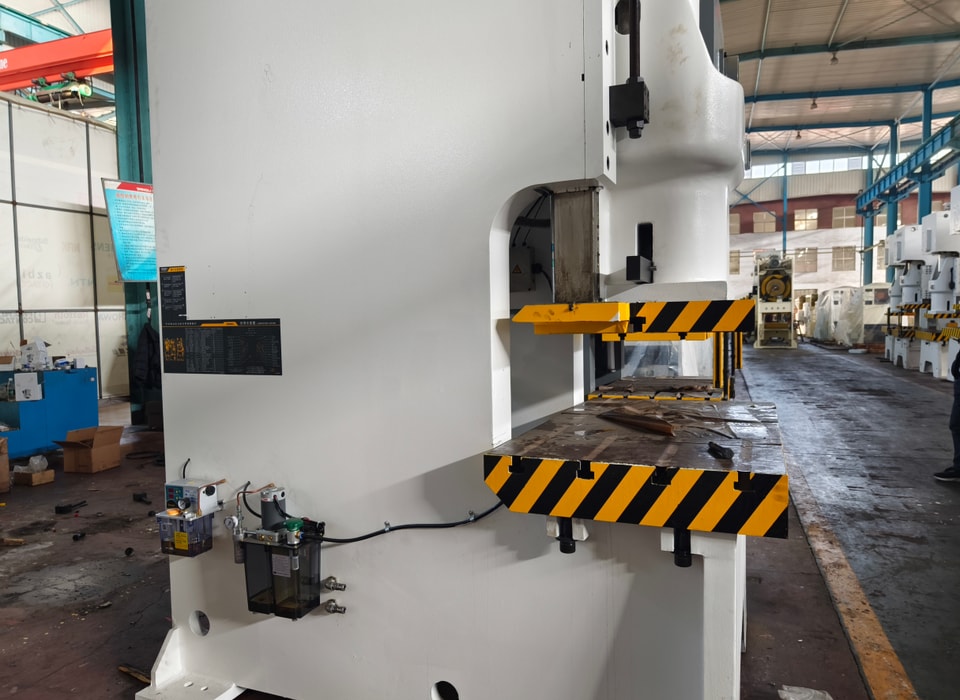
By contrast, hydraulic punching machines harness pressurized fluid acting on heavy-duty cylinders to generate immense, controllable pressing force. Capable of delivering substantially higher tonnage throughout the entire stroke than mechanical counterparts, hydraulic units effortlessly process thick plates and tough alloys. Furthermore, programmable stroke lengths and variable speed control give hydraulic presses superior versatility for diverse tasks such as blanking, notching, louvering, and forming. Because they maintain tight positional repeatability and smooth force delivery, JUGAO hydraulic punch presses are frequently selected for demanding, high-tolerance sectors including aerospace, automotive, and precision electrical cabinetry.
5. Step-by-Step Hydraulic Stamping Cycle
During a hydraulic stamping cycle, high-pressure oil is directed into the main cylinder, driving the ram and attached punch smoothly downward onto the sheet surface. As contact occurs, sustained hydraulic force shears the metal cleanly through the lower die opening. Immediately upon reaching bottom stroke, directional valves release cylinder pressure and route fluid to retract the ram back to its home position. This controlled cycle repeats seamlessly—either single-hit or continuously—until every required perforation on the workpiece is finished.
6. Operator Protection and Machine Safety
Modern hydraulic punching systems integrate comprehensive protective engineering to safeguard operators on the shop floor. Physical perimeter barriers and light curtains shield personnel from pinch points and moving rams, while safety interlocks immediately halt press motion if an access door is opened mid-cycle. Additionally, JUGAO equips its hydraulic circuits with calibrated pressure-relief valves that automatically bypass excess fluid during an overload event, preventing structural frame damage and tooling breakage.
7. Key Criteria for Selecting the Right Punch Press
Selecting the ideal punching machine requires evaluating several core production parameters before investing:
▪ Workpiece Alloy & Gauge: High-tensile metals like stainless steel or hardened aluminum alloys resist shearing far more than mild carbon steel, requiring higher press capacity. Similarly, thicker plate gauges demand proportionally greater tonnage to pierce cleanly.
▪ Batch Size & Production Speed: Low-volume job shops or prototyping workshops often achieve strong ROI with manual or semi-automatic presses, whereas high-throughput manufacturing lines benefit from fully automated CNC turret systems.
▪ Hole Dimensions & Contours: Large-diameter cutouts and complex non-circular profiles require higher energy per stroke and robust frame rigidity, making it essential to verify that your chosen JUGAO model matches your largest tooling requirements.
JUGAO Equipment Selection Note |
8. Summary
Ultimately, punching machines remain foundational assets across modern sheet metal fabrication, offering unmatched speed and dimensional consistency for creating holes and profiles in metal plates. Both mechanical and hydraulic drive systems bring distinct operational strengths depending on gauge, speed, and precision demands. By carefully weighing workpiece material, required hole sizes, and overall production volume—and partnering with a trusted manufacturer like JUGAO—fabricators can deploy a punching solution built for long-term accuracy and productivity.
Related
Keep
reading.
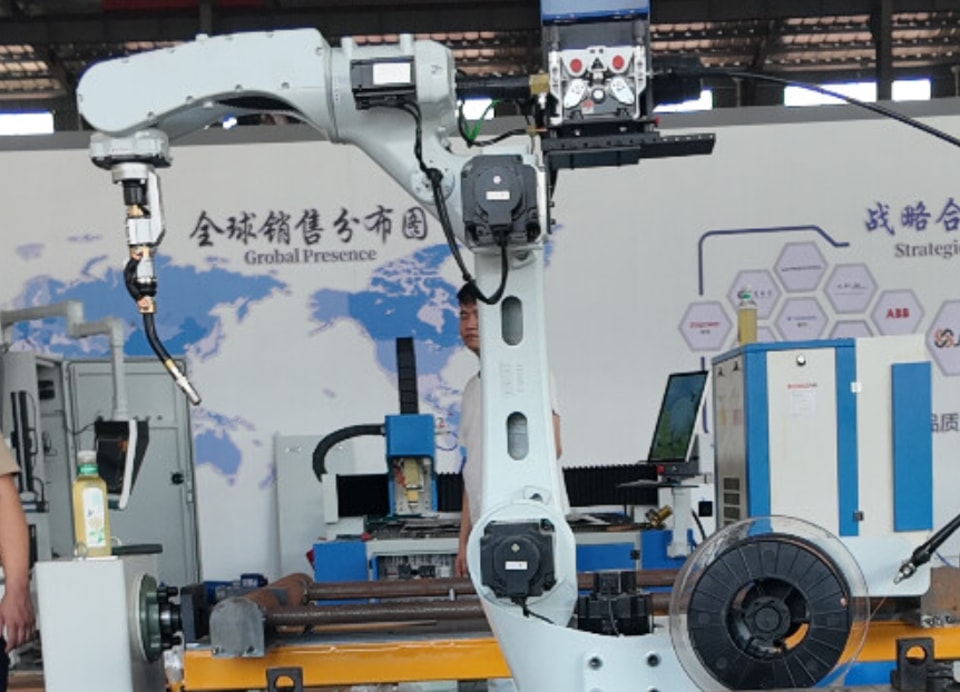 Comparison of Laser Welding Results and Application Scenarios Across Different Materials
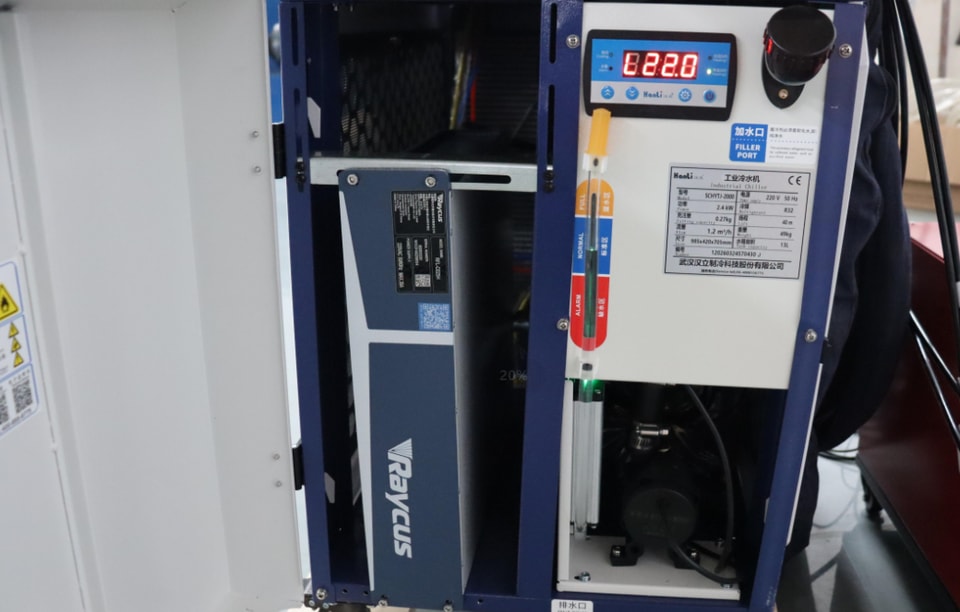 How to Choose Between Air-Cooled and Water-Cooled Laser Welding Systems
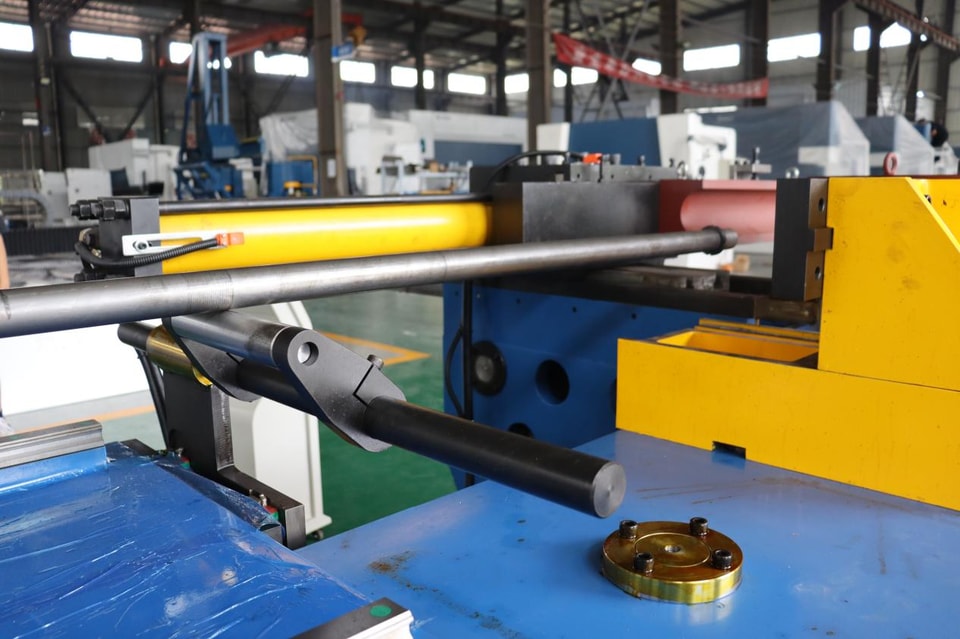 How can one effectively follow the installation guidelines for a pipe-bending machine?
 For which types of products is an automatic wire-feeding laser welding machine suitable?
 What Are the Latest Punching Machine Trends and Technological Breakthroughs?
 What Triggers Punching Machine Noise and How Can You Quieten It?
 What factors influence the replacement cycle of wear parts in a pipe-bending machine?
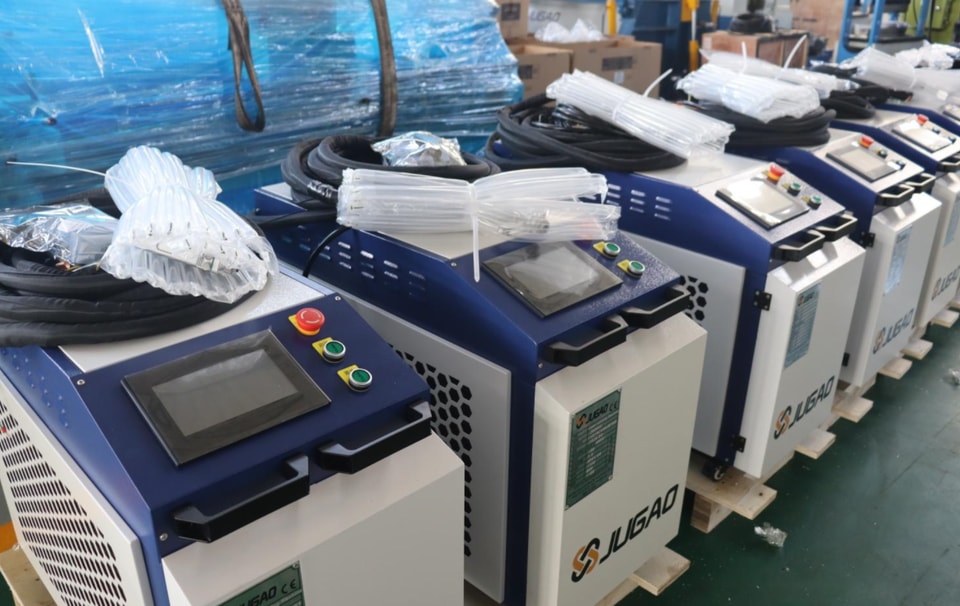 Beyond price, what key parameters should you consider when purchasing welding equipment?
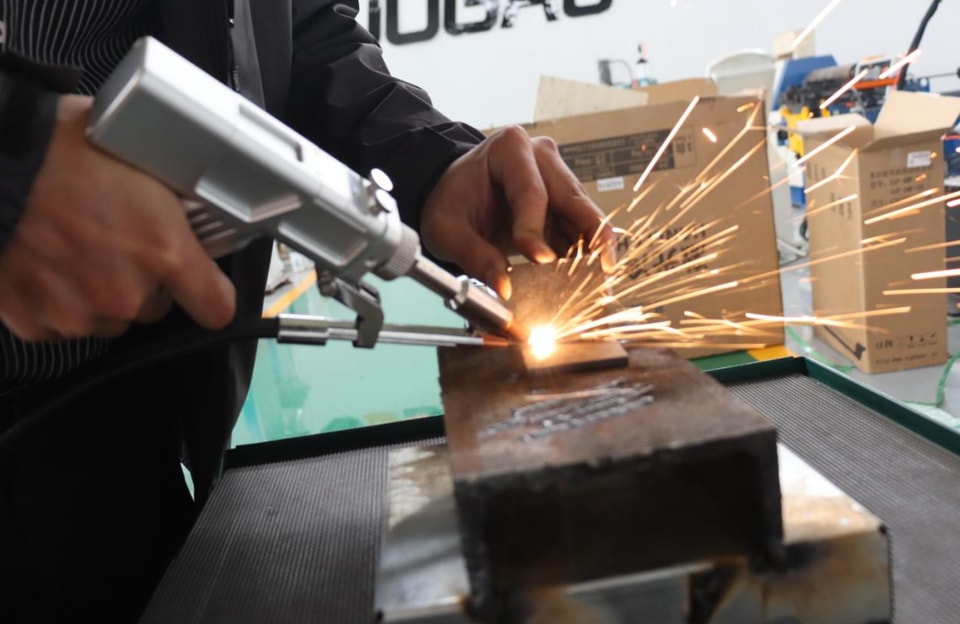 4 Common Methods for Inspecting Weld Quality
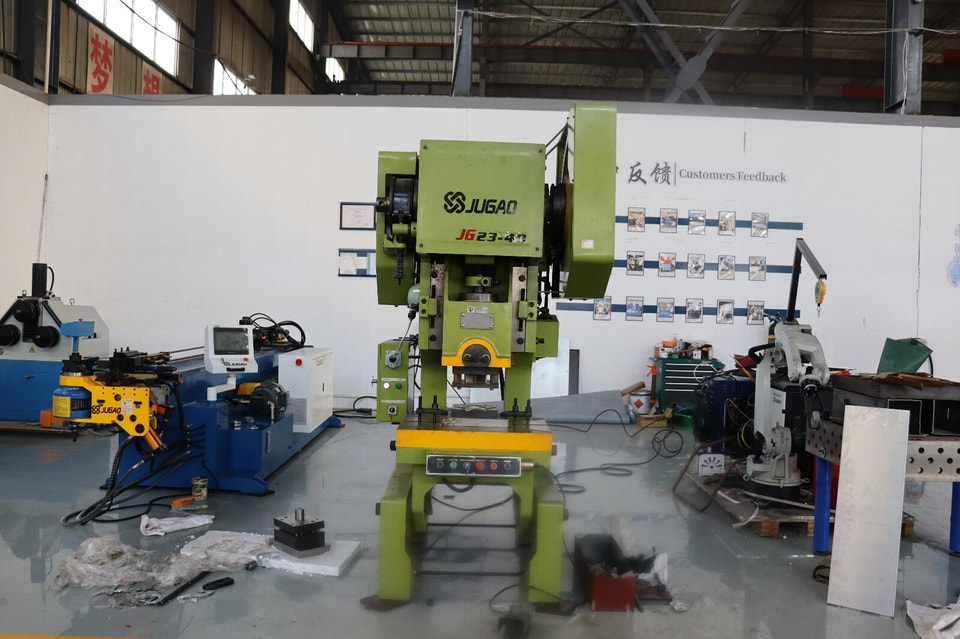 Selecting the Top Punching Machines for Small Workshops & Heavy Industry
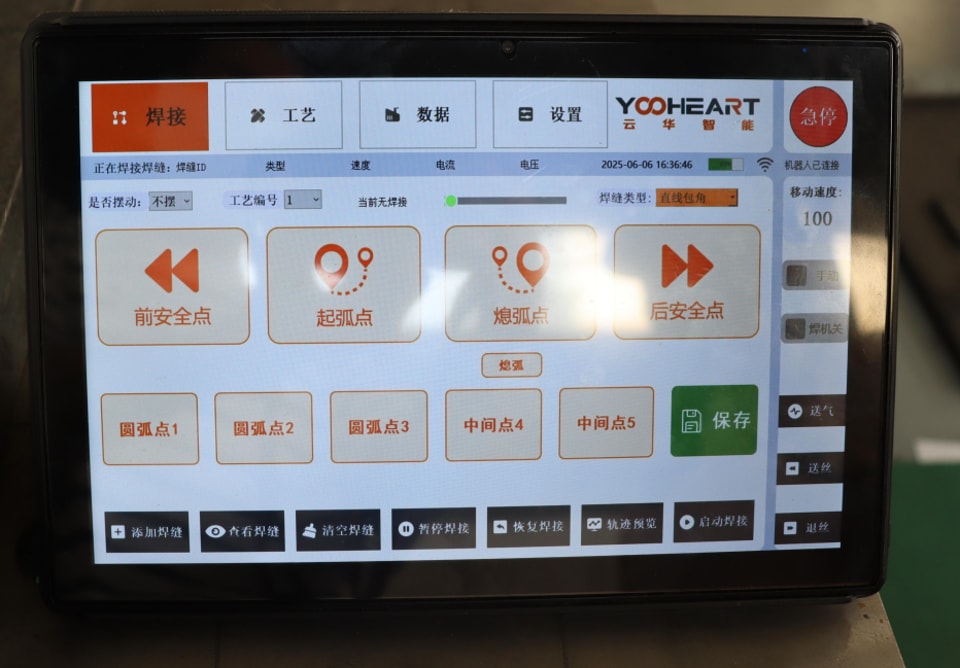 How do you set the welding path for a robotic laser welding machine? Can it perform precise welding on complex workpieces?
 Essential Considerations Before Purchasing a Punching Machine
Engineering review
Send a drawing.
Get an engineer.
Standard selections answered within 4 hours. Parts outside the rules get a written process review within 24 hours.
- Part drawing: DXF, DWG, STEP or PDF
- Material and thickness
- Longest bend or cut length
- Yearly volume
Write to info@ntjugao.com or message the factory on WhatsApp +86 132 2211 1178.
Drawings (DXF, DWG, STEP, PDF): attach them to an email to info@ntjugao.com, quoting your name.