 Get a quote
Resources
What Are the Latest Punching Machine Trends and Technological Breakthroughs?
Table of Contents
1. Emerging Shifts in Punching Machine Engineering
• Growing Preference for Servo-Electric Drive Systems
• Seamless Integration of Automated Workflows
• Intelligent Controls and Industrial IoT Connectivity
2. Breakthroughs Boosting Punching Precision and Throughput
• Next-Generation CNC Programming Software
• High-Capacity Multi-Tool Turret Stations
• Upgraded Tooling Alloys and Surface Coatings
3. Eco-Conscious and Power-Saving Punching Approaches
• Green Manufacturing Technologies
• Material Scrap Minimization Strategies
4. Frequently Asked Questions (FAQs)
• How do servo-electric models stack up against traditional hydraulic punch presses?
• Does IoT connectivity support proactive equipment maintenance?
• What stands out as the primary benefit of automated punching lines?
• Why do multi-tool stations bring substantial value to fabrication shops?
5. Conclusion
For businesses operating in sheet metal fabrication or preparing to upgrade their workshop machinery, staying ahead of evolving punching machine developments is essential. Grasping these modern engineering breakthroughs can dramatically elevate shop-floor output, part accuracy, and overall market edge. Throughout this guide, we will walk you through the defining shifts and technical advancements reshaping punching equipment today, equipping you with practical insights to make smarter capital investments for your production line.
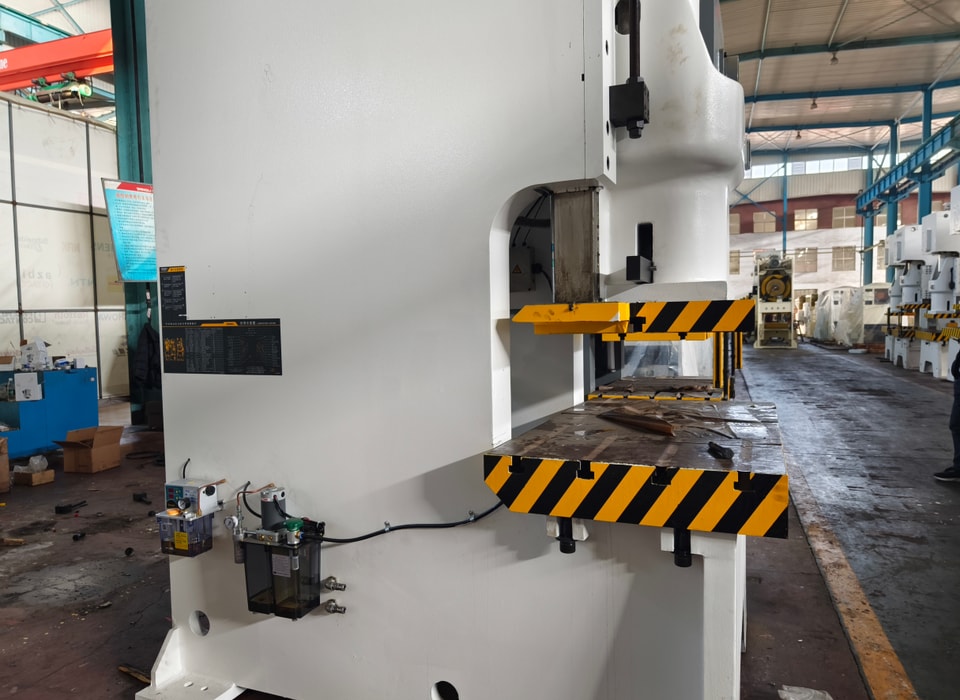
Emerging Shifts in Punching Machine Engineering
Growing Preference for Servo-Electric Drive Systems
A prominent shift across the metalworking sector is the rapid transition toward servo-electric drive architectures. Compared with conventional hydraulic presses, servo-electric punch machines deliver finer ram control, substantially lower power draw, and far fewer routine upkeep demands. By adopting direct servo-electric actuation, fabricators benefit from higher stroke rates, tighter dimensional tolerances, and noticeably lower ambient shop noise. These performance gains translate directly into stronger throughput and reliability, making electric drives a preferred choice for demanding sectors like automotive manufacturing and aerospace engineering.
Seamless Integration of Automated Workflows
Factory automation continues to reshape how sheet metal parts are processed from start to finish. Contemporary punching systems are routinely paired with automated sheet loaders, unloaders, and part-sorting units. These integrated setups curtail manual material handling, eliminate idle machine intervals, and raise total plant utilization. Furthermore, automated workflows safeguard batch-to-batch consistency while eliminating human handling mistakes. Deploying end-to-end automation enables manufacturers to scale output volumes, trim direct labor expenses, and foster a much safer working environment.
Intelligent Controls and Industrial IoT Connectivity
Industrial Internet of Things (IoT) capabilities are transforming daily punching operations into data-driven workflows. Embedded smart sensors, diagnostic analytics, and live telemetry allow shop supervisors to track machine health and fine-tune parameters in real time. This connected ecosystem supports predictive maintenance strategies, catching component wear early to prevent unplanned breakdowns and costly emergency repairs. Intuitive touchscreen HMIs combined with cloud-based access also facilitate remote troubleshooting and parameter updates, keeping production lines running smoothly without interruption.
Breakthroughs Boosting Punching Precision and Throughput
Next-Generation CNC Programming Software
Upgraded CAD/CAM and CNC software suites empower programmers to generate intricate punching toolpaths rapidly and with minimal effort. Streamlined visual interfaces simplify job setup, shorten programming cycles, and remove guesswork from complex layouts. Built-in virtual collision detection and dry-run simulations catch potential tooling conflicts before a single sheet is punched, safeguarding machine uptime and preventing costly scrap.
High-Capacity Multi-Tool Turret Stations
Today’s turret punch presses are commonly engineered with multi-tool indexable stations capable of housing several distinct punch profiles inside a single turret slot. This design cuts down manual tool-change delays, allowing intricate workpieces requiring diverse hole diameters and geometries to be finished in a single continuous cycle. Consequently, floor-to-floor cycle times drop dramatically while overall shop capacity increases.
Upgraded Tooling Alloys and Surface Coatings
Metallurgical breakthroughs—ranging from premium powder-metallurgy steels to specialized low-friction surface treatments—are extending punch and die longevity while curbing edge wear. Crafted from ultra-durable substrates such as high-speed hardened tool steel and coated tungsten carbide, modern punching tools preserve crisp edge geometry even across demanding high-volume runs. This durability lowers tooling replacement intervals, reduces consumable budgets, and sustains consistent cut quality over time.
Eco-Conscious and Power-Saving Punching Approaches
Green Manufacturing Technologies
Environmental stewardship has become a top strategic priority across global fabrication plants. Modern punching innovations increasingly spotlight sustainable engineering designed to curb electricity consumption and shrink carbon footprints. On-demand servo-electric motors that consume power only during active strokes, dry or minimal-lubrication punching systems, and recyclable tooling assemblies all support cleaner shop operations—helping enterprises satisfy strict environmental regulations and corporate sustainability targets.
Material Scrap Minimization Strategies
Forward-looking punching platforms incorporate intelligent scrap-reduction tools, including dynamic part-nesting algorithms and common-line shearing techniques that maximize sheet metal yield. By extracting more finished components from every raw sheet, fabricators significantly lower metal procurement expenses while curbing industrial waste—creating a leaner, greener, and far more profitable manufacturing workflow.
Frequently Asked Questions (FAQs)
How do servo-electric models stack up against traditional hydraulic punch presses?
Servo-electric punch presses deliver tighter stroke accuracy, markedly lower electrical consumption, faster hit rates, and simplified maintenance without hydraulic oil leaks or temperature fluctuations.
Does IoT connectivity support proactive equipment maintenance?
Yes. IoT-enabled punching machines rely on onboard sensors to track vibration, motor load, and cycle counts continuously, alerting operators to service needs before unexpected failures halt production.
What stands out as the primary benefit of automated punching lines?
Automation minimizes manual sheet handling, elevates operator safety, accelerates production throughput, and guarantees uniform part quality across large batches.
Why do multi-tool stations bring substantial value to fabrication shops?
Multi-tool stations house multiple punch sizes within a single station, eliminating frequent turret retooling, shortening setup times, and boosting daily output on multi-hole components.
Conclusion
Keeping pace with emerging punching machine advancements is vital for sustaining a competitive edge in modern sheet metal fabrication. By embracing innovations such as servo-electric drive technology, automated material handling, smart IoT diagnostics, and sustainable nesting practices, your facility can achieve remarkable gains in speed, precision, and cost efficiency. If you are looking for tailored engineering advice on choosing or upgrading your punching machinery, reach out to our dedicated specialists at JUGAO—we are ready to help you power your manufacturing goals.
Related
Keep
reading.
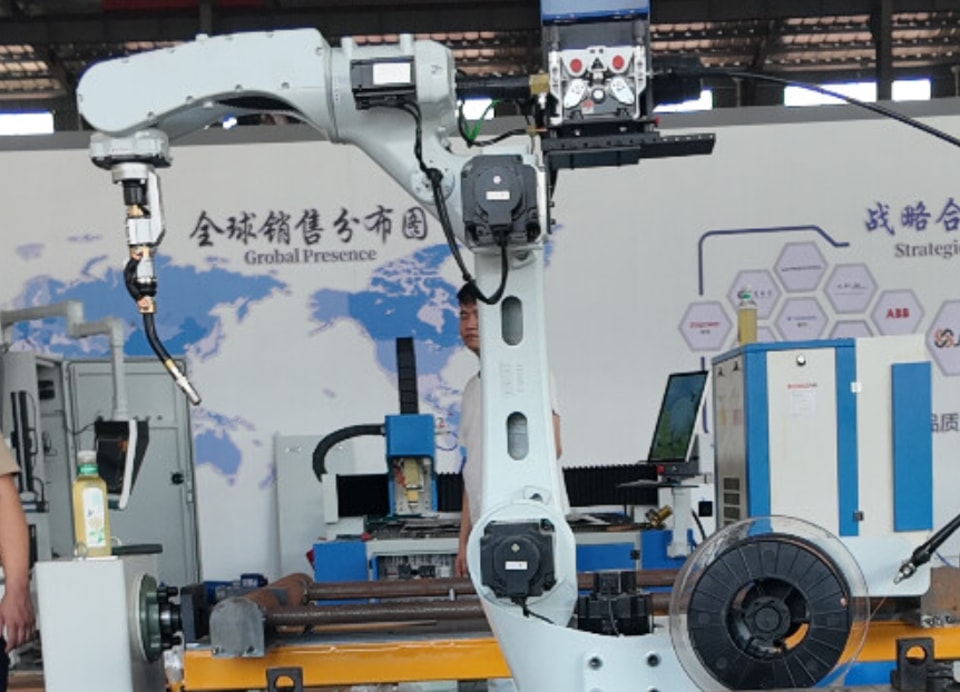 Comparison of Laser Welding Results and Application Scenarios Across Different Materials
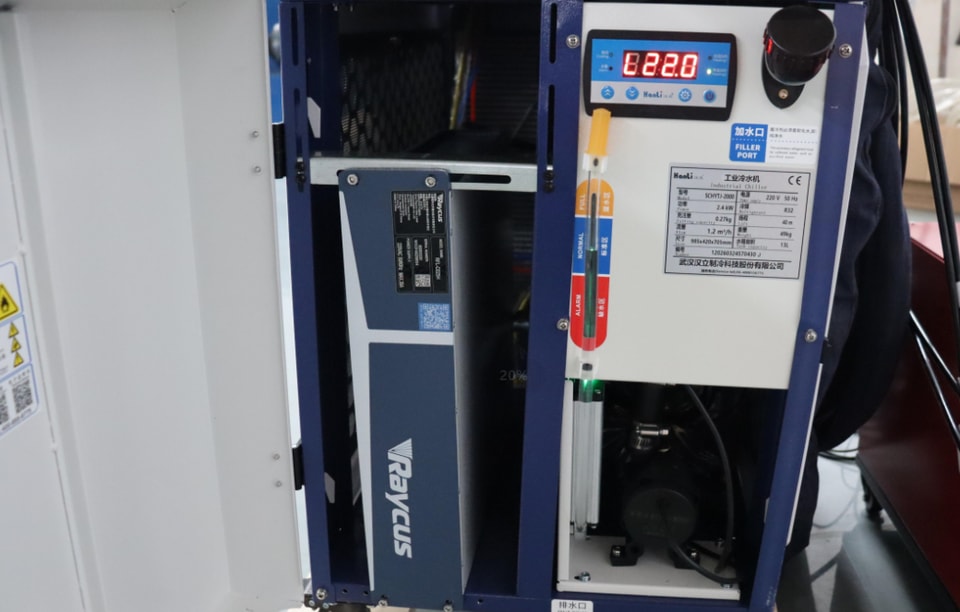 How to Choose Between Air-Cooled and Water-Cooled Laser Welding Systems
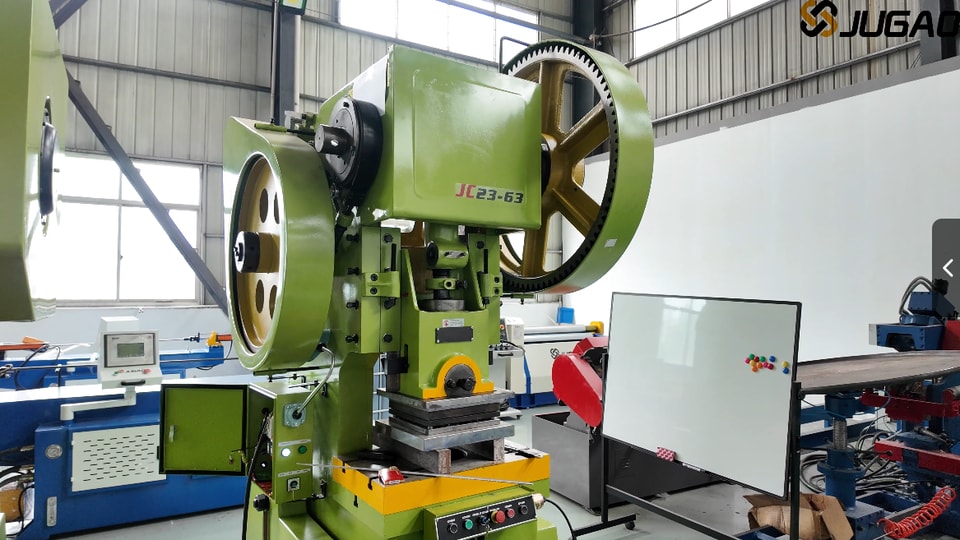 Understanding Punching Machines: Principles, Types, and Selection
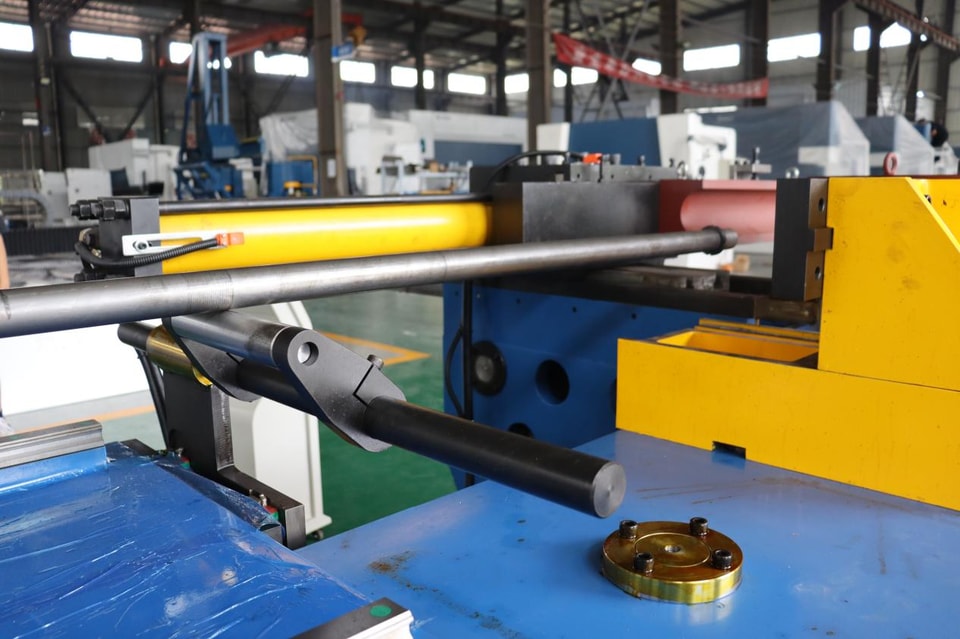 How can one effectively follow the installation guidelines for a pipe-bending machine?
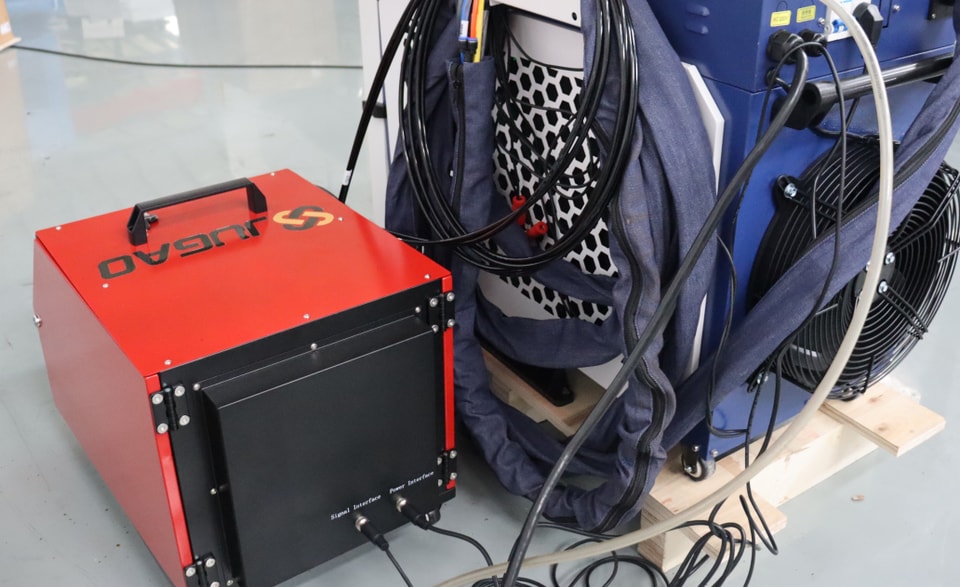 For which types of products is an automatic wire-feeding laser welding machine suitable?
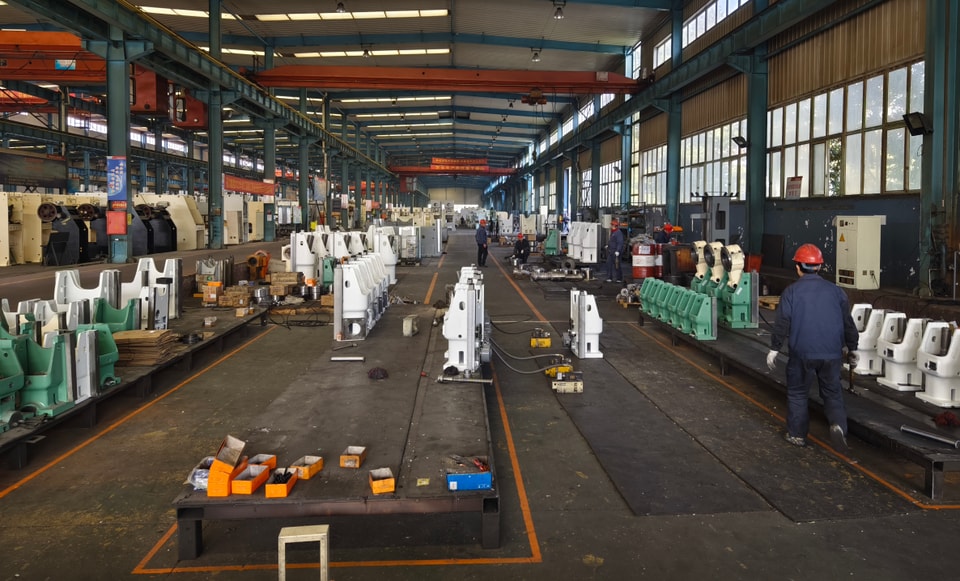 What Triggers Punching Machine Noise and How Can You Quieten It?
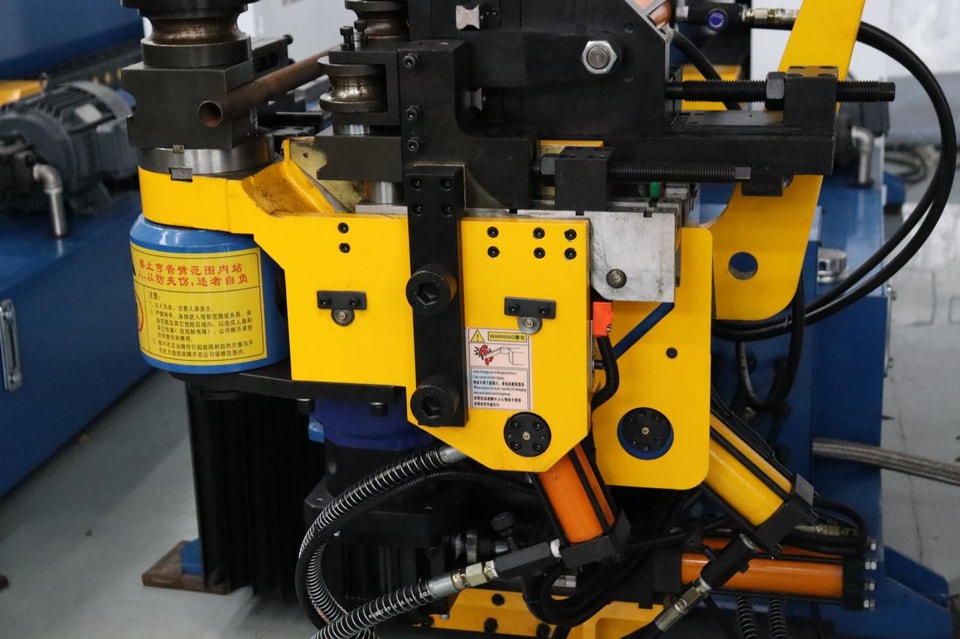 What factors influence the replacement cycle of wear parts in a pipe-bending machine?
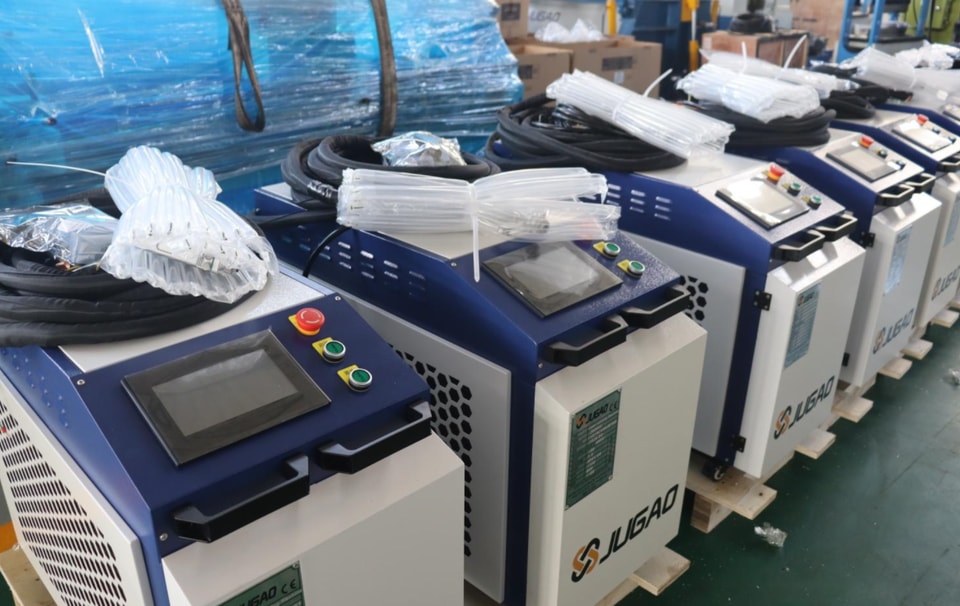 Beyond price, what key parameters should you consider when purchasing welding equipment?
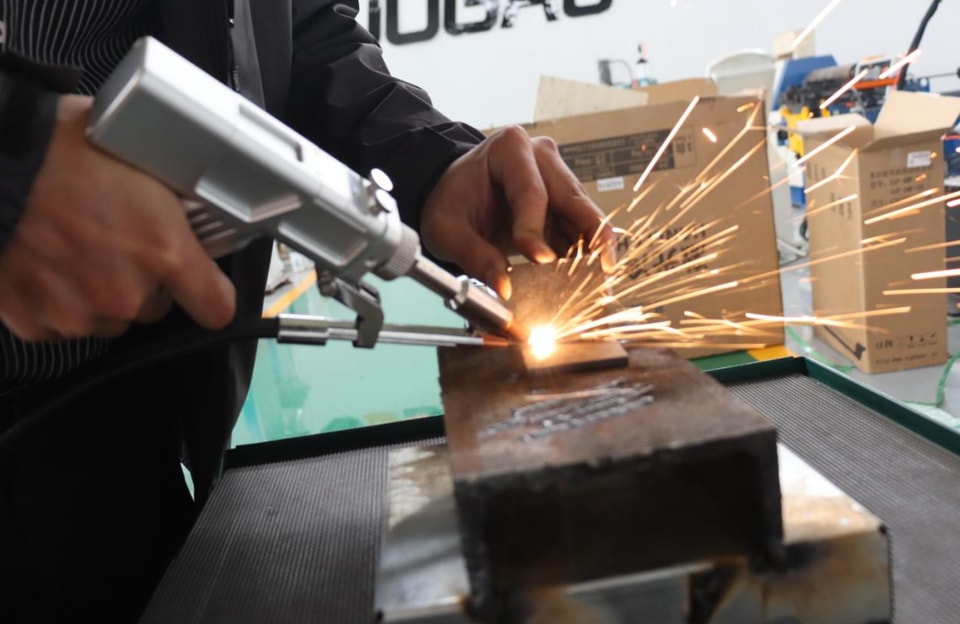 4 Common Methods for Inspecting Weld Quality
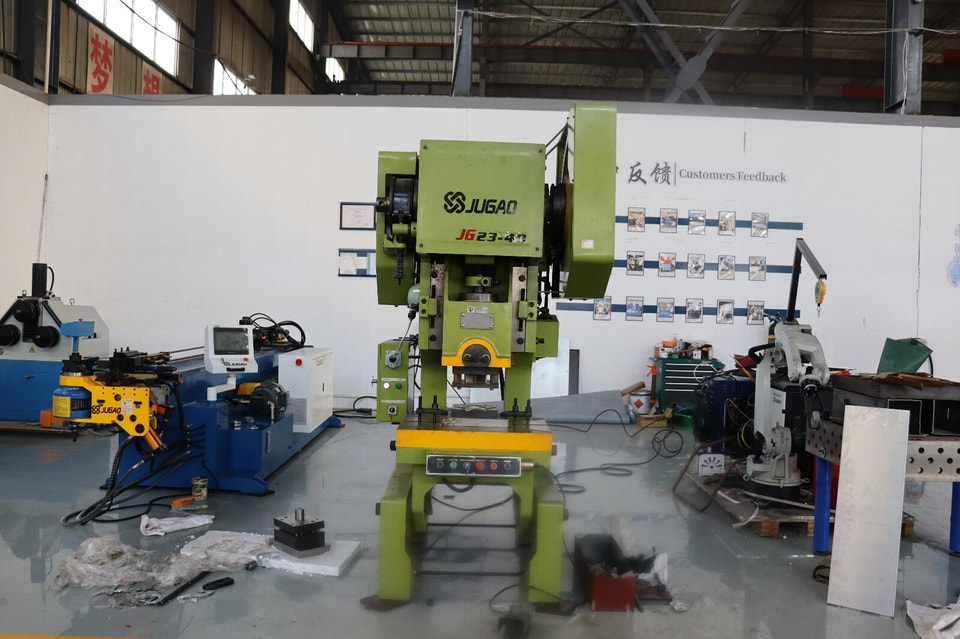 Selecting the Top Punching Machines for Small Workshops & Heavy Industry
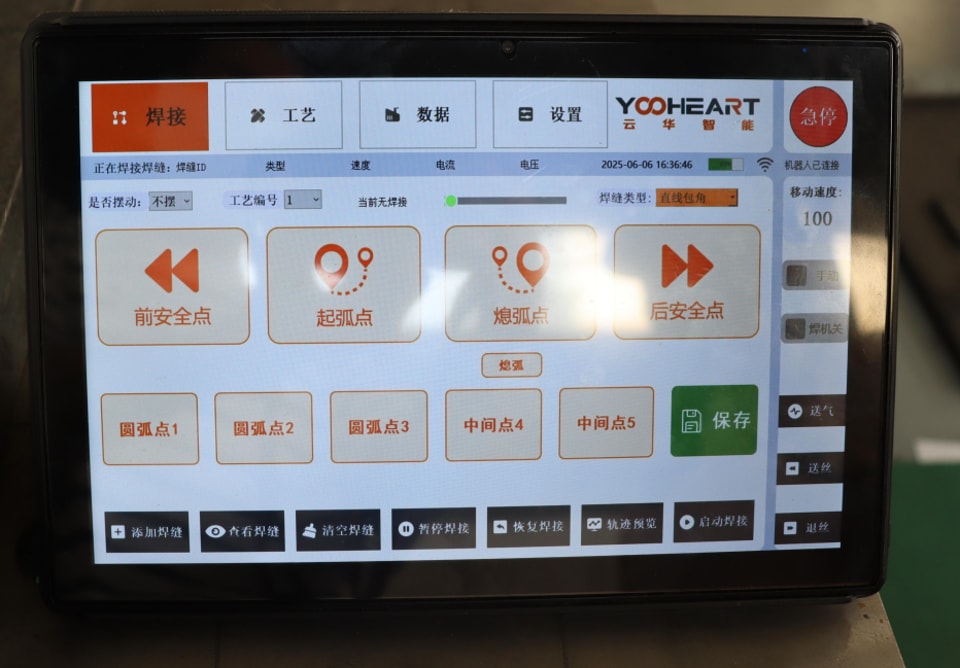 How do you set the welding path for a robotic laser welding machine? Can it perform precise welding on complex workpieces?
 Essential Considerations Before Purchasing a Punching Machine
Engineering review
Send a drawing.
Get an engineer.
Standard selections answered within 4 hours. Parts outside the rules get a written process review within 24 hours.
- Part drawing: DXF, DWG, STEP or PDF
- Material and thickness
- Longest bend or cut length
- Yearly volume
Write to info@ntjugao.com or message the factory on WhatsApp +86 132 2211 1178.
Drawings (DXF, DWG, STEP, PDF): attach them to an email to info@ntjugao.com, quoting your name.