 Get a quote
Resources
How to Choose Between Air-Cooled and Water-Cooled Laser Welding Systems
When purchasing laser welding equipment, many manufacturing enterprises face a common question:
What is the difference between air-cooled and water-cooled laser welding systems, and which one is better suited to their specific production needs?
The primary distinction lies in the heat dissipation method. However, the selection process should not be based solely on whether the system is air-cooled or water-cooled; it requires a comprehensive evaluation of factors such as workpiece materials, welding thickness, product structure, production cycle times, equipment power, and the operating environment.
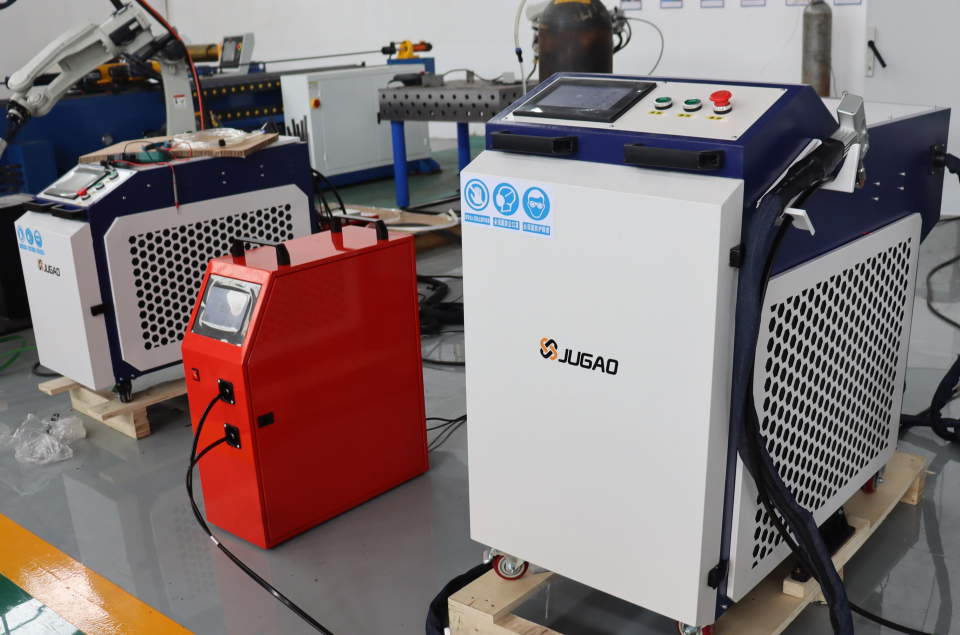
For companies seeking a laser welding machine supplier—for instance, in Dongguan—it is advisable to first understand the characteristics of both types of systems and then conduct tests using actual workpieces to determine the most appropriate welding solution.
I. What Are the Differences Between Air-Cooled and Water-Cooled Laser Welding Systems?
Both air-cooled and water-cooled systems fall under the category of laser welding equipment. The core difference lies in how they dissipate the heat generated during operation.
Air-cooled laser welding systems rely on an air-cooling (forced-air) system for heat exchange.
Water-cooled laser welding systems utilize a circulating coolant, typically managed by an external chiller, to dissipate heat.
These different cooling methods influence the equipment's physical footprint, ease of use, heat dissipation capacity, and suitable operational workload.
1. Air-Cooled Laser Welding: Compact Structure and Greater Flexibility
Air-cooled laser welding systems often feature an integrated design, using an air-cooling system to manage heat. Unlike common water-cooled setups, they do not require a separate, external circulating water-cooling system.
Key characteristics include:
Relative Portability: Many air-cooled models utilize an all-in-one design, resulting in a compact structure that is easy to move and deploy on-site.
Ease of Use: Since there is no need for an additional, standalone chiller, the number of auxiliary components and associated plumbing is reduced.
On-Site Adaptability: These systems are often easier to deploy in environments that require frequent relocation, switching between workstations, or where space is limited.
Specific Maintenance Focus: Maintenance efforts should center on keeping the cooling air ducts, air intake/exhaust vents, and fans clean and in good working order.
It should be noted, however, that "air-cooled" does not imply a maintenance-free system, nor does it mean that all air-cooled units are suitable for long-term, high-load operation. The actual heat dissipation capacity remains subject to factors such as equipment design, laser power, ambient temperature, and the duration of continuous operation.
2. Water-Cooled Laser Welding: Offers superior heat dissipation, suitable for handling specific operational loads.
Water-cooled laser welding systems typically utilize a chiller and a circulating cooling system to remove the heat generated during equipment operation.
This approach is commonly employed for welding equipment that requires robust heat dissipation and stable, continuous operation—particularly in high-power applications or scenarios involving heavy workloads.
Key features include:
Strong heat dissipation capacity: A well-configured water-cooling system effectively regulates the equipment's operating temperature.
Suitable for continuous operation: For processes requiring long welding durations or high-paced production, a water-cooling solution can be selected to match the equipment's design requirements.
More complex supporting infrastructure: Typically requires the integration of a chiller, circulation piping, coolant, and dedicated installation space.
Requires regular maintenance: The condition of the coolant, pipe connections, and the overall cooling system must be checked according to the manufacturer's specifications to prevent operational issues caused by inadequate heat dissipation.

Important note: Water cooling does not inherently guarantee superior welding results, nor are all water-cooled models necessarily more powerful than air-cooled ones. The final assessment should always be based on the specific equipment configuration, rated operating conditions, and actual test results.
II. Differences Between Air-Cooled and Water-Cooled Laser Welding: Key Factors for Selection
Once the basic principles are understood, businesses can evaluate their options based on the following criteria during the procurement process.
Comparison Criteria | Air-Cooled Laser Welding | Water-Cooled Laser Welding |
Cooling Method | Relies primarily on an air-cooling system for heat dissipation | Relies primarily on a circulating cooling system for heat dissipation. |
Equipment Structure | Some models feature a more compact, integrated design | Typically requires the integration of a water chiller and associated piping. |
Portability | Certain portable models offer enhanced mobility | Necessitates careful planning of the overall layout, encompassing both the main unit and the cooling system. |
Continuous Operational Capability | Depends on the specific model and rated operating conditions | The cooling system can be matched to the specific operational load requirements. |
Installation Requirements | Requires adequate ventilation and space for heat dissipation | Requires adequate space for the installation, piping, and maintenance of the water chiller. |
Maintenance Focus | Involves monitoring air ducts, fans, and overall thermal status | Involves monitoring the coolant, piping, water chiller, and the status of the circulation loop. |
Recommended Use Cases | Emphasizes portability, flexibility, and suitability for specific operational workloads | Focused on ensuring the cooling capacity meets the equipment's operational demands and workload. |
III. Which production scenarios are best suited for air-cooled laser welding?
If a company’s welding requirements prioritize operational flexibility, air-cooled laser welding should be a primary consideration.
1. Small-batch, high-variety metal processing
For metal fabrication enterprises that handle a wide range of product models with variable batch sizes, production processes may frequently require switching workpieces, adjusting workstations, or performing welds at different locations.
Provided that the equipment’s power, welding process capabilities, and duty cycle meet the requirements, compact air-cooled units offer greater flexibility in production planning.
2. Welding of stainless steel products and sheet metal components
Laser welding is commonly used for items such as stainless steel enclosures, metal cabinets, kitchenware components, and various sheet metal structural parts.
However, determining whether air-cooled equipment is appropriate depends on more than just the industry or the type of workpiece; one must also consider:
Material thickness
Joint configuration
Weld seam length
Continuous operating duration
For example, while welding thin sheets may not require high laser output power, a fast production pace or long, continuous weld seams may necessitate a careful assessment of the equipment’s actual workload capacity.
3. Welding scenarios requiring mobility
Certain air-cooled handheld laser welders are designed for portability and flexible deployment, making them suitable for environments that require frequent workstation changes or where on-site operating space is limited.
If the workpieces have complex structures or the welding locations are widely dispersed, the following factors should also be considered during procurement:
Ease of handling the welding torch
Wire-feeding requirements
Cable length
On-site safety conditions
The suitability of air-cooled equipment depends not only on its portability but also on its ability to consistently meet actual production demands.
IV. Which production requirements are best suited for water-cooled laser welding?
If a company’s production tasks are relatively stable and require continuous operation with high heat-dissipation capacity, water-cooled laser welding solutions should be the primary focus.
1. Production tasks requiring long periods of continuous welding
For scenarios such as mass production involving long weld seams or the continuous welding of multiple workpieces, equipment may need to remain in operation for extended periods.
In such cases, the appropriate cooling solution should be determined based on laser power, the equipment’s rated operating conditions, the welding duty cycle, and the specific on-site environment. A properly configured water-cooling system can provide the necessary heat dissipation for specific operational workloads.
2. Welding applications with higher power requirements
Some high-power laser welding systems utilize water-cooling solutions to meet their heat dissipation requirements.
However, one should not simply assume that "higher power automatically necessitates water cooling." Instead, it is essential to first determine the actual laser power required, and then verify the equipment's cooling configuration and permissible operating conditions.
3. Automated welding and fixed-station production
In fixed-station environments—such as automated welding workstations or robotic welding cells—the equipment must typically integrate with tooling, robots, control systems, and other auxiliary devices.
If production tasks are continuous and the welding load is significant, a water-cooling solution should be considered. In such cases, adequate space must be reserved for the chiller unit and its associated piping to facilitate installation and maintenance, ensuring the stable operation of the entire system.
It should be noted that automated production does not inherently mandate the use of water-cooled equipment. The final decision must always be based on the specific configuration and operational requirements of the laser source and the complete machine.
V. When purchasing a laser welding machine, do not focus solely on air-cooling versus water-cooling
For manufacturing enterprises, the cooling method is only one aspect of equipment selection. To ensure that welding equipment is truly suitable for production, several other factors must be considered:
First, identify the materials and thicknesses to be welded.
Different materials—such as stainless steel, carbon steel, galvanized sheet, and aluminum—exhibit variations in laser absorption, thermal conductivity, and welding process requirements. The material type and thickness will influence the selection of laser power, welding speed, and process parameters.
Second, confirm the product structure and weld seam requirements.
It is necessary to clarify the joint configuration (e.g., lap joint, butt joint, or others), whether the weld seam will be exposed, and if there are specific requirements regarding deformation, surface coloration, or weld bead appearance. When dealing with thin sheets, precision components, or parts where aesthetics are critical, it is advisable to conduct test welds to evaluate the actual results.
Third, assess the production cycle (takt time) and continuous operating duration.
The equipment load requirements can differ significantly depending on whether the same workpiece is welded occasionally or as part of a long-term, high-volume production run. When purchasing, you should provide data on expected output, welding time per piece, and daily operating hours; avoid judging the suitability of the equipment based solely on the results of a single test weld. Fourth, verify the equipment configuration and operating environment.
Beyond the cooling method (air or water cooling), consider the laser source, welding head, wire-feeding system, control interface, and auxiliary equipment. Factors such as ambient temperature, ventilation, power supply conditions, and available maintenance space at the site will also influence equipment deployment.
Fifth, conduct sample testing on actual workpieces.
Equipment selection should not be based solely on product brochures or specification sheets. It is advisable to provide actual workpieces or samples to test key performance indicators—such as weld bead formation, penetration depth, material deformation, spatter, and overall welding stability—and then evaluate the proposed solution in the context of your required production cycle time.
Related
Keep
reading.
 Comparison of Laser Welding Results and Application Scenarios Across Different Materials
 Understanding Punching Machines: Principles, Types, and Selection
 How can one effectively follow the installation guidelines for a pipe-bending machine?
 For which types of products is an automatic wire-feeding laser welding machine suitable?
 What Are the Latest Punching Machine Trends and Technological Breakthroughs?
 What Triggers Punching Machine Noise and How Can You Quieten It?
 What factors influence the replacement cycle of wear parts in a pipe-bending machine?
 Beyond price, what key parameters should you consider when purchasing welding equipment?
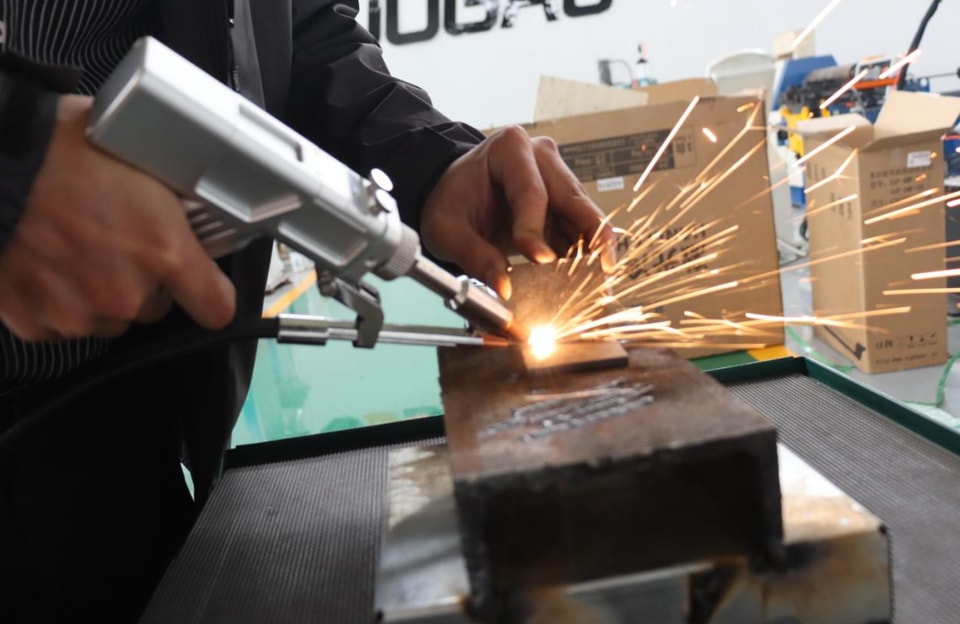 4 Common Methods for Inspecting Weld Quality
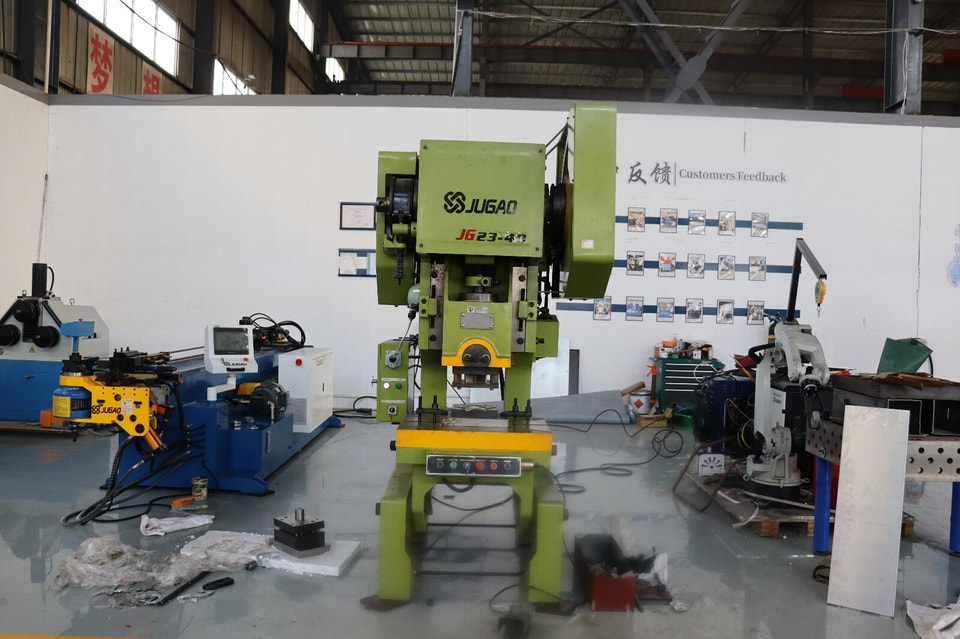 Selecting the Top Punching Machines for Small Workshops & Heavy Industry
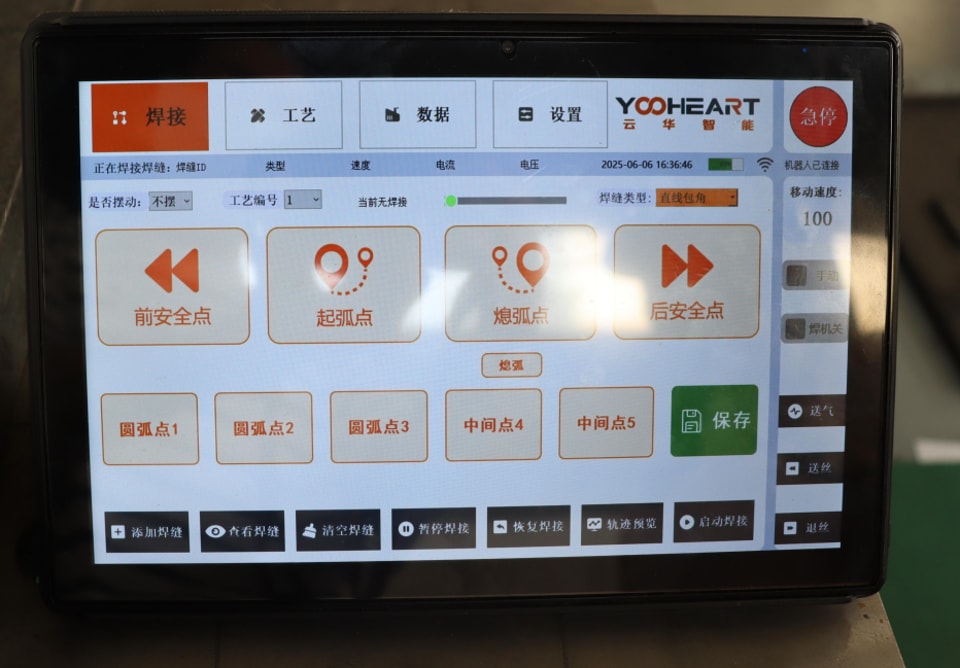 How do you set the welding path for a robotic laser welding machine? Can it perform precise welding on complex workpieces?
 Essential Considerations Before Purchasing a Punching Machine
Engineering review
Send a drawing.
Get an engineer.
Standard selections answered within 4 hours. Parts outside the rules get a written process review within 24 hours.
- Part drawing: DXF, DWG, STEP or PDF
- Material and thickness
- Longest bend or cut length
- Yearly volume
Write to info@ntjugao.com or message the factory on WhatsApp +86 132 2211 1178.
Drawings (DXF, DWG, STEP, PDF): attach them to an email to info@ntjugao.com, quoting your name.