 Get a quote
Resources
Beyond price, what key parameters should you consider when purchasing welding equipment?
In the manufacturing landscape, welding equipment serves as a critical joining tool; its performance directly dictates both product quality and production efficiency. While price is often the first factor that catches the eye when a company sets out to procure such equipment, there are numerous underlying parameters that determine its suitability and long-term value. Overlooking these factors—even when opting for a lower-priced machine—can lead to operational challenges, including poor efficiency, inconsistent quality, and rising costs. A thorough analysis of these key parameters is essential for businesses to make precise equipment selections, ultimately driving cost reductions and enhancing efficiency.
1. Welding Power: The Foundation of Capacity and Efficiency
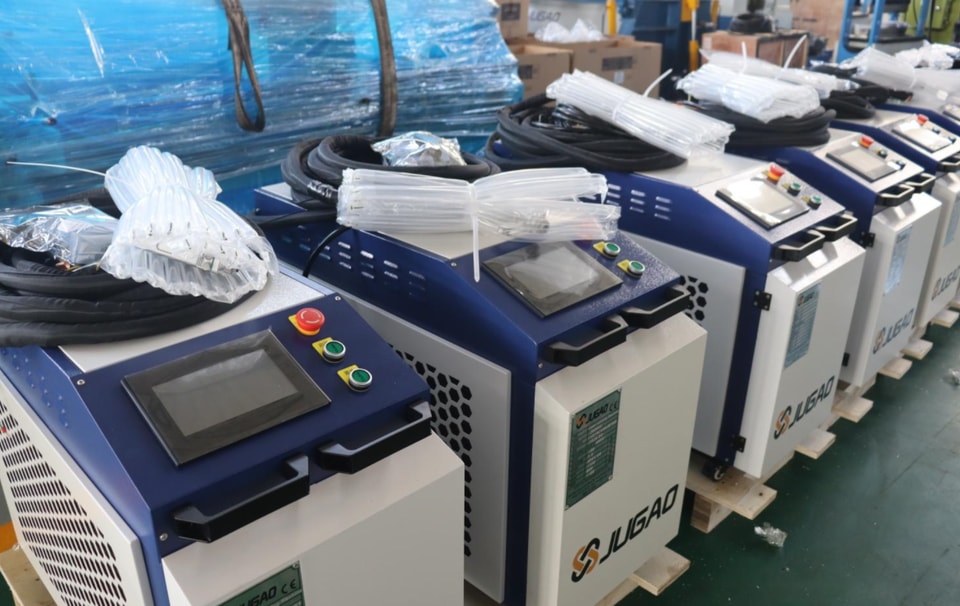
Welding power acts as the "engine" of welding equipment, directly influencing both welding speed and penetration depth. Take laser welding machines, for instance: a high-power laser beam can release immense energy in an instant, rapidly melting or vaporizing metal to achieve highly efficient welds. In automotive manufacturing, when welding large components like vehicle body frames, high-power (kilowatt-class) laser welders can drastically reduce processing time—completing several meters of weld seams per minute—thereby significantly boosting production efficiency. For spot welders, power determines the speed and strength with which a weld nugget is formed. For companies with large-scale production and heavy welding workloads, selecting equipment with the appropriate power level ensures high output; conversely, insufficient power leads to slow welding speeds and inadequate penetration, which compromises both product quality and production capacity.
2. Welding Precision: Ensuring High-Quality, Detailed Work
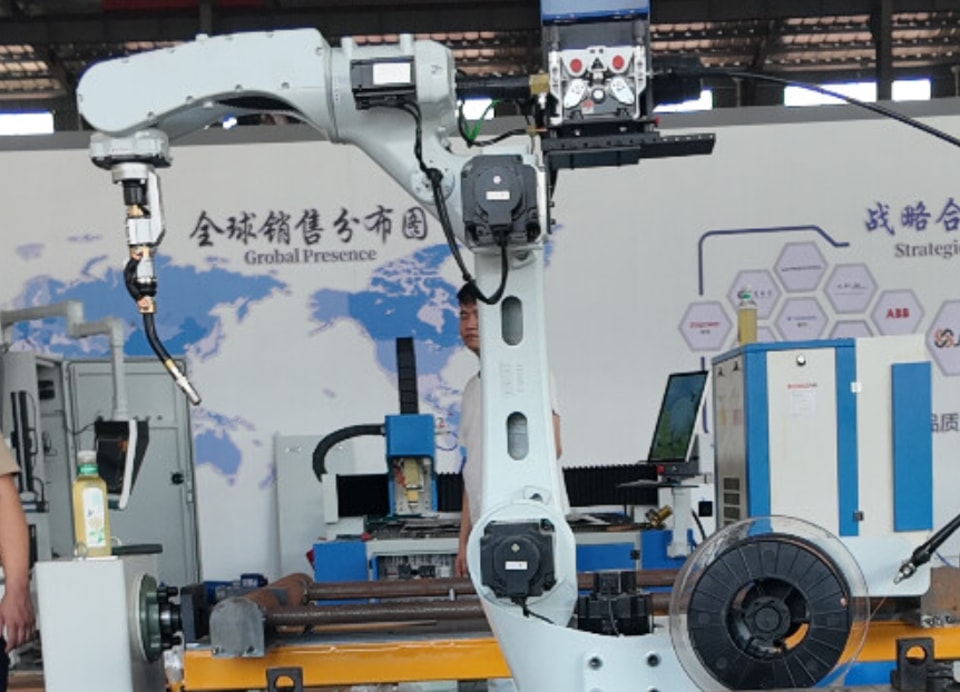
In precision manufacturing sectors—such as the production of 3C electronics, medical devices, and aerospace components—welding precision is a core metric for evaluating equipment performance. Laser welding machines excel in this regard, thanks to their high energy density and the ability to focus the laser spot down to the micron level. Robotic laser welding systems, equipped with advanced motion control, high-precision sensors, and intelligent algorithms, can accurately track and weld complex seam geometries. In the production of aero-engine blades, for example, the ability to precisely control the welding path ensures uniform, aesthetically consistent weld seams that meet the rigorous quality standards required for aerospace components. Insufficient welding precision can lead to a lower product yield, increased rework costs, and may even compromise the overall performance and safety of the product.
3. Welding Speed: A Regulator of Production Pace
Welding speed is directly linked to a company’s production efficiency and cost control. Different types of welding equipment offer significantly different welding speeds. On automotive component assembly lines, robotic laser welding machines can achieve speeds of tens of millimeters per second, enabling the rapid welding of complex parts and drastically shortening the production cycle for individual products. In contrast, traditional manual arc welding—limited by human operating speed and the frequency at which electrodes must be replaced—is relatively slow, typically completing only a few centimeters of weld seam per minute. In large-scale production, higher welding speeds translate to increased capacity and reduced labor costs. Companies should select welding equipment that aligns with their specific production scale and pace to ensure a smooth, highly efficient manufacturing process.
4. Welding Material Compatibility: Adapting to Diverse Requirements
Manufacturing involves a wide array of welding materials—ranging from common carbon steel and stainless steel to specialized materials like aluminum and titanium alloys, as well as the joining of dissimilar materials—all of which pose challenges for equipment compatibility. Resistance spot welding equipment excels when joining metal sheets such as carbon steel or stainless steel, utilizing pressure and electrical current applied via electrodes to create a bond through resistance heating. However, when dealing with materials like aluminum alloys—which possess high thermal conductivity and high reflectivity—resistance spot welding often struggles, leading to issues such as weak joints or electrode sticking. In such cases, laser welding machines—with their unique method of energy delivery—can effectively overcome these obstacles to produce high-quality welds. Joining dissimilar materials, such as copper and aluminum, requires equipment with precise energy control and process adaptability to ensure a sound metallurgical bond between the two materials. When selecting equipment, companies must carefully consider the types of materials used in their products and opt for systems capable of handling a variety of materials, thereby enhancing the versatility and utility of the equipment.
5. Heat-Affected Zone (HAZ) Size: Safeguarding Material Properties
During the welding process, the size of the heat-affected zone (HAZ) directly influences the material's properties and the degree of deformation in the workpiece. In applications involving thin-sheet welding, the joining of precision components, or scenarios with stringent material performance requirements, controlling the heat-affected zone (HAZ) is of critical importance. Laser welding machines, characterized by their high energy density and concentrated heating, can restrict the HAZ to an extremely small area—often less than 0.1 millimeters. When welding the ultra-thin metal enclosures of electronic devices, for instance, laser welding creates a robust joint while minimizing thermal impact on the surrounding material. This prevents deformation of the enclosure, ensuring that both the product's appearance and performance remain uncompromised. In contrast, traditional arc welding—which involves more dispersed heat—results in a larger HAZ. This can alter the material's microstructure and properties, or cause workpiece deformation, often necessitating additional post-processing steps such as reshaping or heat treatment, which in turn increases both production costs and lead times. When welding heat-sensitive materials or precision structural components, selecting equipment that minimizes the HAZ is essential for guaranteeing product quality.
6. Equipment Stability and Reliability: The Cornerstone of Continuous Production
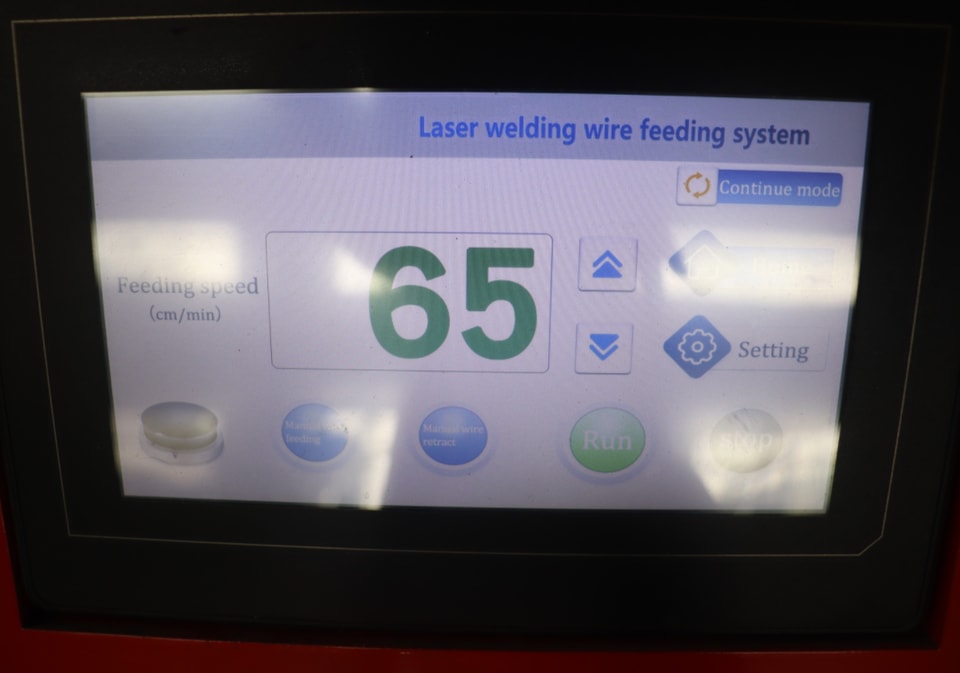
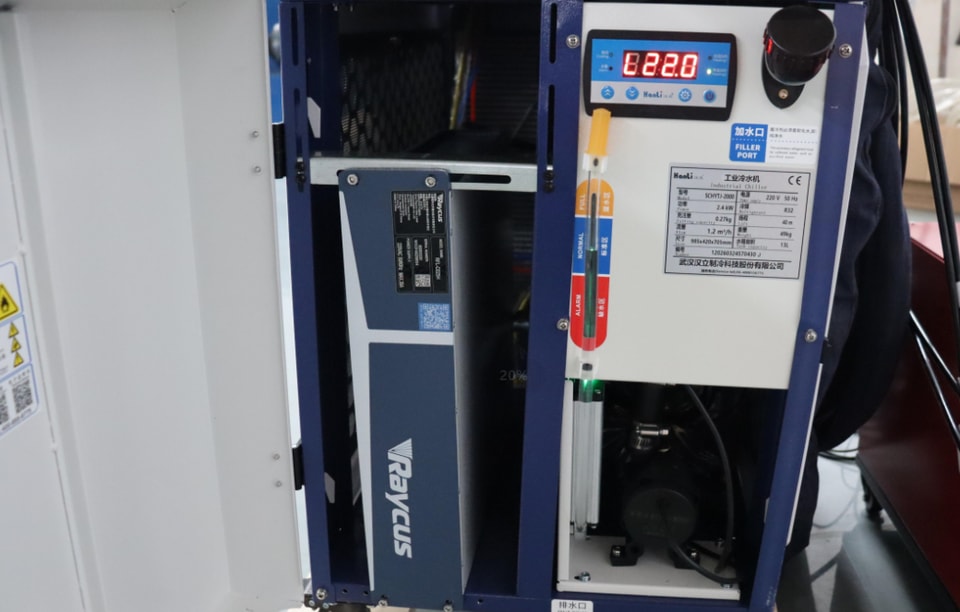
In industrial manufacturing, the stability and reliability of equipment serve as the foundation for maintaining continuous production. Welding equipment that lacks stability—prone to frequent breakdowns and downtime—not only disrupts production workflows and delays order fulfillment but also drives up maintenance costs and accelerates equipment wear. In automated welding production lines, for example, robotic laser welding systems must operate under high loads for extended periods. A stable laser source, a reliable motion control system, and precise parameter adjustment mechanisms are vital to ensuring that the equipment continues to function efficiently. Stability and reliability are influenced by various factors, including the quality of core components, the precision of manufacturing processes, and the effectiveness of the equipment’s thermal management and protective design. Enterprises should opt for well-regarded, market-proven brands; such equipment generally offers greater assurance in terms of stability and reliability, providing a solid foundation for long-term production operations.
7. Level of Automation: A Catalyst for Intelligent Manufacturing
As the wave of intelligent manufacturing sweeps through the industrial sector, the level of automation in welding equipment has become a key indicator of its sophistication and competitiveness. Robotic laser welding systems integrate robotics with laser welding technology, enabling highly automated operations. Through pre-programmed instructions, robots can precisely control laser welding heads to weld workpieces of various complex shapes and positions, eliminating the need for real-time manual intervention. In large-scale manufacturing sectors—such as automotive production and aerospace—automated welding equipment can operate 24 hours a day without interruption, significantly boosting production efficiency and reducing labor costs. Furthermore, these automated systems are equipped with real-time monitoring and feedback mechanisms that continuously track and adjust welding parameters and quality, ensuring consistent and stable weld integrity. For enterprises aiming to undergo an intelligent transformation and enhance both production efficiency and quality, highly automated welding equipment is undoubtedly an ideal choice.
Related
Keep
reading.
 Comparison of Laser Welding Results and Application Scenarios Across Different Materials
 How to Choose Between Air-Cooled and Water-Cooled Laser Welding Systems
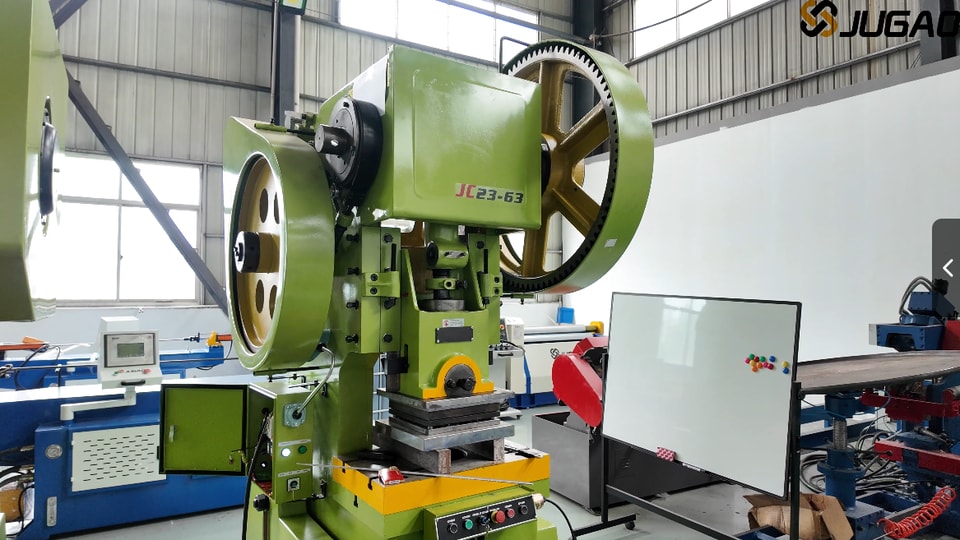 Understanding Punching Machines: Principles, Types, and Selection
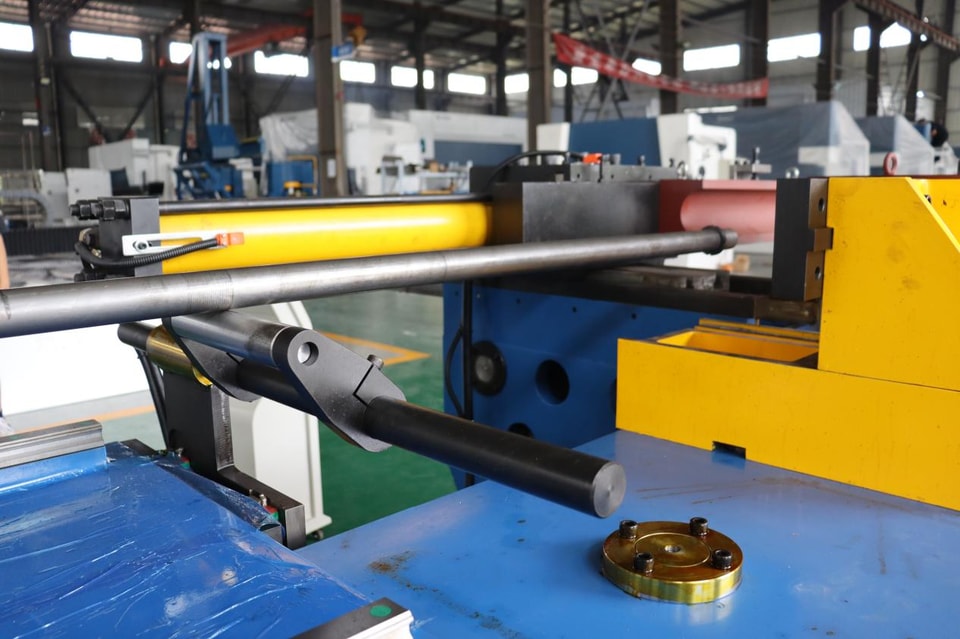 How can one effectively follow the installation guidelines for a pipe-bending machine?
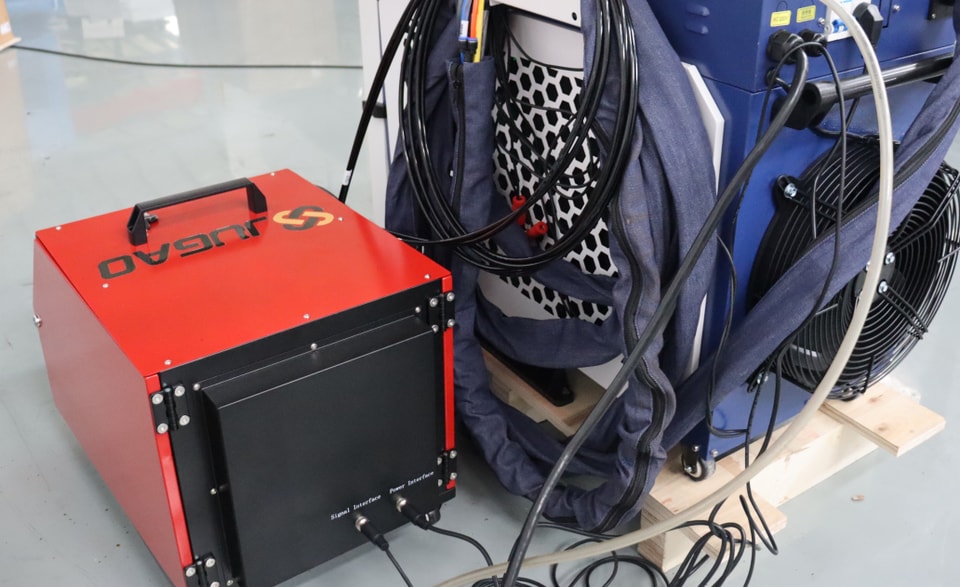 For which types of products is an automatic wire-feeding laser welding machine suitable?
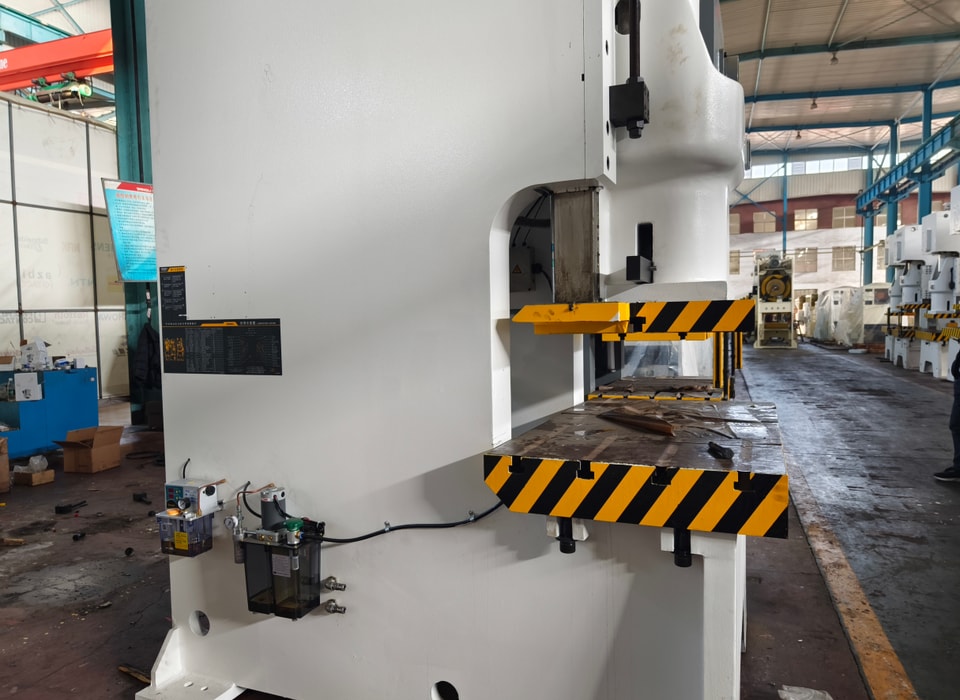 What Are the Latest Punching Machine Trends and Technological Breakthroughs?
 What Triggers Punching Machine Noise and How Can You Quieten It?
 What factors influence the replacement cycle of wear parts in a pipe-bending machine?
 4 Common Methods for Inspecting Weld Quality
 Selecting the Top Punching Machines for Small Workshops & Heavy Industry
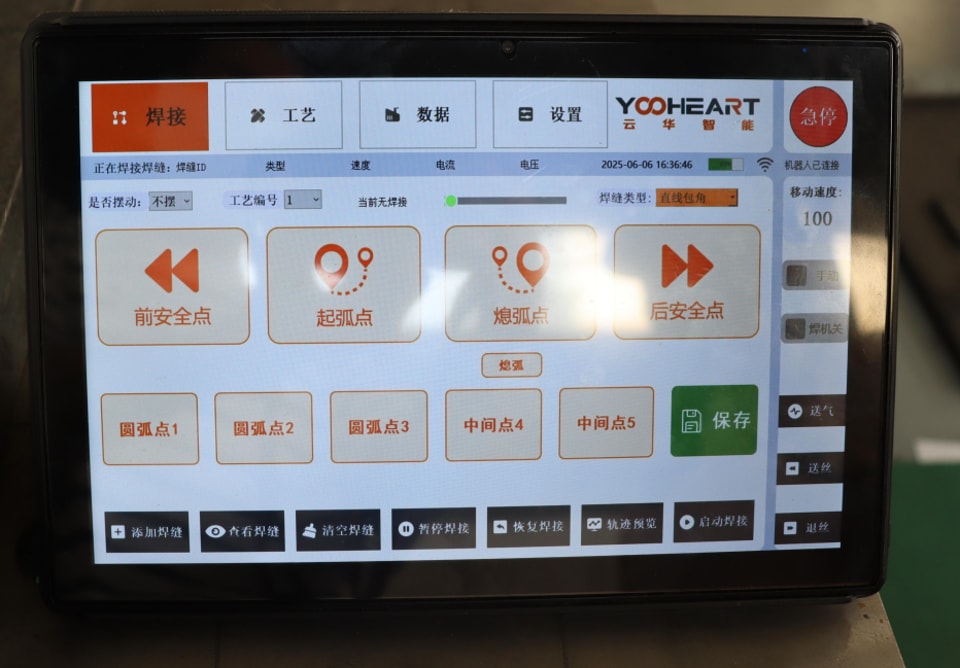 How do you set the welding path for a robotic laser welding machine? Can it perform precise welding on complex workpieces?
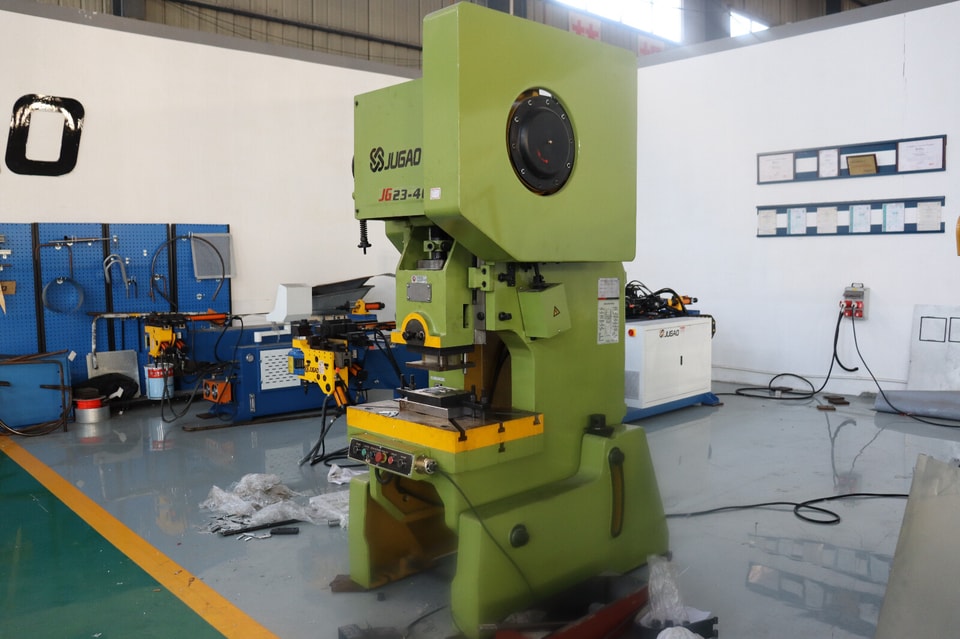 Essential Considerations Before Purchasing a Punching Machine
Engineering review
Send a drawing.
Get an engineer.
Standard selections answered within 4 hours. Parts outside the rules get a written process review within 24 hours.
- Part drawing: DXF, DWG, STEP or PDF
- Material and thickness
- Longest bend or cut length
- Yearly volume
Write to info@ntjugao.com or message the factory on WhatsApp +86 132 2211 1178.
Drawings (DXF, DWG, STEP, PDF): attach them to an email to info@ntjugao.com, quoting your name.