 Get a quote
Resources
Comparison of Laser Welding Results and Application Scenarios Across Different Materials
Laser welding is characterized by concentrated energy, high welding speeds, and a relatively small heat-affected zone. It is widely used in sectors such as hardware processing, sheet metal fabrication, automotive components, home appliance manufacturing, new energy, and the production of precision metal parts. As manufacturing enterprises increasingly demand higher welding efficiency, superior product aesthetics, and greater processing precision, more companies are turning their attention to laser welding equipment.
However, laser welding cannot be performed using the same process parameters for all types of metal. Materials differ in terms of laser absorption rates, thermal conductivity, melting points, surface conditions, and susceptibility to thermal deformation; consequently, even when using the same laser welding machine, the welding results can vary significantly.
So, what are the appropriate laser welding processes for common materials such as stainless steel, carbon steel, galvanized sheet, aluminum alloys, and copper? How do the welding results differ between these materials? And how should enterprises go about selecting the right laser welding equipment?
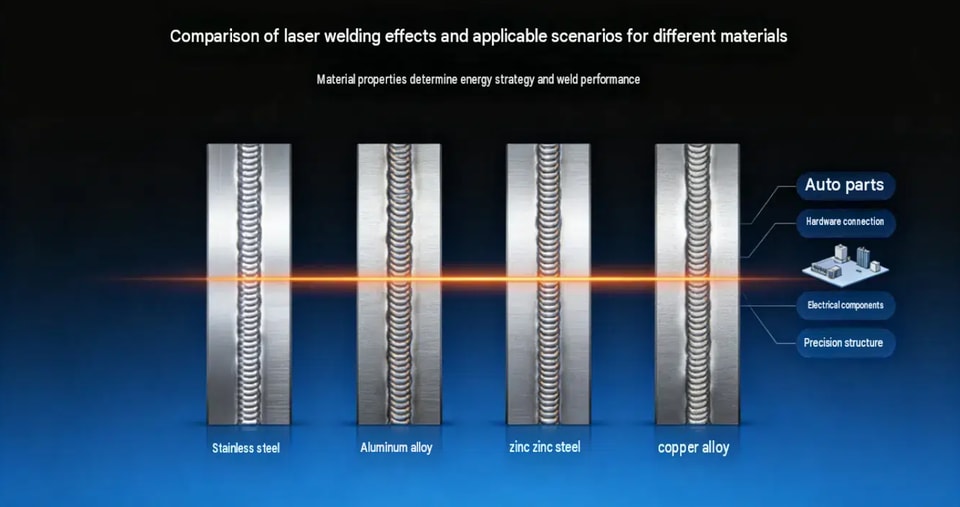
This article examines material characteristics, welding outcomes, common challenges, and practical application scenarios to help enterprises evaluate laser welding solutions more effectively.
I. How Do Laser Welding Results Differ Across Various Metal Materials?
The fundamental principle of laser welding involves using a laser beam to locally heat materials until they melt, creating a weld joint through the formation of a molten pool. Welding quality depends not only on laser power but also on factors such as material properties, sheet thickness, joint configuration, welding speed, focal position, and the use of shielding gas.
Laser welding performance varies depending on the material. The characteristics of several common materials are outlined below.
Material type | Characteristics of Laser Welding | Common Welding Challenges | Typical Application Scenarios |
stainless steel | Generally offers excellent adaptability, with controllable weld bead formation. | Discoloration, deformation, surface quality requirements, and weld bead formation control | Kitchenware, hardware products, medical devices, equipment enclosures |
carbon steel | Versatile process, suitable for welding a wide range of sheet materials and structural components. | Spatter, burn-through, deformation, and joint gap issues | Sheet metal parts, chassis and cabinets, automotive components |
galvanized sheet | Can be used for certain galvanized steel sheets, though the impact of the zinc coating must be carefully managed. | Porosity, spatter, and weld stability issues caused by zinc vapor | Electrical cabinets, sheet metal for home appliances, ventilation equipment |
Aluminum alloy | Well-suited for high-speed welding of various lightweight structural components. | High reflectivity, rapid thermal conduction, and risks of hot cracking and porosity | New energy components, automotive parts, aluminum structural components |
Copper and copper alloys | Applicable to certain conductive parts and copper alloy products. | Low laser absorption, rapid thermal conduction, and difficulty in controlling the molten pool | Electrical connectors, conductive components, various electronic parts |
The above are general characteristics; actual welding results must be verified by taking into account the specific grade, plate thickness, surface condition, joint configuration, and quality standards.
II. Stainless steel laser welding: suitable for products that focus on weld appearance and fine processing
Stainless steel is one of the more common materials in laser welding and is widely used in products such as hardware products, kitchen equipment, food processing equipment, medical equipment, and industrial equipment casings.
When the material and process are properly matched, laser welding can form a relatively uniform weld and reduce the thermal deformation of some workpieces through relatively concentrated heat input.
Main advantages of laser welding of stainless steel
1. The weld seam is well formed. For joints suitable for laser welding, by reasonably controlling the parameters, a relatively uniform weld can be obtained, which can meet the appearance requirements of many metal products.
2. The heat affected area is relatively small. Compared with some welding methods with large heat input, the heat of laser welding is concentrated in a smaller area, which is beneficial to controlling the thermal deformation of thin plate workpieces, but it does not mean that there will be no deformation at all.
3. Suitable for a variety of stainless steel products. For stainless steel plates, pipe fittings, brackets and equipment shells, you can choose a handheld laser welding machine, an automatic wire feeding laser welding machine or an automated laser welding workstation according to the workpiece structure.
Common application scenarios
Stainless steel kitchenware and metal home products;
Stainless steel chassis, cabinets and equipment enclosures;
Industrial equipment metal structural parts;
Some medical devices and precision metal parts;
Stainless steel brackets, fittings and connecting structures.
What should we pay attention to when laser welding stainless steel?
Stainless steel welding does not only focus on the appearance of the weld, but also needs to control the weld strength, surface discoloration, oxidation and corrosion resistance according to product requirements.
If the product has high requirements on appearance, the welding parameters, shielding gas, welding direction and workpiece assembly clearance should be evaluated mainly. For products with special corrosion resistance or hygiene requirements, process verification is also required according to specific standards.

III、. Carbon steel laser welding: suitable for sheet metal processing and metal structural parts production
Carbon steel is widely used in sheet metal processing, chassis cabinets, auto parts, mechanical equipment and various hardware products. For carbon steel workpieces suitable for laser welding, laser welding can take into account both processing efficiency and weld quality.
Characteristics of carbon steel laser welding
1. Wide range of applications. From thin sheet metal parts to some thicker structural parts, the corresponding laser welding process can be evaluated based on the plate thickness, joint form and welding requirements.
2. Suitable for batch processing. For products with stable workpiece specifications and fixed welding seam positions, the production rhythm and welding consistency can be improved through tooling fixtures or automated workstations.
3. Helps control thermal deformation. Under suitable process conditions, more concentrated heat input is beneficial to controlling the deformation of some sheet metal parts, but the final effect still depends on the workpiece structure and welding sequence.
Common application scenarios
Sheet metal shells and chassis cabinets;
Automotive metal brackets and structural parts;
Mechanical equipment parts;
Metal stamping parts and metal connectors;
Partial steel pipe and frame structure.
Frequently Asked Questions about Carbon Steel Laser Welding
If the welding parameters do not match the plate thickness, problems such as spatter, burn-through, lack of fusion or poor weld formation may occur. Excessive gap between workpieces, unstable positioning or oil stains on the surface will also affect the welding quality.
Therefore, carbon steel laser welding requires a comprehensive evaluation of laser power, welding speed, focus position, joint form and assembly accuracy. For workpieces with gap changes, it should also be judged whether it is necessary to adopt a wire feeding process or optimize the fixture design.
IV. Laser Welding of Galvanized Steel: Managing the Impact of the Zinc Layer and Ensuring Welding Stability
Galvanized steel is commonly used in electrical enclosures, home appliance casings, ventilation equipment, air conditioning structural components, and various sheet metal products. Because the steel surface is coated with a layer of zinc, special attention must be paid to how this coating affects the stability of the molten pool during laser welding.
Key Challenges in Laser Welding Galvanized Steel
The boiling point of zinc is lower than the melting point of steel. When the zinc layer in the weld zone vaporizes due to heat, the resulting zinc vapor—if not allowed to escape—can disrupt the formation of the molten pool, leading to issues such as porosity, spatter, or unstable weld bead formation.
Furthermore, factors such as coating thickness, surface condition, the gap between the sheets, and the specific welding method employed can all influence the final welding results.
How to Improve Laser Welding Results for Galvanized Steel
1. Control workpiece gaps and assembly precision. Proper joint design helps stabilize the welding process; however, specific gap requirements should be determined through process testing.
2. Optimize welding parameters. Adjust power, welding speed, and focal position based on material thickness and joint configuration to minimize unnecessary heat input while ensuring sufficient fusion.
3. Evaluate welding methods. For certain galvanized steel products, it is worth comparing the suitability of different welding paths, joint structures, or wire-feeding techniques.
4. Prioritize ventilation and safety. Welding galvanized steel can generate zinc-containing fumes. Appropriate local exhaust ventilation systems should be installed based on operating conditions, and necessary occupational health and safety measures must be implemented.
Common Applications
Electrical control cabinets and power distribution boxes;
Sheet metal components for air conditioning, ventilation, and HVAC systems;
Metal casings for home appliances;
Galvanized steel brackets;
Sheet metal parts for automotive and industrial equipment.
When dealing with galvanized steel, one cannot determine the feasibility of laser welding based solely on the material name. It is recommended to perform test welds using the actual material, with a focus on checking for porosity, spatter, weld strength, and surface appearance.
V. Laser Welding of Aluminum Alloys: Ideal for Lightweight Metal Structures
Aluminum alloys are characterized by their low weight and high thermal conductivity, making them widely used in sectors such as automotive manufacturing, new energy, transportation, and industrial structural components. Laser welding can be used to join certain aluminum alloy components, though it typically demands more rigorous process control than many common steel applications.
Characteristics of Laser Welding for Aluminum Alloys
1. Suitable for certain lightweight structural components. For compatible aluminum alloy sheets and structural parts, laser welding offers high processing efficiency and facilitates automated production.
2. Rapid heat conduction. Aluminum alloys possess high thermal conductivity, causing heat to dissipate quickly; therefore, laser power, welding speed, and joint design must be carefully balanced.
3. Importance of material grade. Welding performance varies by aluminum alloy grade; some materials or joint configurations are more susceptible to issues such as hot cracking, porosity, or reduced joint strength.
Common Applications
Automotive aluminum alloy components;
Metal structural parts for new energy applications;
Aluminum alloy housings and frames;
Aluminum structural components for industrial equipment;
Aluminum alloy parts for transportation.
Considerations for Laser Welding Aluminum Alloys
Factors such as the material's absorption of specific laser wavelengths, the presence of surface oxide films, the specific alloy grade, and assembly gaps can all affect welding stability. Inadequate process parameters may lead to defects like porosity, hot cracking, lack of fusion, or deformation.
For high-specification products, the appropriate process should be determined through testing on actual workpieces. This involves a comprehensive evaluation that considers joint design, shielding gas, material cleanliness, and post-weld inspection requirements.
VI. Laser Welding of Copper and Copper Alloys: Suitable for Certain Conductive Components
Copper and its alloys are widely used in electrical connections, conductive components, electronic parts, and various industrial products. Due to copper’s high electrical and thermal conductivity—combined with its relatively low absorption rate for standard near-infrared laser wavelengths at room temperature—laser welding these materials requires particularly stringent process control.
Key Challenges in Laser Welding Copper
1. Laser absorption characteristics affect process stability. Copper has a low initial absorption rate for many common laser wavelengths. Furthermore, as the material’s state changes during the welding process, its energy absorption can fluctuate, making the control of the molten pool more challenging.
2. Rapid heat dissipation. The high thermal conductivity of copper accelerates heat transfer; therefore, factors such as power, welding speed, and joint design must be considered collectively.
3. Quality requirements may be stringent. For conductive connectors, in addition to the appearance of the weld seam, one must also focus on joint strength, electrical resistance, and long-term performance.
Common Application Scenarios
Copper electrical connectors;
Various conductive components;
Metal parts for electronics and electrical equipment;
Specific industrial copper alloy products.
Not all copper and copper alloy applications are suitable for the same laser equipment and processes. Specific solutions must be evaluated based on the material grade, thickness, joint configuration, welding quality requirements, and the characteristics of the laser source.
VII. How to Select Equipment for Laser Welding Different Materials?
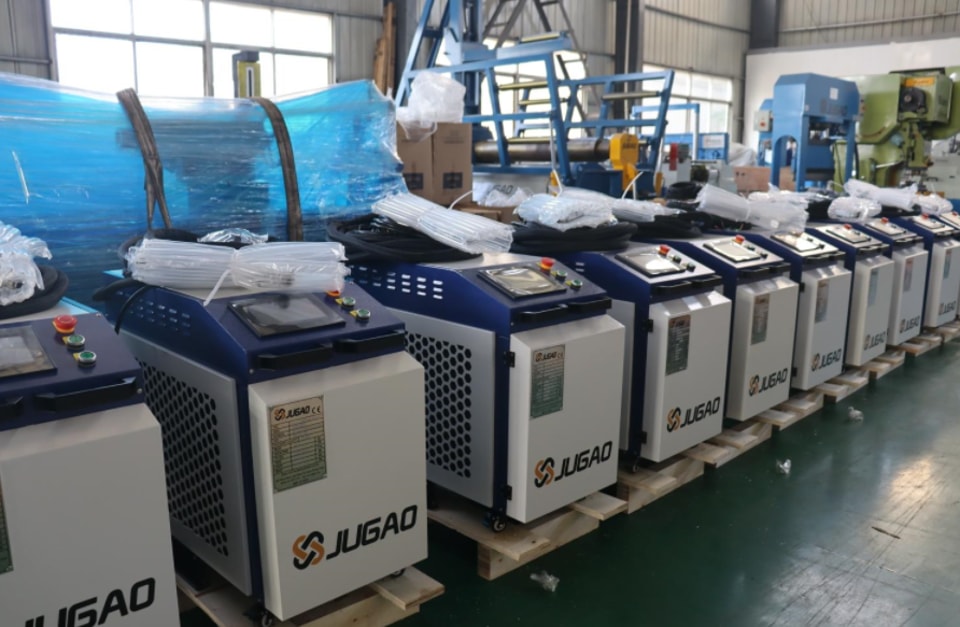
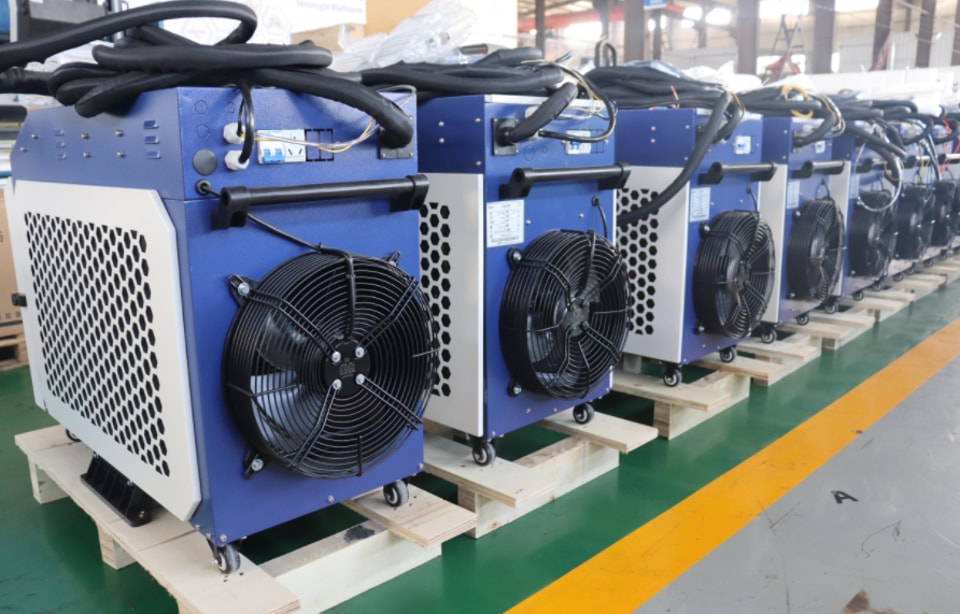
Once the differences between materials are understood, enterprises must select equipment based on product structure, production volume, and welding requirements. Common laser welding equipment includes handheld laser welders, laser welders with automatic wire feeding, platform-based laser welders, galvanometer-based (scanner) laser welders, and robotic laser welding workstations.
1. Handheld Laser Welders
Handheld laser welders are suitable for applications requiring operational flexibility, where weld locations vary frequently, or where there is a wide variety of product specifications.
For compatible workpieces—such as stainless steel, carbon steel, and certain other metals—the appropriate equipment can be selected based on plate thickness, joint type, and appearance requirements. If there are significant gaps between workpieces or if filler metal is required, the use of an automatic wire-feeding system should also be evaluated.
2. Laser Welders with Automatic Wire Feeding
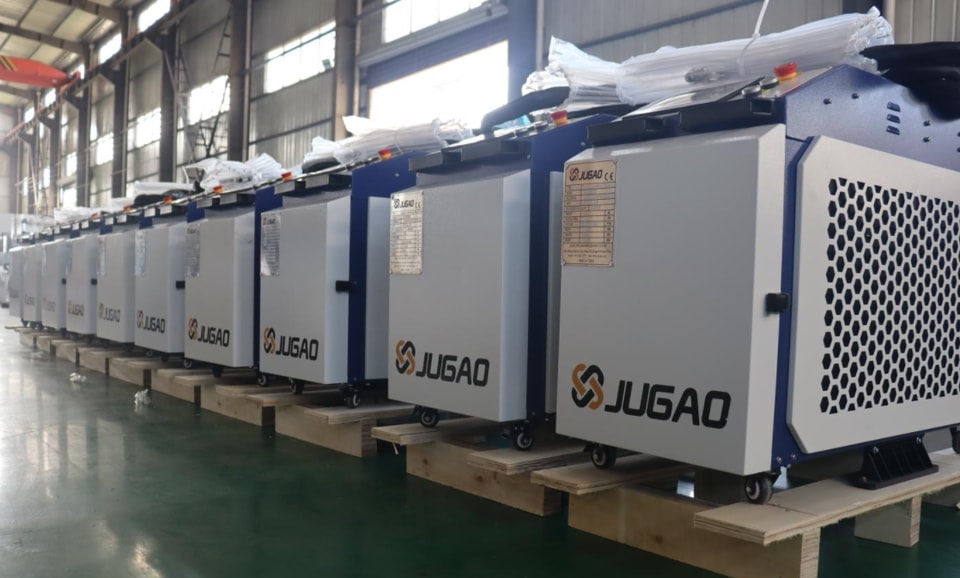
When workpiece joints have gaps, require filler wire, or demand specific weld bead profiles, a laser welder with automatic wire feeding should be considered.
Wire-feed speed, wire material, wire diameter, and laser parameters must be matched to the workpiece material and the welding process; these should be verified through practical testing.
3. Platform-based Laser Welders
For products with relatively fixed dimensions, clearly defined weld locations, and high requirements for welding repeatability, platform-based laser welding equipment is a suitable choice.
Through proper fixture positioning and motion control, such systems enhance operational consistency during mass production. The specific suitability should be assessed based on workpiece dimensions, weld trajectories, and production cycle time requirements. 4. Galvanometer-Based Laser Welding Machine
A galvanometer-based laser welding machine controls the movement of the laser beam via a scanning system. It is well-suited for applications that require high-speed scanning or processing along specific, complex paths.
For small metal components, parts with regular weld seams, or products otherwise compatible with galvanometer-based processing, the suitability of this technology can be evaluated based on factors such as weld seam dimensions, the required processing area, material properties, and quality standards.
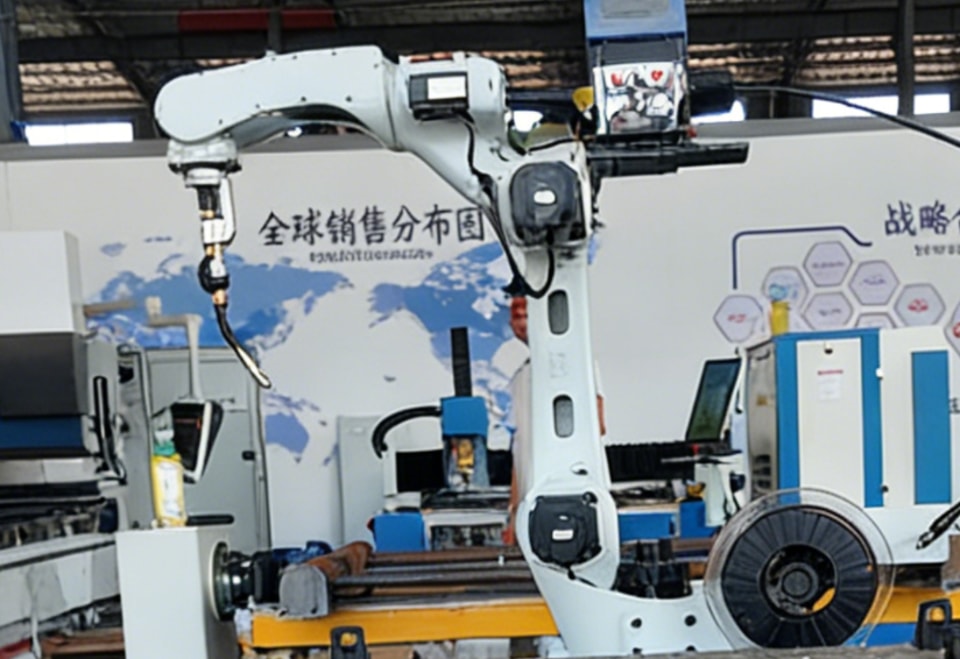
5. Robotic Laser Welding Workstation
A robotic laser welding workstation is an appropriate choice for workpieces with complex structures, multiple weld locations, or high-volume production requirements—especially when integration with loading/unloading systems, positioning fixtures, or other manufacturing processes is necessary.
Robotic solutions are ideal for standardized, repetitive production tasks. However, the planning process must account for equipment investment, workpiece positioning, path programming, safety measures, and long-term maintenance.
The key to selecting the right equipment lies not in simply pursuing higher laser power or a greater degree of automation, but in ensuring that the equipment’s capabilities are well-aligned with the material properties, required weld quality, and specific production needs.
Summary:
Laser welding of different materials requires a well-matched combination of processes and equipment.
Stainless steel is typically suitable for metal products where the appearance of the weld seam is a priority; carbon steel is widely used for sheet metal components and structural metal parts. When welding galvanized steel, it is essential to manage the risks of porosity and spatter caused by the vaporization of the zinc coating. For aluminum alloys, attention must be paid to issues such as thermal conductivity, porosity, and hot cracking. In the case of copper and copper alloys, the primary considerations are laser absorption characteristics and the ability to control the weld pool.
For manufacturing enterprises, the selection of a laser welding machine should be based on a comprehensive assessment—factoring in material grade, sheet thickness, joint configuration, required weld quality, production cycle time, and automation needs—rather than relying solely on the material type or laser power rating.
Related
Keep
reading.
 How to Choose Between Air-Cooled and Water-Cooled Laser Welding Systems
 Understanding Punching Machines: Principles, Types, and Selection
 How can one effectively follow the installation guidelines for a pipe-bending machine?
 For which types of products is an automatic wire-feeding laser welding machine suitable?
 What Are the Latest Punching Machine Trends and Technological Breakthroughs?
 What Triggers Punching Machine Noise and How Can You Quieten It?
 What factors influence the replacement cycle of wear parts in a pipe-bending machine?
 Beyond price, what key parameters should you consider when purchasing welding equipment?
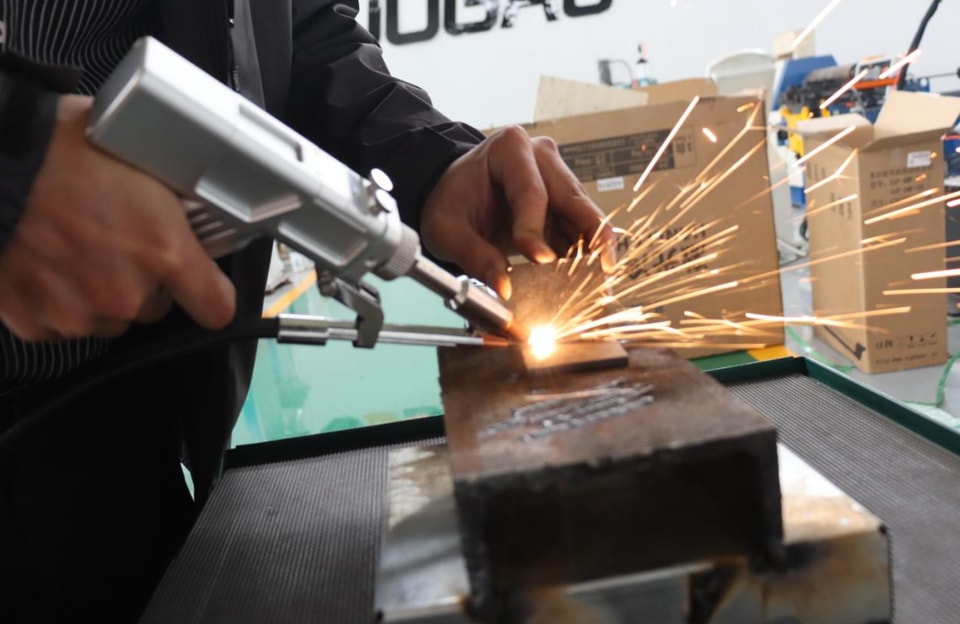 4 Common Methods for Inspecting Weld Quality
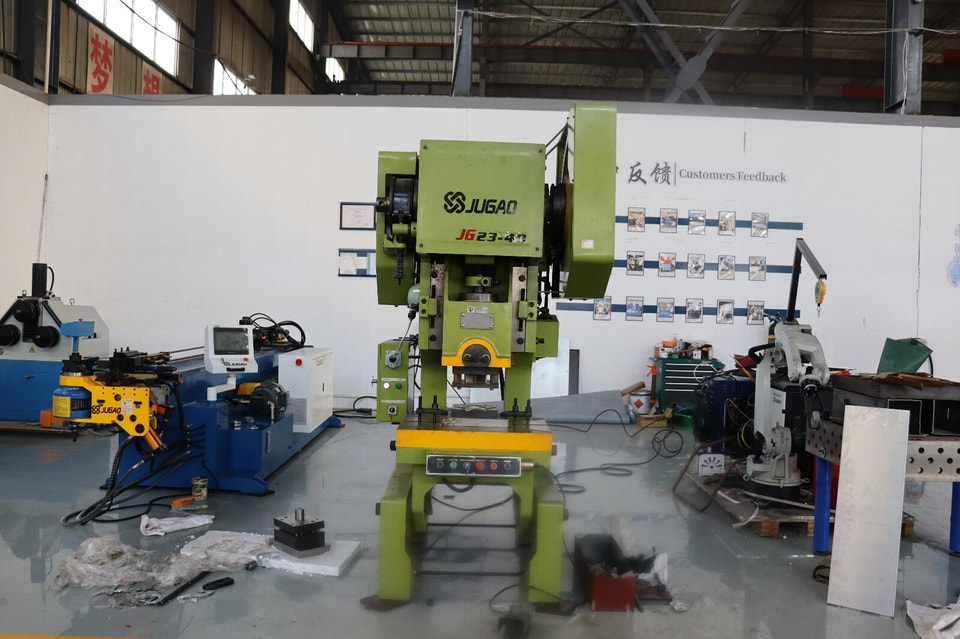 Selecting the Top Punching Machines for Small Workshops & Heavy Industry
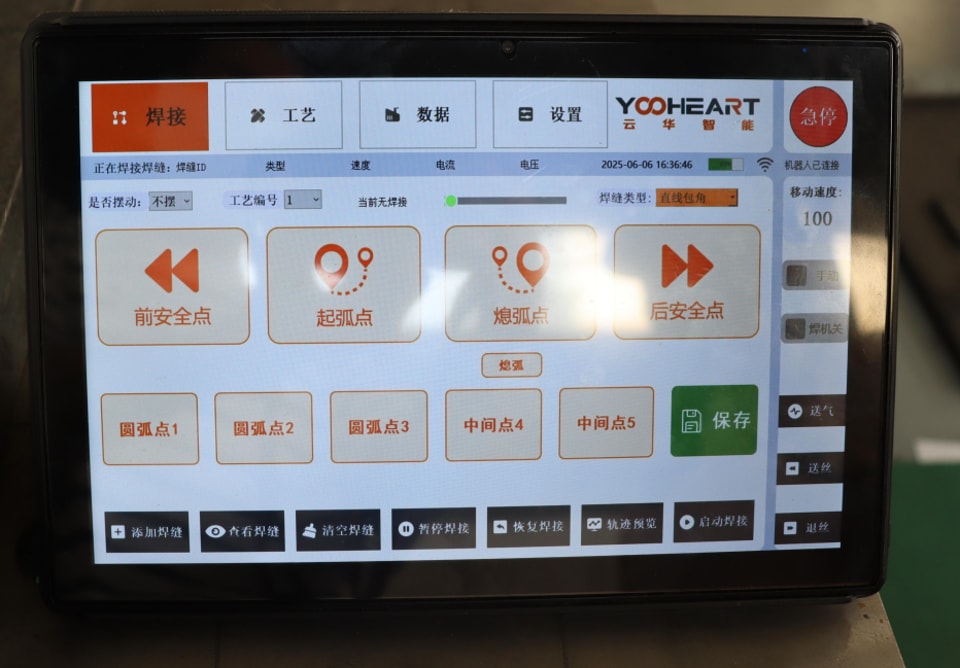 How do you set the welding path for a robotic laser welding machine? Can it perform precise welding on complex workpieces?
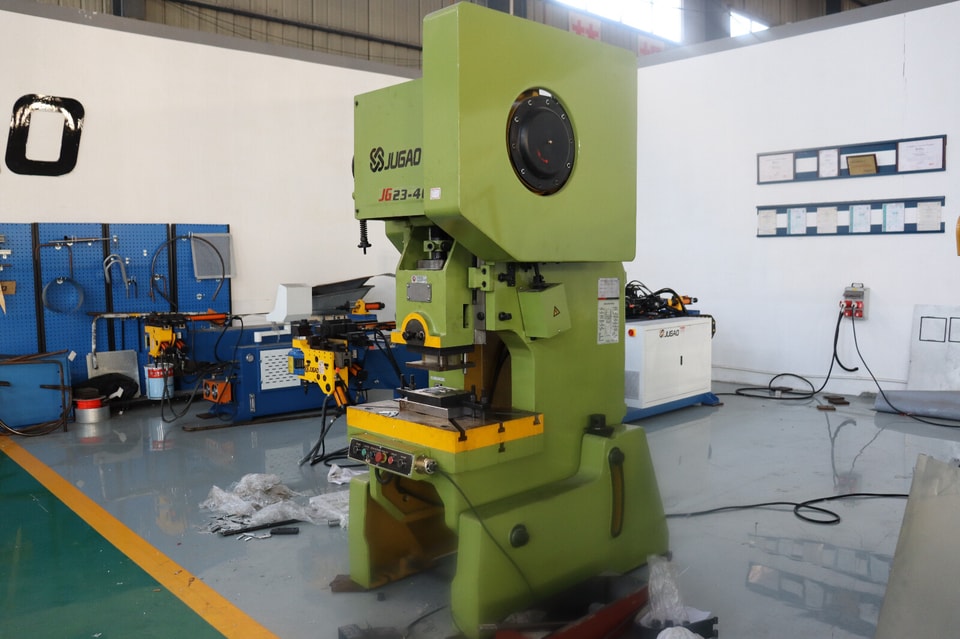 Essential Considerations Before Purchasing a Punching Machine
Engineering review
Send a drawing.
Get an engineer.
Standard selections answered within 4 hours. Parts outside the rules get a written process review within 24 hours.
- Part drawing: DXF, DWG, STEP or PDF
- Material and thickness
- Longest bend or cut length
- Yearly volume
Write to info@ntjugao.com or message the factory on WhatsApp +86 132 2211 1178.
Drawings (DXF, DWG, STEP, PDF): attach them to an email to info@ntjugao.com, quoting your name.