 Get a quote
Resources
Understanding the Environmental Footprint of Punching Machines
Table of Contents 1. Power Efficiency in Punch Press Operations • Assessing Electrical Demand Across Drive Types • Adopting Power-Conserving Shop Practices 2. Scrap Output and Raw Material Stewardship • Cutting Down Sheet Metal Offcuts • Scrap Recovery and Closed-Loop Recycling 3. Acoustic and Atmospheric Emissions • Controlling Shop-Floor Noise Levels • Safeguarding Indoor Air Quality 4. Low-Impact Engineering Innovations • All-Electric Servo Drive Punch Presses • Environmentally Responsible Lubrication Methods 5. Frequently Asked Questions (FAQ) • How can I lower the electricity draw of my punch press? • Which punching press architecture offers the smallest ecological footprint? • Do plant-based or biodegradable lubricants deliver reliable press performance? 6. Conclusion |
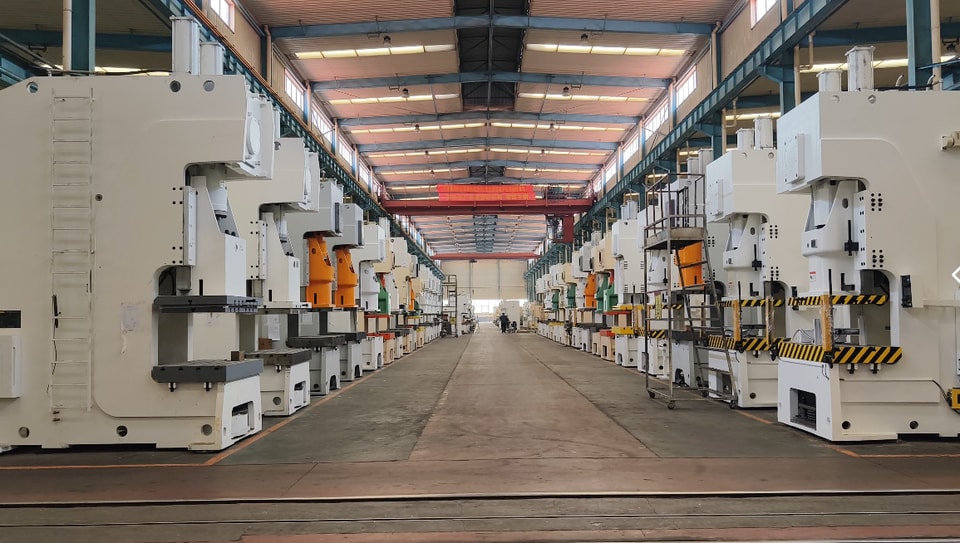
When evaluating sheet metal equipment for modern production facilities, recognizing how punching machinery interacts with the surrounding environment is an essential priority. Throughout this JUGAO technical overview, we examine the primary ecological factors tied to daily punch press operations—spanning electrical draw, metallic scrap generation, acoustic emissions, and airborne particulates. Understanding how machinery architecture influences these variables empowers fabricators to satisfy strict environmental regulations, trim operating expenses, and transition smoothly toward greener metalworking practices.
Power Efficiency in Punch Press Operations
Assessing Electrical Demand Across Drive Types
Electricity usage differs markedly across punch press designs, governed primarily by each machine's actuation mechanism. Conventional flywheel-driven mechanical presses generally draw less power than continuous-pump hydraulic systems, yet next-generation servo-electric units push efficiency far higher. For manufacturers aiming to shrink their facility's carbon footprint, JUGAO servo-electric punch presses present an optimal solution. By pairing direct-drive electric motors with closed-loop servo control, these presses supply power strictly during the active punching stroke and consume negligible electricity while standing by.
Adopting Power-Conserving Shop Practices
Alongside upgrading hardware, disciplined shop-floor routines can substantially curtail unnecessary electricity expenditure. Powering down idle presses during shift transitions, grouping compatible jobs into uninterrupted batch runs, and adhering to preventive maintenance schedules keep drive systems running at peak mechanical efficiency. Together, these straightforward habits curb kilowatt-hour consumption while lowering utility overhead.
Scrap Output and Raw Material Stewardship
Cutting Down Sheet Metal Offcuts
Every shearing and piercing operation produces slugs and skeleton offcuts, yet avoidable material waste unnecessarily inflates a factory's environmental burden. JUGAO application specialists advise deploying intelligent CAD/CAM nesting software to pack part geometries tightly across every sheet. Maximizing sheet yield conserves raw ore and smelting energy while directly reducing raw stock purchases and scrap-handling labor.
Scrap Recovery and Closed-Loop Recycling
A well-structured scrap sorting and recycling workflow further offsets the ecological impact of sheet metal punching. Returning clean steel, aluminum, and copper offcuts to smelters sharply decreases reliance on virgin mining and energy-intensive refining. Positioning clearly labeled collection hoppers near each press and training operators to separate alloys at the source keeps recycling streams uncontaminated and profitable.
Acoustic and Atmospheric Emissions
Controlling Shop-Floor Noise Levels
High-speed impact punching naturally generates elevated decibel levels that can fatigue operators and disturb neighboring workspaces. Contemporary JUGAO punch presses incorporate vibration-isolating frames and damped drive kinematics to quiet the shearing stroke. Specifying machines fitted with acoustic enclosures—and pairing them with sound-absorbing shop partitions and personal hearing protection—safeguards workforce well-being and ensures compliance with occupational noise standards.
Safeguarding Indoor Air Quality
During rapid punching cycles, atomized tooling lubricants and fine metallic dust can disperse into workshop air. Reliable exhaust ventilation and multi-stage mist filtration are vital for protecting operator respiratory health and meeting clean-air mandates. Selecting presses equipped with enclosed work zones or integrated fume-and-dust extraction ports prevents airborne residues from spreading across the facility.
Low-Impact Engineering Innovations
All-Electric Servo Drive Punch Presses
Servo-electric punching technology delivers transformative sustainability benefits through pinpoint ram control, minimal standby power draw, and low thermal output. Because these systems operate without pressurized hydraulic circuits, they completely eliminate waste hydraulic fluid, hose ruptures, and soil or groundwater contamination risks. Adopting JUGAO all-electric servo presses marks a decisive milestone toward clean, future-ready fabrication.
Environmentally Responsible Lubrication Methods
Switching to biodegradable formulations or minimum-quantity lubrication (MQL) units dramatically lowers chemical hazards on the shop floor. Plant-derived and water-soluble fluids break down safely without harming ecosystems if accidental drips occur, while still providing superior anti-galling protection for punches and dies. Integrating eco-certified lubricants reinforces your plant's commitment to responsible manufacturing.
JUGAO Green Manufacturing Highlight |
Frequently Asked Questions (FAQ)
Q: How can I lower the electricity draw of my punch press?
A: You can achieve major power savings by transitioning to servo-electric punch presses, shutting down equipment during extended pauses, keeping drive components properly lubricated and aligned, and consolidating batch schedules to minimize idle runtime.
Q: Which punching press architecture offers the smallest ecological footprint?
A: All-electric servo punch presses stand out as the cleanest choice thanks to their on-demand power consumption, zero hydraulic oil requirement, quieter acoustic profile, and reduced thermal emissions.
Q: Do plant-based or biodegradable lubricants deliver reliable press performance?
A: Yes. Modern vegetable-based and water-soluble punching fluids match conventional mineral oils in tool-life protection and surface finish while eliminating toxic disposal and environmental spill hazards.
Conclusion
Addressing the environmental footprint of punching machinery has become a cornerstone of competitive, sustainable sheet metal manufacturing. By pairing high-efficiency servo-electric presses with smart nesting, disciplined alloy recycling, acoustic and air filtration controls, and biodegradable lubricants, fabricators can protect the environment while strengthening bottom-line profitability. If you are planning an equipment upgrade or seeking tailored advice on eco-friendly metalworking solutions, contact the JUGAO engineering team—we are ready to support your transition to cleaner production.
Related
Keep
reading.
 How thick can a laser welding machine weld?
 The equipment suddenly stops working. What are the common faults? Can you troubleshoot it yourself?
 What equipment is best for welding stainless steel? Are there risks of weak welds or deformation?
 CNC Turret Punch Presses Explained: Architecture and Operation
 Key Factors Governing Optimal Punch Press Tonnage
 Comparison of Laser Welding Results and Application Scenarios Across Different Materials
 How to Choose Between Air-Cooled and Water-Cooled Laser Welding Systems
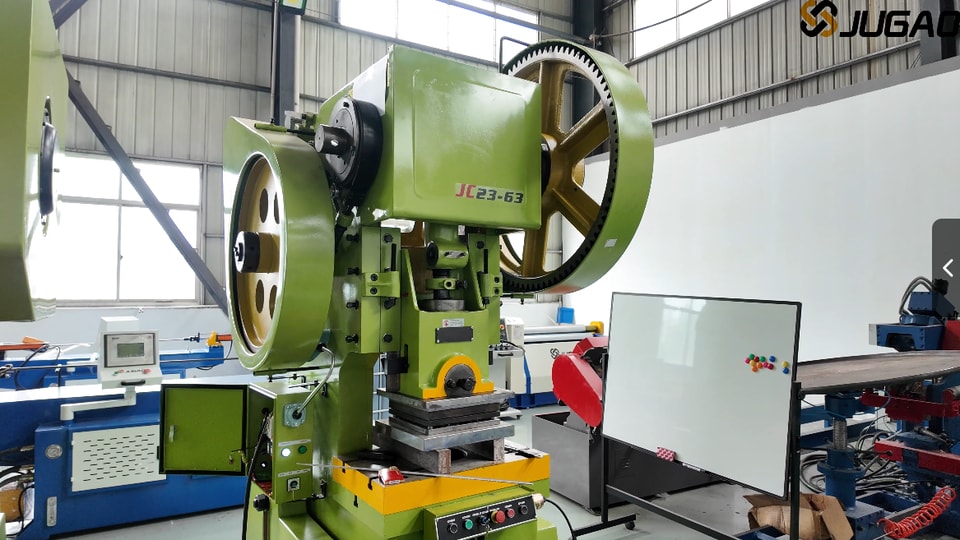 Understanding Punching Machines: Principles, Types, and Selection
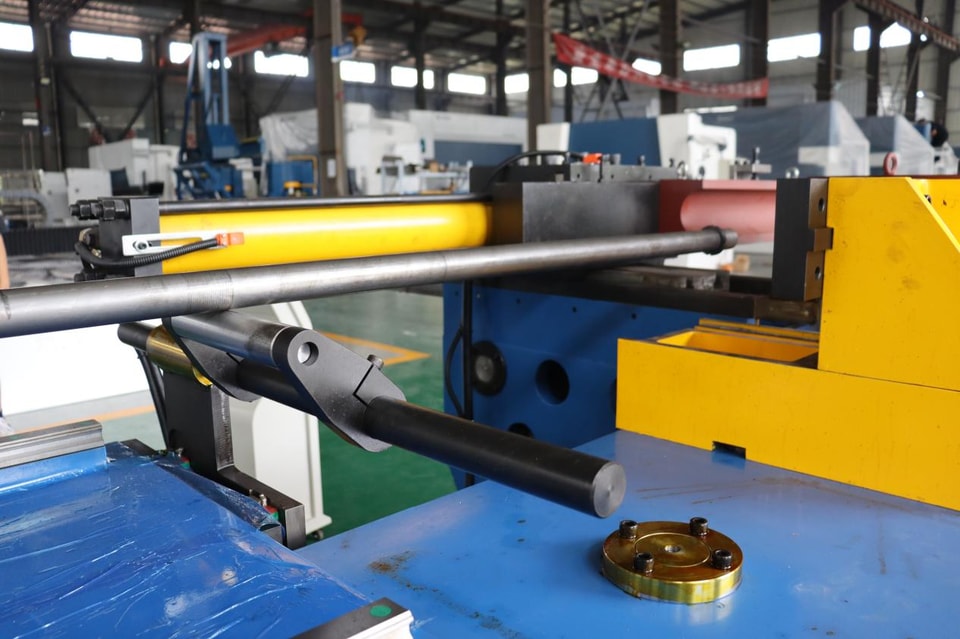 How can one effectively follow the installation guidelines for a pipe-bending machine?
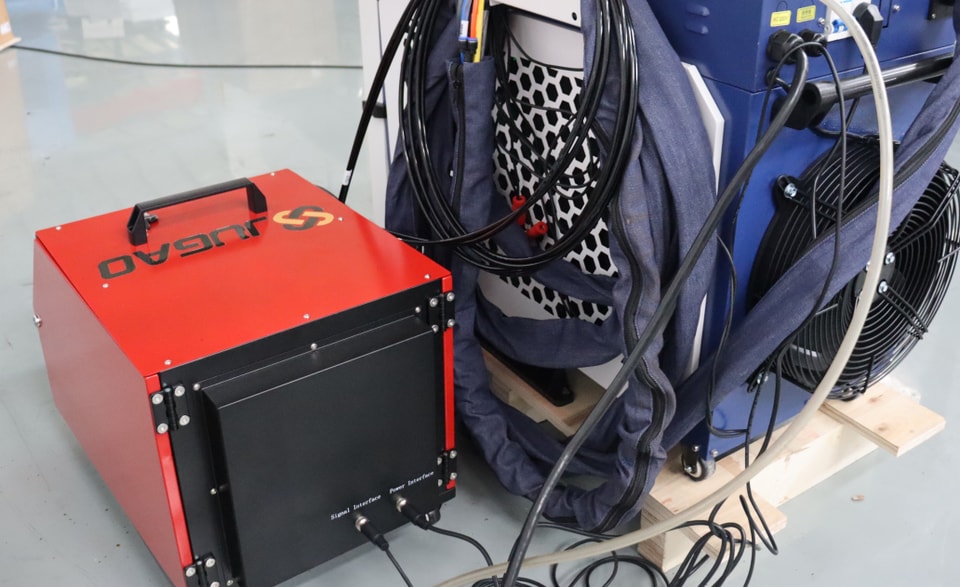 For which types of products is an automatic wire-feeding laser welding machine suitable?
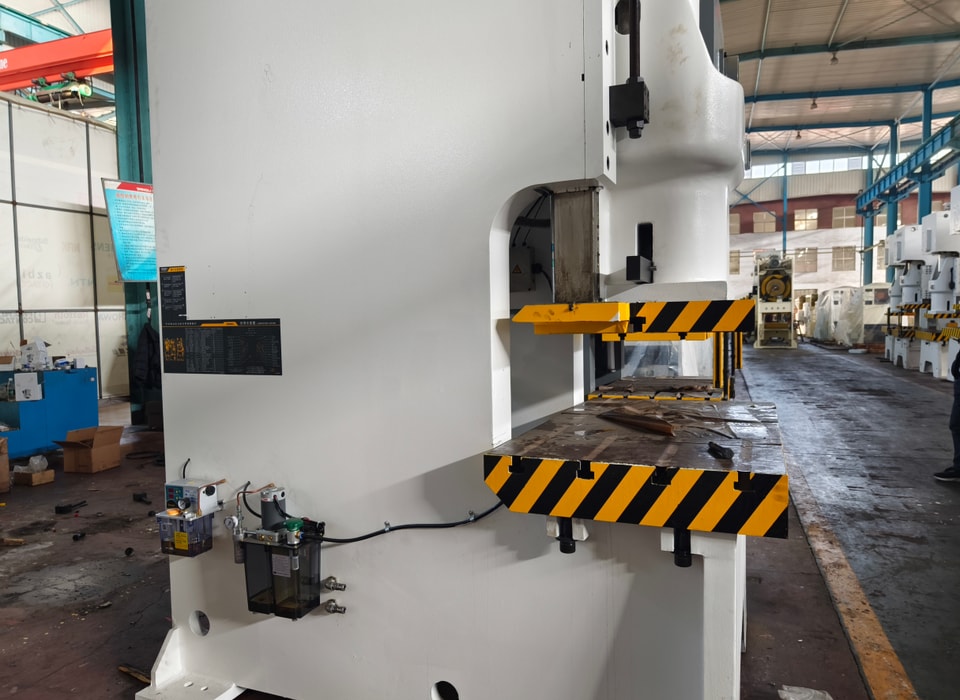 What Are the Latest Punching Machine Trends and Technological Breakthroughs?
 What Triggers Punching Machine Noise and How Can You Quieten It?
Engineering review
Send a drawing.
Get an engineer.
Standard selections answered within 4 hours. Parts outside the rules get a written process review within 24 hours.
- Part drawing: DXF, DWG, STEP or PDF
- Material and thickness
- Longest bend or cut length
- Yearly volume
Write to info@ntjugao.com or message the factory on WhatsApp +86 132 2211 1178.
Drawings (DXF, DWG, STEP, PDF): attach them to an email to info@ntjugao.com, quoting your name.