 Get a quote
Resources
CNC Turret Punch Presses Explained: Architecture and Operation
Table of Contents 1. System Architecture & Core Features 2. Drive Categories & Power Technologies 3. CNC Control & Motion Axes 4. Seven Essential Punching & Forming Techniques 5. Turret Tooling Stations & Capacity Standards 6. Key Industrial Applications 7. Live Operation & Demonstration Resources |
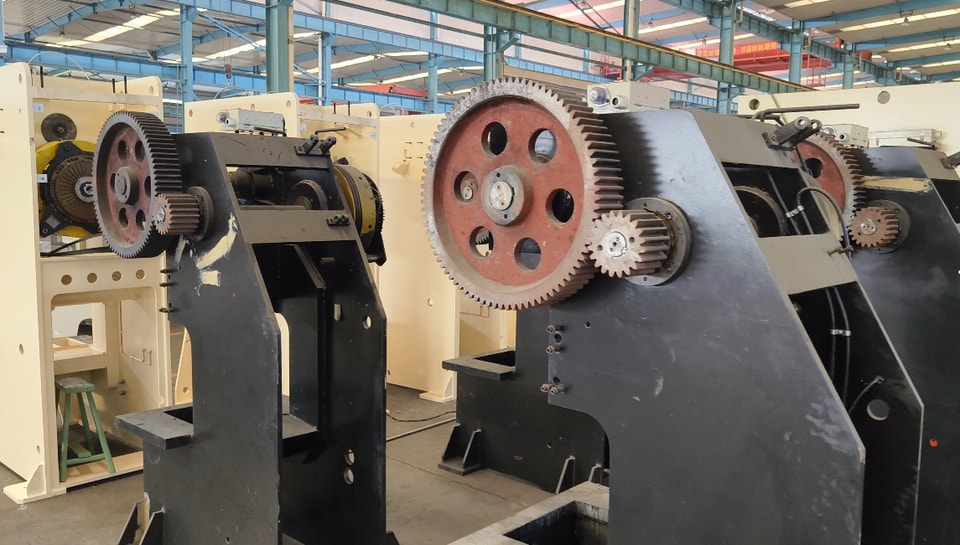
Welcome to JUGAO's comprehensive technical handbook on CNC turret punch press technology. Whether you are entering automated sheet metal fabrication for the first time or upgrading an established production line, this guide walks you through everything required to master the machine. From core mechanical structure and axis kinematics to tooling stations and forming modes, our engineering team outlines practical knowledge to help you boost shop-floor accuracy and throughput.
Widely abbreviated in global manufacturing as NCT (Numerical Control Turret Punch Press), this machine represents a premier category of automated sheet metal equipment. By unifying mechanical engineering, electrical controls, hydraulics, and pneumatics into a single platform, an NCT press rapidly pierces holes, executes shallow drawing, and forms three-dimensional profiles across flat metal plates using an indexable rotary die magazine.
1. System Architecture & Core Features
A modern JUGAO Numerical Control Turret Punch Press brings together several tightly synchronized subsystems: a computerized CNC controller, an electric-servo or hydraulic ram drive, precision sheet-feeding carriages, an upper-and-lower rotary tool turret, automated station-indexing mechanisms, and offline CAD/CAM nesting software.
Operation begins once a part program is generated via CAM software or entered manually at the console. Servo-driven clamps position the metal sheet accurately beneath the striking head while the turret rotates the designated punch-and-die pair into alignment. On command, the ram cycles automatically according to the programmed coordinates, completing intricate multi-hole patterns and formed features in a single unattended setup.
2. Drive Categories & Power Technologies
Based on ram actuation design, CNC turret punch presses are grouped into three distinct classes: all-electric servo, mechanical flywheel, and hydraulic:
▪ All-Electric Servo Turret Presses: Representing the forefront of modern NCT engineering, JUGAO all-electric servo models couple a high-torque servo motor directly to the ram drive. This architecture preserves the simplicity and dependability of mechanical linkages while surpassing hydraulic systems in speed, energy savings, and programmable stroke control. Equipped with an intelligent servo striking head, these machines effortlessly execute high-speed punching, louver forming, rib rolling, and part marking.
▪ Mechanical Flywheel Turret Presses: Valued for rugged longevity and lower initial capital outlay, mechanical presses deliver reliable performance across standard punching jobs. However, because stroke depth and ram velocity remain fixed by crankshaft geometry, their forming versatility and cycle efficiency trail behind servo-electric alternatives.
▪ Hydraulic Turret Presses: Once common for heavy-plate punching, traditional hydraulic turret machines have steadily lost market share due to ongoing hydraulic fluid maintenance, seal wear, and thermal sensitivity during prolonged high-ambient-temperature shifts.
3. CNC Control & Motion Axes
Coordinated multi-axis motion allows a JUGAO turret punch press to position sheets and orient tooling with micron-level repeatability:
▪ X-Axis: The high-speed servo linear axis that traverses the clamped sheet perpendicular to the main machine bed length.
▪ Y-Axis: The complementary servo linear axis that drives the workpiece carriage parallel to the longitudinal bed axis.
▪ A-Axis: The rotary indexing drive that spins both upper and lower turret discs synchronously to bring the required tool station under the ram.
▪ C-Axis: The dedicated auto-index rotational axis capable of rotating individual shaped punches and dies to any programmed angle (0°–360°).
4. Seven Essential Punching & Forming Techniques
By combining rapid table positioning with specialized tooling, a JUGAO CNC turret press performs seven primary sheet metal operations:
1. Single-Hit Punching: Completing an individual perforation in one stroke, arranged along linear rows, circular arcs, bolt circles, or full-sheet grid arrays.
2. Unidirectional Continuous Slotting: Stepping a rectangular punch with partial overlap along a straight path to produce elongated slots or clean sheared edges.
3. Multi-Directional Contour Punching: Using compact standard tools across multiple X-Y vectors to cut out large internal openings without dedicated oversized dies.
4. Nibbling: Advancing a small-diameter round punch in fine, rapid increments to trace smooth curved arcs and complex freeform profiles.
5. Single-Stroke Forming: Executing shallow drawing or embossing—such as knockouts, dimples, or countersinks—in a single controlled press stroke.
6. Continuous Progressive Forming: Producing raised features larger than a single die footprint, including long cooling louvers, stiffening ribs, and offset steps.
7. Multi-Part Array Nesting: Batch-processing multiple identical or mixed components across one large sheet before separating them via micro-joints.
5. Turret Tooling Stations & Capacity Standards
To standardize tooling selection and turret layout, standard NCT stations are categorized into five dimensional classes—A, B, C, D, and E—according to maximum tool diagonal or diameter:
Station Class | Imperial Bore Size | Maximum Tool Diameter Range |
Station A | 1/2 inch | Φ 1.5 mm – Φ 12.7 mm |
Station B | 1-1/2 inch | Up to Φ 31.7 mm |
Station C | 2 inch | Up to Φ 50.8 mm |
Station D | 3-1/2 inch | Up to Φ 88.9 mm |
Station E | 4-1/2 inch | Up to Φ 114.3 mm |
Turret Modular Equivalence Rule |
6. Key Industrial Applications
JUGAO CNC turret punch presses serve as high-efficiency cold-stamping workhorses across a vast spectrum of sheet metal industries, including electrical switchgear and power distribution enclosures, server racks and control cabinets, architectural curtain wall panels, home appliances, elevator cabs and doors, fire-rated steel doors, HVAC systems, commercial kitchenware, office furniture, medical device housings, and industrial lighting fixtures. By pairing single-hit piercing with high-speed nibbling, NCT presses effortlessly produce complex contours and varied hole arrays—making them especially advantageous for agile, high-mix, low-to-medium volume production runs.
7. Live Operation & Demonstration Resources
Want to see a JUGAO servo-electric CNC turret punch press running high-speed perforation, C-axis auto-indexing, and progressive louver forming in real time? Contact the JUGAO engineering team to request machine demonstration videos, sample part cycle-time evaluations, or custom turret layout configurations tailored to your sheet metal drawings.
Related
Keep
reading.
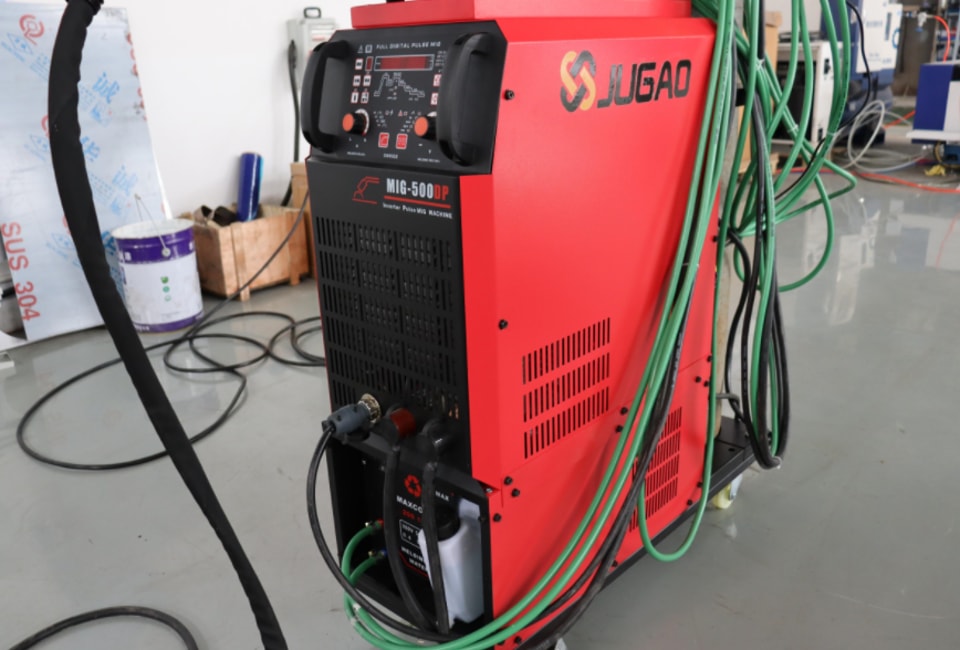 What equipment is best for welding stainless steel? Are there risks of weak welds or deformation?
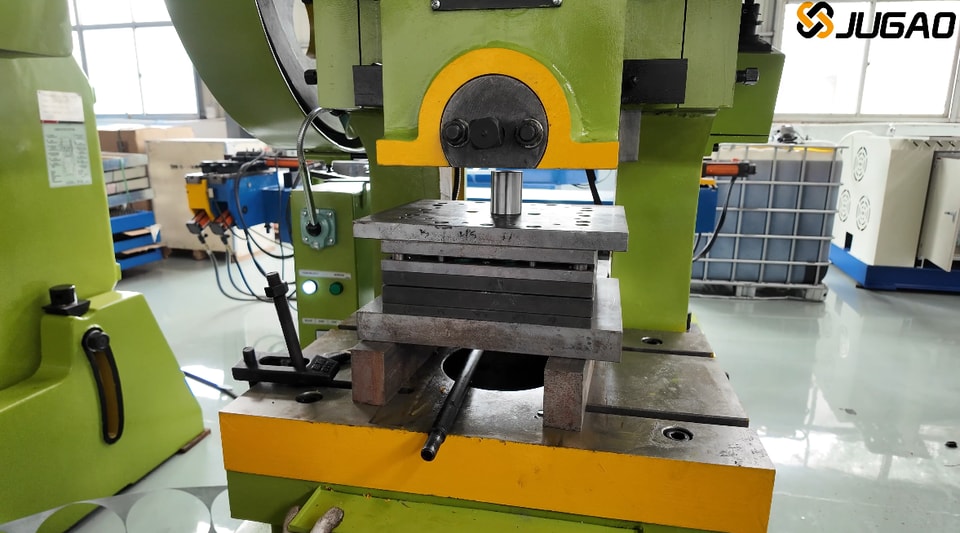 Key Factors Governing Optimal Punch Press Tonnage
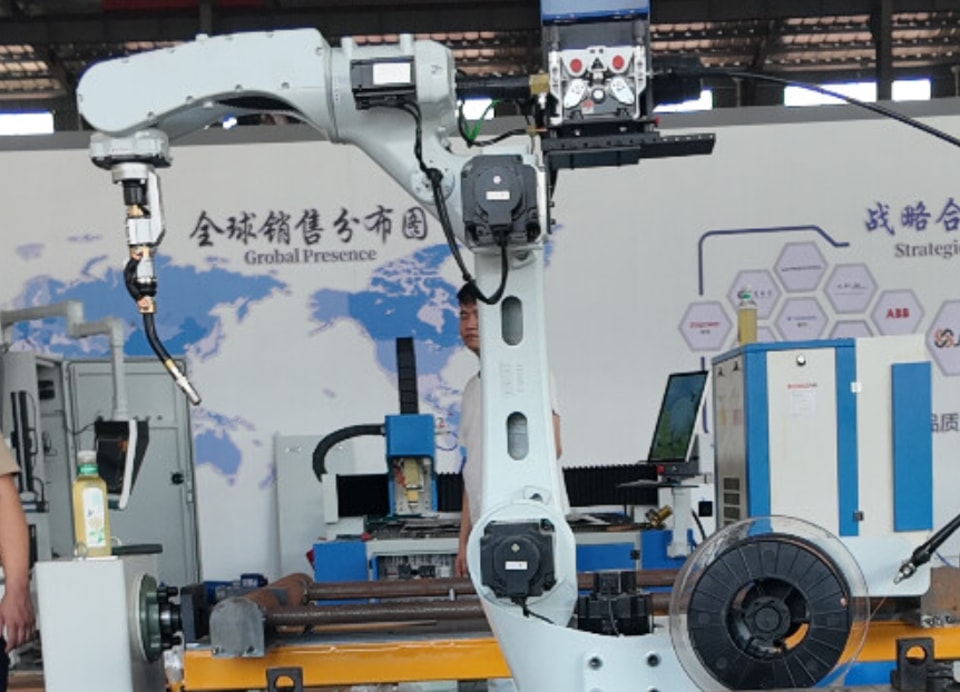 Comparison of Laser Welding Results and Application Scenarios Across Different Materials
 How to Choose Between Air-Cooled and Water-Cooled Laser Welding Systems
 Understanding Punching Machines: Principles, Types, and Selection
 How can one effectively follow the installation guidelines for a pipe-bending machine?
 For which types of products is an automatic wire-feeding laser welding machine suitable?
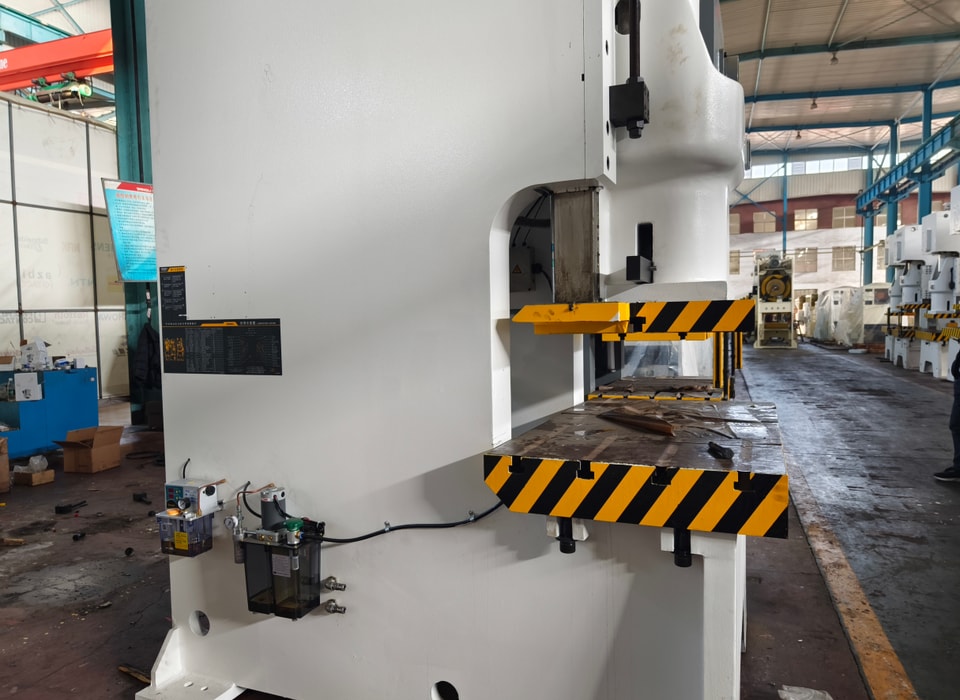 What Are the Latest Punching Machine Trends and Technological Breakthroughs?
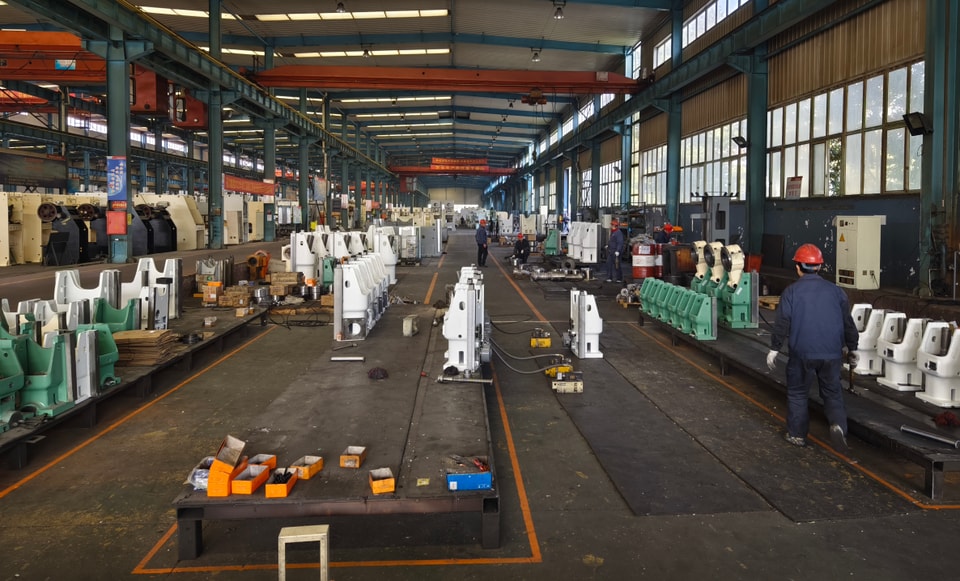 What Triggers Punching Machine Noise and How Can You Quieten It?
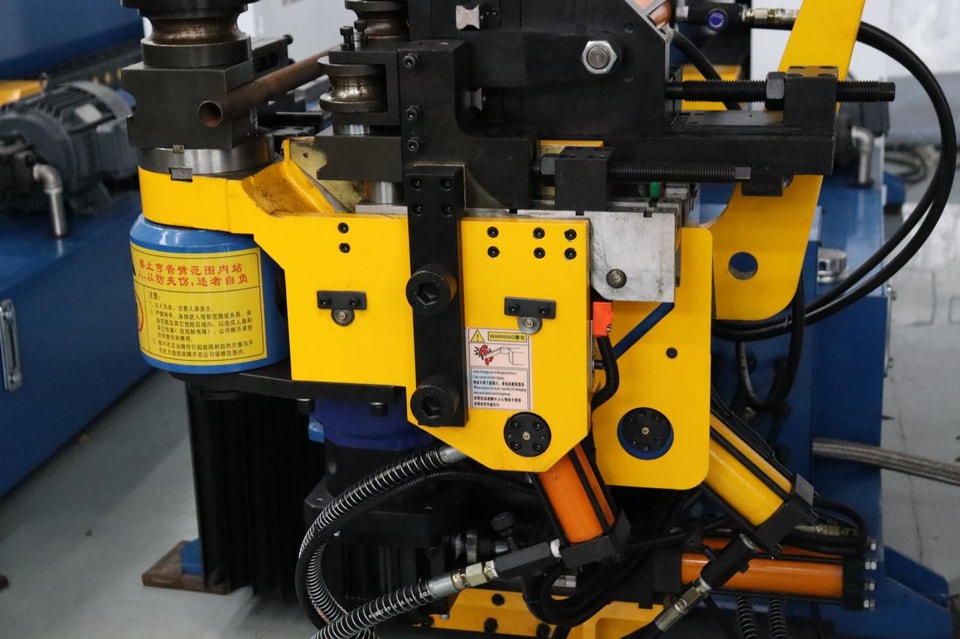 What factors influence the replacement cycle of wear parts in a pipe-bending machine?
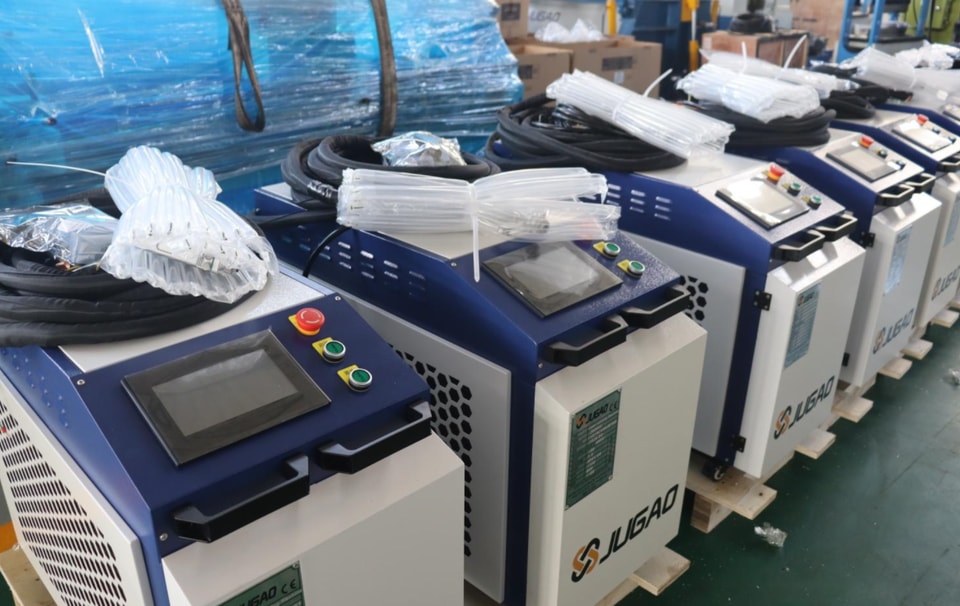 Beyond price, what key parameters should you consider when purchasing welding equipment?
 4 Common Methods for Inspecting Weld Quality
Engineering review
Send a drawing.
Get an engineer.
Standard selections answered within 4 hours. Parts outside the rules get a written process review within 24 hours.
- Part drawing: DXF, DWG, STEP or PDF
- Material and thickness
- Longest bend or cut length
- Yearly volume
Write to info@ntjugao.com or message the factory on WhatsApp +86 132 2211 1178.
Drawings (DXF, DWG, STEP, PDF): attach them to an email to info@ntjugao.com, quoting your name.