 Get a quote
Resources
Tips and Experiences on Quickly Adjusting Parameters of a Four-Roll Plate Roller
A four-roll plate roller is a common piece of equipment in the metal processing industry, used for bending and rolling metal sheets. Accurately adjusting the parameters of the four-roll plate roller is crucial for ensuring product quality and production efficiency.
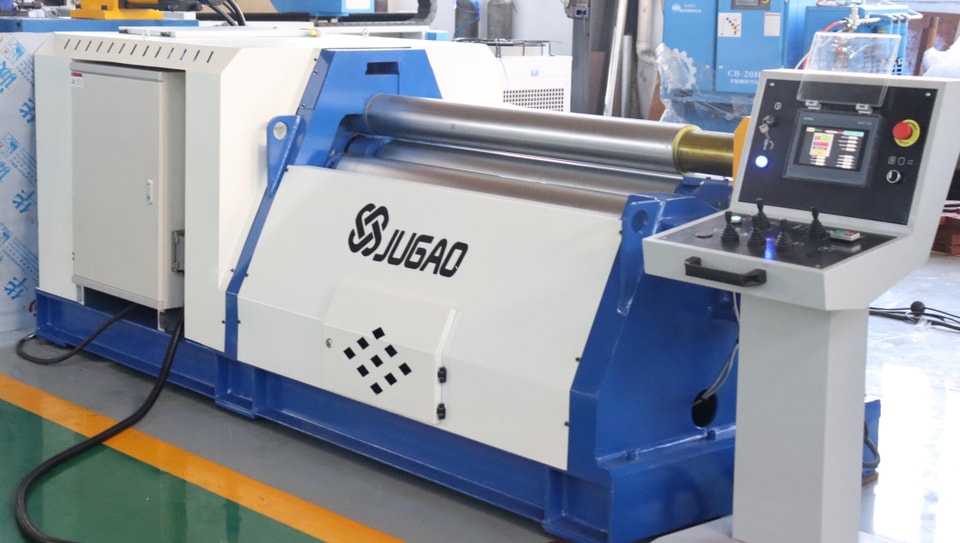
This article will introduce some tips and experiences on quickly adjusting the parameters of a four-roll plate roller to help readers better operate and optimize this equipment.
1. Determining the Appropriate Upper and Lower Roller Pressures
The upper and lower roller pressures directly affect the bending effect of the metal sheet. Generally, the range of upper and lower roller pressures needs to be determined based on different materials and their thicknesses. Initial values can be selected through test piece testing or by referring to relevant manuals, and then fine-tuned according to actual conditions.
2. Adjusting the Positions of the Two Sets of Sub-Shafts
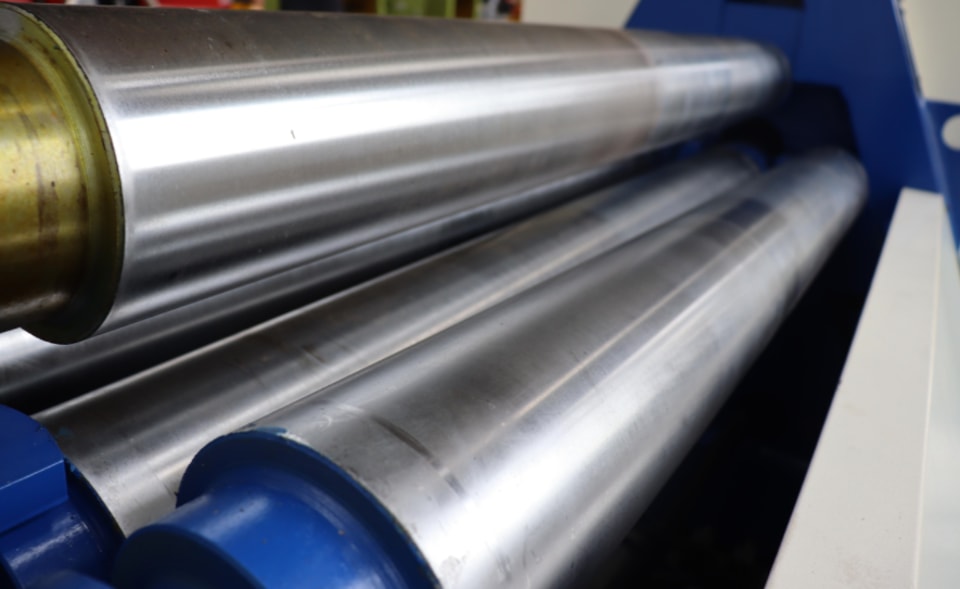
A four-roll plate roller consists of two working shafts and two support shafts. Before operation, it is necessary to ensure that the positions of the two sets of sub-shafts are balanced and correctly aligned. This can be judged by observing whether the gap between the end faces of the working shafts is uniform, and appropriate measures such as adjusting screws can be taken to achieve alignment.
3. Controlling the Rolling Speed
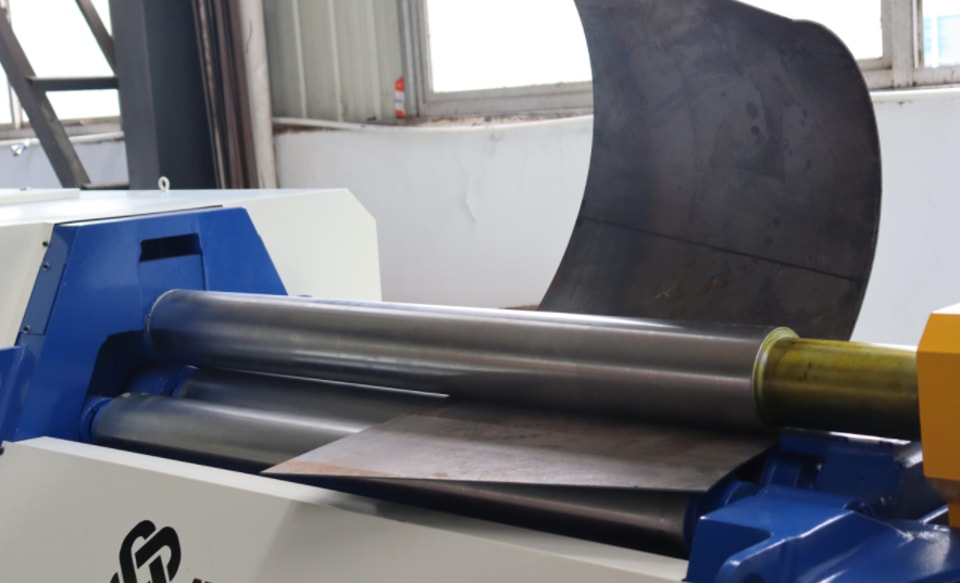
Rolling speed refers to the speed at which the metal sheet moves through the four-roll plate bending machine. Different thicknesses and hardnesses of metal require appropriate rolling speeds; speeds that are too fast or too slow can lead to product quality problems. The appropriate rolling speed can be selected based on practical experience and experimentation to achieve the desired effect.
4. Adjusting the Upper Roller Inclination Angle
The upper roller inclination angle directly affects the arc shape of the bent part. Generally, a larger inclination angle produces a smaller arc. The upper roller inclination angle can be controlled by adjusting relevant screws or the hydraulic system, and fine-tuned as needed.
5. Determining the Appropriate Feed Position
The feed position determines the distance between the metal sheet and the axis when it enters the working area of the four-roll plate bending machine. Correctly setting the feed position can avoid problems such as deviation and deformation. The appropriate feed position must be carefully measured and determined before operation based on the actual situation and processing requirements.
6. Safety Precautions
When adjusting the parameters of the four-roll plate bending machine, safety precautions must be taken. Ensure the equipment is stopped and powered off before making adjustments to avoid accidental injury. Simultaneously, familiarize yourself with the equipment's operation manual and safety procedures, and follow relevant guidelines.
7. Record Parameter Settings
To improve work efficiency and ensure consistent product quality, it is recommended to record the values and results of each parameter adjustment. This allows for reference in future operations, enabling quick identification of parameter combinations and improving work efficiency.
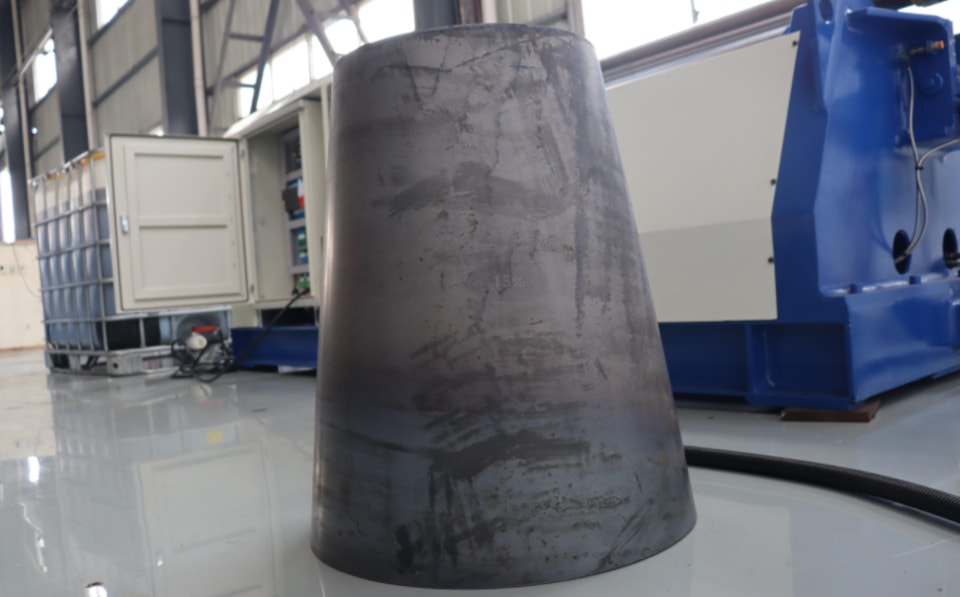
Quickly adjusting the parameters of a four-roll plate bending machine requires certain skills and experience. By properly determining key factors such as upper and lower roll pressure, auxiliary shaft position, and plate bending speed, and by paying attention to safety precautions and recording adjustment results, processing efficiency can be improved, product quality optimized, and losses caused by operational errors reduced. Continuously accumulating experience and sharing with peers is also an effective way to improve adjustment skills.
Related
Keep
reading.
 How thick can a laser welding machine weld?
 The equipment suddenly stops working. What are the common faults? Can you troubleshoot it yourself?
 Understanding the Environmental Footprint of Punching Machines
 What equipment is best for welding stainless steel? Are there risks of weak welds or deformation?
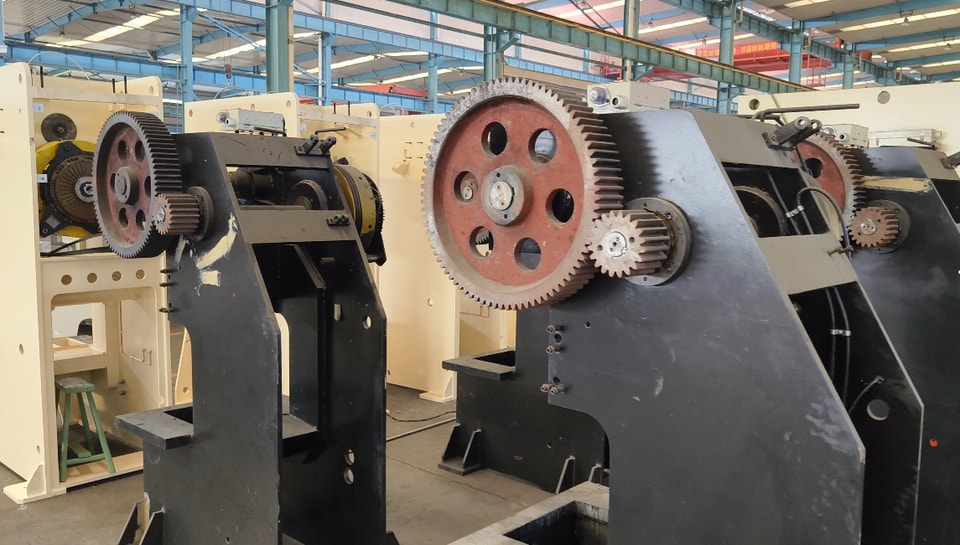 CNC Turret Punch Presses Explained: Architecture and Operation
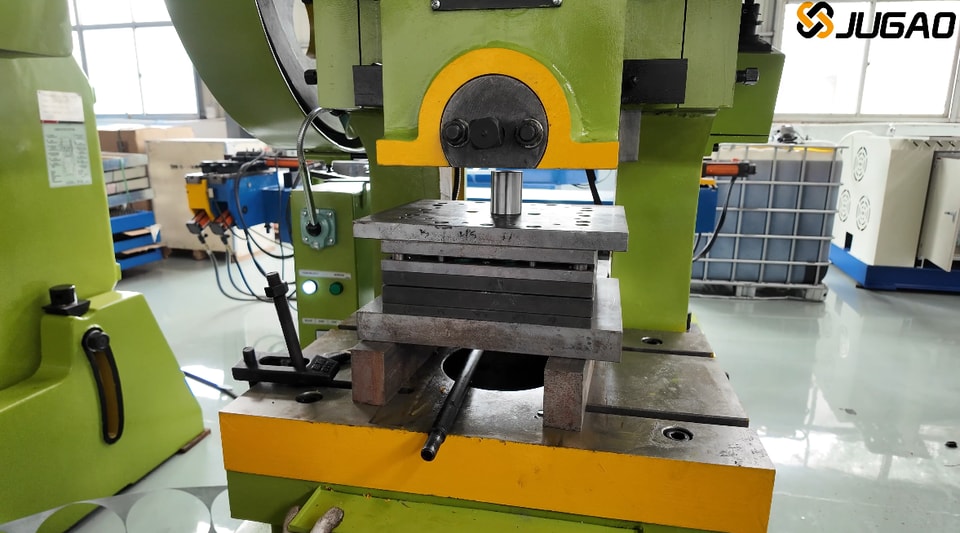 Key Factors Governing Optimal Punch Press Tonnage
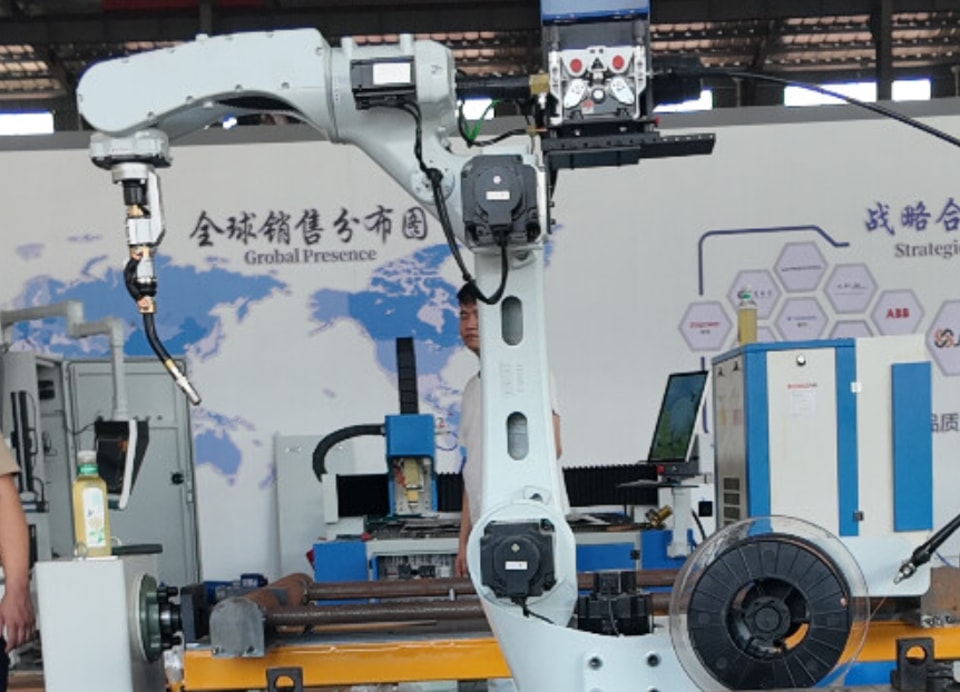 Comparison of Laser Welding Results and Application Scenarios Across Different Materials
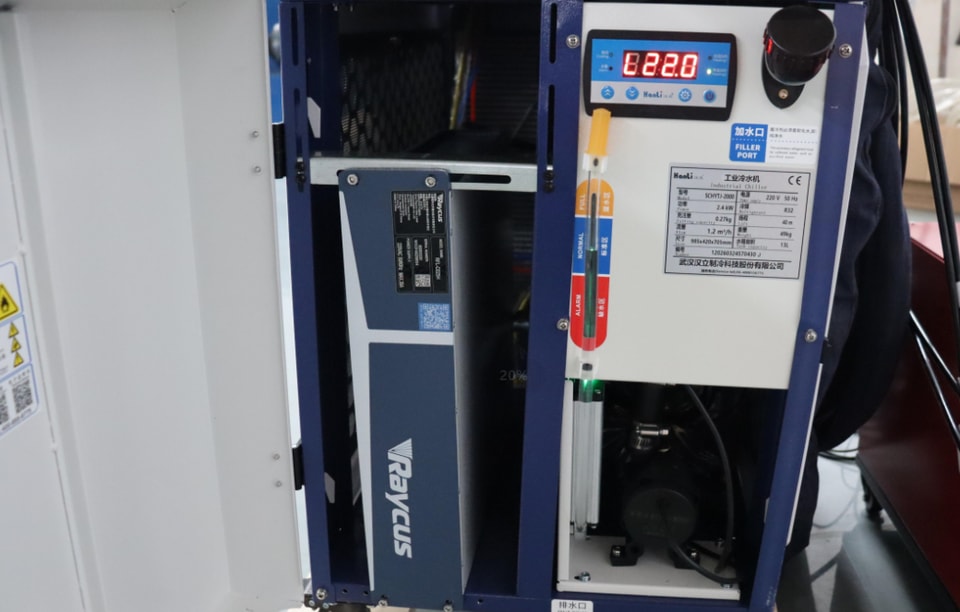 How to Choose Between Air-Cooled and Water-Cooled Laser Welding Systems
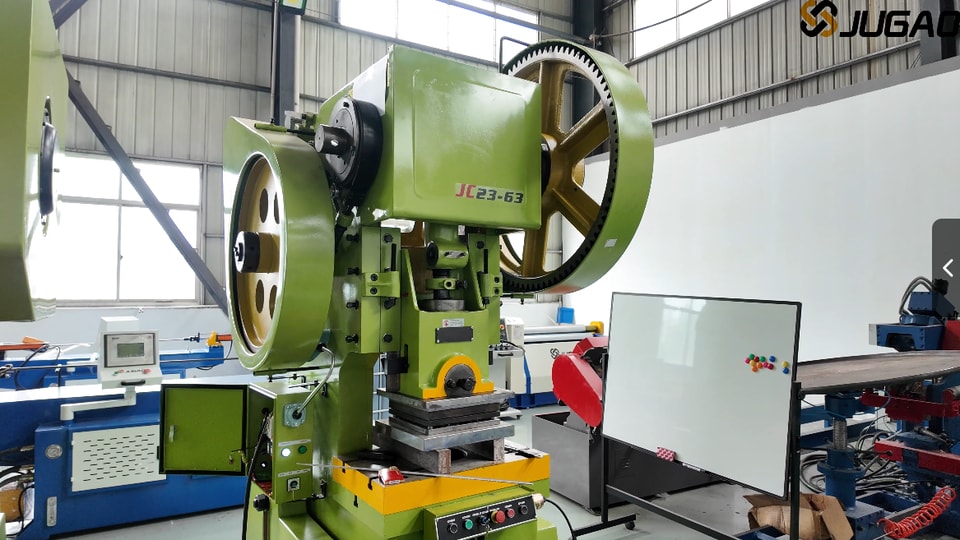 Understanding Punching Machines: Principles, Types, and Selection
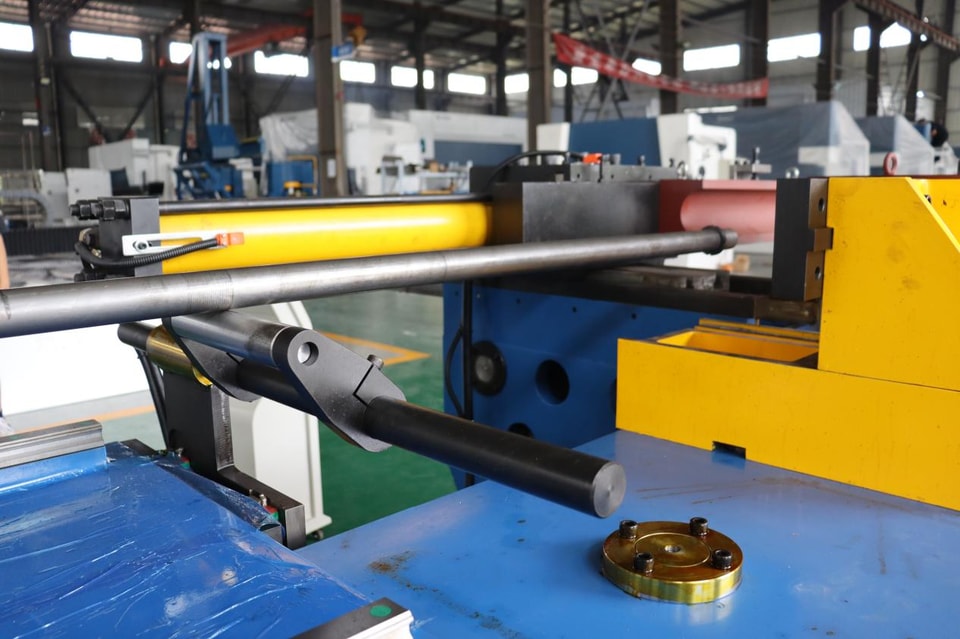 How can one effectively follow the installation guidelines for a pipe-bending machine?
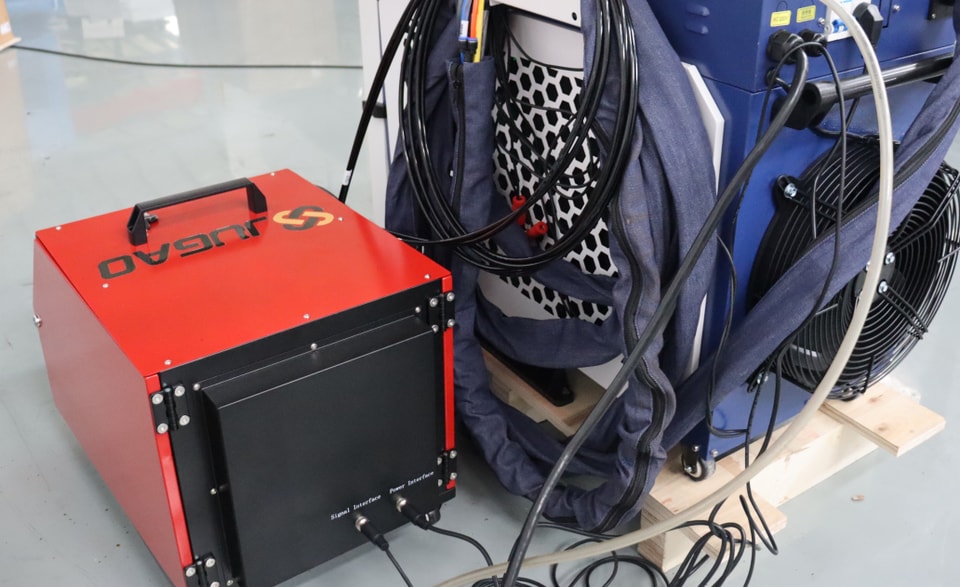 For which types of products is an automatic wire-feeding laser welding machine suitable?
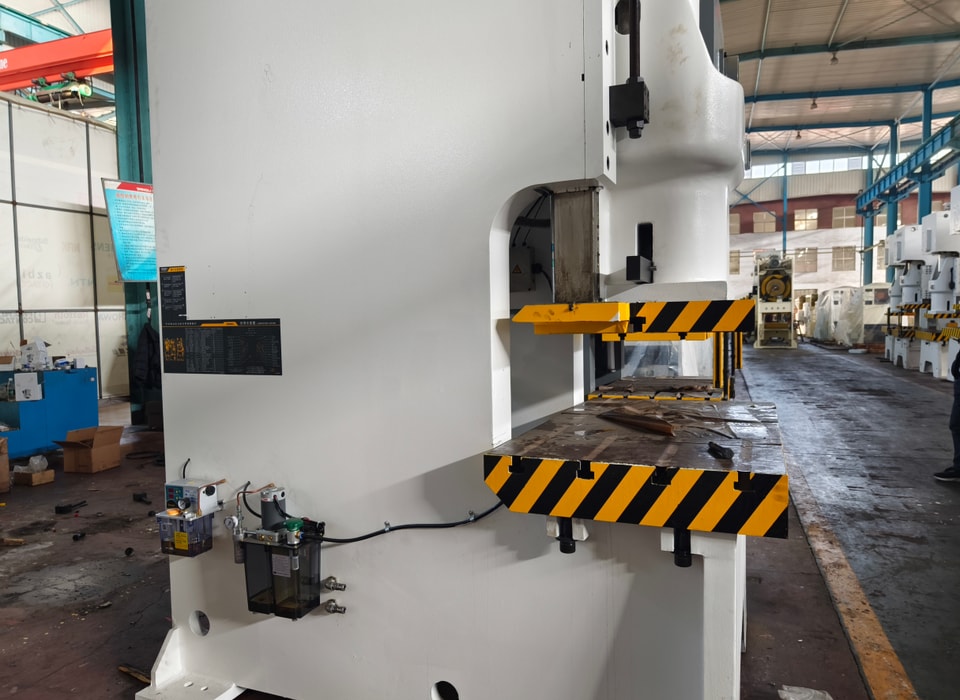 What Are the Latest Punching Machine Trends and Technological Breakthroughs?
Engineering review
Send a drawing.
Get an engineer.
Standard selections answered within 4 hours. Parts outside the rules get a written process review within 24 hours.
- Part drawing: DXF, DWG, STEP or PDF
- Material and thickness
- Longest bend or cut length
- Yearly volume
Write to info@ntjugao.com or message the factory on WhatsApp +86 132 2211 1178.
Drawings (DXF, DWG, STEP, PDF): attach them to an email to info@ntjugao.com, quoting your name.