
Safe Operation Guide for Cleaning Optical Lenses of JUGAO Laser Cutting Equipment
2026-07-09

Table of Contents
• Necessity of Regular Cleaning for JUGAO Laser Optical Lenses
○ Negative Impacts on Cutting Processing Effect
○ Hidden Dangers of Permanent Lens Damage
○ Decline in Overall Equipment Operating Efficiency
• Complete Safe Cleaning Procedures for Laser Lenses (Step-by-Step)
○ Step 1: Cut Off Full Power Supply for Safety Protection
○ Step 2: Set Up Dust-Isolated Operation Area
○ Step 3: Put on Special Anti-Pollution Protective Supplies
○ Step 4: Full Visual Inspection of Lens Surface Status
○ Step 5: Prepare Standard Special Optical Cleaning Supplies
○ Step 6: Operate Cleaning Work With Standardized Methods
○ Step 7: Natural Air-Drying & Secondary Surface Inspection
○ Step 8: Precise Resetting and Installation of Optical Lenses
• Typical Wrong Operations to Avoid During Lens Maintenance
○ Adoption of Non-Specialized Wiping Supplies
○ Extruding the Lens With Excessive Force
○ Conducting Cleaning Works In Dust-Filled Surroundings
• Long-Term Preventive Maintenance Suggestions for Optical Lenses
○ Formulate Fixed Daily Inspection Cycles
○ Keep Equipment Dust Removal System Running Normally
○ Judge Lens Pollution Status Through Cutting Processing Feedback
• Frequently Asked Questions
○ What’s the proper cycle to clean optical lenses of JUGAO laser cutters?
○ Is high-purity alcohol applicable for laser lens wiping?
○ What adverse consequences will be caused by long-term uncleaned lenses?
• Summary
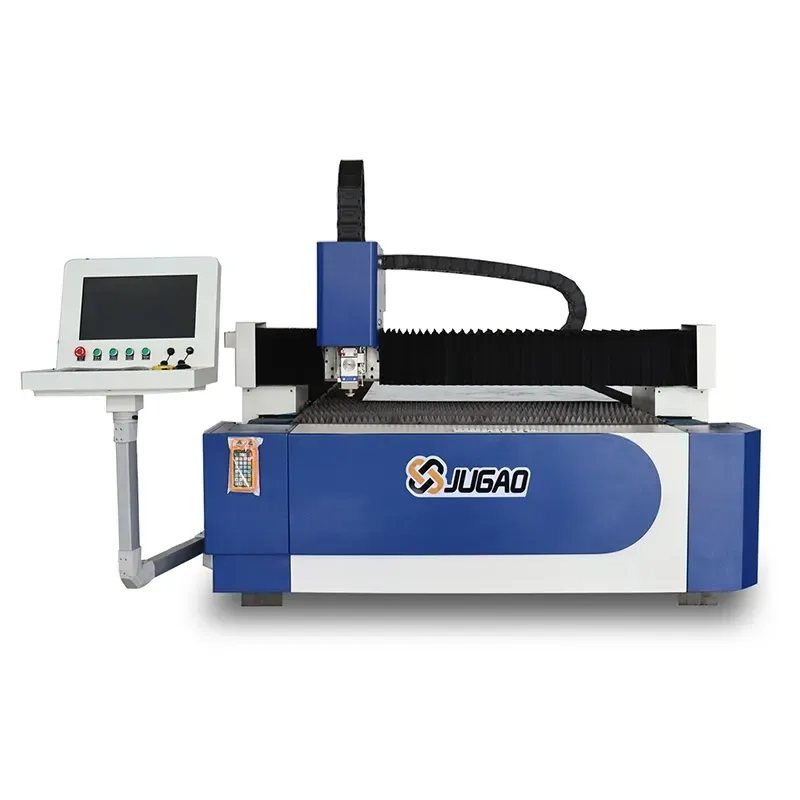
Standardized and safe cleaning of optical lenses is a core maintenance work to keep JUGAO laser cutting machines running at optimal state and prolong the service cycle of optical components. The cleanliness of lens assemblies directly decides the finished cutting quality and production efficiency of the whole equipment. If you are unfamiliar with the standard lens maintenance process and fear scratching the coating layer, this tutorial will provide all-round practical operation standards for factory maintenance staff. This article shares easy-to-implement lens maintenance solutions suitable for on-site production workshops, which can effectively guard the fragile coating film of optical lenses. Whether you are frontline processing operators or professional after-sales maintenance technicians, mastering this standardized cleaning process can save high replacement costs of optical parts and guarantee stable and consistent processing quality for long-term mass production.
Necessity of Regular Cleaning for JUGAO Laser Optical Lenses
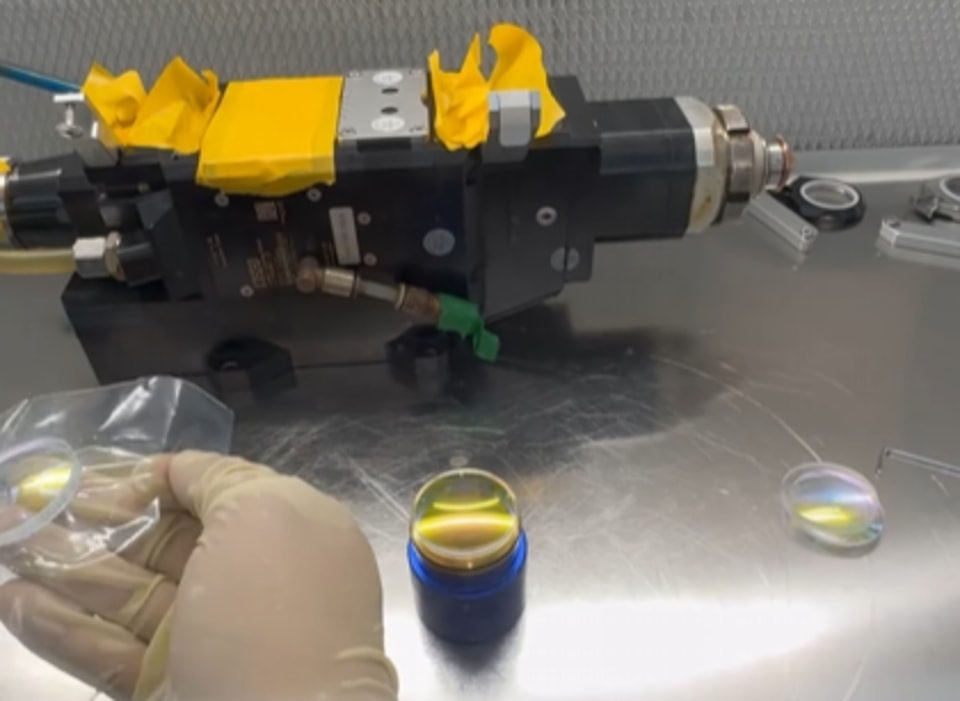
Optical lens maintenance is far more than simply removing surface dust; it closely links to the processing stability and service life of JUGAO laser cutting equipment.
Negative Impacts on Cutting Processing Effect
Dust, oil stains and metal residues attached to the lens will scatter and absorb laser energy, resulting in rough cutting sections, obvious dimensional deviation of workpieces and inconsistent processing effects among batches.
Hidden Dangers of Permanent Lens Damage
Under continuous high-energy laser irradiation, tiny metal scraps and oil pollutants will fuse and burn on the lens surface, forming irreversible traces and thoroughly destroying the anti-reflection coating of lenses.
Decline in Overall Equipment Operating Efficiency
When the light transmittance of contaminated lenses drops, the equipment will automatically boost output power to compensate energy loss. This mode raises power consumption and lowers the overall operation efficiency of the laser cutter.
Complete Safe Cleaning Procedures for Laser Lenses (Step-by-Step)
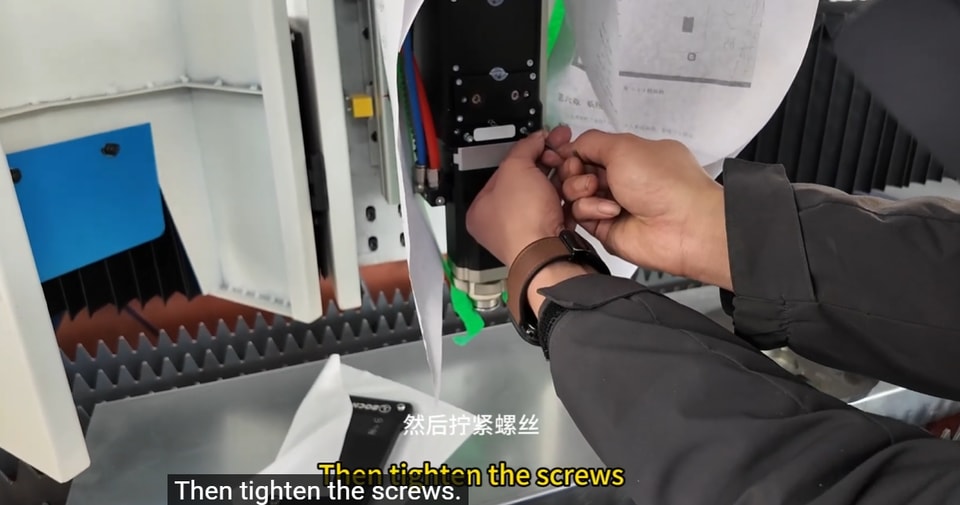
Step 1: Cut Off Full Power Supply for Safety Protection
Before launching any lens disassembly and cleaning work, completely shut down the main machine of JUGAO laser cutter and disconnect the total power line. This measure avoids accidental laser light emission and eliminates potential safety hazards during maintenance.
Step 2: Set Up Dust-Isolated Operation Area
Select an independent low-dust space for lens cleaning. Tiny floating particles in the air may leave scratch marks on the smooth lens surface. It is recommended to use a flat clean operating table with sufficient light to clearly observe all stains on the lens.
Step 3: Put on Special Anti-Pollution Protective Supplies
Operators must wear disposable lint-free finger cots or special non-dust gloves. Direct skin contact will leave hard-to-clean oil fingerprints on the lens surface, affecting laser transmission.
Step 4: Full Visual Inspection of Lens Surface Status
Place the lens under bright light for detailed observation, mark dust spots, oil contamination and burnt traces. If the lens surface has deep burn damage or peeling coating, direct replacement is recommended instead of simple cleaning.
Step 5: Prepare Standard Special Optical Cleaning Supplies
For safe maintenance of JUGAO laser lenses, prepare the following dedicated tools only:
• Special optical lens wiping paper without fiber shedding
• 99% and above high-purity isopropyl alcohol or professional optical cleaning liquid
• Dust-free rubber air blowing cylinder (prohibit compressed air containing moisture and oil)
Ordinary rags, household paper towels and rough cotton cloth are forbidden to wipe lenses.
Step 6: Operate Cleaning Work With Standardized Methods
Drip a small amount of dedicated cleaning liquid on lens paper, then wipe the lens surface gently in a single straight direction. Circular rubbing and heavy pressing are strictly forbidden, as these operations will scratch the fragile coating layer.
Step 7: Natural Air-Drying & Secondary Surface Inspection
Place the wiped lens in a dust-free environment for natural air drying, or use new clean lens paper to absorb residual liquid. Recheck the lens surface to confirm no water streaks, fiber residues or dust particles remain.
Step 8: Precise Resetting and Installation of Optical Lenses
After finishing cleaning and inspection, slowly put the lens back into the fixing frame and lock the fixing pieces stably. Ensure the lens central position keeps consistent with the original installation standard to avoid light path offset and cutting precision decline.
Typical Wrong Operations to Avoid During Lens Maintenance
Adoption of Non-Specialized Wiping Supplies
Daily towels, disposable paper towels and coarse cotton cloth contain hard fine fibers, which will leave countless micro scratches on the lens surface and greatly shorten its service life.
Extruding the Lens With Excessive Force
Overlarge pressure during wiping will cause cracks and peeling of the optical coating, leading to permanent lens failure.
Conducting Cleaning Works In Dust-Filled Surroundings
If lens disassembly and wiping are carried out in a dusty workshop, new pollutants will adhere to the lens again during maintenance, making the cleaning work ineffective.
Long-Term Preventive Maintenance Suggestions for Optical Lenses
Formulate Fixed Daily Inspection Cycles
For production workshops with continuous high-load operation, operators need to check the lens surface every day and arrange cleaning immediately once obvious stains are found.
Keep Equipment Dust Removal System Running Normally
Regularly inspect and replace the filter element of JUGAO laser cutting machine’s smoke and dust purification system to reduce metal dust entering the optical cavity and polluting lenses.
Judge Lens Pollution Status Through Cutting Processing Feedback
Once you find the workpiece cutting section becomes rough or the machine needs higher power to finish cutting, stop production timely and inspect the lens pollution condition.
Frequently Asked Questions
What’s the proper cycle to clean optical lenses of JUGAO laser cutters?
The cleaning frequency depends on daily processing load. For high-volume processing factories, daily inspection is required, and complete cleaning is implemented every 2–3 working days.
Is high-purity alcohol applicable for laser lens wiping?
Yes, isopropyl alcohol with purity higher than 99% is recognized as a universal cleaning reagent for laser lenses. It must be matched with dedicated lens paper for soft wiping instead of direct pouring on lenses.
What adverse consequences will be caused by long-term uncleaned lenses?
Accumulated dust and oil will reduce laser transmittance, increase equipment power consumption, and form irreversible burn marks on lenses under long-term laser irradiation, forcing premature replacement of optical parts.
Summary
Mastering standardized safe lens cleaning skills is a must for protecting the cutting precision of JUGAO laser cutters and extending the service life of optical accessories. By following the eight-step standard cleaning flow, matching exclusive maintenance tools and avoiding frequent wrong operations, your laser equipment can maintain stable high-efficiency processing performance all year round.
Sticking to daily preventive lens maintenance can not only protect your equipment investment, but also lift workshop overall production capacity and lower defective product rate. If you encounter lens maintenance troubles or need professional on-site debugging services for JUGAO laser cutting machines, our technical service team is available at any time to help you optimize your whole production processing flow.
Contact Us