 Get a quote
Resources
Operating Procedures of a Mechanical Symmetrical Plate Rolling Machine
A mechanical symmetrical plate rolling machine is a type of equipment used for processing metal sheets. Its operation is relatively complex, but certain steps must be followed to ensure safe and efficient work. The following are the detailed operating procedures for this equipment.

Preparation Work
Before using the mechanical symmetrical plate rolling machine, operators need to complete the following preparations:
Inspect the Equipment: Before starting, check that all parts are intact and that there are no loose or damaged parts. Pay special attention to the normal condition of the power supply and hydraulic system.
Familiarize Yourself with the Drawings: Based on the drawings of the sheet metal to be processed, understand the required rolling shape, rolling radius, and sheet thickness, etc.
Select Tools: Select appropriate plate rolling machine tools based on the material and thickness of the sheet metal, such as the material and diameter of the rollers.
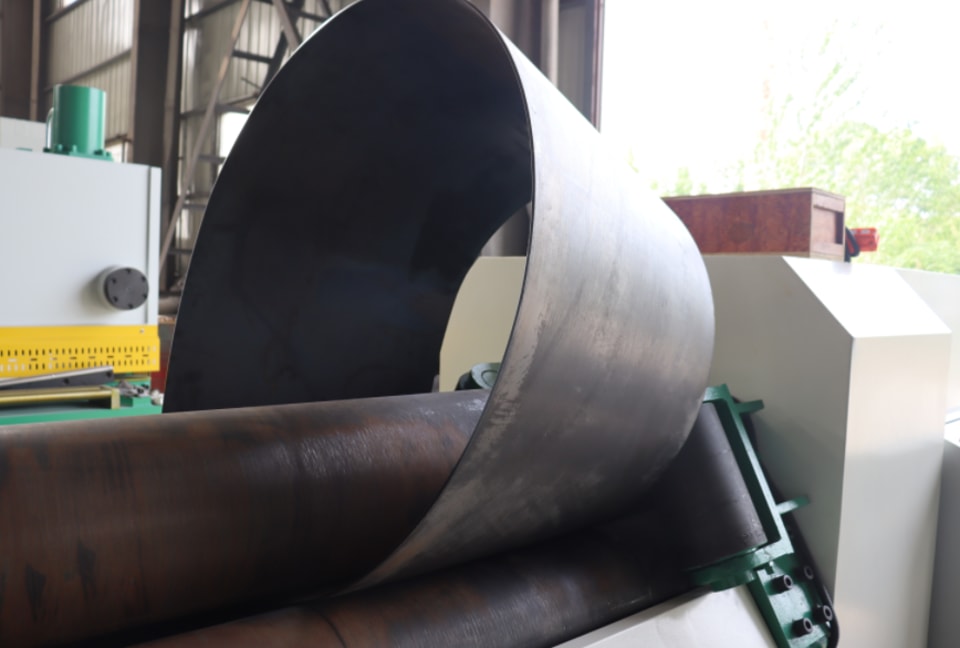
Operating Procedures
After completing the preparation work, you can operate the machine by following these steps:
1. Adjust the Machine Body
Adjust the height, gaps, and other settings of the various auxiliary parts of the mechanical symmetrical plate rolling machine according to the required thickness and width of the sheet metal to be processed. Ensure the equipment is in a suitable rolling state.
2. Clamping the Sheet Metal:
Place the metal sheet to be processed between the rollers of the plate rolling machine. Ensure both ends of the sheet are evenly aligned and clamp it at a suitable position according to the machine's design to prevent misalignment during processing.
3. Starting the Machine:
After confirming all operators are in safe positions, start the mechanical symmetrical plate rolling machine. Increase the rotation speed slowly to bring the machine to the predetermined operating state.
4. Initial Rolling:
Begin the initial rolling operation, usually starting from one end of the sheet metal, allowing the rollers to gradually contact the sheet. This process should be gentle to avoid applying excessive pressure to the material.
5. Completing the Roll:
After the initial rolling, monitor the shape and curvature of the roll, making fine adjustments as necessary. Once the predetermined radius or shape is achieved, stop the machine operation.
6. Removing the Sheet Metal:
After completing the rolling, release the clamping device and gently remove the rolled sheet metal. During this process, take care to protect the sheet metal from scratches or deformation.
7. Equipment Cleaning
After operation, clean the mechanical symmetrical plate rolling machine, especially the rollers and worktable, to ensure the equipment is in good condition for the next use.
Safety Precautions
Safety is the primary consideration when operating a mechanical symmetrical plate rolling machine. Operators should follow these safety precautions:
Wear personal protective equipment: such as safety glasses and gloves, to ensure personal safety during operation.
Regular training: Operators must receive regular training on equipment use and safe operation to ensure familiarity with all operating procedures.
Report malfunctions promptly: If a malfunction is detected, stop work immediately and report it to maintenance personnel.
Do not overload the machine: Rolling operations beyond the equipment's capacity are strictly prohibited to prevent damage or accidents.
By following the above procedures, the mechanical symmetrical plate rolling machine can be operated effectively to complete metal sheet processing tasks. Throughout the operation, maintaining good equipment condition and conducting regular inspections are also crucial for ensuring operational safety and efficiency.
Related
Keep
reading.
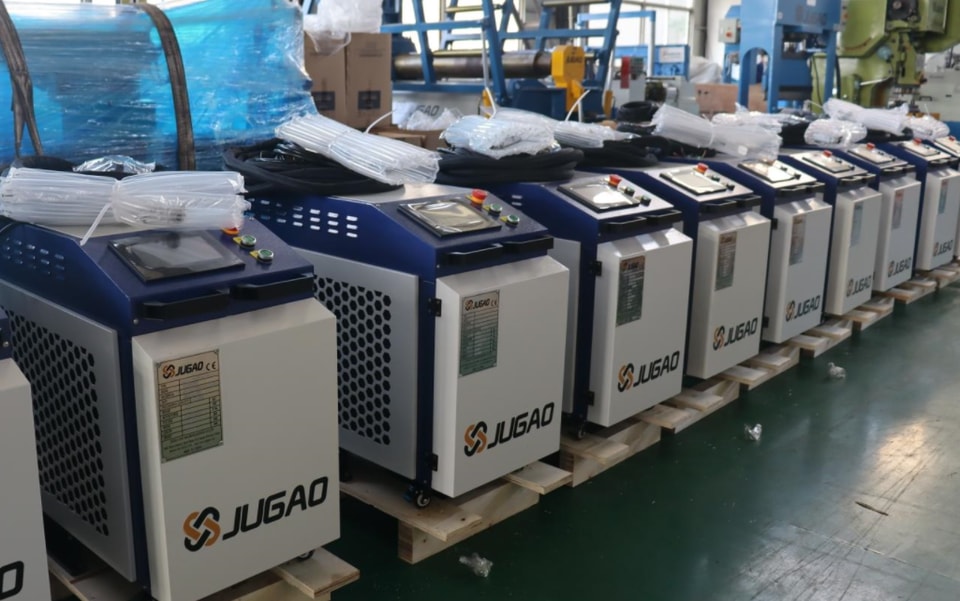 How thick can a laser welding machine weld?
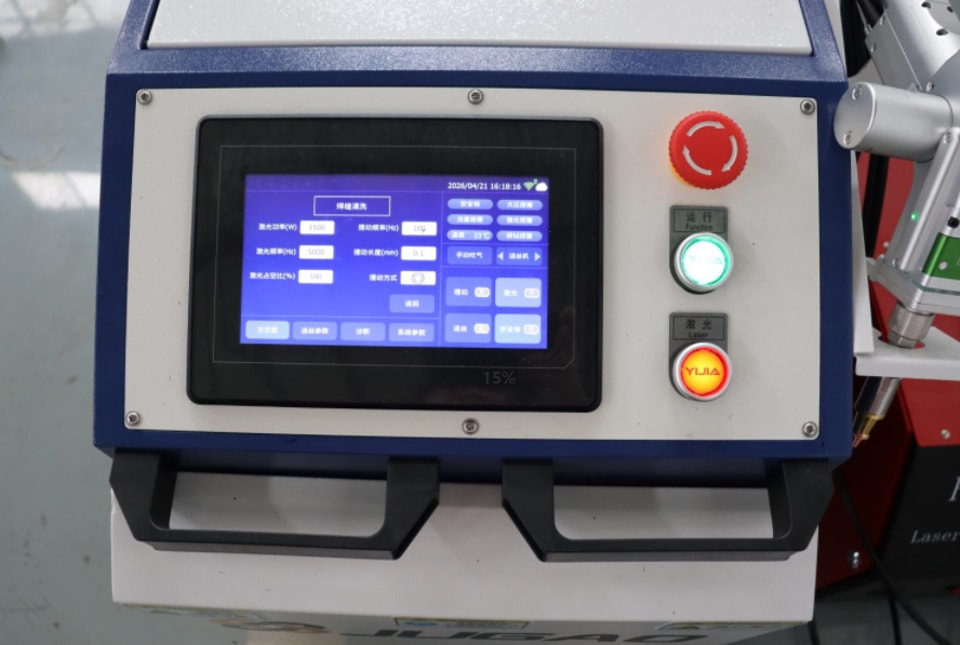 The equipment suddenly stops working. What are the common faults? Can you troubleshoot it yourself?
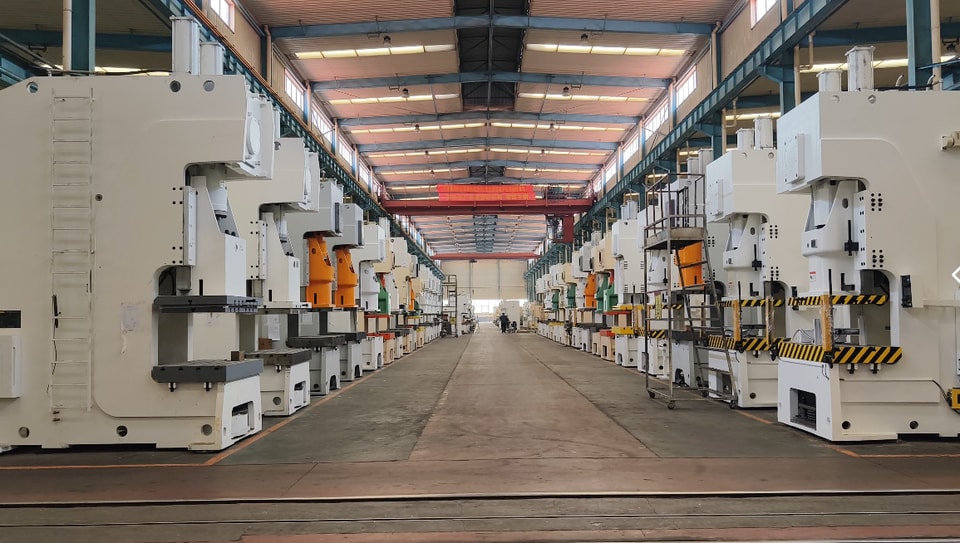 Understanding the Environmental Footprint of Punching Machines
 What equipment is best for welding stainless steel? Are there risks of weak welds or deformation?
 CNC Turret Punch Presses Explained: Architecture and Operation
 Key Factors Governing Optimal Punch Press Tonnage
 Comparison of Laser Welding Results and Application Scenarios Across Different Materials
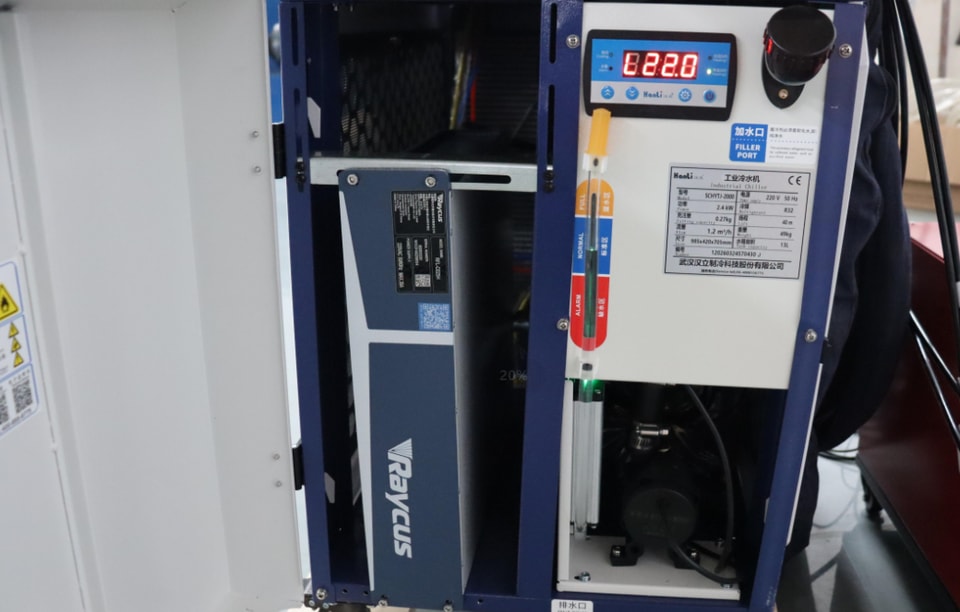 How to Choose Between Air-Cooled and Water-Cooled Laser Welding Systems
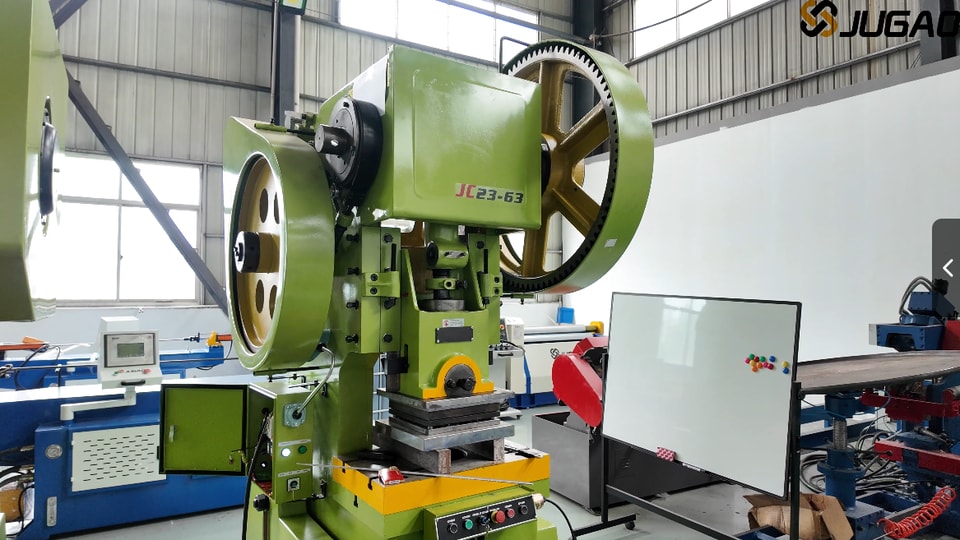 Understanding Punching Machines: Principles, Types, and Selection
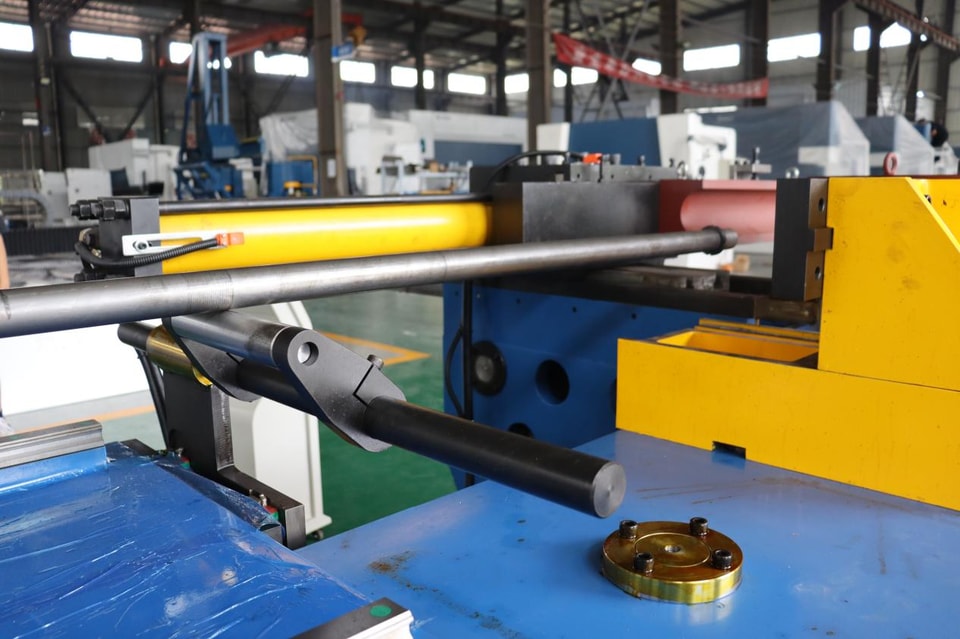 How can one effectively follow the installation guidelines for a pipe-bending machine?
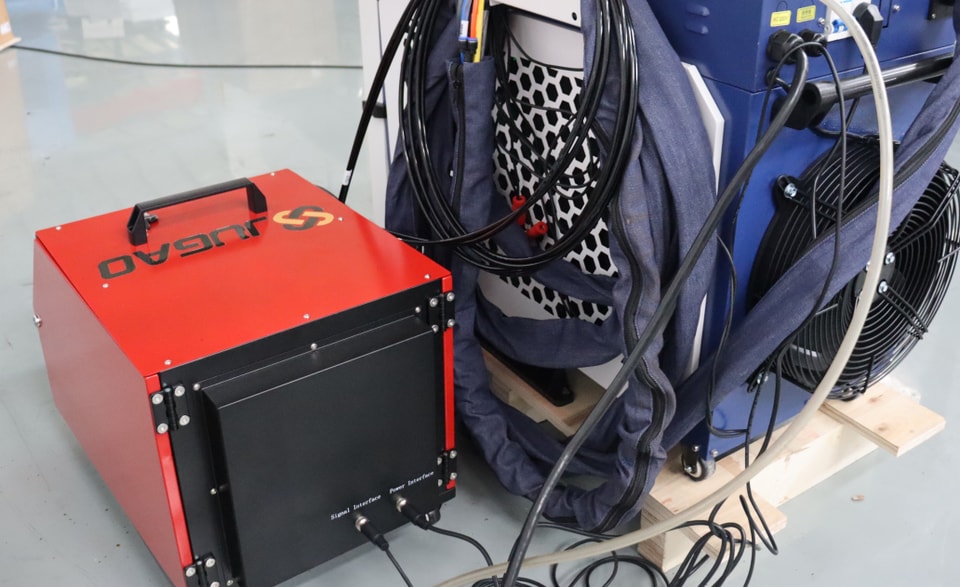 For which types of products is an automatic wire-feeding laser welding machine suitable?
 What Are the Latest Punching Machine Trends and Technological Breakthroughs?
Engineering review
Send a drawing.
Get an engineer.
Standard selections answered within 4 hours. Parts outside the rules get a written process review within 24 hours.
- Part drawing: DXF, DWG, STEP or PDF
- Material and thickness
- Longest bend or cut length
- Yearly volume
Write to info@ntjugao.com or message the factory on WhatsApp +86 132 2211 1178.
Drawings (DXF, DWG, STEP, PDF): attach them to an email to info@ntjugao.com, quoting your name.