 Get a quote
Resources
Operating Procedures and Precautions for CNC Four-Roll Plate Rolling Machines
CNC four-roll plate rolling machines are widely used in metal sheet processing. Proper operating procedures and precautions are crucial for ensuring operational safety and improving processing efficiency. The following are detailed operating procedures and precautions.
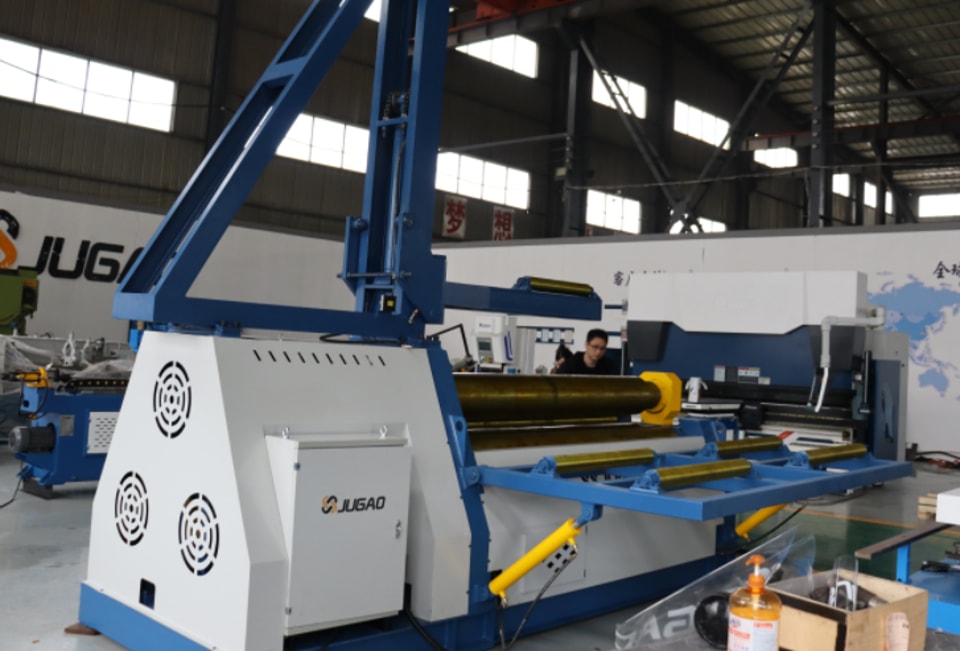
I. Operating Procedures
Preparation
**Confirm Equipment Status:** Before operation, check the mechanical parts and electronic control system of the four-roll plate rolling machine to ensure there are no malfunctions.
**Check Tools and Materials:** Confirm the specifications, material, and quantity of the metal sheet to be processed, ensuring the equipment matches the material.
**Program Setting:**
**Program Selection:** Select or write the appropriate CNC program according to the processing requirements and input it into the control system.
**Parameter Setting:** Adjust the relevant parameters of the plate rolling machine, such as the rolling radius and pre-rolling width, to ensure they meet the processing requirements.
**Equipment Startup:**
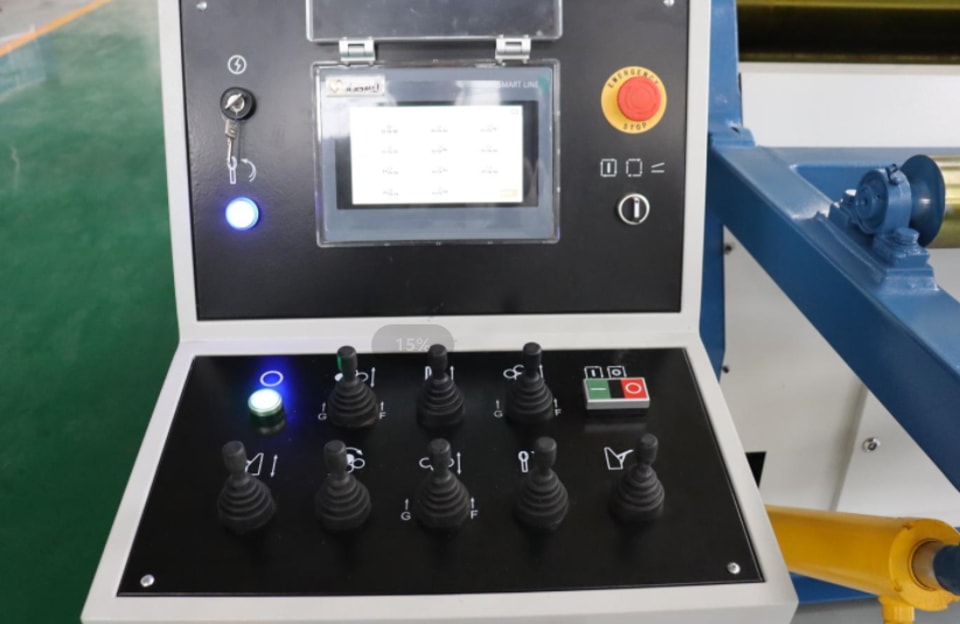
**Start-up Test:** Before starting, press the machine's power button to perform a self-test, checking that all indicator lights and alarm systems are functioning correctly.
**Initialization Operation:** Initialize the CNC system by clicking the "Start" button and waiting for the system to complete initialization.
**Initialization Operation:** Material Loading
**Sheet Installation:** Place the metal sheet to be rolled on the plate rolling machine's worktable, ensuring accurate positioning.
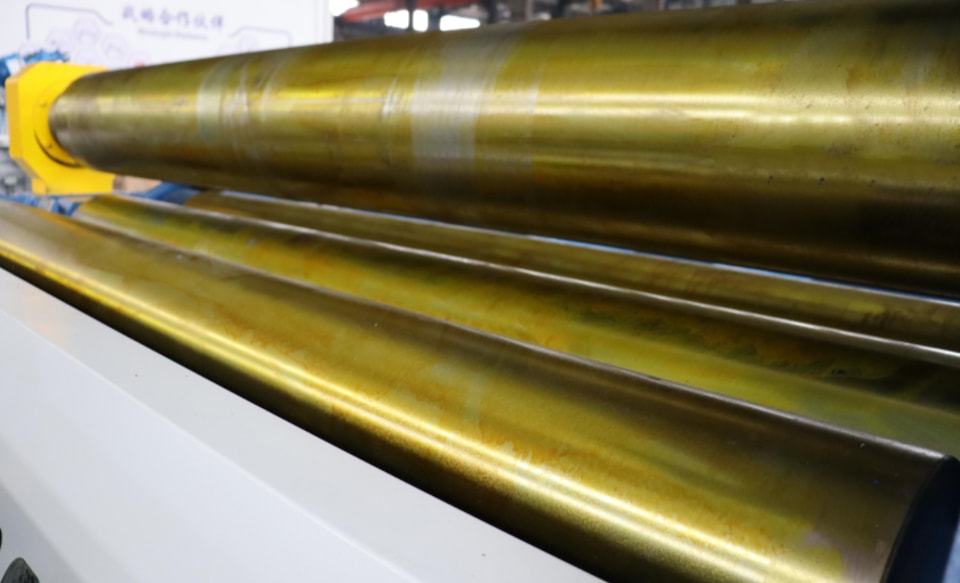
**Roller Gap Adjustment:** Adjust the distance between the four rollers according to the sheet thickness to ensure the material is not damaged after clamping.
**Rolling Operation:**
**Start Rolling:** Start the rolling function and gradually increase the pressure to ensure the material smoothly enters the rolling process.
**Process Monitoring:** Observe the machine during rolling. If any abnormalities are detected, stop the machine immediately.
**Complete Rolling:**
**Stop Equipment:** After rolling is complete, press the stop button. Wait for the equipment to stop completely before proceeding with subsequent operations.
**Material Removal:** Carefully remove the rolled sheet, taking care not to damage the finished product.
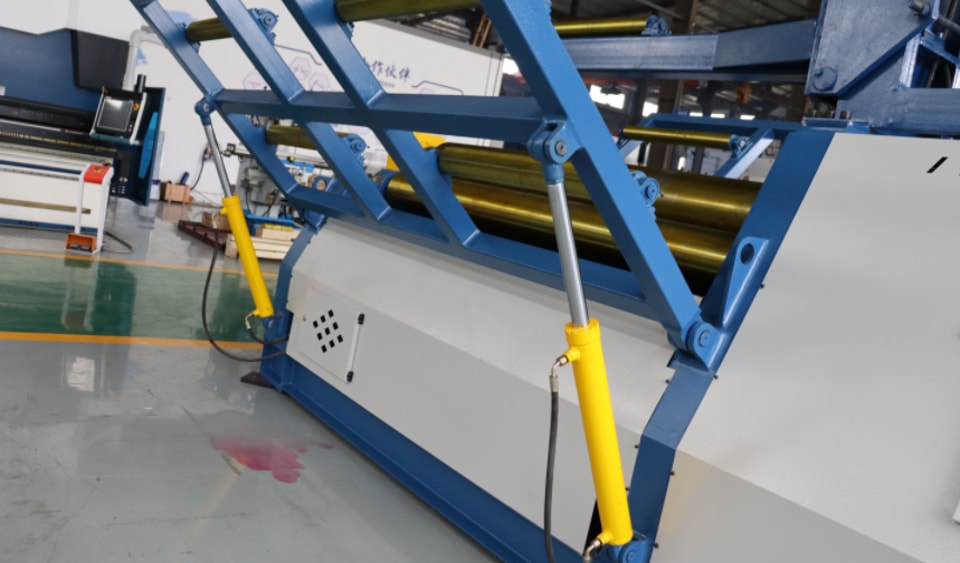
II. Precautions
**Safety Protection:** Wear safety gear, such as gloves and goggles, before operation to ensure your safety.
**Environmental Cleanliness:** Keep the work area clean and promptly remove waste and debris to prevent accidents.
**Regular Maintenance:** Perform regular maintenance and upkeep of the machine to ensure stable mechanical performance and extend its service life. Emergency Stop: Familiarize yourself with the equipment's emergency stop mechanism to react quickly in case of an emergency.
Training Knowledge: Ensure operators receive specialized training and understand the basic operation and troubleshooting of the CNC system.
III. Troubleshooting
During operation, you may encounter some common problems:
Poor Curling: If uneven curling occurs, check the roller gap and whether the material placement is correct.
Abnormal Noise: If the machine emits abnormal noise, stop immediately and check the transmission components and lubrication.
CNC System Failure: If the control system is slow to respond, check the power supply and connection cables.
By following proper operating procedures and precautions, you can effectively improve the working efficiency of the CNC four-roll plate bending machine and ensure operational safety. Pay close attention to every detail to ensure smooth processing.
Related
Keep
reading.
 How thick can a laser welding machine weld?
 The equipment suddenly stops working. What are the common faults? Can you troubleshoot it yourself?
 Understanding the Environmental Footprint of Punching Machines
 What equipment is best for welding stainless steel? Are there risks of weak welds or deformation?
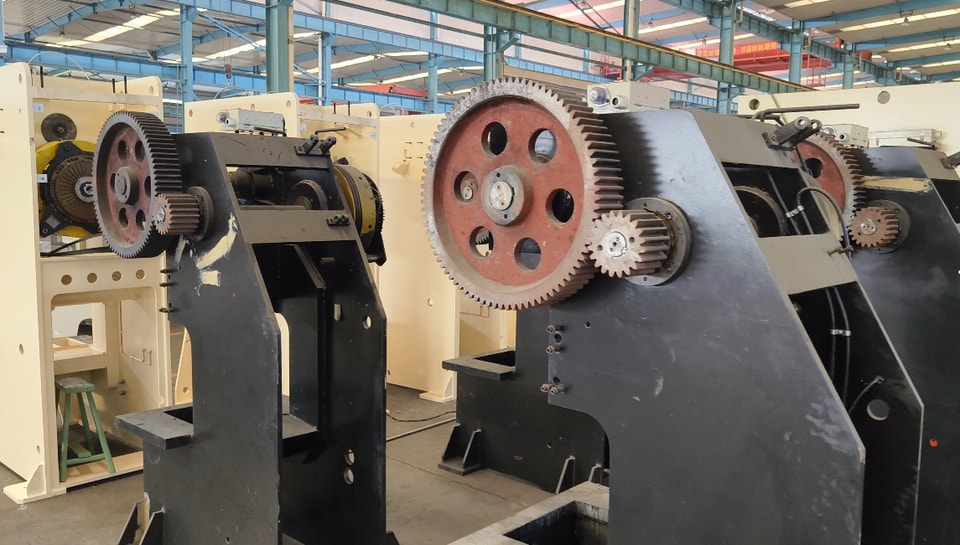 CNC Turret Punch Presses Explained: Architecture and Operation
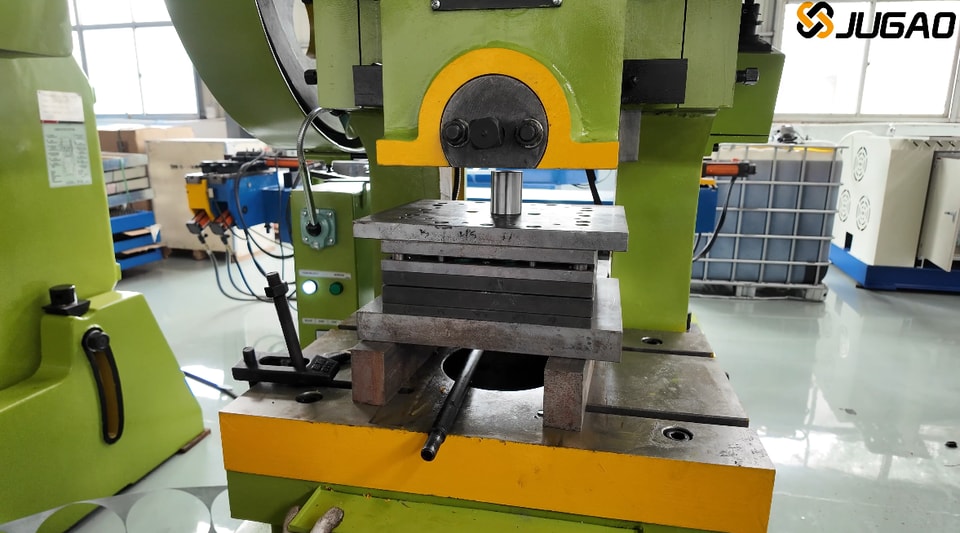 Key Factors Governing Optimal Punch Press Tonnage
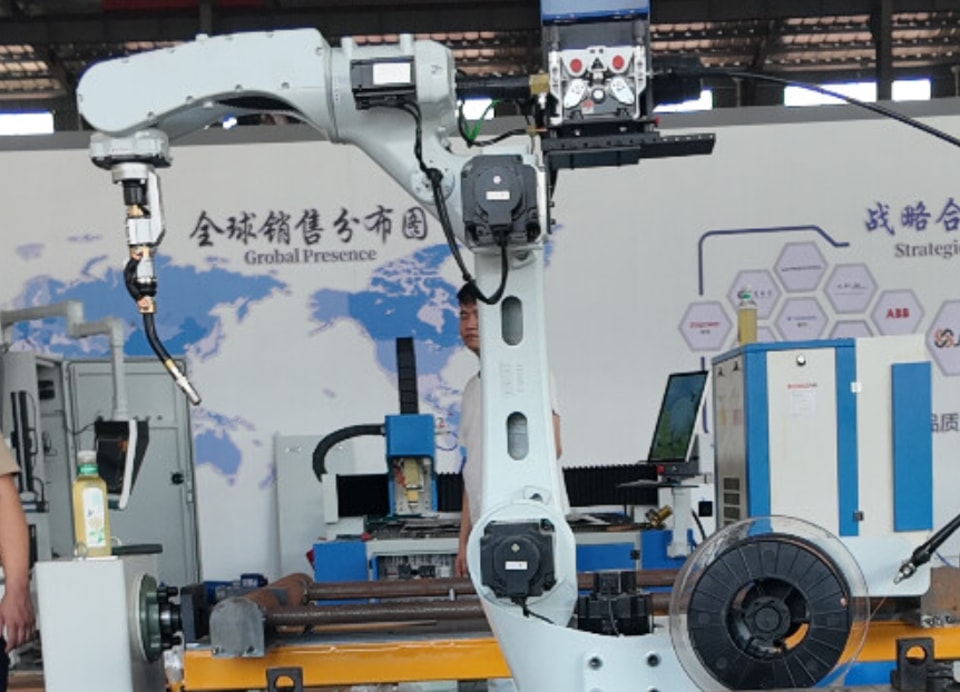 Comparison of Laser Welding Results and Application Scenarios Across Different Materials
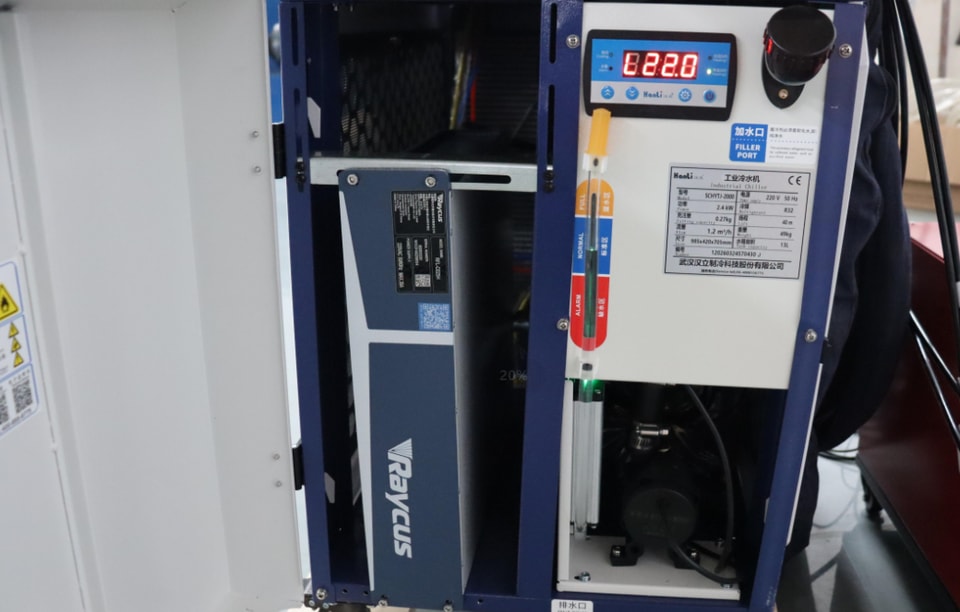 How to Choose Between Air-Cooled and Water-Cooled Laser Welding Systems
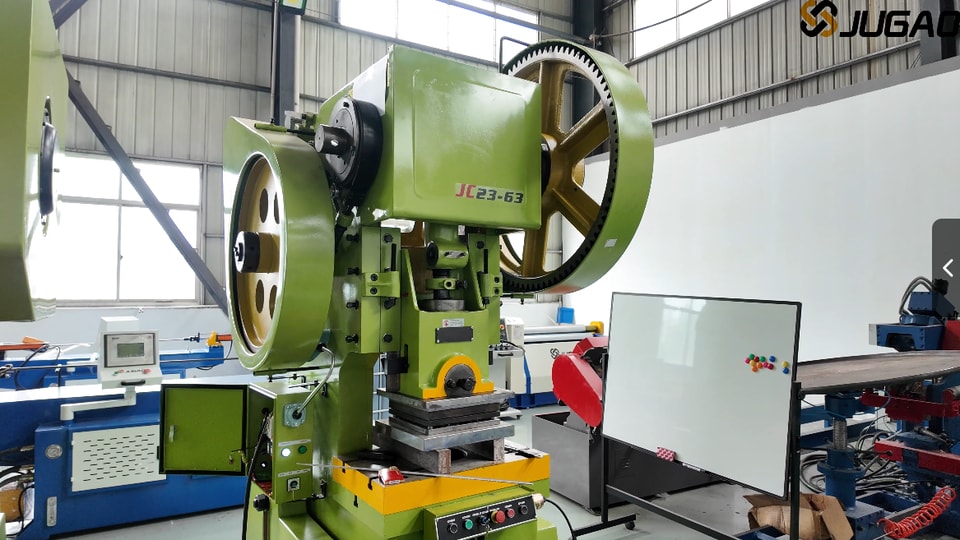 Understanding Punching Machines: Principles, Types, and Selection
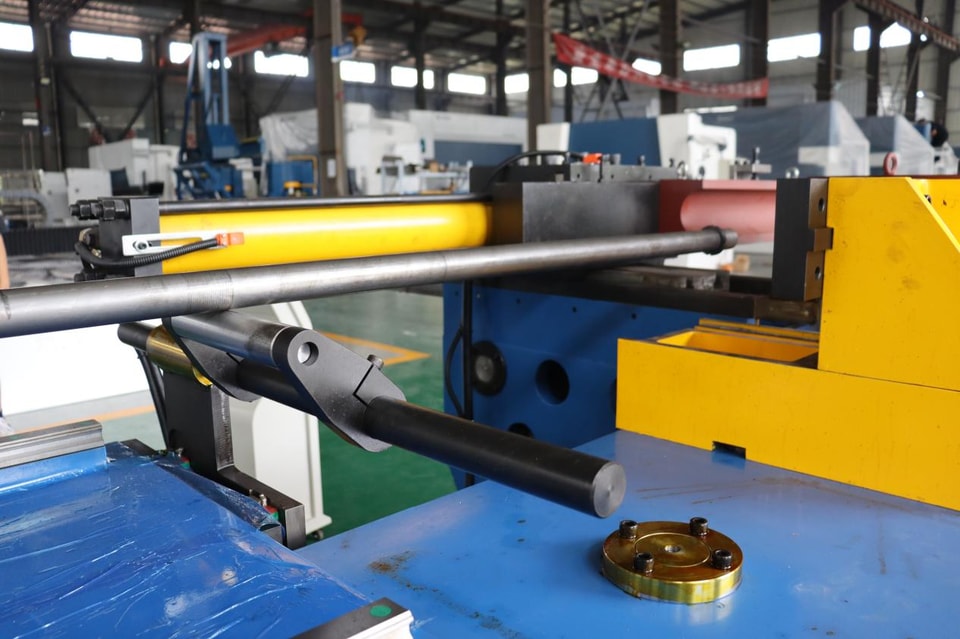 How can one effectively follow the installation guidelines for a pipe-bending machine?
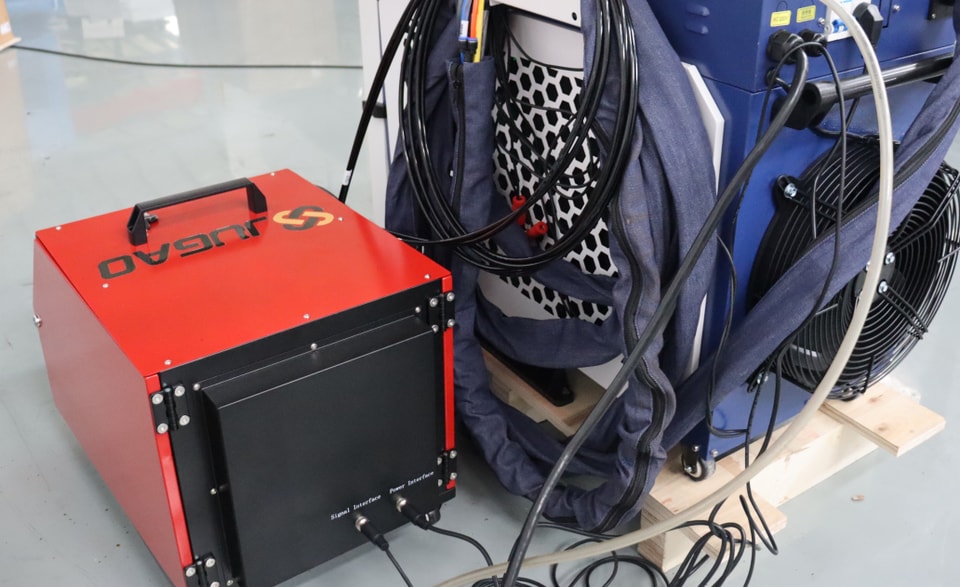 For which types of products is an automatic wire-feeding laser welding machine suitable?
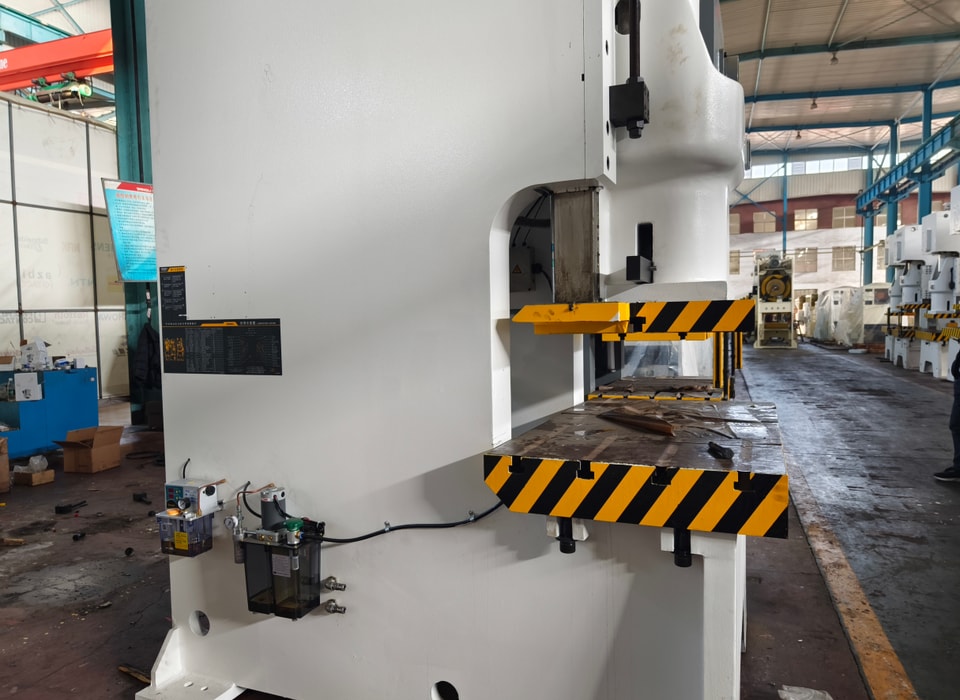 What Are the Latest Punching Machine Trends and Technological Breakthroughs?
Engineering review
Send a drawing.
Get an engineer.
Standard selections answered within 4 hours. Parts outside the rules get a written process review within 24 hours.
- Part drawing: DXF, DWG, STEP or PDF
- Material and thickness
- Longest bend or cut length
- Yearly volume
Write to info@ntjugao.com or message the factory on WhatsApp +86 132 2211 1178.
Drawings (DXF, DWG, STEP, PDF): attach them to an email to info@ntjugao.com, quoting your name.