 Get a quote
Resources
Key Technical Parameters of Marine Plate Rolling Machines
Marine plate rolling machines play a crucial role in shipbuilding and repair, and their technical parameters directly affect their performance and efficiency. Below are some key technical parameters of marine plate rolling machines.
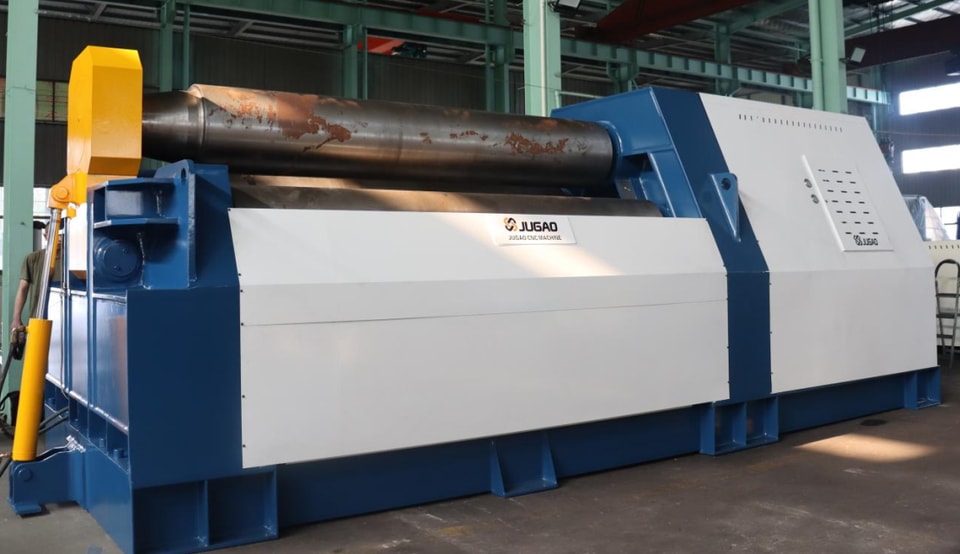
1. Maximum Rolling Thickness
This refers to the maximum thickness of material the plate rolling machine can process. Different types of plate rolling machines are suitable for materials of different thicknesses, typically between 5mm and 100mm. This parameter determines the applicable range of the plate rolling machine. For shipbuilding, the thickness of the rolled steel plate is an important consideration.
2. Maximum Rolling Width
This refers to the maximum width of material the plate rolling machine can process, typically ranging from 1000mm to 4000mm. The choice of width also depends on the design requirements of the ship. Wider plate rolling machines are suitable for building large ships, enabling more efficient processing of large-format steel plates.
3. Rolling Diameter
This refers to the diameter of the cylinder after rolling. Different rolling diameters affect the degree of material curling, thus affecting the structural strength of the hull. Typically, the available rolling diameters range from 1000mm to 5000mm.
4. Drive Method:
Marine plate rolling machines can be driven electrically or hydraulically. Electric drives are suitable for smaller-scale operations and offer higher efficiency. Hydraulic drives are suitable for heavier workloads, providing higher rolling pressure and smoother operation.
5. Rolling Accuracy:
Rolling accuracy refers to the precision with which the plate rolling machine processes materials, including the neatness of the finished product's edges and errors during the rolling process. This indicator has a significant impact on subsequent material processing and the overall quality of the ship.
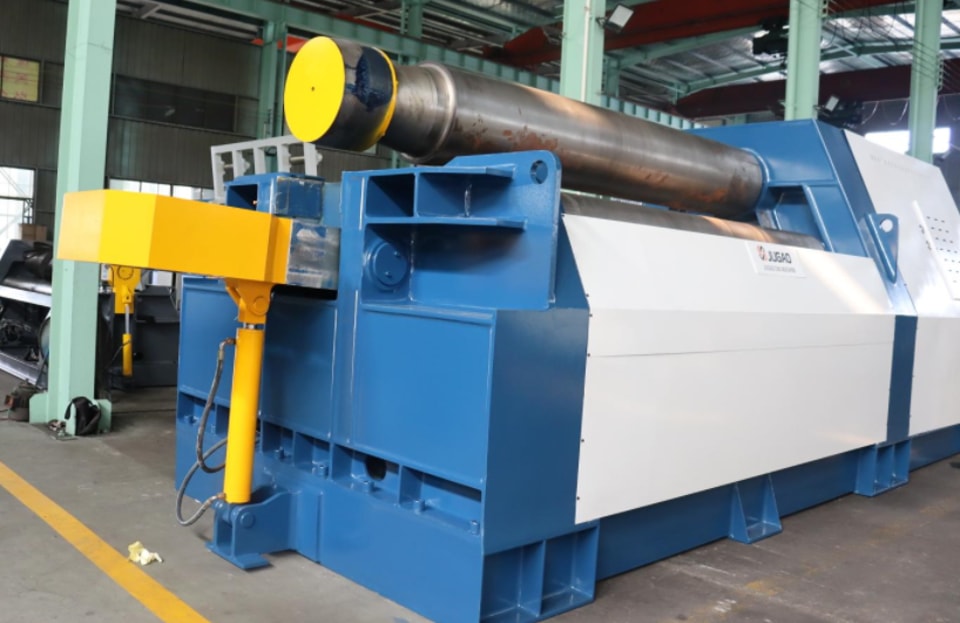
6. Rolling Speed:
This refers to the operating speed of the plate rolling machine, usually measured in inches per minute or meters per minute. Appropriate selection of the rolling speed can improve work efficiency and should be adjusted according to the material thickness and machine type.
7. Control System:
Modern marine plate rolling machines commonly employ PLC control systems, enabling automated operation and precise control. This system provides ease of operation and high efficiency, helping to improve production speed.
8. Roller Material and Design
The roller material directly affects the durability and performance of the plate rolling machine. High-strength steel is generally used to extend its service life. The roller design needs to be optimized for different rolled materials to ensure optimal contact and pressure.
9. Weight and Structure
The weight of the plate rolling machine affects its stability and durability. A rational structural design can reduce vibration and displacement, which is an important factor affecting rolling quality.
10. Safety Protection Devices
Marine plate rolling machines must be equipped with comprehensive safety protection devices, such as protective covers and emergency stop switches, to ensure the safety of operators. Safety is paramount in the shipbuilding industry.
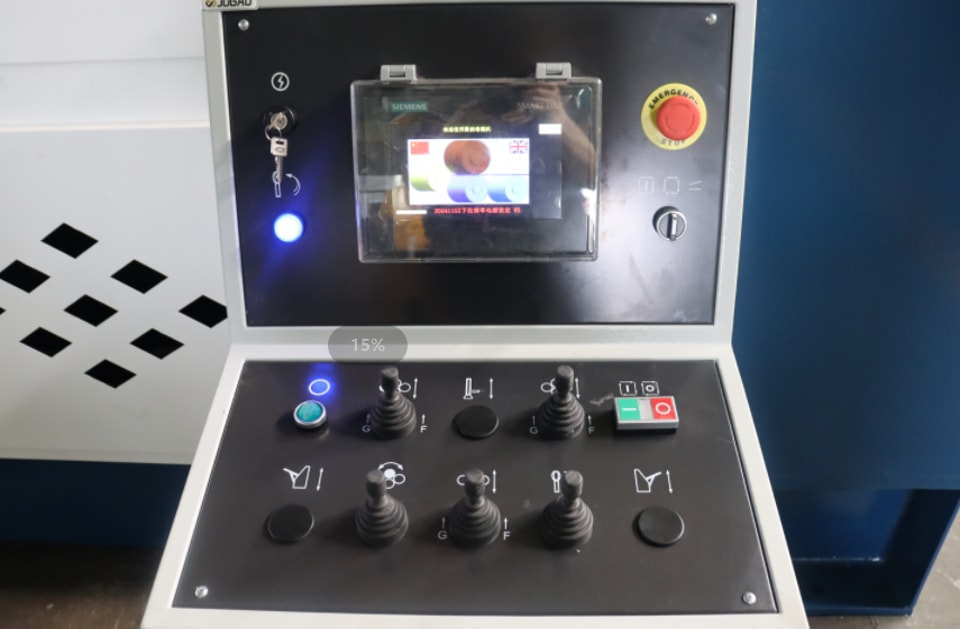
Key technical parameters of marine plate rolling machines include maximum rolling thickness, maximum rolling width, rolling diameter, drive method, rolling accuracy, rolling speed, control system, roller material and design, weight and structure, and safety protection devices. These parameters directly relate to the performance and effectiveness of the plate rolling machine. Shipbuilding and repair companies should select a suitable plate rolling machine according to their own needs to improve production efficiency and product quality.
Related
Keep
reading.
 How thick can a laser welding machine weld?
 The equipment suddenly stops working. What are the common faults? Can you troubleshoot it yourself?
 Understanding the Environmental Footprint of Punching Machines
 What equipment is best for welding stainless steel? Are there risks of weak welds or deformation?
 CNC Turret Punch Presses Explained: Architecture and Operation
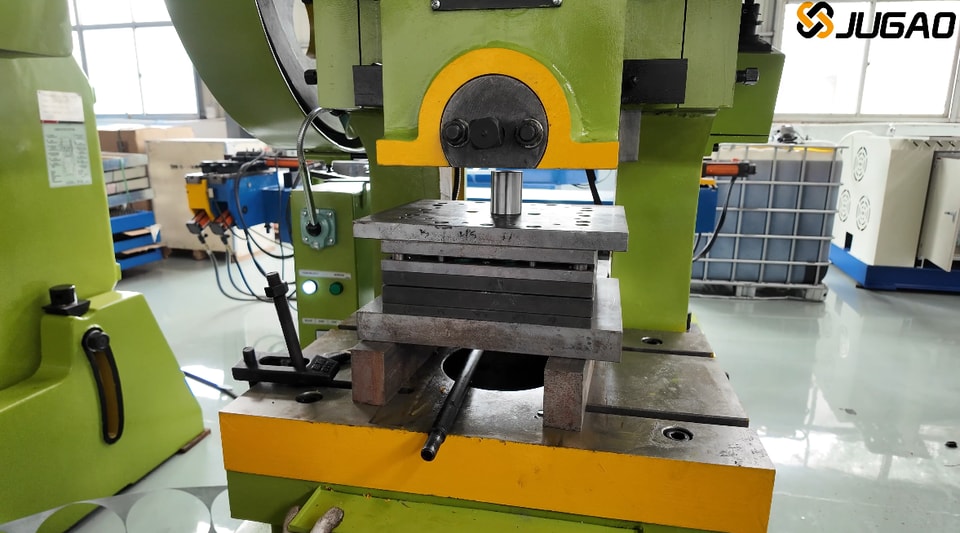 Key Factors Governing Optimal Punch Press Tonnage
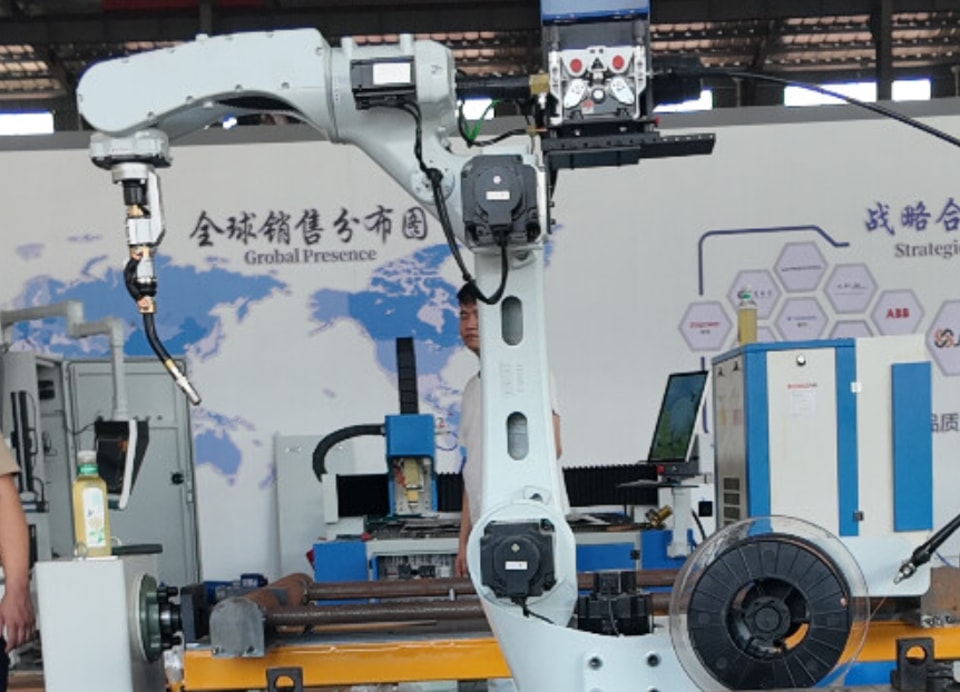 Comparison of Laser Welding Results and Application Scenarios Across Different Materials
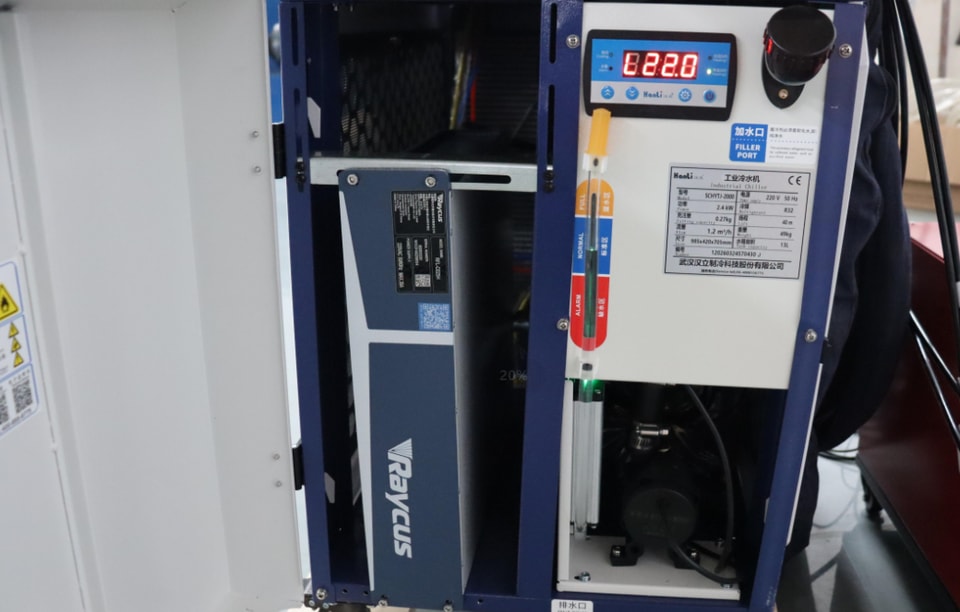 How to Choose Between Air-Cooled and Water-Cooled Laser Welding Systems
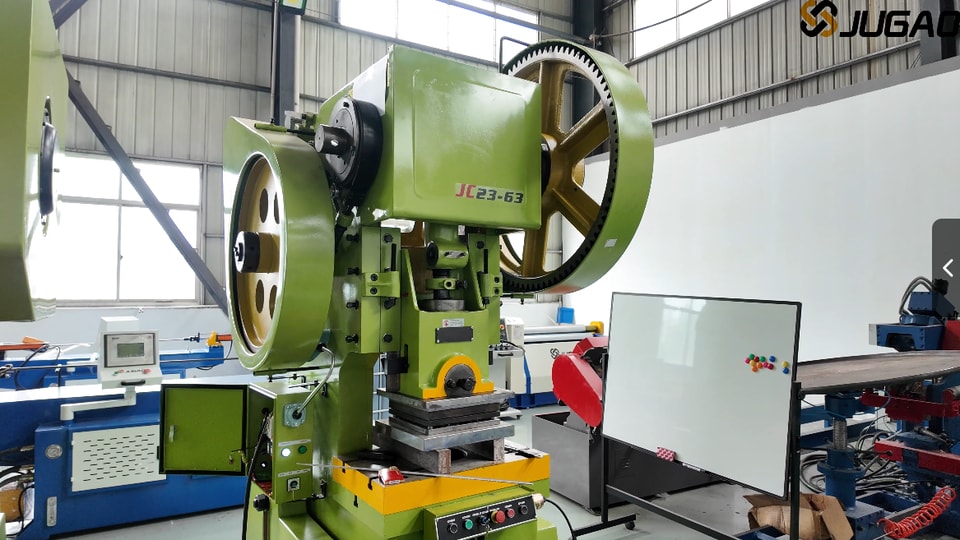 Understanding Punching Machines: Principles, Types, and Selection
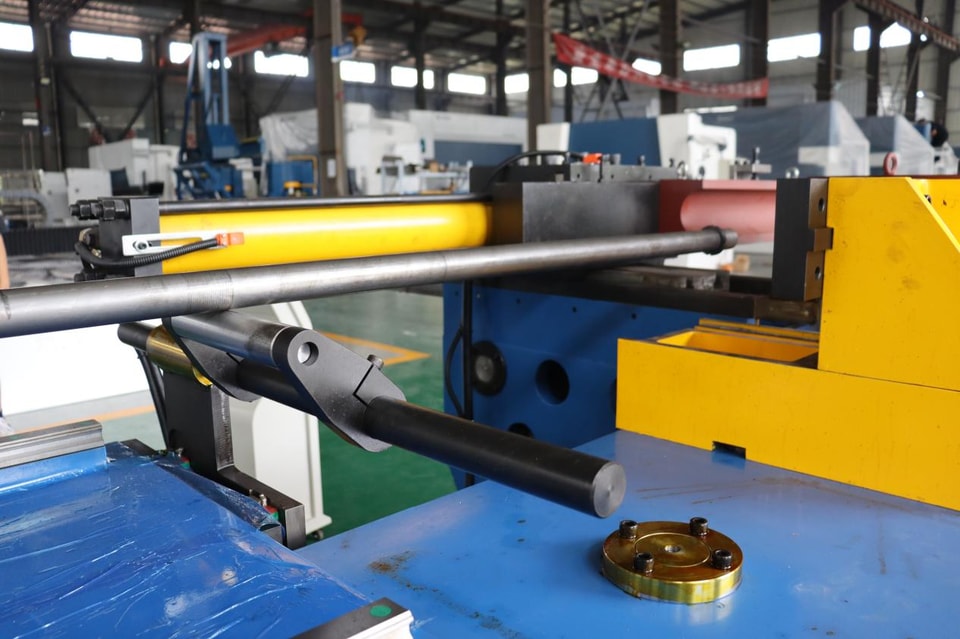 How can one effectively follow the installation guidelines for a pipe-bending machine?
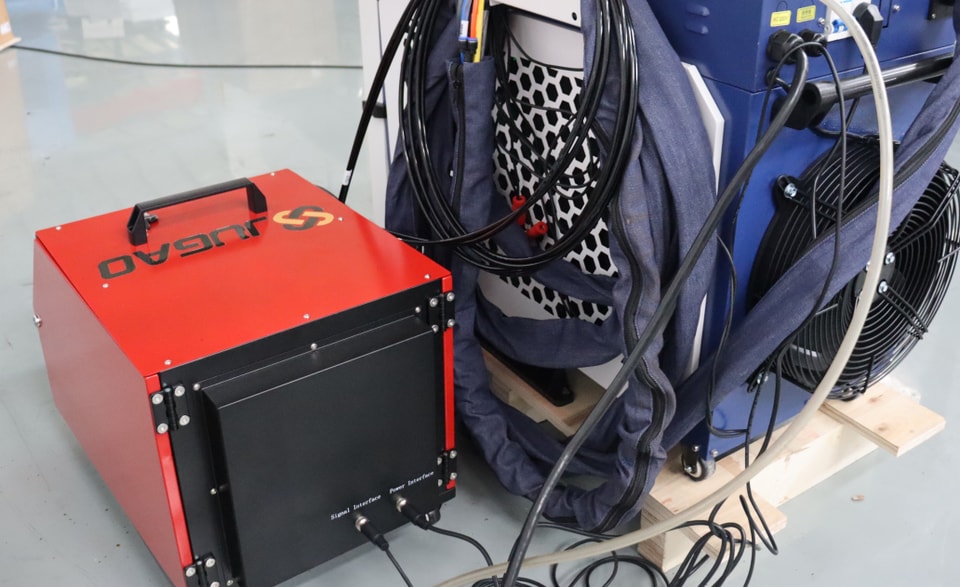 For which types of products is an automatic wire-feeding laser welding machine suitable?
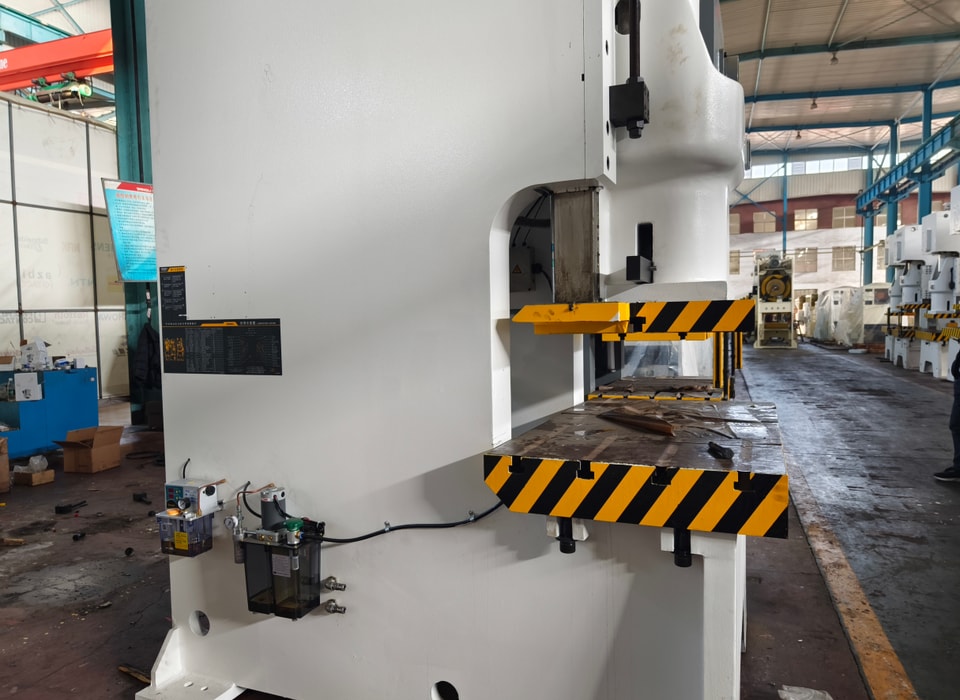 What Are the Latest Punching Machine Trends and Technological Breakthroughs?
Engineering review
Send a drawing.
Get an engineer.
Standard selections answered within 4 hours. Parts outside the rules get a written process review within 24 hours.
- Part drawing: DXF, DWG, STEP or PDF
- Material and thickness
- Longest bend or cut length
- Yearly volume
Write to info@ntjugao.com or message the factory on WhatsApp +86 132 2211 1178.
Drawings (DXF, DWG, STEP, PDF): attach them to an email to info@ntjugao.com, quoting your name.