 Get a quote
Resources
How to diagnose a fault in a hydraulic symmetrical plate rolling machine
Hydraulic symmetrical plate rolling machines are widely used in metal processing; however, malfunctions may occur after prolonged operation.
Determining if a hydraulic symmetrical plate rolling machine is malfunctioning can be analyzed from several aspects.
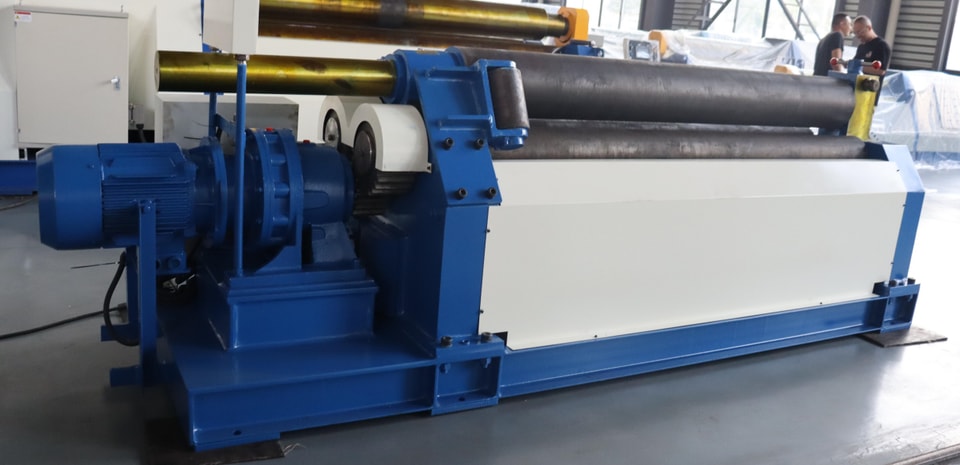
**Observe the machine's operating status.** Under normal circumstances, a hydraulic symmetrical plate rolling machine operates smoothly with a uniform sound.
If abnormal noises are heard during operation, such as creaking or clanging sounds, it may indicate wear or loosening of internal components.
**Check the hydraulic system pressure.** The hydraulic symmetrical plate rolling machine relies on the hydraulic system for pressure, which must be maintained within the set range.
Use a pressure gauge to monitor the hydraulic oil pressure. If the pressure is found to be too high or too low, immediately check the hydraulic oil level and the working status of the oil pump. Leaks can also cause insufficient pressure; check for oil seepage from hydraulic oil pipes and joints.
Furthermore, monitor the operating accuracy of the plate rolling machine.
Under normal circumstances, the rolling effect of the machine should meet technical standards. If uneven rolling or curled edges occur, it may be due to inaccurate calibration or component wear. The working status of the equipment can be judged by comparing the appearance and dimensions of the rolled plates.
Regularly checking the electrical control system is also a crucial step in diagnosing faults in hydraulic symmetrical plate rolling machines.
Electrical control malfunctions may cause the equipment to malfunction or operate unstablely. The operating status of the equipment can be confirmed by observing the indicator lights on the electrical control panel; if any abnormalities are found, the relevant circuits and components should be checked.
Furthermore, pay attention to the quality and temperature of the hydraulic fluid.
Deterioration of the hydraulic fluid will affect the operation of the equipment. The hydraulic fluid should be kept clean, changed regularly, and the oil temperature should be monitored to ensure it does not exceed the allowable range of the equipment. Excessive oil temperature may damage hydraulic components.
Inspect the mechanical parts, such as bearings, gears, and guide rails.
These components are prone to deformation or wear during operation. Regularly check their surfaces for cracks, dents, etc. If any abnormalities are found, they should be replaced or repaired promptly.
Understanding and recording the equipment's fault history can also provide a basis for diagnosis.
Fault records can help users analyze the frequency, type, and cause of equipment faults, which helps in developing targeted maintenance plans.
By comprehensively judging from the above aspects, faults in hydraulic symmetrical plate rolling machines can be effectively identified.
For each identified issue, users must take corresponding measures for repair or adjustment to ensure normal equipment operation and production efficiency.
Establishing a sound maintenance system is an effective means of preventing malfunctions.
Regular equipment inspections and necessary maintenance not only extend the equipment's lifespan but also effectively reduce the probability of malfunctions.
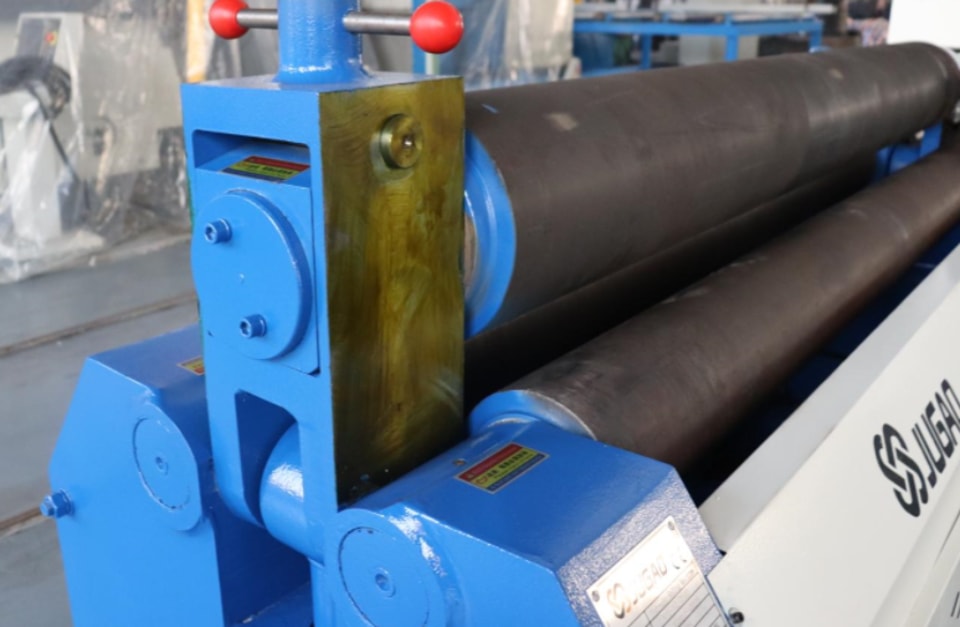
Judging malfunctions in hydraulic symmetrical plate rolling machines requires analysis from multiple dimensions, including operating status, hydraulic system pressure, operating precision, electronic control system, oil quality and temperature, mechanical condition, and fault history.
Through meticulous observation and regular maintenance, stable and efficient equipment operation can be effectively ensured.
Related
Keep
reading.
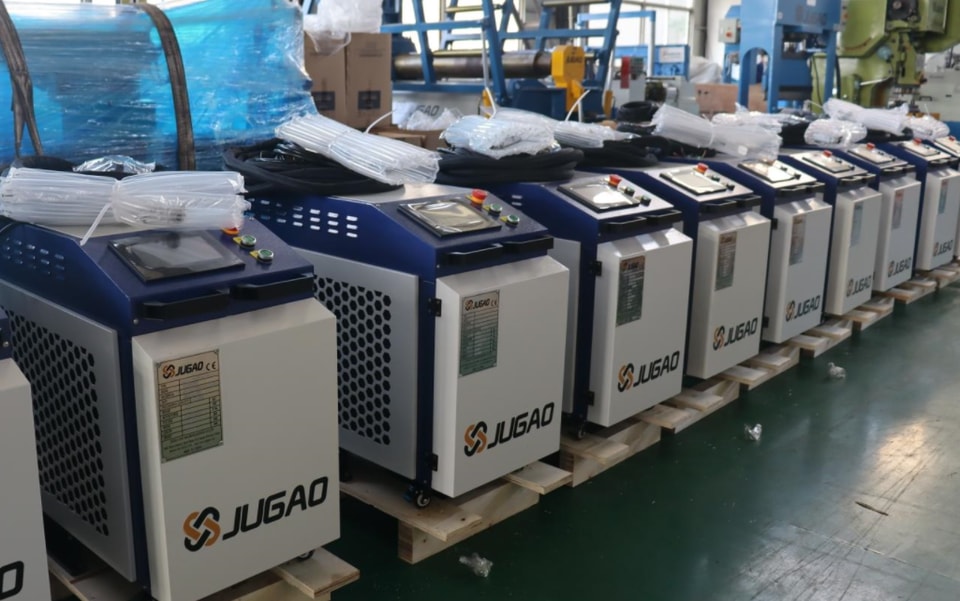 How thick can a laser welding machine weld?
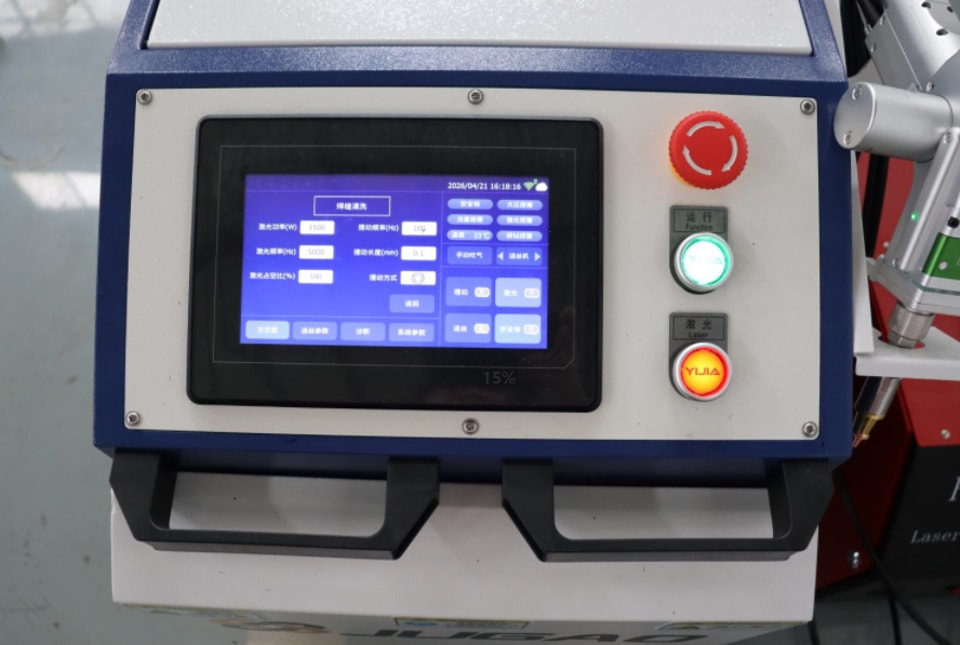 The equipment suddenly stops working. What are the common faults? Can you troubleshoot it yourself?
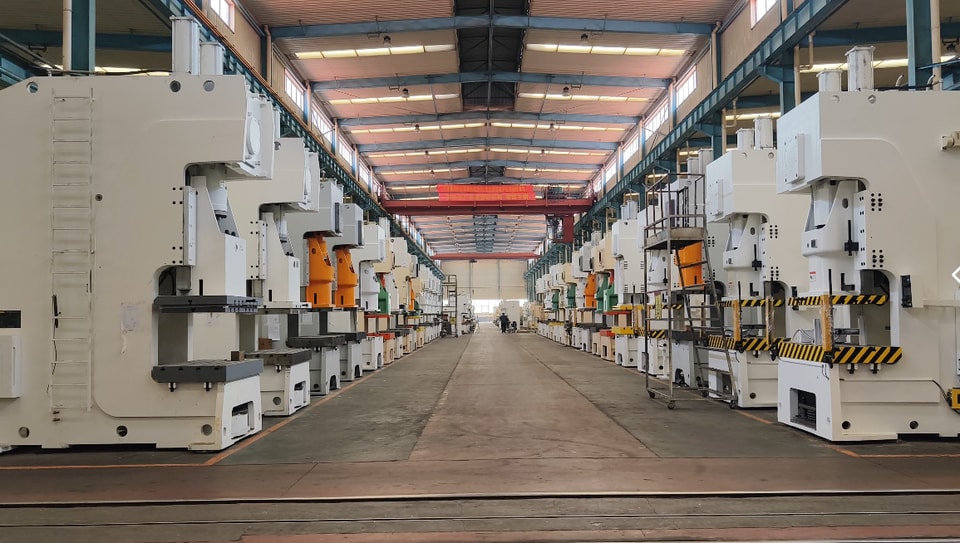 Understanding the Environmental Footprint of Punching Machines
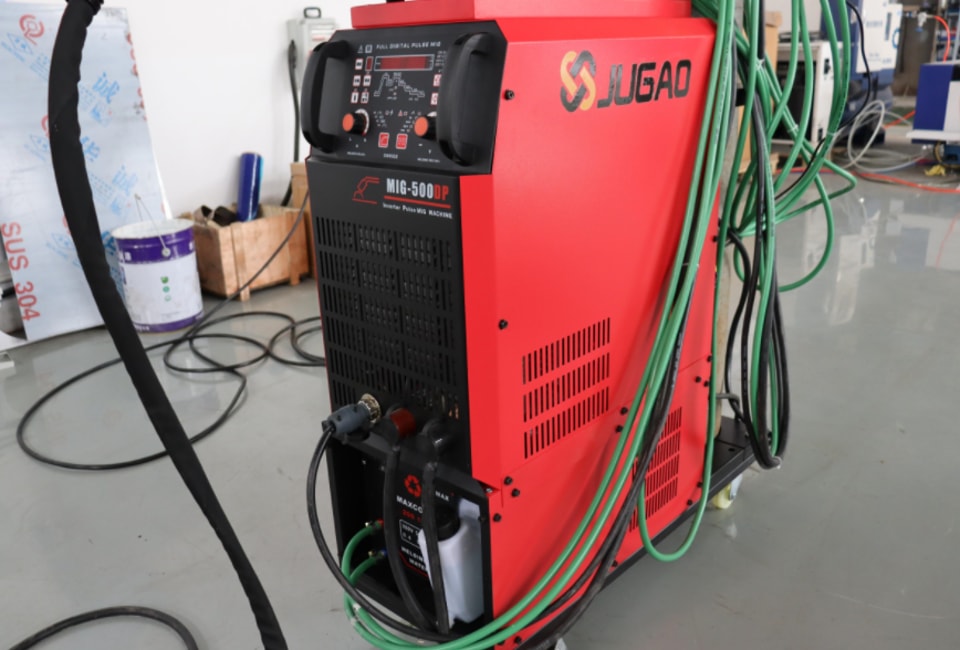 What equipment is best for welding stainless steel? Are there risks of weak welds or deformation?
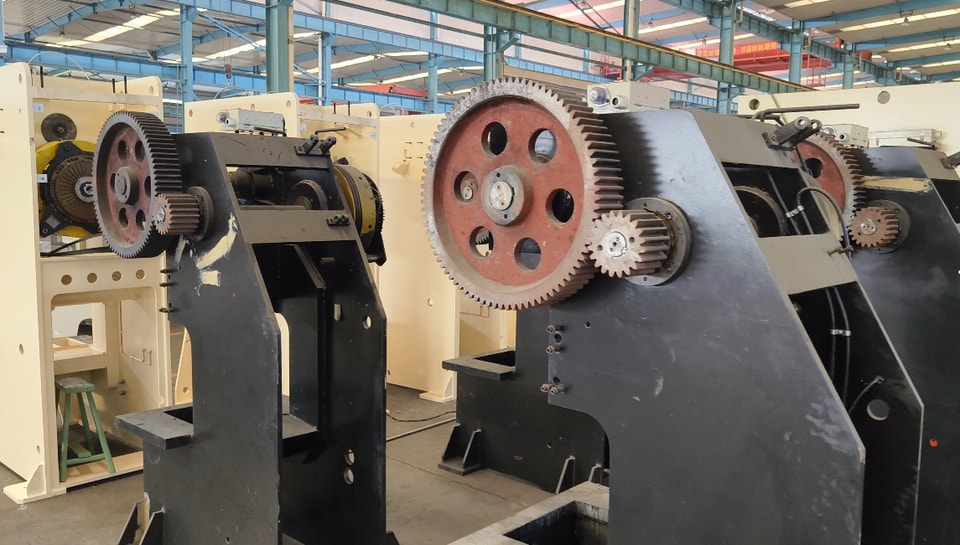 CNC Turret Punch Presses Explained: Architecture and Operation
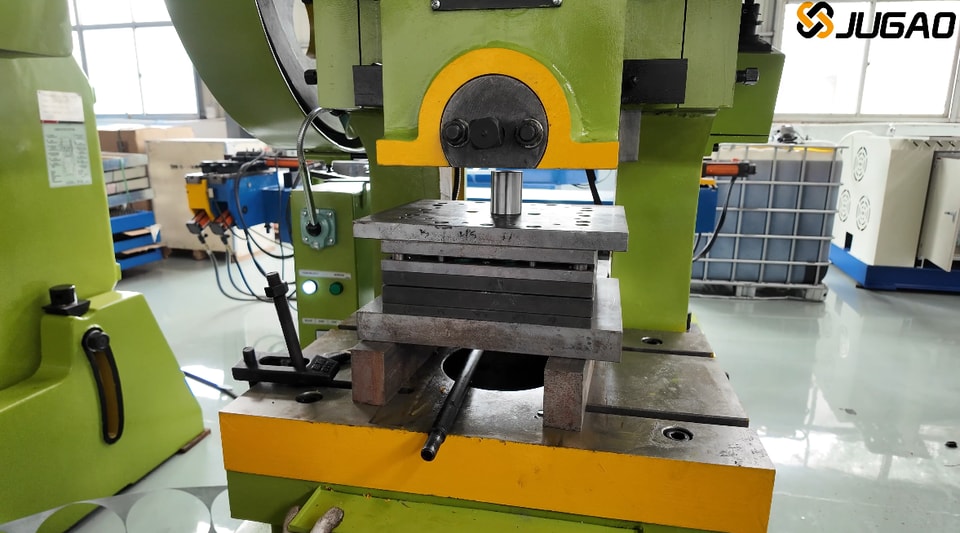 Key Factors Governing Optimal Punch Press Tonnage
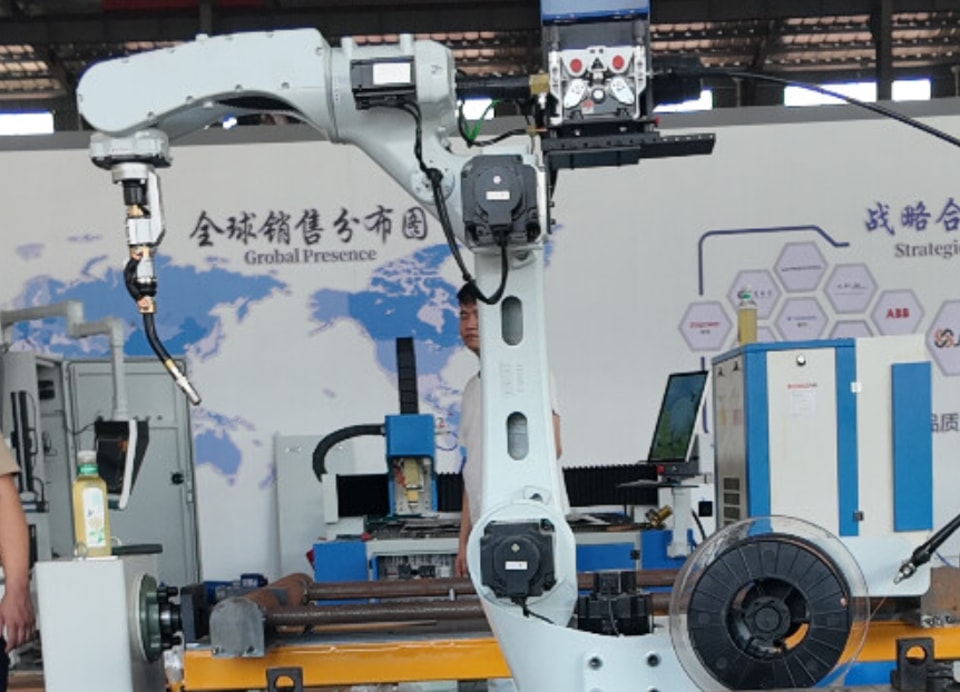 Comparison of Laser Welding Results and Application Scenarios Across Different Materials
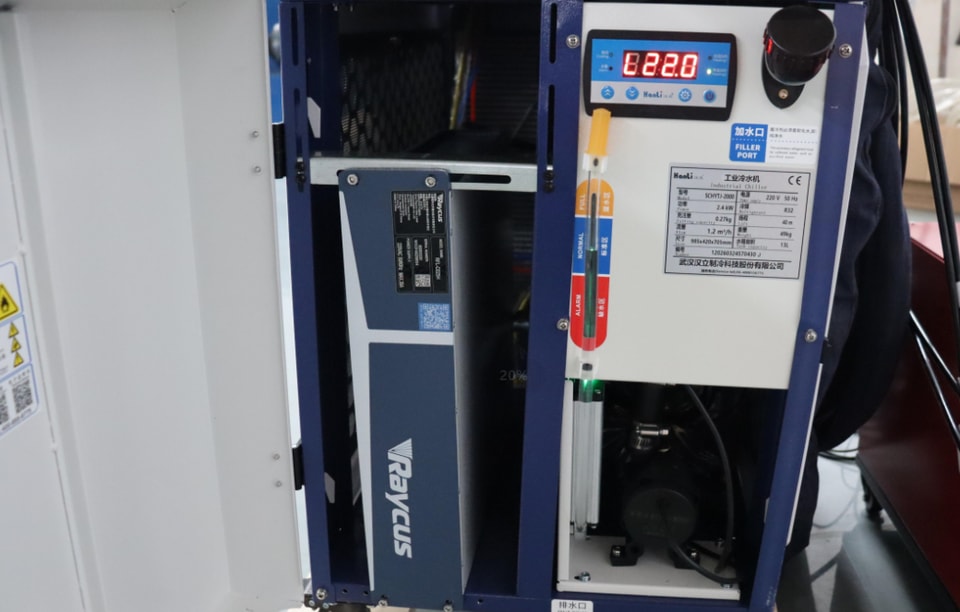 How to Choose Between Air-Cooled and Water-Cooled Laser Welding Systems
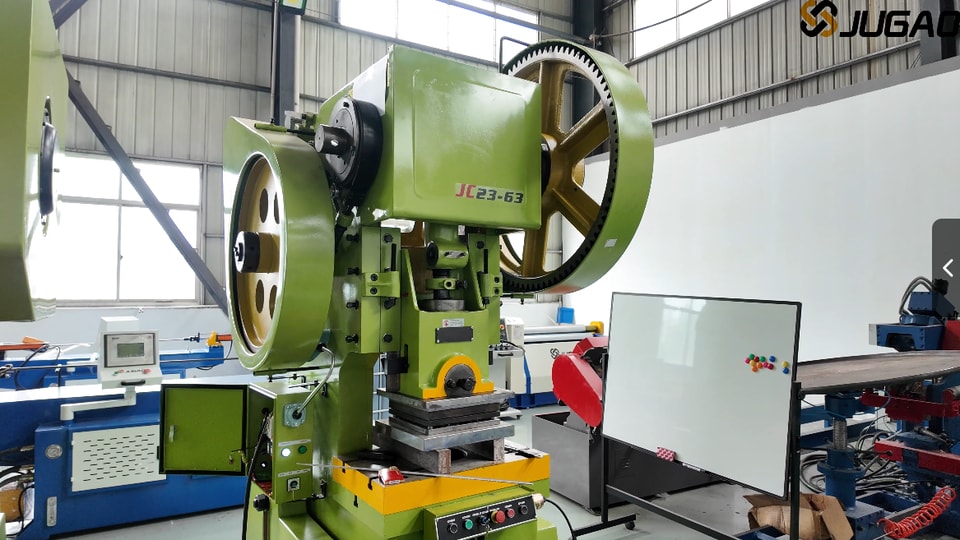 Understanding Punching Machines: Principles, Types, and Selection
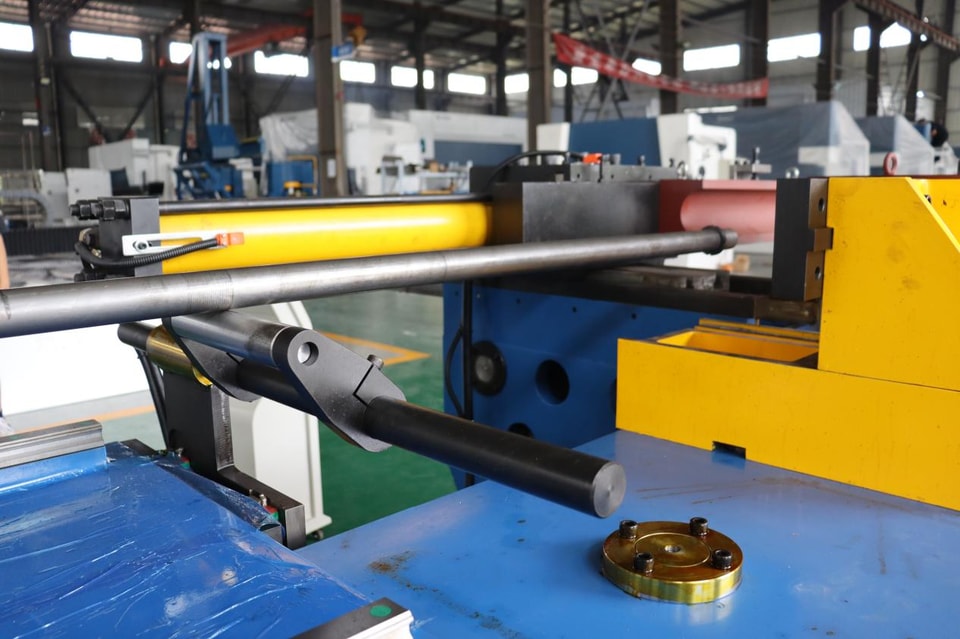 How can one effectively follow the installation guidelines for a pipe-bending machine?
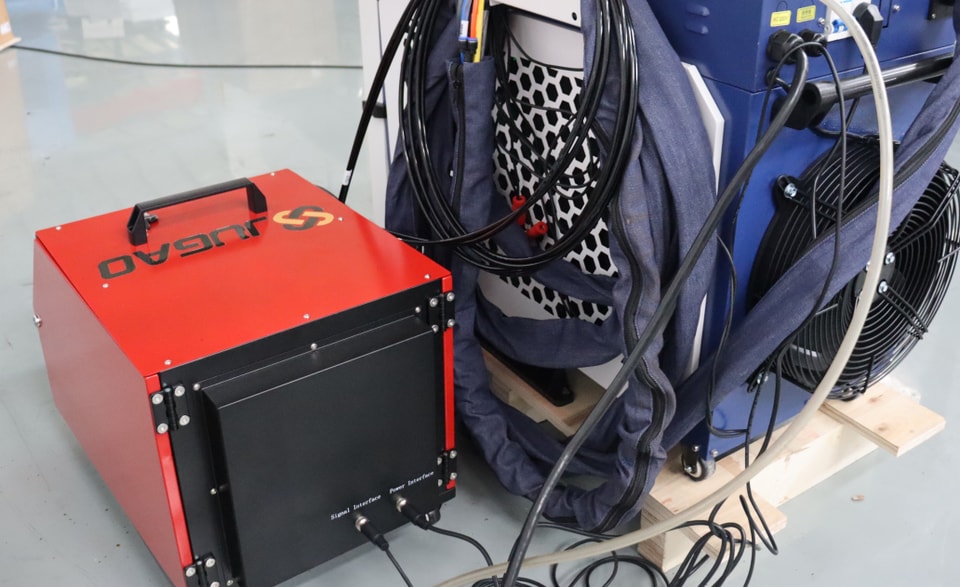 For which types of products is an automatic wire-feeding laser welding machine suitable?
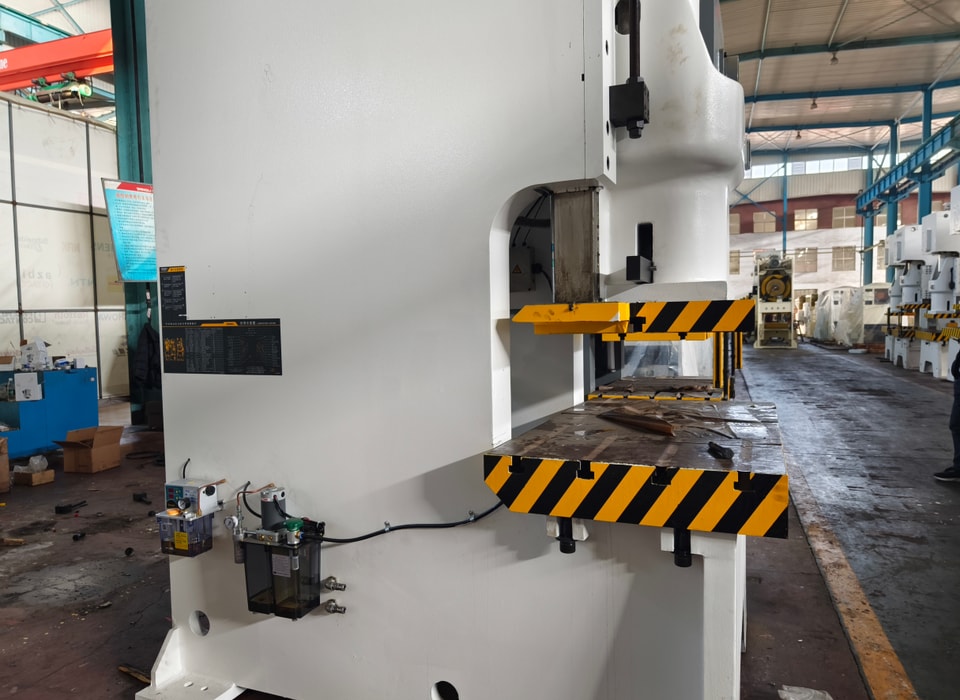 What Are the Latest Punching Machine Trends and Technological Breakthroughs?
Engineering review
Send a drawing.
Get an engineer.
Standard selections answered within 4 hours. Parts outside the rules get a written process review within 24 hours.
- Part drawing: DXF, DWG, STEP or PDF
- Material and thickness
- Longest bend or cut length
- Yearly volume
Write to info@ntjugao.com or message the factory on WhatsApp +86 132 2211 1178.
Drawings (DXF, DWG, STEP, PDF): attach them to an email to info@ntjugao.com, quoting your name.