 Get a quote
Resources
Four-Roll Plate Rolling Machine Working Principle and Operating Procedures
A four-roll plate rolling machine consists of four rolls. The upper roll is the main drive and its position is fixed. The lower roll is raised and lowered at both ends by hydraulic cylinders. Raising the lower roll clamps the head of the plate with the upper roll. The distance between the side rolls and the upper roll is adjusted as needed to bend the ends of the plate. Then, the lower roll descends, and the two side rolls rise, bending the plate into a cylindrical shape.
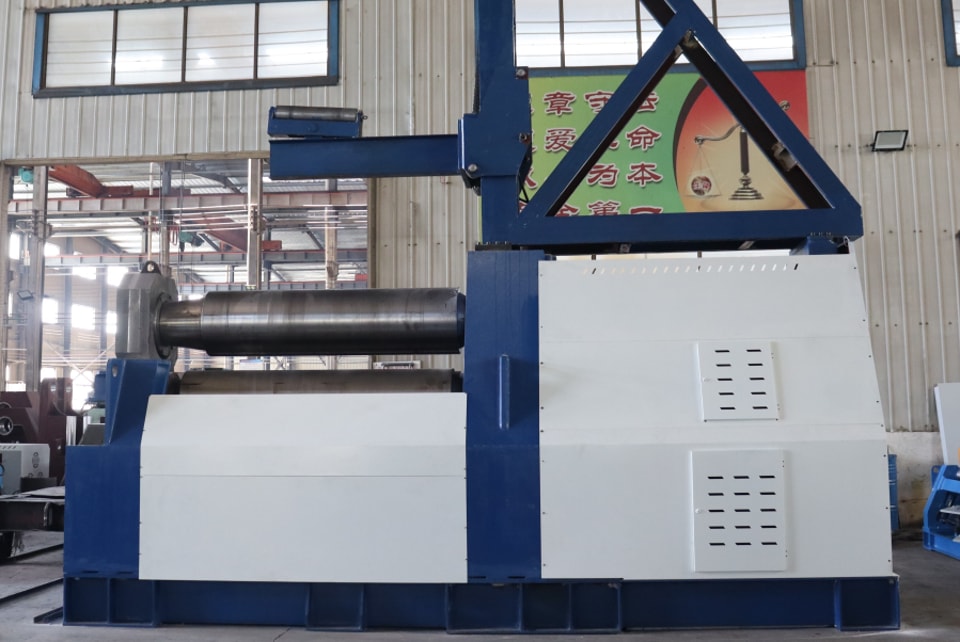
Any machine must be operated correctly according to the process requirements. Below, we will discuss the correct operating method of a four-roll plate rolling machine.
Generally, preparation should be made from the following aspects:
1. Understand the machine's function
A plate rolling machine is a general-purpose forging and pressing machine capable of bending non-metallic plates into cones, spheres, cylinders, or other shapes. This capability is widely used in manufacturing, boiler steam, chemical, non-metallic structures, and machinery manufacturing.
2. Understand the Machine's Working Principle
While the roller movements of a four-roller plate rolling machine and a three-roller plate rolling machine differ, their working principles are the same: both utilize the principle of three points forming a circle to roll plates of different radii. The upper roller remains stationary, while the lower roller moves upward in a straight line to clamp the steel plate. The side rollers move in straight lines or arcs towards the upper roller to adjust the curvature radius of the rolling drum.
3. Familiarize Yourself with Operating Procedures
(1) The plate rolling machine must be managed by a designated person.
(2) Operators must be familiar with the structure, performance, and usage of the plate rolling machine. Operation is only permitted after obtaining approval from the responsible manager.
(3) Before starting the machine, carefully check that all safety devices are in good working order.
(4) During operation, it is strictly forbidden to place hands or feet on the rollers, transmission components, or workpieces.
(5) After work is interrupted, the clutch should be shifted to neutral.
(6) When multiple people are working together, a designated person must be in charge of directing the operation.
(7) Overloading is strictly prohibited. (8) The tilting and resetting of the upper roller's lifting and tilting bearings, as well as the balancing of the upper roller, must be performed after the main drive has stopped.
(9) Workpieces and debris must not be piled up haphazardly in the work area. The machine tool and work area must be kept clean at all times.
(10) After operation, the power supply should be disconnected and the power box locked.

The four-roll CNC plate rolling machine is an important piece of equipment in enterprise production. You must operate it correctly during use; otherwise, not only will the equipment be damaged and production affected, but unexpected consequences may also occur.
Related
Keep
reading.
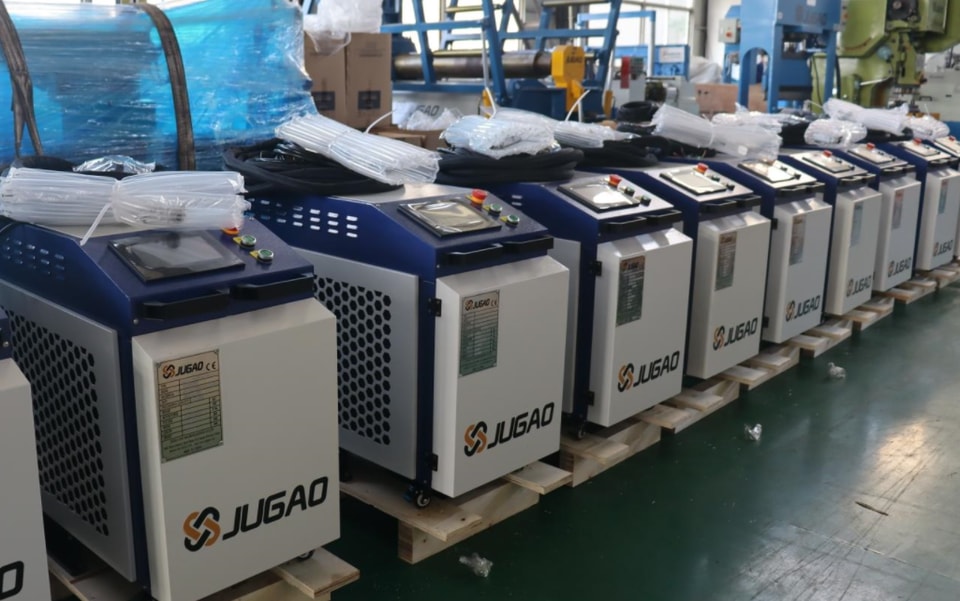 How thick can a laser welding machine weld?
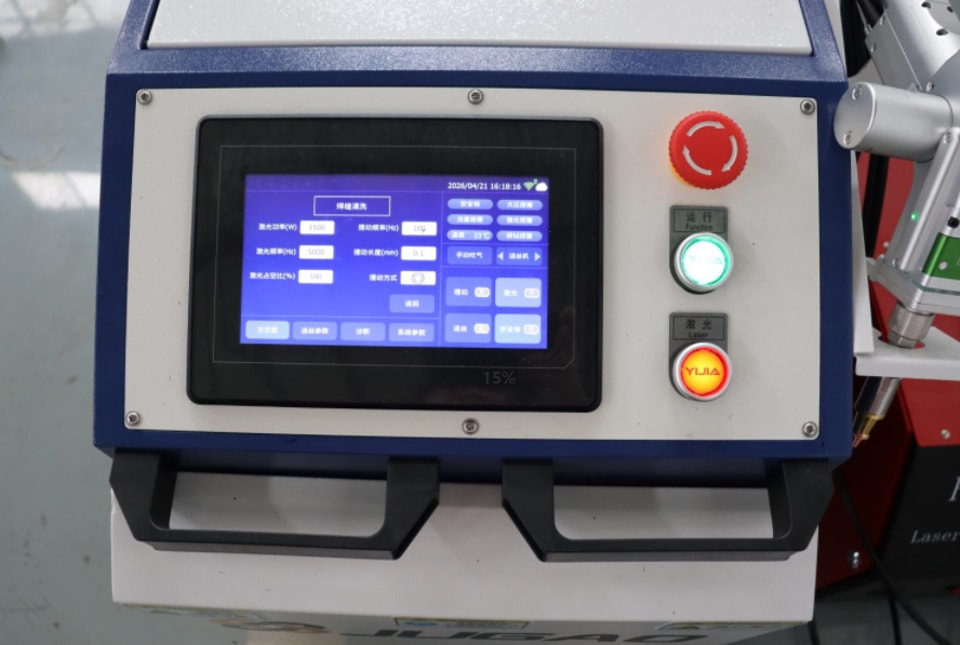 The equipment suddenly stops working. What are the common faults? Can you troubleshoot it yourself?
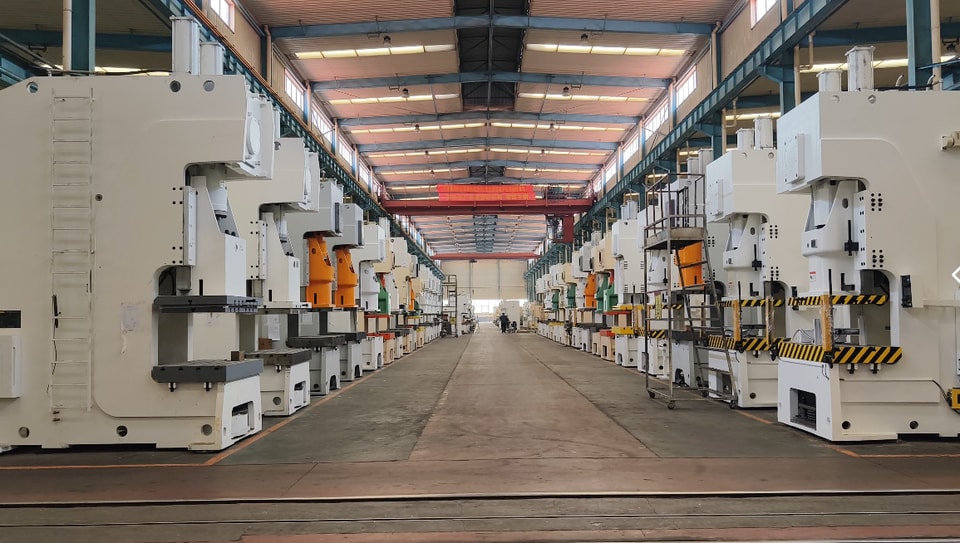 Understanding the Environmental Footprint of Punching Machines
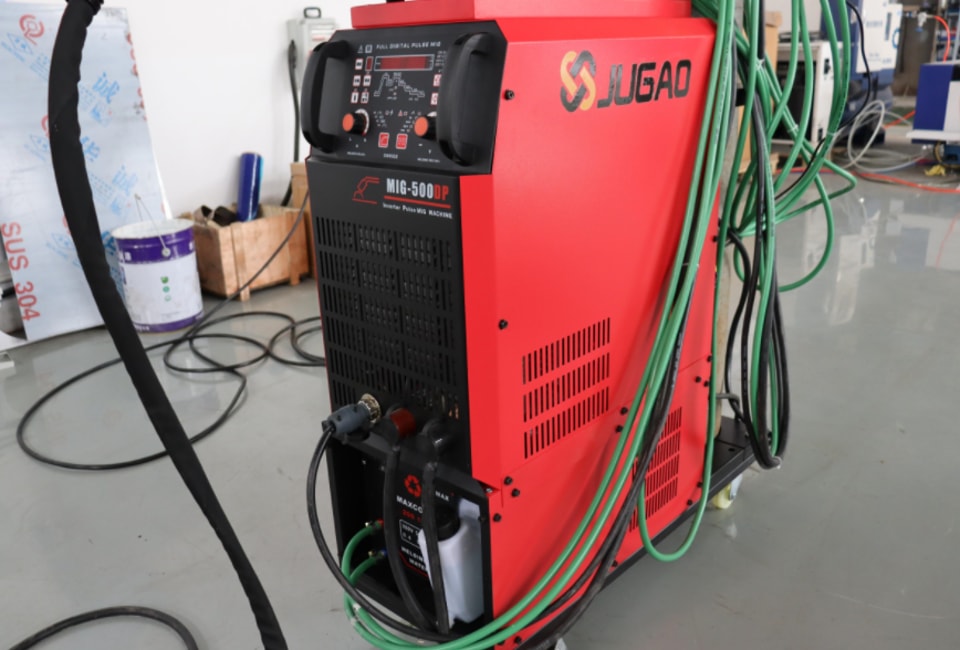 What equipment is best for welding stainless steel? Are there risks of weak welds or deformation?
 CNC Turret Punch Presses Explained: Architecture and Operation
 Key Factors Governing Optimal Punch Press Tonnage
 Comparison of Laser Welding Results and Application Scenarios Across Different Materials
 How to Choose Between Air-Cooled and Water-Cooled Laser Welding Systems
 Understanding Punching Machines: Principles, Types, and Selection
 How can one effectively follow the installation guidelines for a pipe-bending machine?
 For which types of products is an automatic wire-feeding laser welding machine suitable?
 What Are the Latest Punching Machine Trends and Technological Breakthroughs?
Engineering review
Send a drawing.
Get an engineer.
Standard selections answered within 4 hours. Parts outside the rules get a written process review within 24 hours.
- Part drawing: DXF, DWG, STEP or PDF
- Material and thickness
- Longest bend or cut length
- Yearly volume
Write to info@ntjugao.com or message the factory on WhatsApp +86 132 2211 1178.
Drawings (DXF, DWG, STEP, PDF): attach them to an email to info@ntjugao.com, quoting your name.