
Causes of Insufficient Hydraulic System Pressure in Profile Bending Machines
2026-06-10

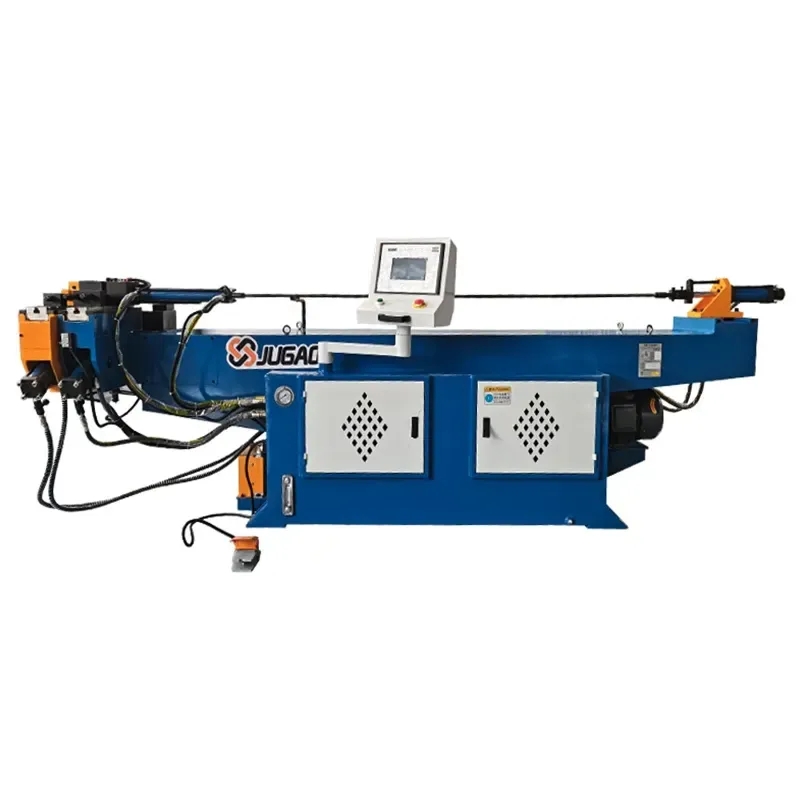
Profile bending machines are core equipment in profile forming and processing. The hydraulic system, as its power core, is responsible for providing the stable pressure required for bending, directly determining the bending accuracy, forming effect, and equipment operational stability. Insufficient hydraulic system pressure is a common fault in profile bending machines, leading to insufficient bending force, substandard profile forming, equipment malfunction, or even complete failure. The causes of such faults are not singular, mainly focusing on four dimensions: hydraulic components, oil condition, pipeline connections, and system debugging. Rationally analyzing the logic behind each cause is key to quickly troubleshooting and restoring normal equipment operation.
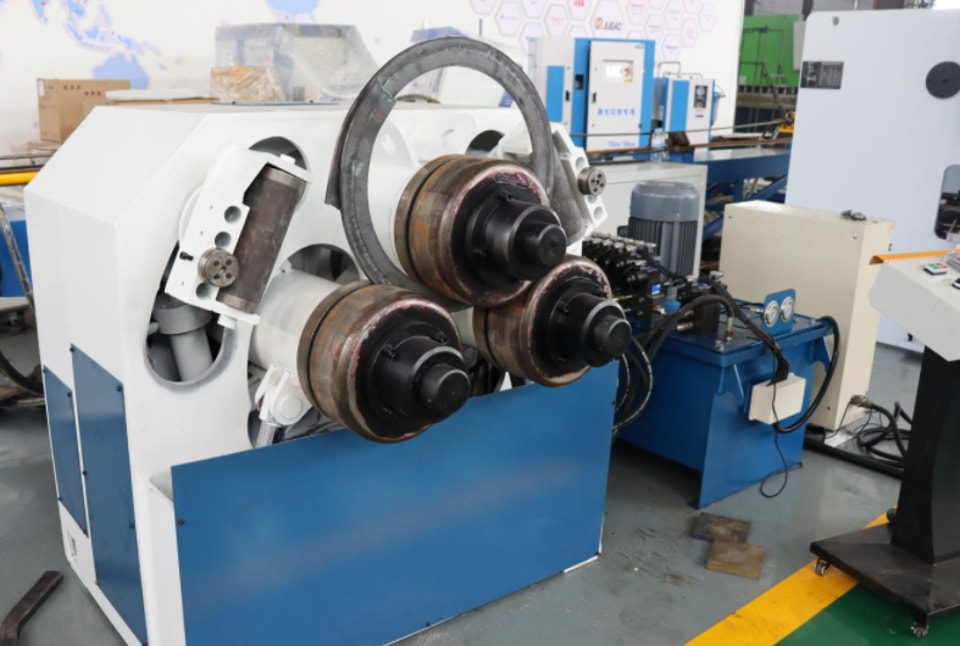
Wear or malfunction of hydraulic components is one of the core causes of insufficient pressure. As the system's "power source," the hydraulic pump, after long-term operation, will experience problems such as internal component wear and seal aging, leading to pump leakage, reduced output pressure, and insufficient power to the system. The relief valve is responsible for regulating system pressure; if the valve core is stuck or the spring fails due to fatigue, the valve will not close properly, causing continuous hydraulic oil overflow, resulting in uncontrolled system pressure and insufficient pressure. Furthermore, wear or sticking of control components such as directional valves and pressure reducing valves will affect the flow of hydraulic oil and pressure regulation, indirectly leading to a drop in system pressure.
Abnormal oil condition is an important but easily overlooked cause. The cleanliness, viscosity, and quantity of hydraulic oil directly affect the pressure transmission efficiency of the hydraulic system. If impurities or dust are mixed in the oil, it will clog hydraulic lines and component passages, leading to poor hydraulic oil flow and excessive pressure loss. Incorrect oil viscosity—too thin leading to increased leakage, too thick affecting oil flow speed—will both cause insufficient system pressure. Simultaneously, insufficient oil quantity will cause the hydraulic pump to have difficulty drawing oil, resulting in dry suction and inability to output pressure normally, thus causing abnormal system pressure.
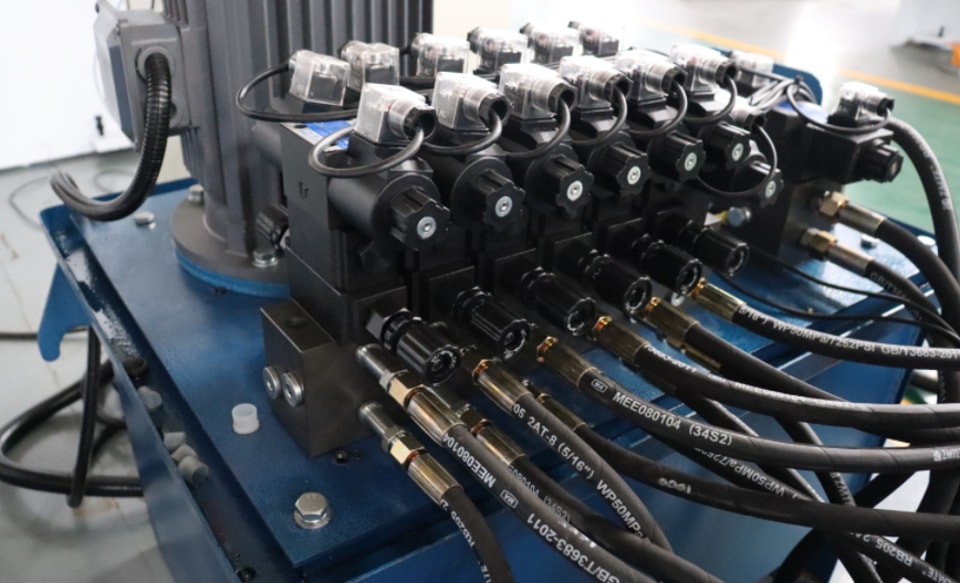
Problems with pipeline connections and seal failures can lead to hydraulic oil leakage, indirectly causing insufficient pressure. The hydraulic pipelines of profile bending machines are complex and constantly under vibration and tension, making them prone to loosening of pipe joints and pipe damage, resulting in hydraulic oil leakage. Seals (such as sealing rings and gaskets) can age and break after prolonged use, failing to function properly. Hydraulic oil leaks from these gaps, causing a continuous drop in system pressure and potentially leading to secondary problems such as equipment contamination and component corrosion.
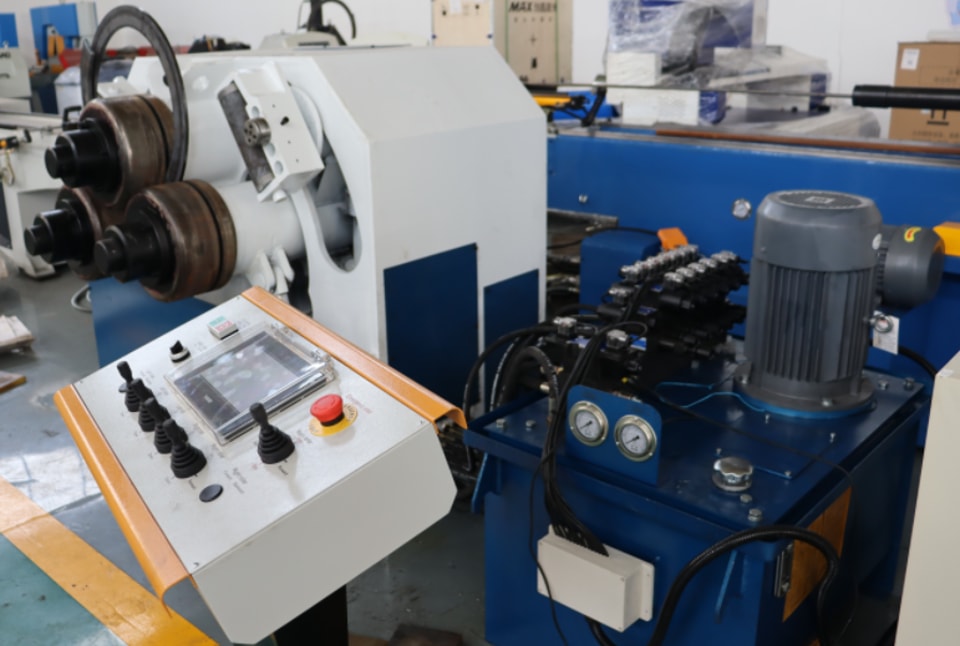
Improper system debugging or unreasonable parameter settings can also cause insufficient pressure. After equipment installation or maintenance, if hydraulic system parameters are not properly adjusted, such as setting the relief valve pressure too low or improperly adjusting the hydraulic pump displacement, the system output pressure will fail to meet operating requirements. Furthermore, after long-term operation, system parameters may deviate; if not calibrated in time, this can lead to pressure imbalance and insufficient pressure.
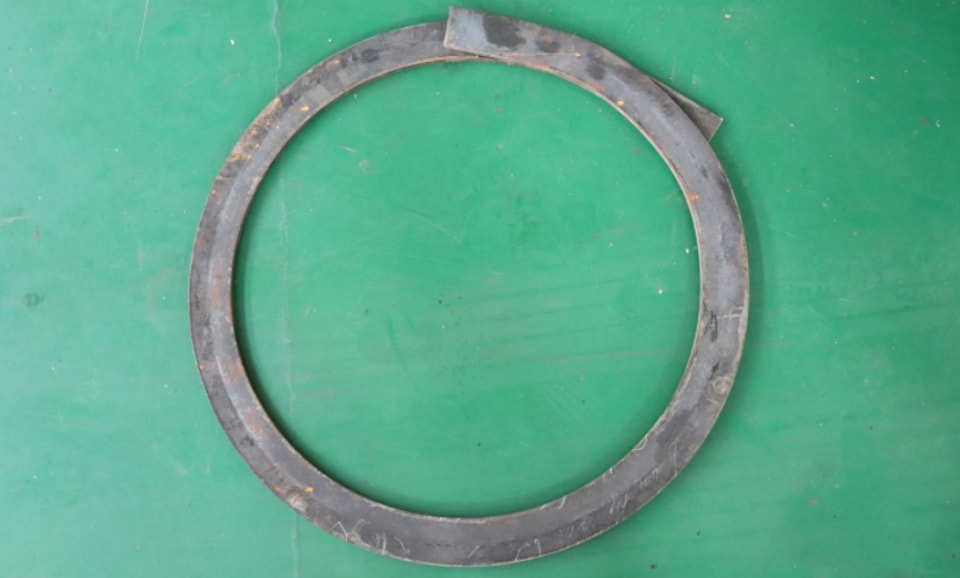
In summary, the causes of insufficient pressure in the hydraulic system of profile bending machines are mostly related to components, hydraulic fluid, pipelines, and debugging. These causes are interconnected and may have a cumulative effect. When troubleshooting, the principle of "starting with the simple and progressing to the complex, and starting with the obvious and progressing to the in-depth" should be followed. First, check the oil condition and pipeline seals, then check for faults in hydraulic components, and finally calibrate the system parameters. Understanding the core logic of various causes allows for quick location of faults, timely handling, and ensures the stable and efficient operation of the profile bending machine.
Contact Us