

Tubing in Aerospace Manufacturing: How to Ensure Flight Safety?
2026-06-11

In the aerospace field, tubing bending is directly related to flight safety. Aircraft fuel lines, hydraulic systems, oxygen delivery, and cooling circuits all rely on tubing bending. Failure of these lines could have catastrophic consequences. The following explains how precision tubing bending ensures safety from three aspects: materials, processes, and quality control.
1. Maintaining Structural Integrity and Preventing Fatigue Cracking
Aircraft experience severe vibrations, drastic temperature changes, and pressure fluctuations during flight. Microcracks, wrinkles, or scratches on the inner wall of bends can gradually propagate, eventually leading to pipe rupture.
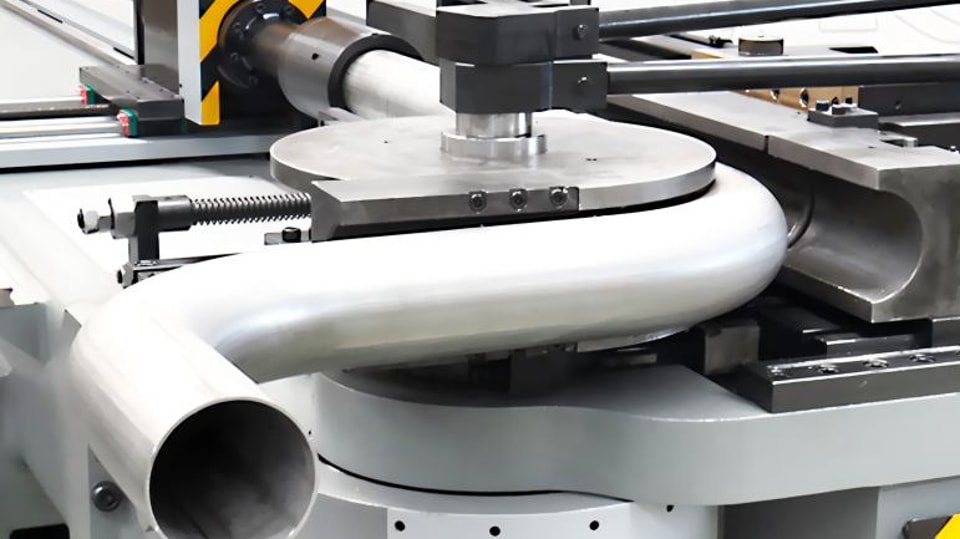
Precision pipe bending uses a mandrel to support the pipe wall from the inside, combined with an anti-wrinkle mold to press against the outside, ensuring uniform material deformation without wrinkling or collapse. Non-destructive testing after bending (fluorescent penetrant or eddy current testing) ensures a defect-free surface. Pipes produced in this way can withstand tens of thousands of pressure cycles without failure.
2. Ensuring Unobstructed Fluid Flow and Preventing Pressure Loss
Fuel, hydraulic oil, and oxygen require unobstructed delivery. Wrinkles or excessive thinning of the inner wall of bends can increase flow resistance, cause insufficient downstream pressure, and even lead to debris clogging precision valves.
Precision CNC bending ensures a smooth inner wall by optimizing the bending radius (typically ≥2 times the pipe diameter) and controlling the wall thickness reduction rate (aerospace requirements ≤15% of the nominal wall thickness). Critical pipes also undergo inner wall polishing.
3. Weight Reduction Without Sacrificing Strength
Aircraft widely use titanium alloys, aluminum alloys, stainless steel, and high-temperature alloys. These materials are sensitive to bending processes: improper bending can lead to excessive wall thinning, reducing pressure resistance.
By pre-analyzing deformation behavior through finite element simulation to determine optimal bending parameters (speed, clamping force, mandrel extension), and using a servo control system to monitor torque and pressure in real time, we can ensure that wall thinning remains within safe limits while leveraging the weight reduction advantages of lightweight materials.
4. Precise Assembly, Eliminating Installation Stress
The compact interior space of aircraft necessitates precise pipe routing. Excessive deviations in bend angles or lengths require workers to pull forcefully during assembly, introducing assembly stress. Combined with flight vibrations, this can easily lead to premature leaks at joints.
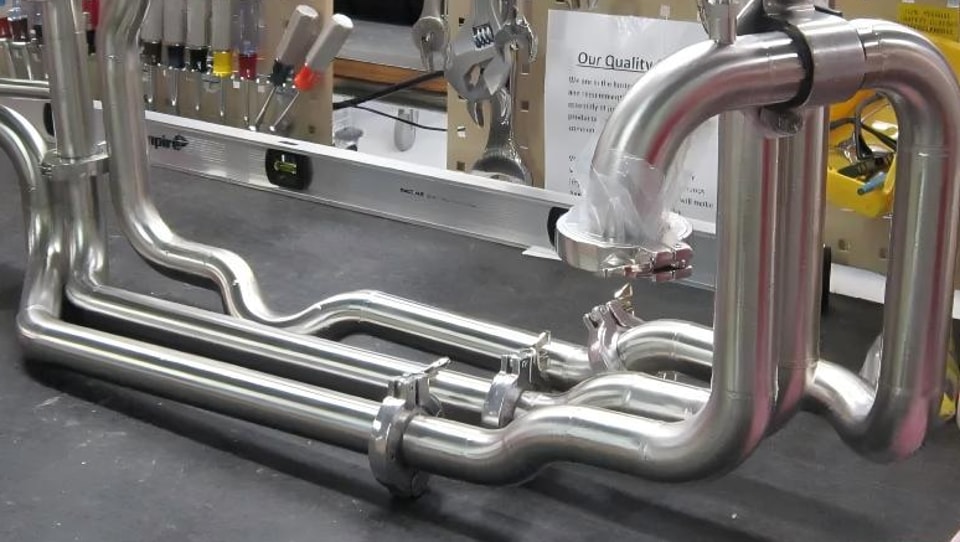
Precision bending ensures "one-time forming, perfect fit," with naturally aligned interfaces, eliminating the need for brute force and thus eliminating assembly stress.
Key Technologies
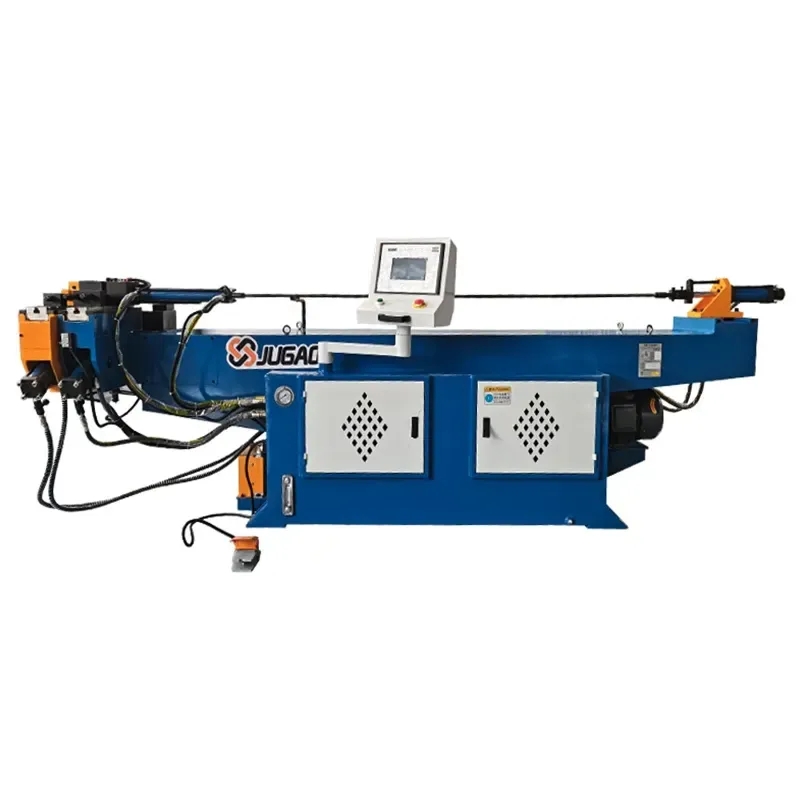
CNC Mandrel Bending: A ball-and-socket mandrel supports the inner wall, while an anti-wrinkle die presses down on the outer side to prevent collapse and wrinkling.
Servo Multi-Axis Control: Enables complex bending across multiple planes, ensuring angular accuracy between bends.
Online Laser Measurement: Immediately detects each angle after bending, automatically corrects compensation values, and archives data to create a quality record.
Common Materials: Titanium alloy Ti-3Al-2.5V (hydraulic lines), stainless steel 321/347 (high-temperature areas), aluminum alloy 6061 (air conditioning systems), Inconel 625 (engine cooling pipes).
Quality Standards: Tolerances typically require angles ≤ ±0.5°, lengths ≤ ±0.5mm, and radii ≤ ±0.25mm. Must comply with AS9100 standards and OEM specifications.
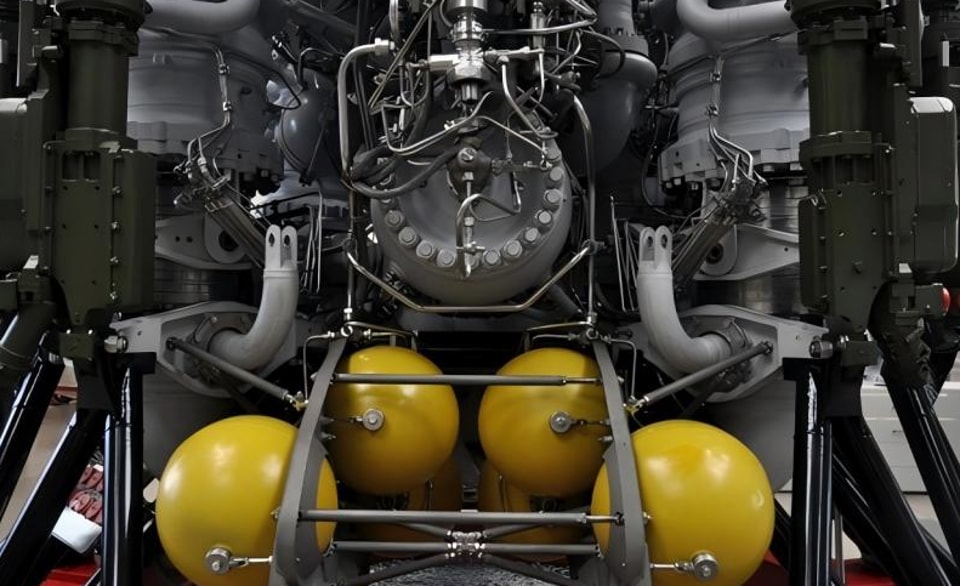
In aerospace, pipe bending is not a routine process, but rather the first line of defense for safety. CNC technology, precision molds, online inspection, and a rigorous quality system work together to ensure that every bent pipe is flawless under extreme conditions.
Contact Us