 Get a quote
Resources
Precautions and Procedures for Using a Plate Rolling Machine
Precautions and Procedures for Using a Plate Rolling Machine

1. Before using the plate rolling machine, check if the hydraulic station's oil tank has sufficient oil. Start the hydraulic station to check if the oil pump is working properly, if there are any leaks in the valves and pipelines, and if the pressure value meets the requirements. Open the vent valve to release the air from the system.

2. Do not roll or level steel plates with protruding welds or burrs.
3. During rolling or leveling, ensure that the steel plate does not slip against the work rolls.
4. When rolling conical workpieces, the smaller circular end of the workpiece should be pressed against the guide roller of the vertical roller.

5. When using shims to level steel plates, the hardness of the shims must not exceed the hardness of the work rolls.
6. During rolling or leveling, the steel plate should be placed in the middle of the work rolls. If offset, the thickness of the steel plate should be reduced accordingly.
7. When rolling thick steel plates, the ratio of the finished product radius to the required minimum finished product radius must not be less than 2. This ratio should be applied to 2-3 subsequent rolls to achieve the required minimum finished product radius.

8. Do not operate when steel plate bending results in overlap, or when the hydraulic station oil pressure is unstable or the oil and bearing temperatures exceed 60°C.
9. Do not operate the tilting mechanism to rotate the tilting beam while the workpiece is still held between the upper and lower work rolls. Only when the lower work roll stops rotating and the workpiece descends and leaves the upper work roll may the tilting mechanism be operated to rotate the tilting beam. The upper work roll may only be tilted after the tilting beam has disengaged from the upper bearing.
10. When removing the workpiece, prevent scale and dust from falling into the bearing of the tilting beam.

11. Do not adjust any hydraulic valves other than the throttle valve without authorization.
12. Operators and other personnel should cooperate closely. Obey the instructions of designated personnel; command signals must be clear and unambiguous.
Related
Keep
reading.
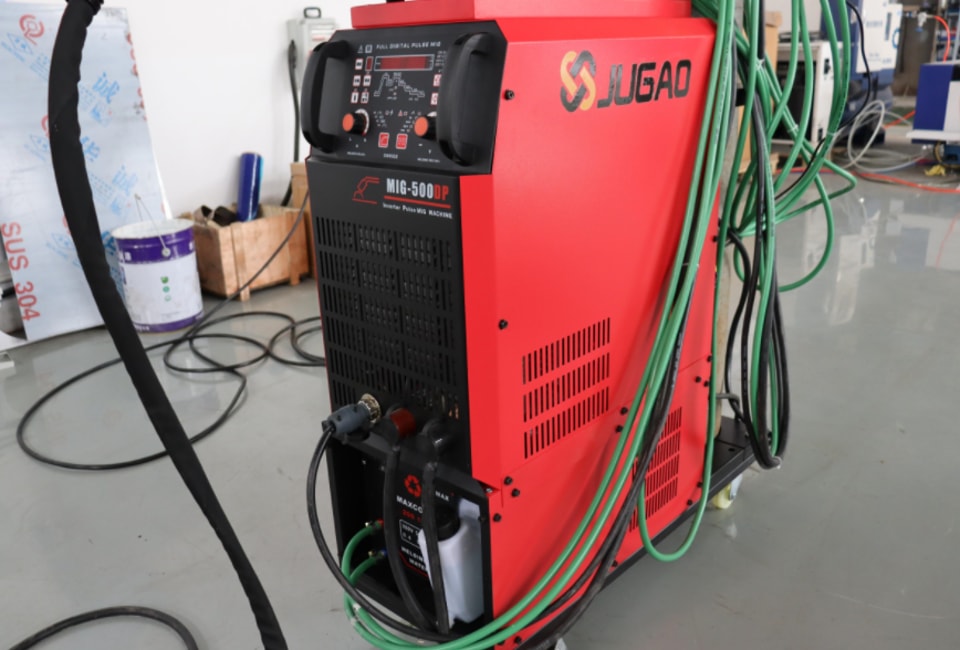 What equipment is best for welding stainless steel? Are there risks of weak welds or deformation?
 CNC Turret Punch Presses Explained: Architecture and Operation
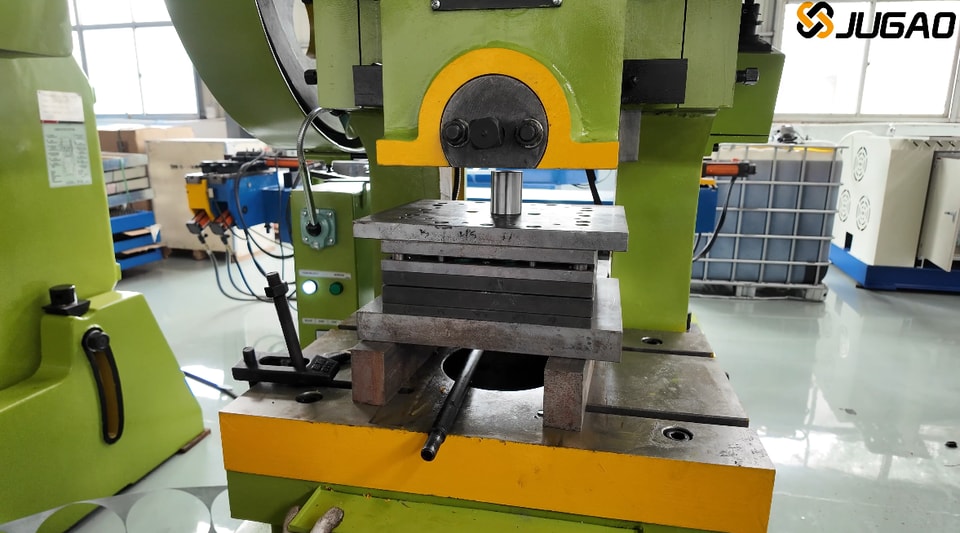 Key Factors Governing Optimal Punch Press Tonnage
 Comparison of Laser Welding Results and Application Scenarios Across Different Materials
 How to Choose Between Air-Cooled and Water-Cooled Laser Welding Systems
 Understanding Punching Machines: Principles, Types, and Selection
 How can one effectively follow the installation guidelines for a pipe-bending machine?
 For which types of products is an automatic wire-feeding laser welding machine suitable?
 What Are the Latest Punching Machine Trends and Technological Breakthroughs?
 What Triggers Punching Machine Noise and How Can You Quieten It?
 What factors influence the replacement cycle of wear parts in a pipe-bending machine?
 Beyond price, what key parameters should you consider when purchasing welding equipment?
Engineering review
Send a drawing.
Get an engineer.
Standard selections answered within 4 hours. Parts outside the rules get a written process review within 24 hours.
- Part drawing: DXF, DWG, STEP or PDF
- Material and thickness
- Longest bend or cut length
- Yearly volume
Write to info@ntjugao.com or message the factory on WhatsApp +86 132 2211 1178.
Drawings (DXF, DWG, STEP, PDF): attach them to an email to info@ntjugao.com, quoting your name.