 Get a quote
Resources
How to Troubleshoot Common Faults in Profile Bending Machines
A profile bending machine is a specialized device for bending irregularly shaped steel materials such as angle steel, channel steel, I-beams, square steel, and flat steel. It can complete pre-bending, rolling, and straightening processes in one operation.
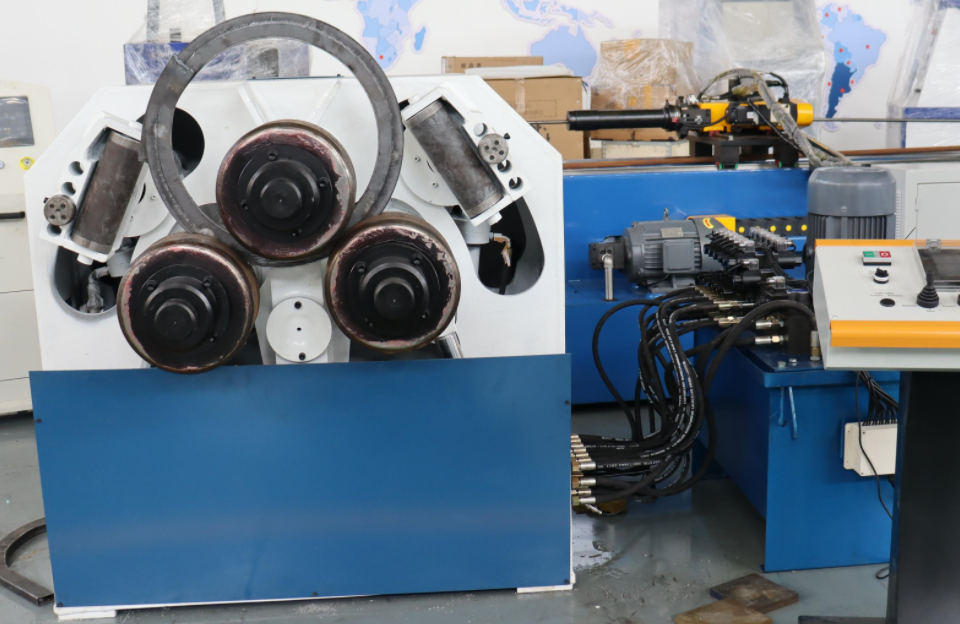
Profile bending machines typically have two modes: flat bending and vertical bending. Driven by a hydraulic motor, they achieve fast and precise rolling. The two side rollers of the profile bending machine serve as the main drive rollers, while the upper roller is fixed in position. The lower roller clamps the workpiece upwards, and the profile forming process is achieved through hydraulic control.
Common Faults and Solutions in Profile Bending Machines
1. Inaccurate Bending Angle
Cause: Incorrect installation of the bending die or incorrect parameter settings.
Solution: Reinstall the die and carefully correct the parameters; ensure the bending machine base is level.
2. Hydraulic System Fault
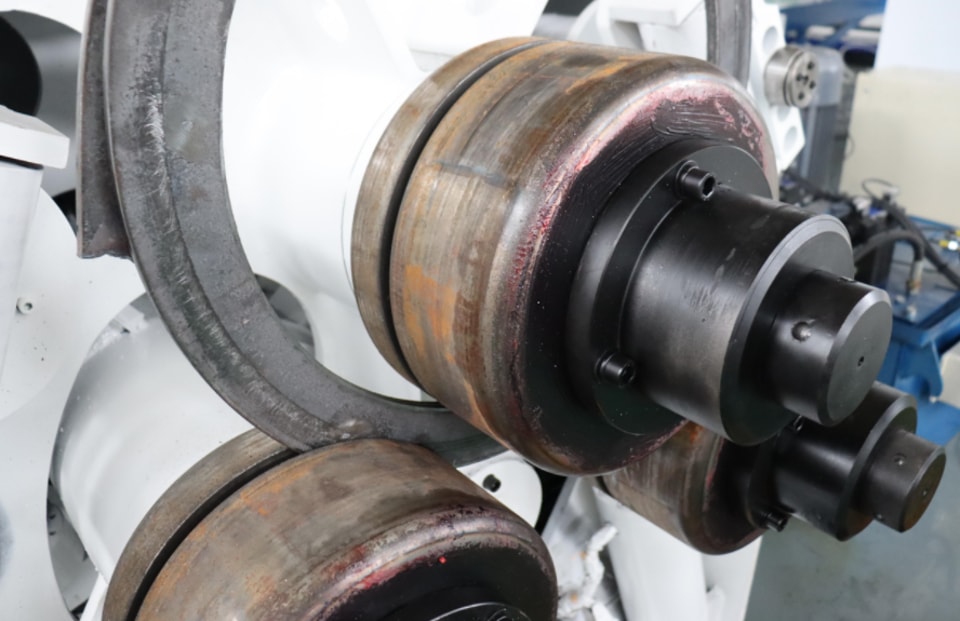
Cause: Insufficient hydraulic oil, leakage, or hydraulic pump malfunction.
Solution: Check the hydraulic oil level and add hydraulic oil; check the hydraulic system pipelines and repair leaks; if the hydraulic pump is faulty, replace it promptly.
3. Defects on the profile surface
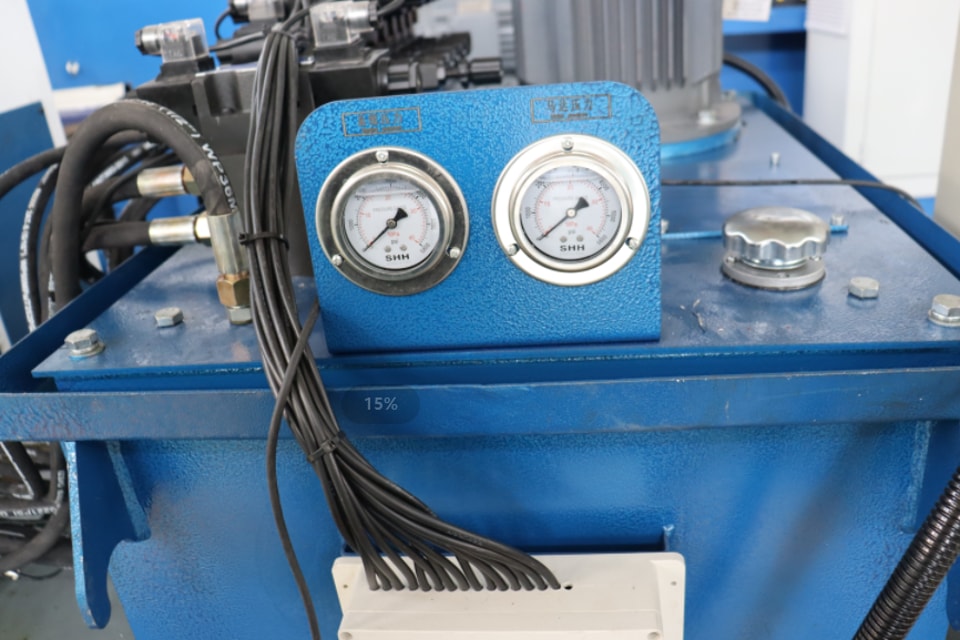
Causes: Die wear, uneven profile surface.
Solutions: Regularly check die wear and replace severely worn dies; ensure the profile surface is flat; if uneven, use sandpaper to smooth it.
4. Excessive noise from the bending machine
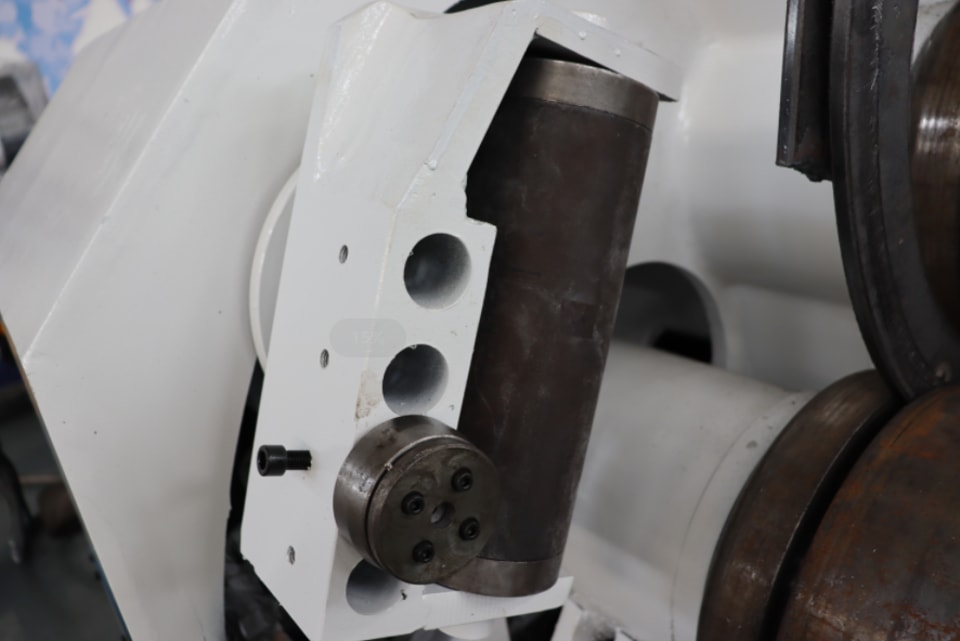
Causes: Loose or worn equipment parts.
Solutions: Regularly inspect all equipment parts and tighten any loose parts; replace severely worn parts promptly.
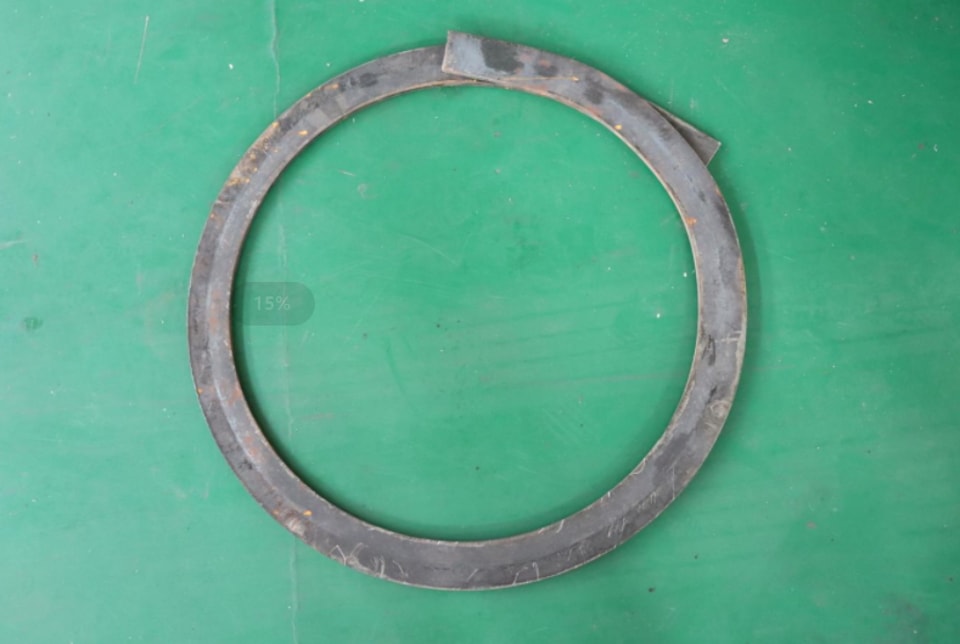
In summary, profile bending machines have wide applications in various industries. In the construction industry, they are commonly used to manufacture doors, windows, stair railings, and steel structures. In the automotive manufacturing and repair industry, they are used to manufacture body parts, chassis, and exhaust pipes.
Related
Keep
reading.
 What equipment is best for welding stainless steel? Are there risks of weak welds or deformation?
 CNC Turret Punch Presses Explained: Architecture and Operation
 Key Factors Governing Optimal Punch Press Tonnage
 Comparison of Laser Welding Results and Application Scenarios Across Different Materials
 How to Choose Between Air-Cooled and Water-Cooled Laser Welding Systems
 Understanding Punching Machines: Principles, Types, and Selection
 How can one effectively follow the installation guidelines for a pipe-bending machine?
 For which types of products is an automatic wire-feeding laser welding machine suitable?
 What Are the Latest Punching Machine Trends and Technological Breakthroughs?
 What Triggers Punching Machine Noise and How Can You Quieten It?
 What factors influence the replacement cycle of wear parts in a pipe-bending machine?
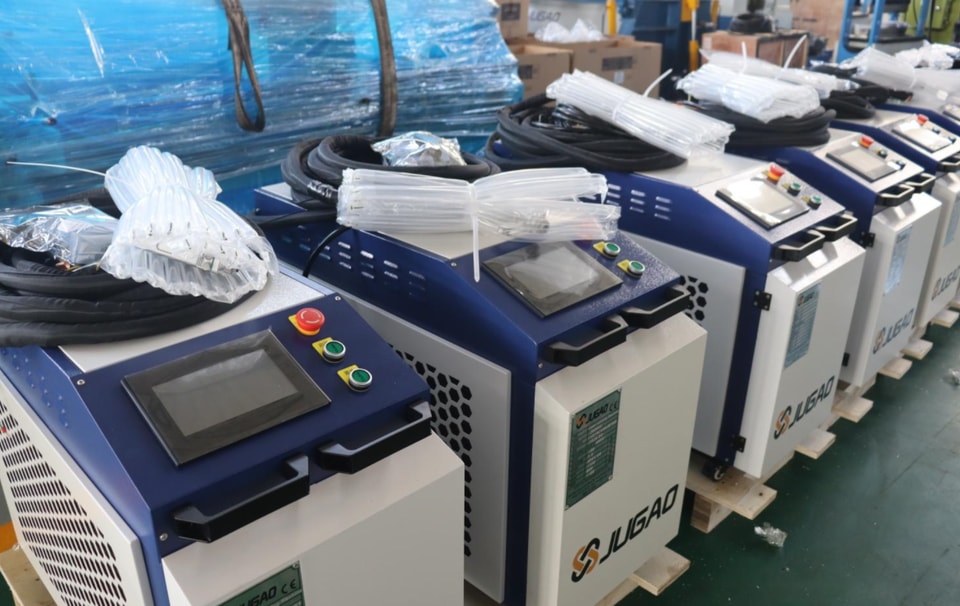 Beyond price, what key parameters should you consider when purchasing welding equipment?
Engineering review
Send a drawing.
Get an engineer.
Standard selections answered within 4 hours. Parts outside the rules get a written process review within 24 hours.
- Part drawing: DXF, DWG, STEP or PDF
- Material and thickness
- Longest bend or cut length
- Yearly volume
Write to info@ntjugao.com or message the factory on WhatsApp +86 132 2211 1178.
Drawings (DXF, DWG, STEP, PDF): attach them to an email to info@ntjugao.com, quoting your name.