 Get a quote
Resources
How Do Punching Presses Help the Furniture Industry?
In furniture making, precision and speed sit side by side, and both shape the quality of the finished product. Presses designed for furniture deliver parts that are uniform and dependable, from table frames and chairs to cabinets and ornamental panels. If you have wondered how they cut down setup work, sharpen accuracy, and trim running costs, this guide lays it out clearly. In the sections below I walk through setup routines, real-world uses, common fixes, and the main gains, so you can see how punching equipment strengthens a furniture line and lifts output.
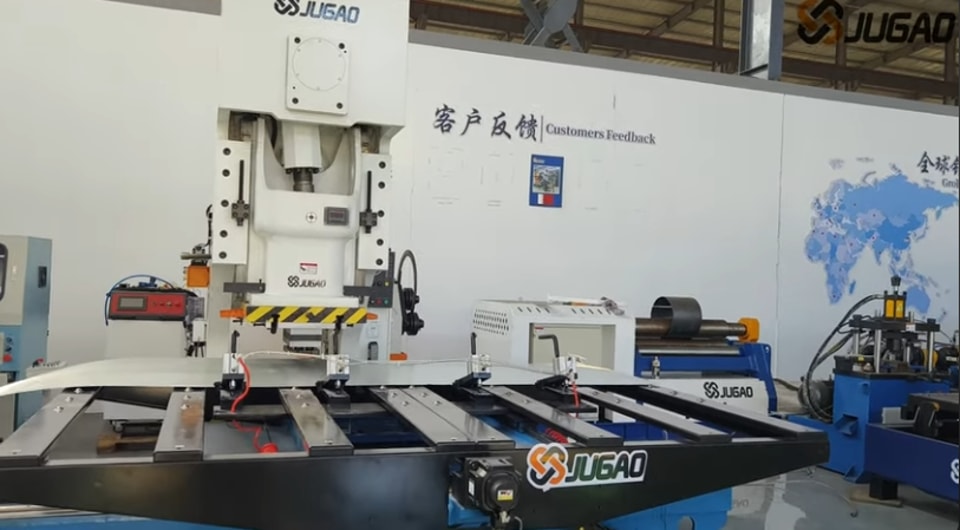
Main Gains of Furniture Presses
These presses let producers work sheet metal and other stock with both precision and speed. Across furniture plants they create the holes, slots, cutouts, and detailed patterns that add function and looks to the end product. Their automation also cuts labor and limits mistakes compared with doing the job by hand.
Setting Up a Punching Press for Furniture Work
Step 1 - Prepare the Work Area
Before switching on, make sure the bench is tidy and free of surplus clutter. A clean space keeps material flowing smoothly and stops scratches or dents on the sheet. Also confirm the stock is stacked and squared up before you load it.
Step 2 - Install and Adjust the Tooling
Punching tools differ with the shape and pattern required. For furniture jobs the work may call for circular tools, square tools, or made-to-order dies for ornamental openings. Fasten the tools firmly and respect the machine's torque and alignment guidance. Good tooling setup keeps edges even and prevents burrs.
Step 3 - Calibrate the Punching Machine
Accurate calibration makes sure every punch meets the required spec. Use a digital measuring gauge to confirm tool position and stroke depth. Working with light sheet stock, even a slight drift can spoil the fit and finish. Always test on scrap before you run a full batch.
Where Furniture Presses Are Used
Decorative Pattern Work
Modern furniture often uses metal panels with unusual designs. Presses handle complex patterns quickly, which lets producers satisfy custom orders.
Assembly Holes and Slots
From fitting hinges to bracing frames, punching equipment makes the openings and grooves that let parts fit together more easily and hold more firmly.
Ventilation Panels
Cabinets, storage lockers, and shelving units often call for airflow. Presses form evenly spaced perforations that improve both function and appearance.
Fixing Common Faults in Furniture Presses
Spotting the Typical Faults
The usual headaches are worn tooling, uneven punching depth, and the build-up of burrs. Left alone, these can drag down furniture quality and complicate assembly.
Steps Toward Better Output
To slow tool wear, choose high-grade tooling material and carry out regular checks. If burrs show up, realign the tools and confirm the clearance between the punch and its die.
Maintenance That Prevents Breakdowns
Keep moving parts oiled and swap worn punches before they hurt accuracy. Keeping a simple log of running hours helps you schedule service at the right time.
Frequently Asked Questions
How do furniture presses raise production efficiency?
They cut manual effort, boost consistency, and speed up repetitive pattern work, which shortens the overall production cycle.
Which stock can a punching press work with for furniture?
They chiefly cut sheet metal, steel, and aluminum stock. Fitted with suitable dies, they can also form composite panels common in today's furniture.
How can I make my punching tools last longer?
Clean them often, keep them oiled, and change them on time. Do not push the press too hard, and stick to stock within the advised thickness.
Conclusion
Using presses in furniture manufacturing brings the accuracy, adaptability, and efficiency that are hard to match with manual methods. Whether creating decorative panels or prepping parts ready for assembly, these machines are a mainstay of modern furniture production. Set the unit up correctly, maintain it regularly, and deal with problems early, and you will draw the most from output and part quality. If you would like to explore advanced punching options for your furniture projects, reach out to the JUGAO team, and our specialists will offer professional advice and recommendations matched to your needs.
Related
Keep
reading.
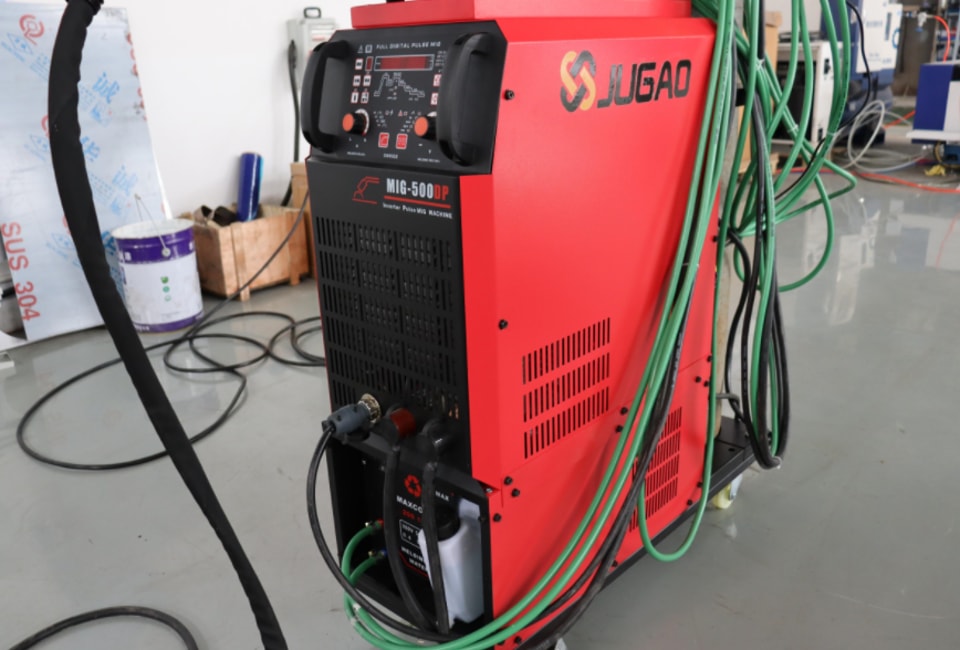 What equipment is best for welding stainless steel? Are there risks of weak welds or deformation?
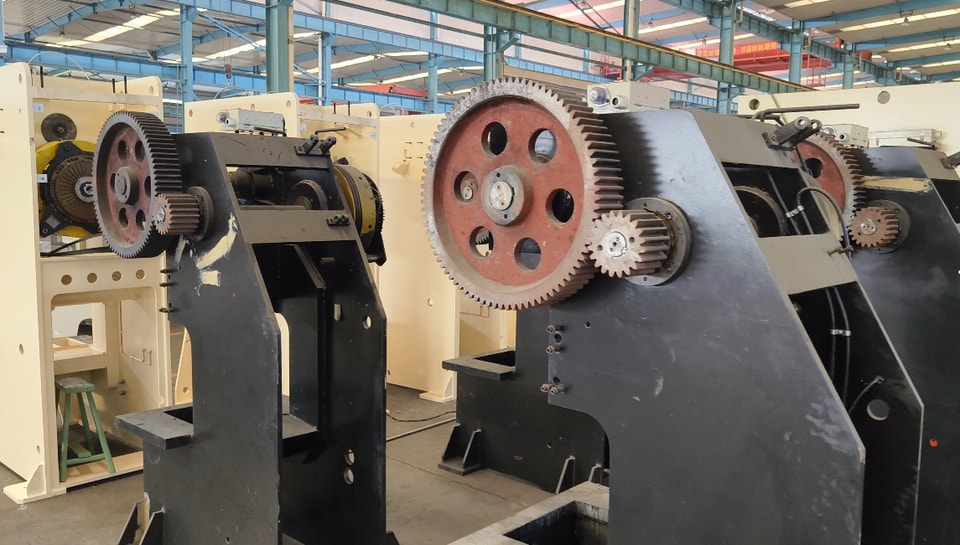 CNC Turret Punch Presses Explained: Architecture and Operation
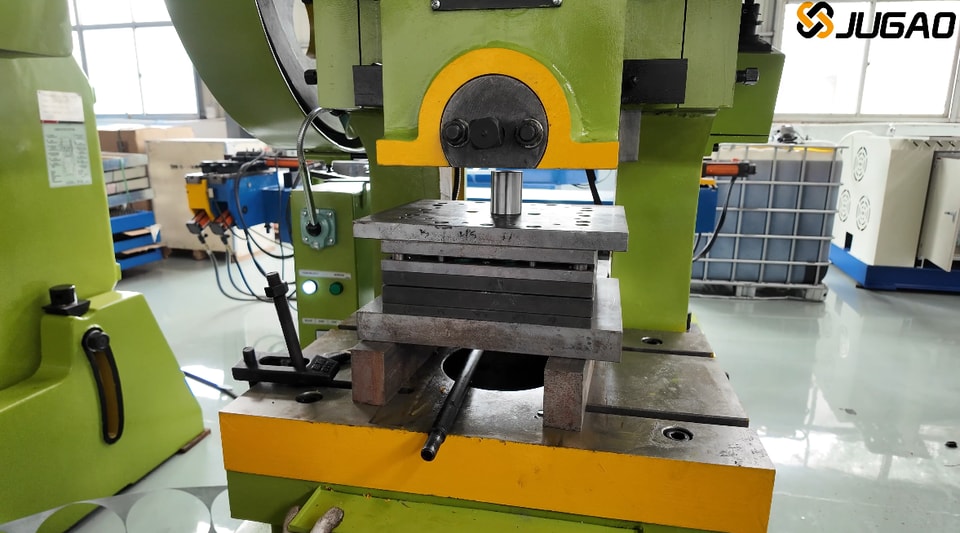 Key Factors Governing Optimal Punch Press Tonnage
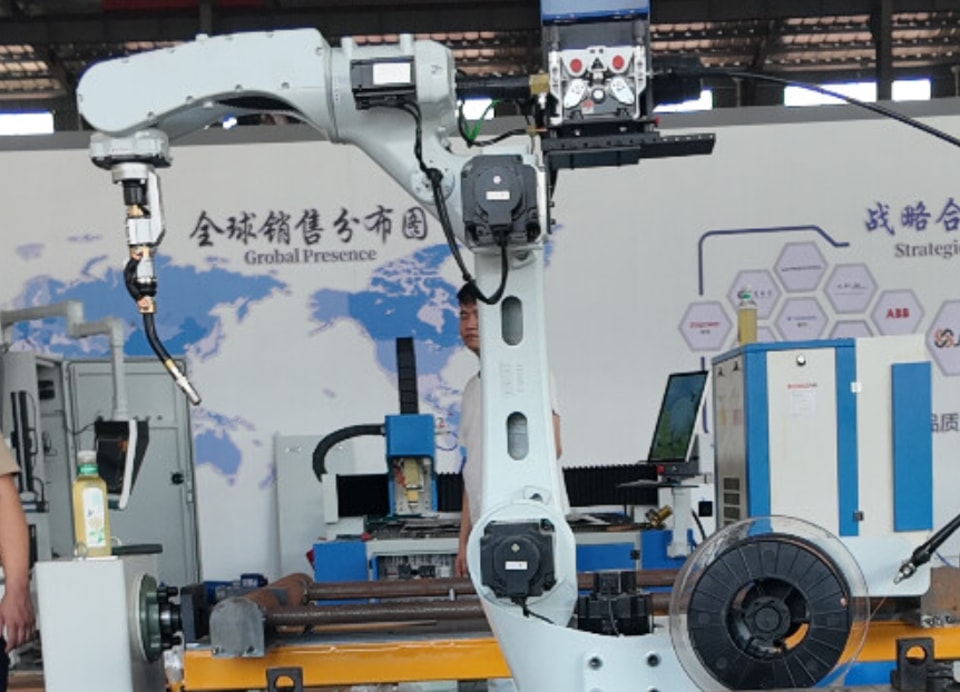 Comparison of Laser Welding Results and Application Scenarios Across Different Materials
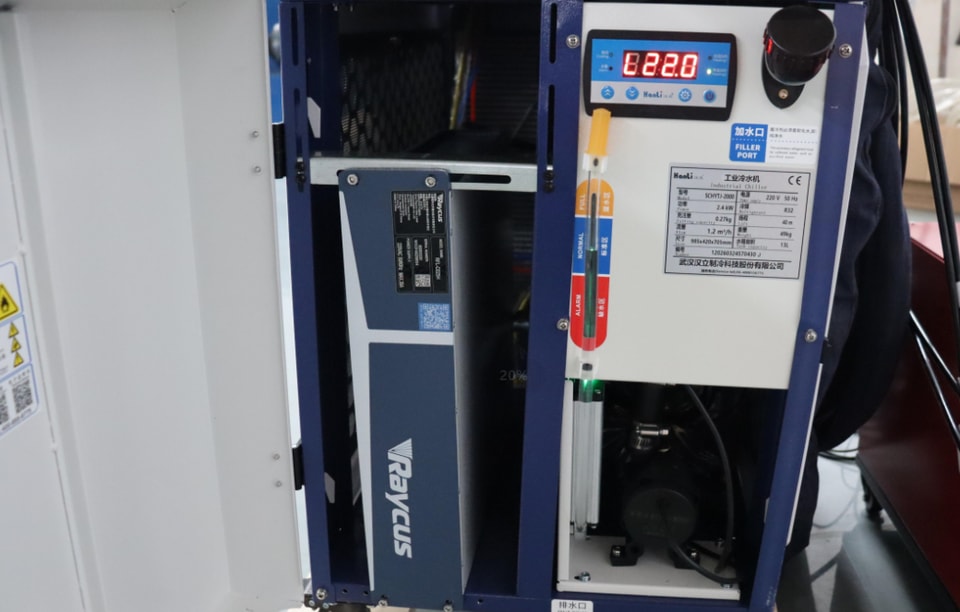 How to Choose Between Air-Cooled and Water-Cooled Laser Welding Systems
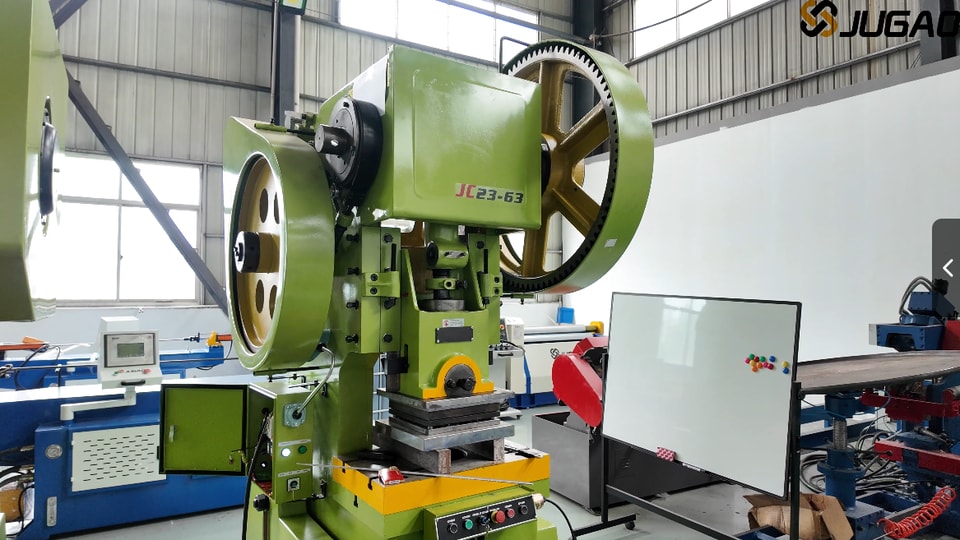 Understanding Punching Machines: Principles, Types, and Selection
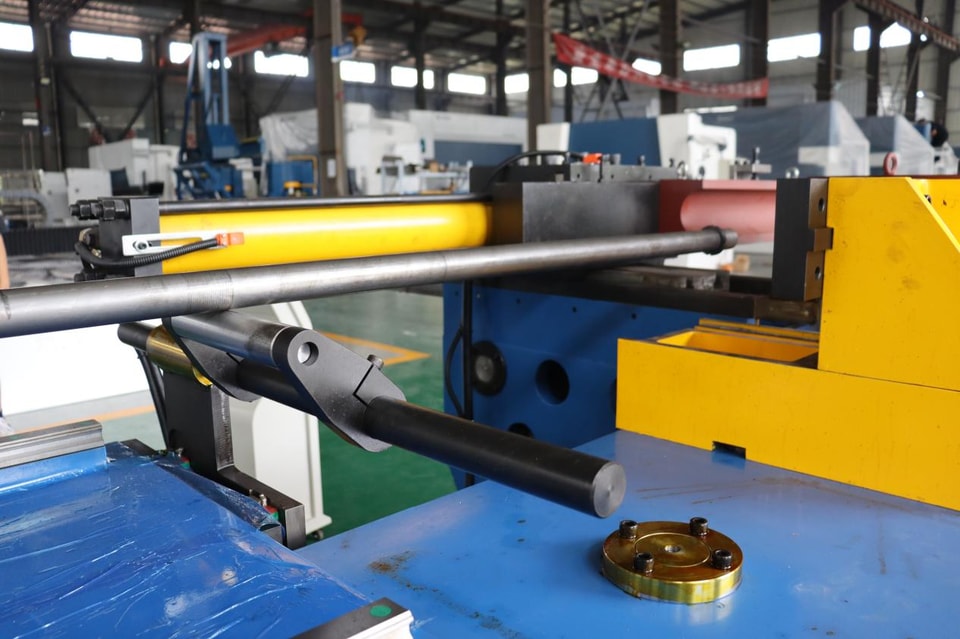 How can one effectively follow the installation guidelines for a pipe-bending machine?
 For which types of products is an automatic wire-feeding laser welding machine suitable?
 What Are the Latest Punching Machine Trends and Technological Breakthroughs?
 What Triggers Punching Machine Noise and How Can You Quieten It?
 What factors influence the replacement cycle of wear parts in a pipe-bending machine?
 Beyond price, what key parameters should you consider when purchasing welding equipment?
Engineering review
Send a drawing.
Get an engineer.
Standard selections answered within 4 hours. Parts outside the rules get a written process review within 24 hours.
- Part drawing: DXF, DWG, STEP or PDF
- Material and thickness
- Longest bend or cut length
- Yearly volume
Write to info@ntjugao.com or message the factory on WhatsApp +86 132 2211 1178.
Drawings (DXF, DWG, STEP, PDF): attach them to an email to info@ntjugao.com, quoting your name.