 Get a quote
Resources
How Do Punching Machines Safeguard Quality in Medical Device Production?
For medical devices, precision and dependability leave no room for compromise. Presses that serve medical components have turned into a central pillar for keeping those high bars. If you would like to find out how punching machines maintain consistency and accuracy in such a sensitive field, you have landed in the right spot. Below I take you through their role, setup, advantages, and useful tips, so you can see why they matter so much to medical device makers.
How Punching Machines Lift Quality in Medical Device Production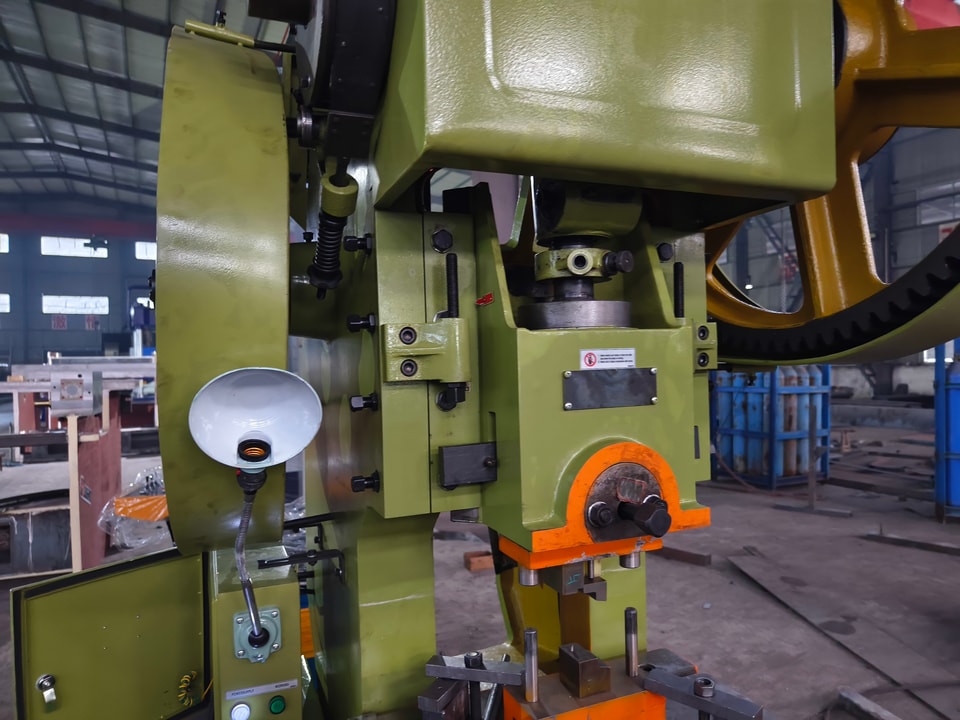
High Precision in Medical Components
A punching machine works to very tight tolerances, and that matters deeply for medical parts. Even a tiny error can change how a surgical tool or implant performs. With advanced CNC punching, I get uniform hole sizes, clean edges, and repeatable results across every sheet. That accuracy cuts rework and makes the final medical products dependable.
Speed That Never Costs Accuracy
In this field, output speed counts, but quality can never be traded away. A turret press lets me run several operations in a single setup, such as punching, notching, and forming. That trims handling time while the dimensions stay consistent. The payoff is more throughput with fewer mistakes, exactly what medical production lines need.
Meeting Rules with These Presses
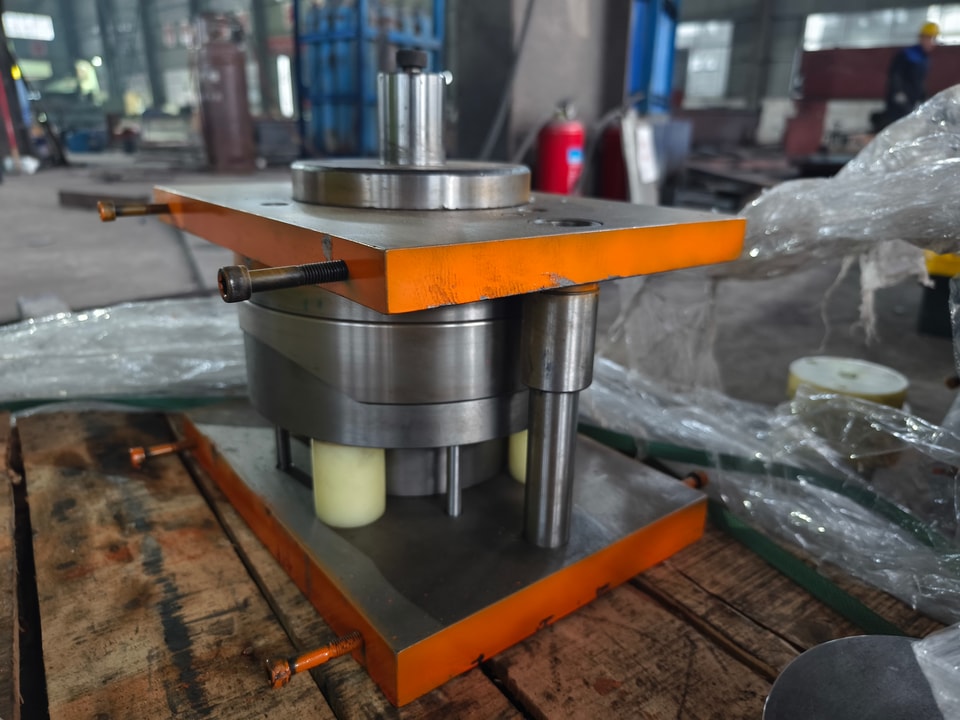
Healthcare is governed by some of the toughest rules anywhere. Punching machines help me stay in line with them by turning out uniform part quality. With built-in monitoring and digital control, the press logs its parameters and confirms each part hits the required specs. That traceability is essential for audits and certification in medical device work.
Preparing a Punching Machine for Medical Applications
Step 1 - Prepare the Work Area
At the very start, I confirm the area is spotless and free from contamination. Sterile conditions are a must for medical devices, so dust or dirt can harm the machine and the end product alike.
Step 2 - Select and Install the Tooling
I match the punch and die set to the device design. The tooling needs to be sharp and free of wear, since even small flaws can create burrs or unevenness. After choosing it, I mount and secure it, confirming the alignment with the machine's CNC control.
Step 3 - Calibrate the Machine
Calibration is one of the most important actions I take. I rely on digital gauges and reference sheets to set depth, pressure, and alignment. Working through this routine, I confirm each hole is dimensionally correct and repeatable across the whole run.
Step 4 - Run Test Pieces
I never jump straight into production. Instead I do test punches first and examine the samples under magnification for burrs, cracks, or rough edges. Once the samples pass, the press is cleared for continuous output.
Care Tips for Medical Punching Machines
Routine Inspections
I look over the punches and dies often for signs of wear or poor alignment. Blunt or misaligned tools can spoil hole quality and damage delicate materials.
Cleaning and Lubrication
Because medical parts leave no room for error, I keep the press clean and properly oiled. This prevents residue from building up and throwing off punching accuracy.
Preventive Maintenance
I schedule a preventive-service session at every 500 hours of running time. The work includes swapping out worn tooling, recalibrating the system, and verifying the hydraulic and electrical parts. Steady upkeep keeps the press delivering medical-grade parts without surprises.
Frequently Asked Questions
Why do punching machines matter so much in medical device production?
They make sure every component hits strict accuracy targets, bringing consistency, safety, and compliance with industry rules.
How often should a medical punching machine be calibrated?
Calibrate before each major production run. For critical medical parts, a daily calibration check is recommended.
Can punching machines handle complex medical device designs?
They can. Modern turret presses run several operations in one setup, which supports the intricate patterns, slots, and forms found in medical instruments.
Conclusion
Presses in medical device production play a central role in delivering precision, efficiency, and compliance with strict rules. By following the right setup steps, keeping up maintenance, and using advanced tooling, I can steadily reach the high-quality results healthcare demands.
If your goal is to raise the accuracy and output of a medical device line, it is worth looking into a dedicated punching machine. For deeper support, consultation, or equipment suggestions, feel free to contact our team at JUGAO, and we will help you get top-level production results.
Related
Keep
reading.
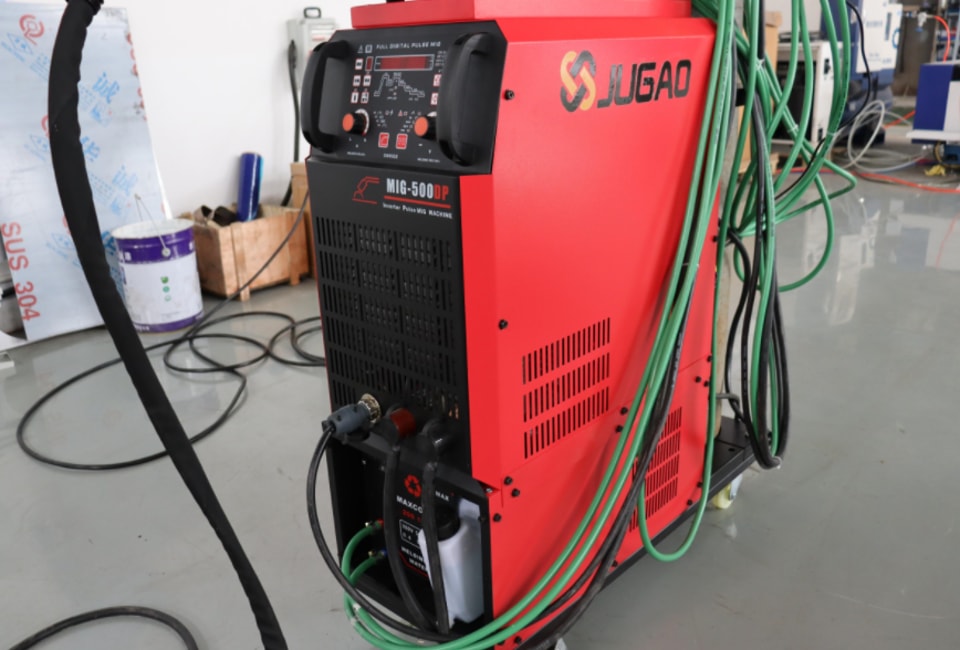 What equipment is best for welding stainless steel? Are there risks of weak welds or deformation?
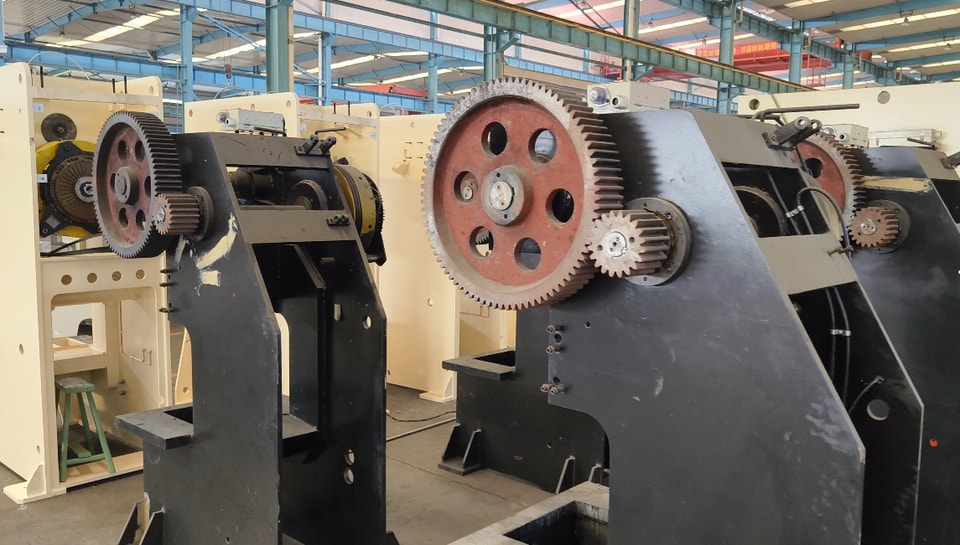 CNC Turret Punch Presses Explained: Architecture and Operation
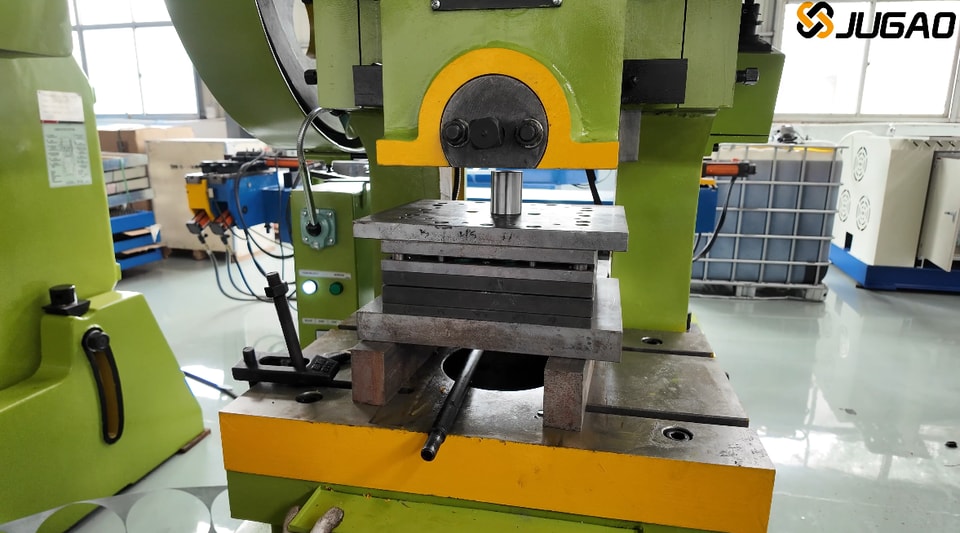 Key Factors Governing Optimal Punch Press Tonnage
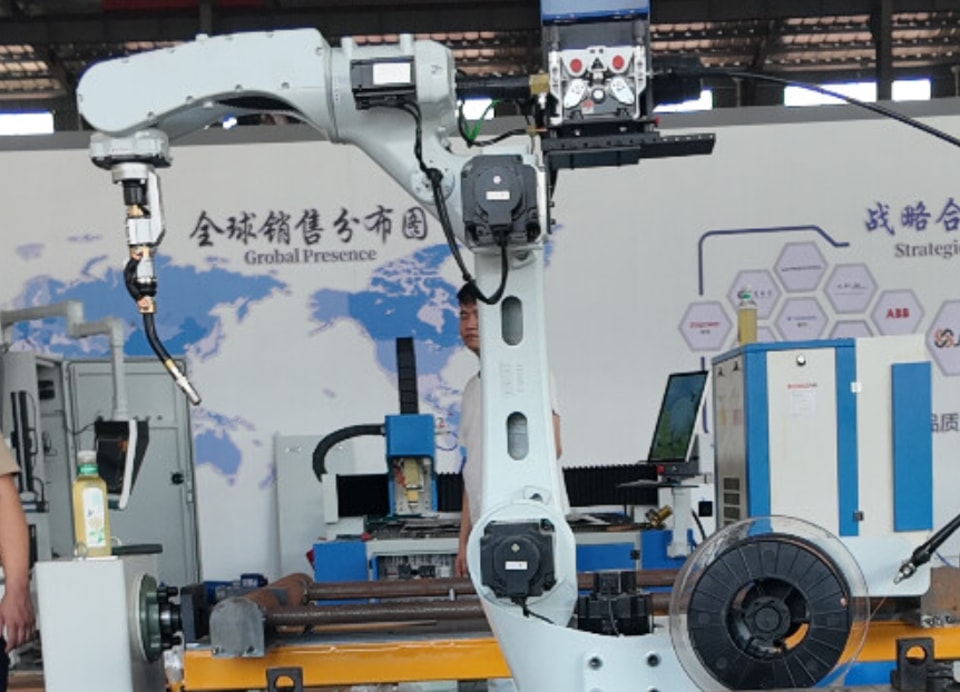 Comparison of Laser Welding Results and Application Scenarios Across Different Materials
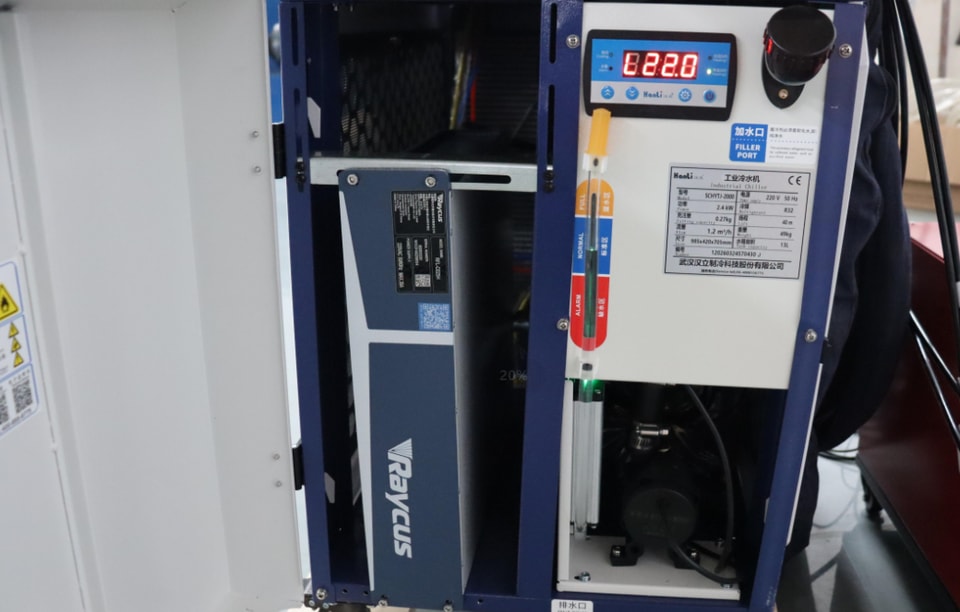 How to Choose Between Air-Cooled and Water-Cooled Laser Welding Systems
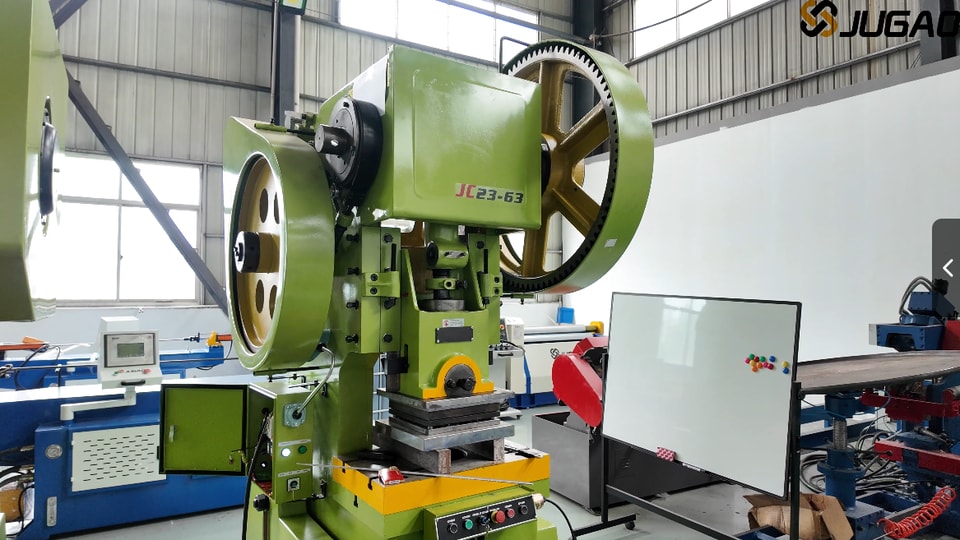 Understanding Punching Machines: Principles, Types, and Selection
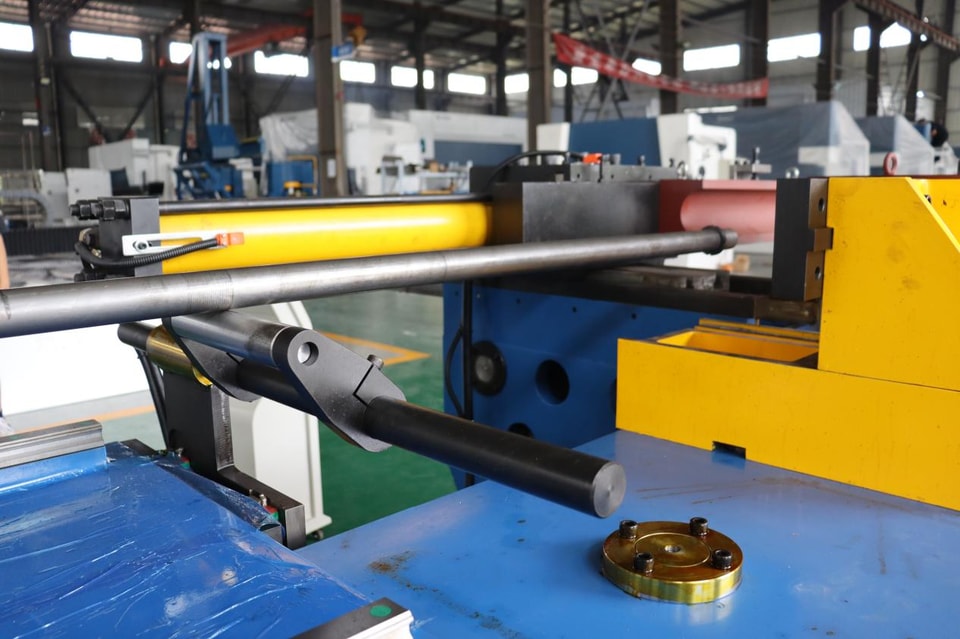 How can one effectively follow the installation guidelines for a pipe-bending machine?
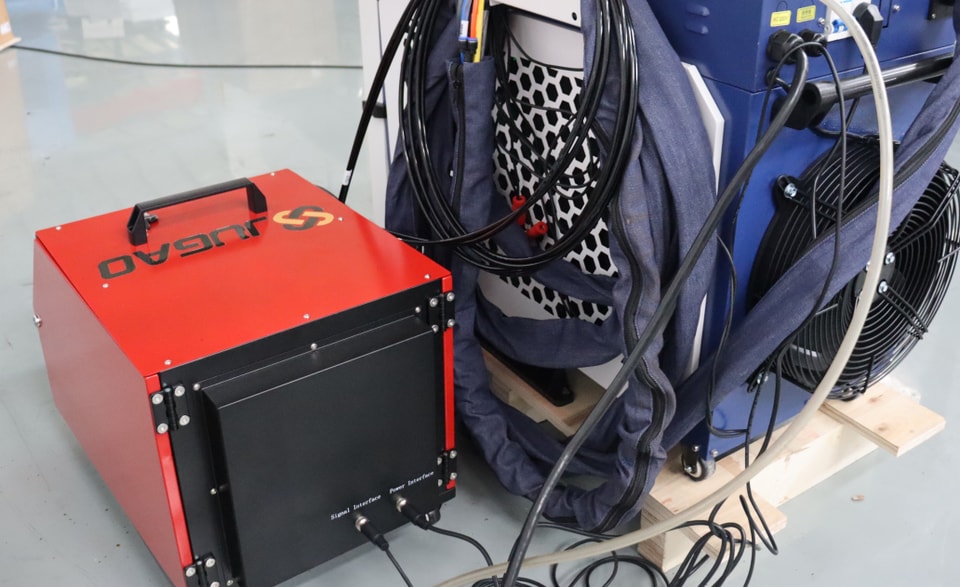 For which types of products is an automatic wire-feeding laser welding machine suitable?
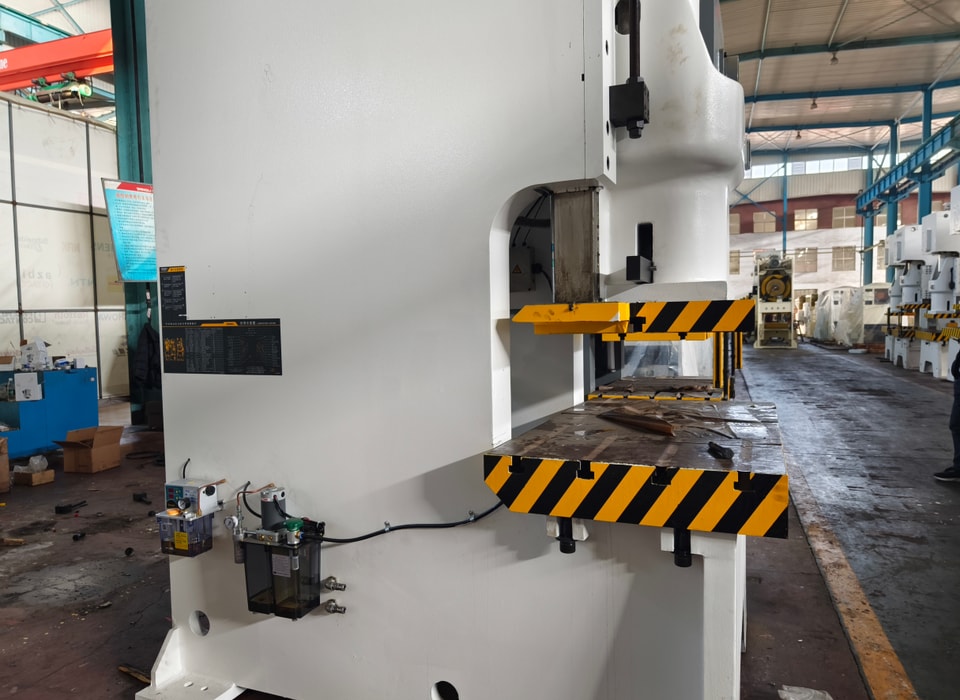 What Are the Latest Punching Machine Trends and Technological Breakthroughs?
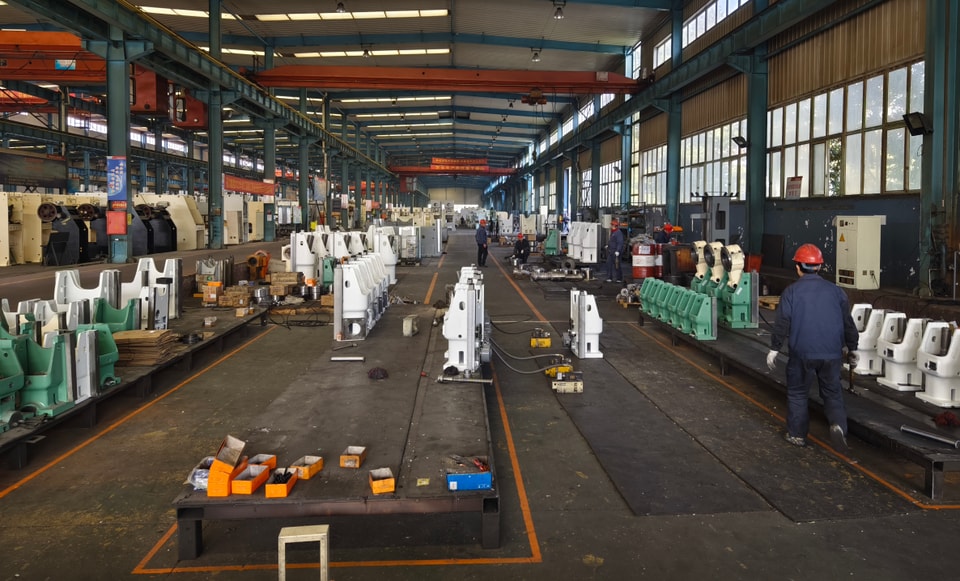 What Triggers Punching Machine Noise and How Can You Quieten It?
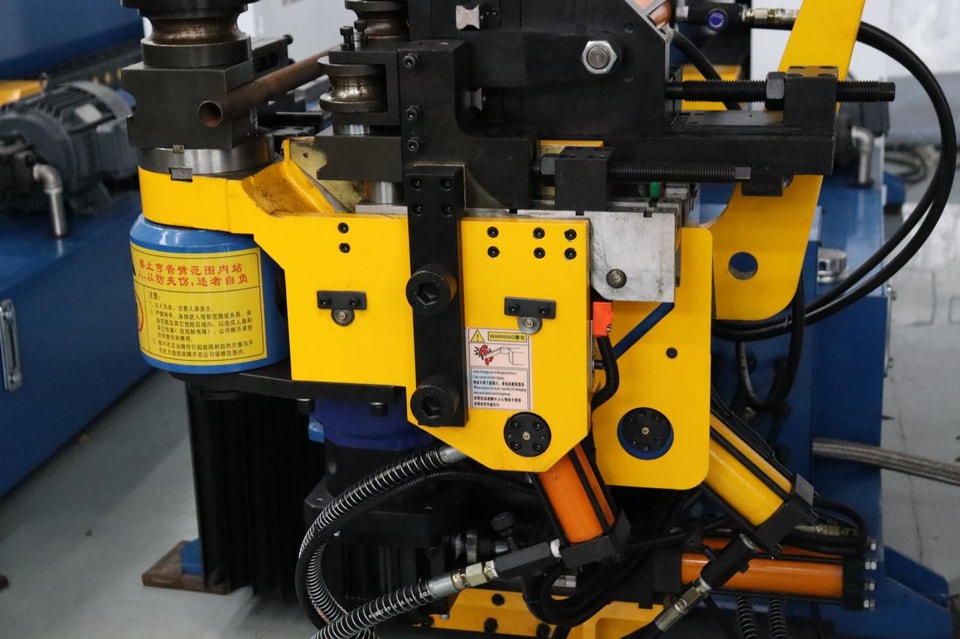 What factors influence the replacement cycle of wear parts in a pipe-bending machine?
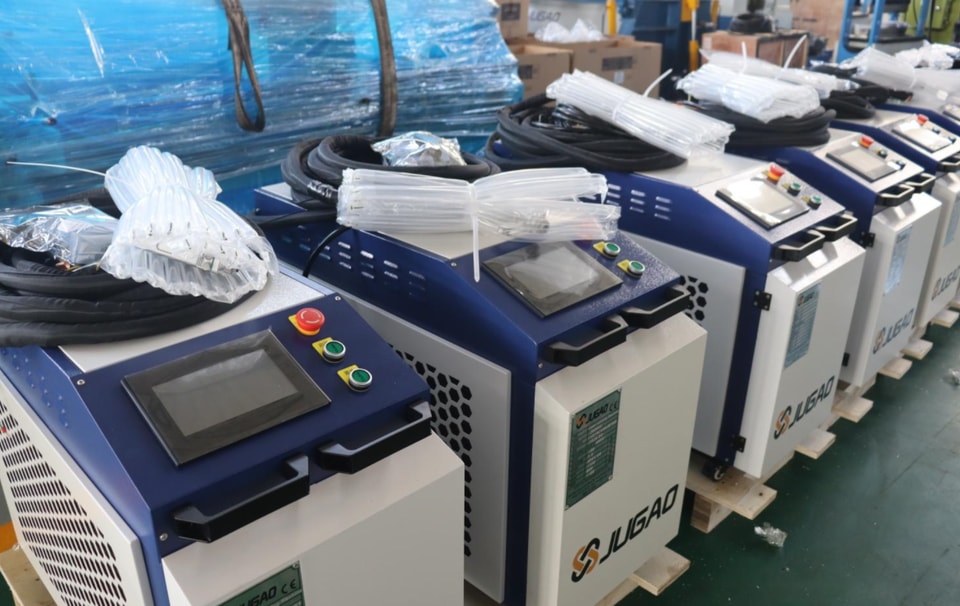 Beyond price, what key parameters should you consider when purchasing welding equipment?
Engineering review
Send a drawing.
Get an engineer.
Standard selections answered within 4 hours. Parts outside the rules get a written process review within 24 hours.
- Part drawing: DXF, DWG, STEP or PDF
- Material and thickness
- Longest bend or cut length
- Yearly volume
Write to info@ntjugao.com or message the factory on WhatsApp +86 132 2211 1178.
Drawings (DXF, DWG, STEP, PDF): attach them to an email to info@ntjugao.com, quoting your name.