 Get a quote
Resources
How to Troubleshoot and Resolve Minor Faults in Welding Robots
Welding robots bring great convenience to enterprise production operations in practical applications. So how should we quickly troubleshoot and resolve minor faults in welding robots? When a minor fault occurs in a welding robot, if no professional personnel are available immediately, the operator can troubleshoot in the order of "outside to inside, from simple to complex." Most downtime faults (approximately 70% or more) actually originate from peripheral hardware or simple process issues. Today, JUGAO will provide a detailed introduction!

I. Inspection of the Active Welding Robot Control Box
1. Replace the lithium battery.
2. Check the cooling fan.
3. Check the cables.
4. Check if all switches on the teach pendant control panel are functioning properly.
5. Clean the dust inside the control box.
II. Inspection of the External Axles and Positioning Fixtures of the Active Welding Robot
1. Replace the lithium battery.
2. Add lubricating oil.
3. Check if the connecting bolts are tight.
4. Check for any abnormalities during operation.
5. Check if the positioning pins are worn.
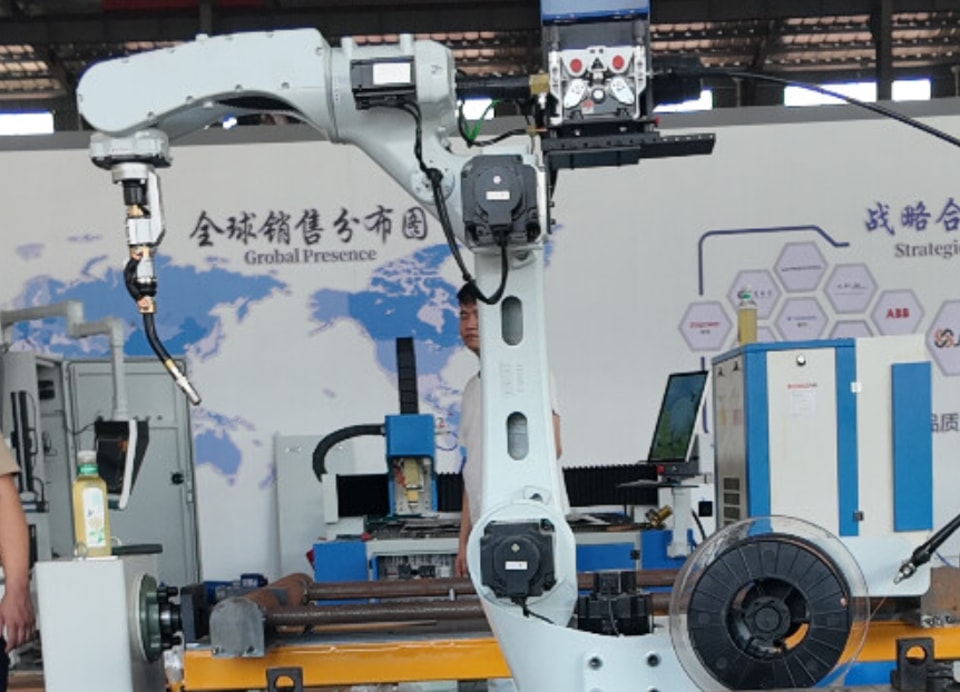
III. Inspection of the Welding Robot Body
1. The robot body and control box contain lithium batteries for servo motor encoder data backup. Battery life varies depending on the working environment. Replace the battery after two years; otherwise, the motor encoder data will be lost, requiring a complete re-alignment. Back up the teaching data before replacement to prevent loss of the teaching program and settings.
2. Check if the original axis symbols coincide.
3. During automatic and manual operation, check if each axis operates smoothly and stably.
4. Check if the robot's safety switches and emergency stop switches are functioning correctly.
5. Check if the wire feeding mechanism is stable.
6. Check for wear on the deceleration mechanism.
7. Adjust the tension of the toothed belt.
8. Apply lubricating oil to the TW, BW, and RW axes.
IV. Welding Machine Components
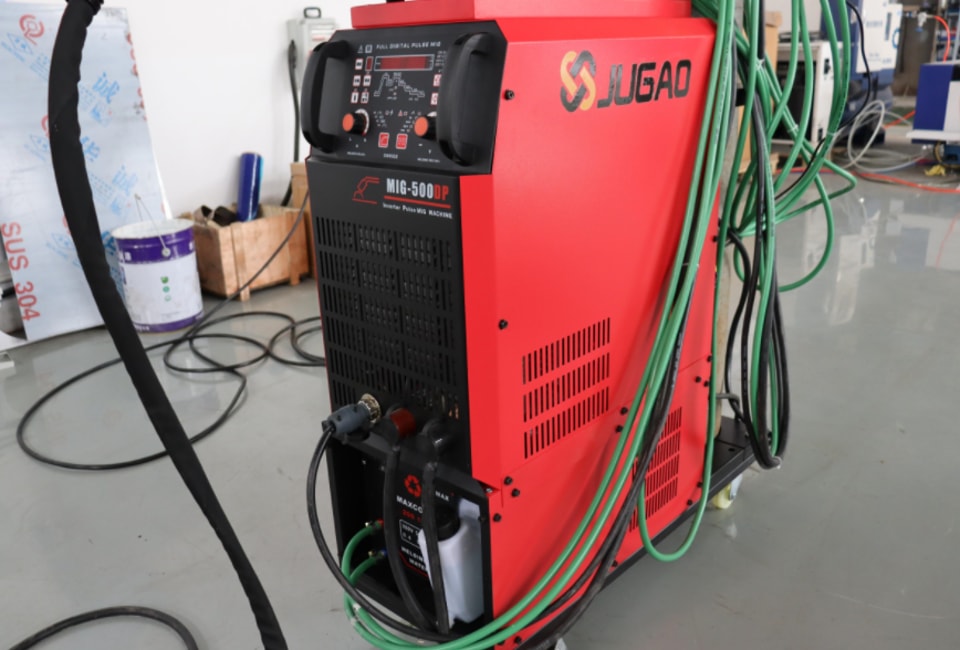
1. Welding power supply
2. Welding torch
3. Wire feeding device for the automatic welding robot.
Related
Keep
reading.
 What equipment is best for welding stainless steel? Are there risks of weak welds or deformation?
 CNC Turret Punch Presses Explained: Architecture and Operation
 Key Factors Governing Optimal Punch Press Tonnage
 Comparison of Laser Welding Results and Application Scenarios Across Different Materials
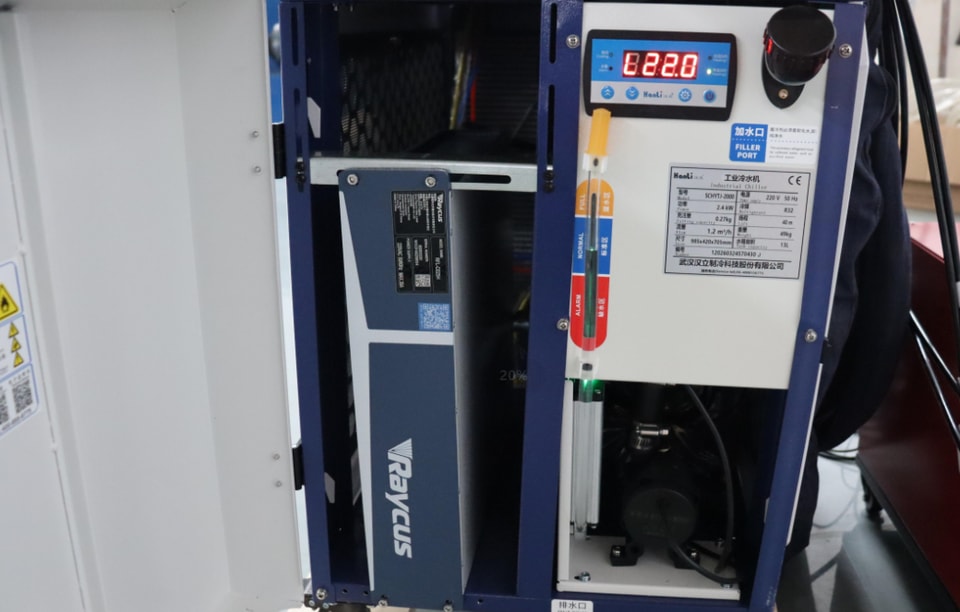 How to Choose Between Air-Cooled and Water-Cooled Laser Welding Systems
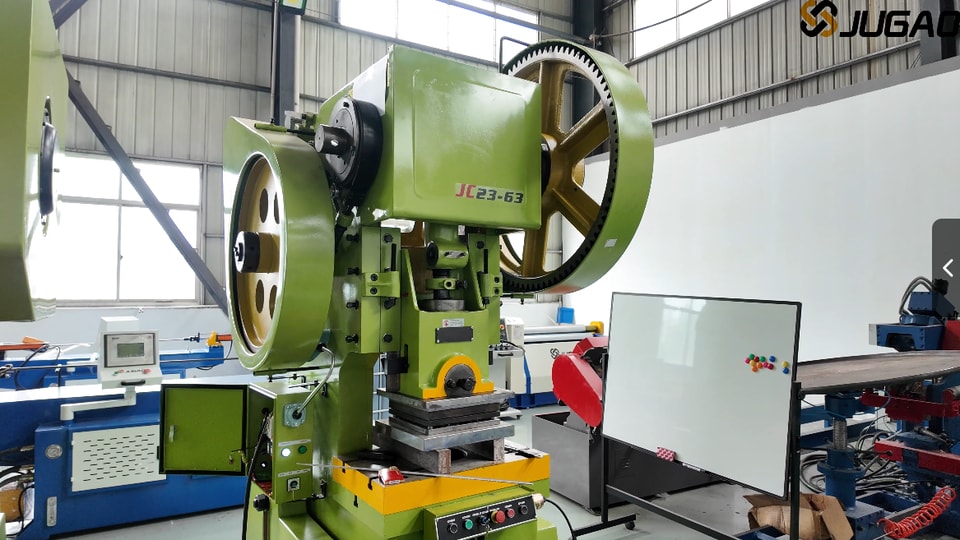 Understanding Punching Machines: Principles, Types, and Selection
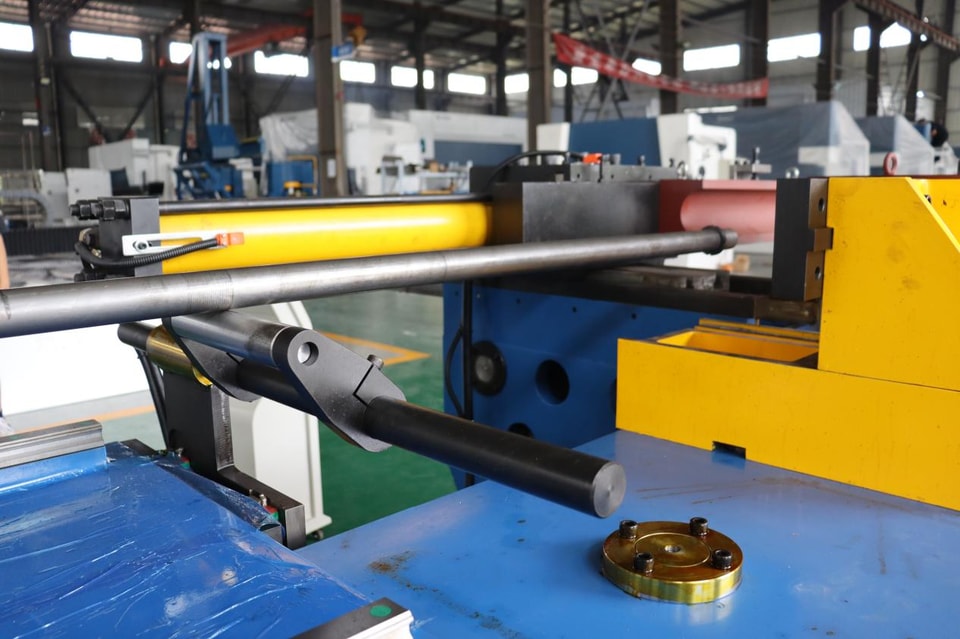 How can one effectively follow the installation guidelines for a pipe-bending machine?
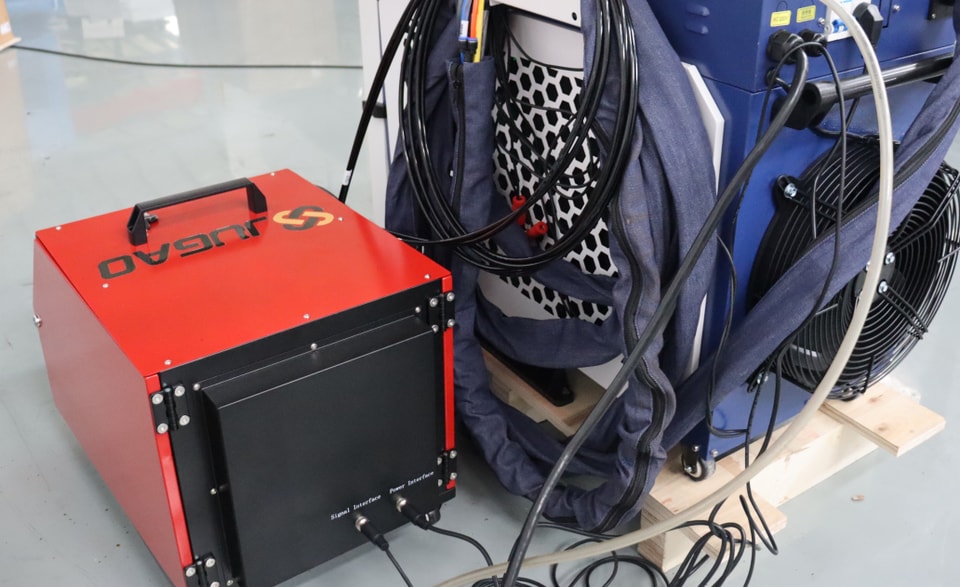 For which types of products is an automatic wire-feeding laser welding machine suitable?
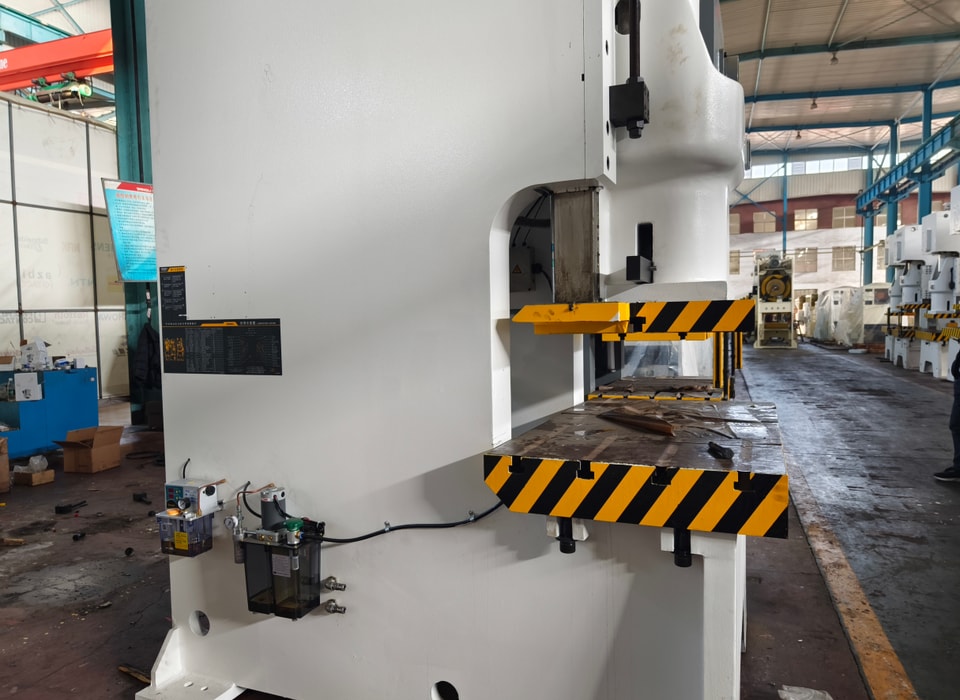 What Are the Latest Punching Machine Trends and Technological Breakthroughs?
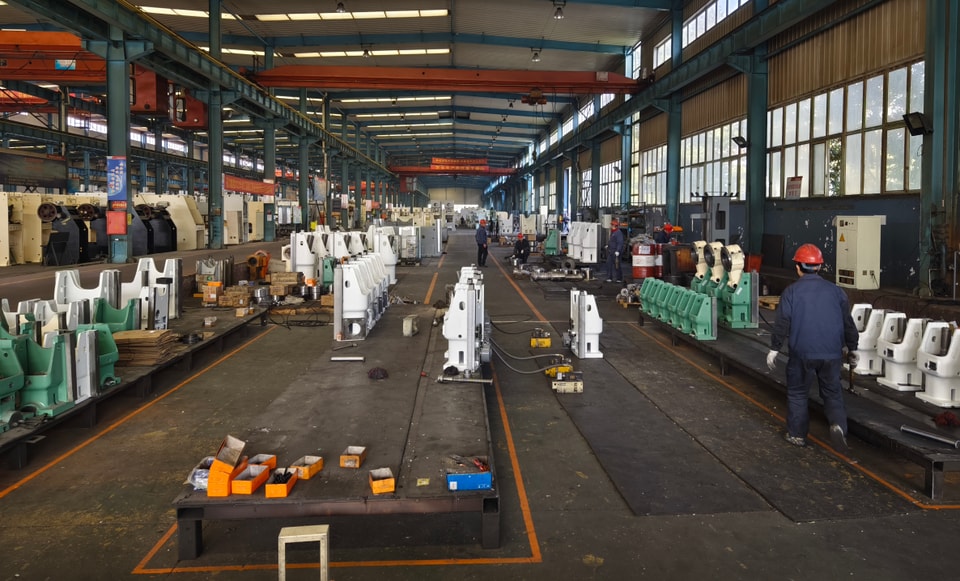 What Triggers Punching Machine Noise and How Can You Quieten It?
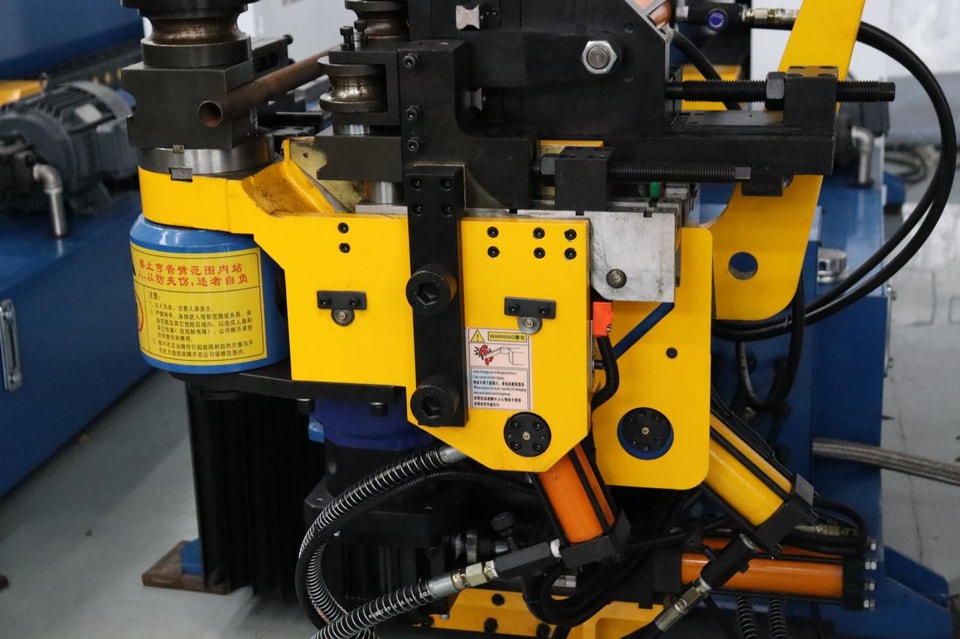 What factors influence the replacement cycle of wear parts in a pipe-bending machine?
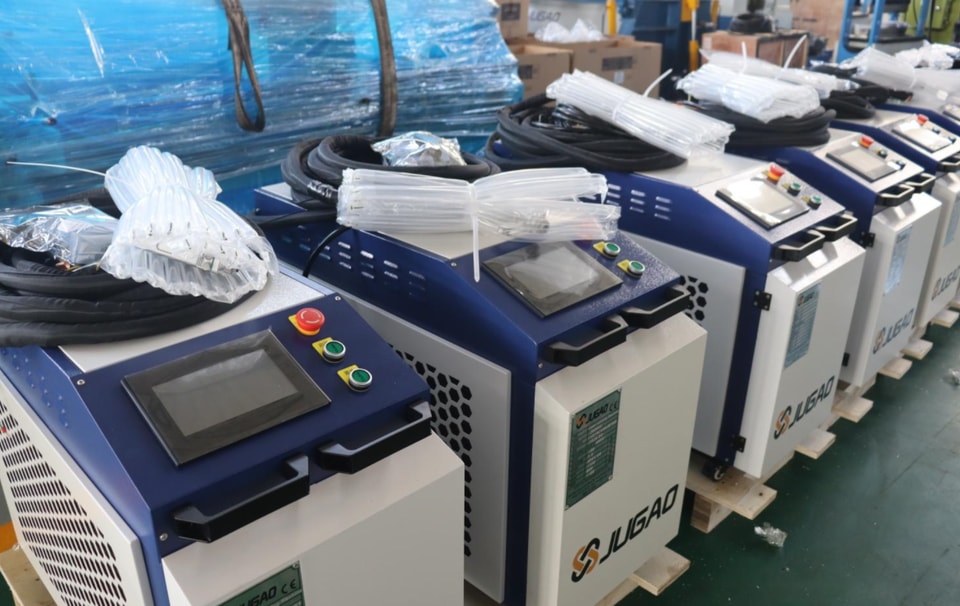 Beyond price, what key parameters should you consider when purchasing welding equipment?
Engineering review
Send a drawing.
Get an engineer.
Standard selections answered within 4 hours. Parts outside the rules get a written process review within 24 hours.
- Part drawing: DXF, DWG, STEP or PDF
- Material and thickness
- Longest bend or cut length
- Yearly volume
Write to info@ntjugao.com or message the factory on WhatsApp +86 132 2211 1178.
Drawings (DXF, DWG, STEP, PDF): attach them to an email to info@ntjugao.com, quoting your name.