 Get a quote
Resources
How to Resolve TC (Tracking Control) Errors in Robotic Welding Machines
During automated robotic welding, when a welding machine reports a TC error, it may cause the production line to stop, severely impacting production progress. In this situation, it's necessary to resolve the issue promptly to ensure normal welding operations. Below are some common solutions for dealing with TC errors in robotic welding machines.
1. Check the welding machine connection wiring:
First, check if the welding machine's connection wiring is properly connected. Sometimes, loose connections or poor contact can cause TC errors. Checking and reconnecting the welding machine wiring can resolve this issue.

2. Check the power supply:
Ensure the welding machine's power supply is normal and the voltage is stable. An unstable power supply can cause abnormal alarms from the welding machine, affecting normal operation. Power supply issues can be resolved by using a voltage regulator or checking the power supply wiring.

3. Check the welding electrodes:
Sometimes, the welding electrodes may be damaged or worn, leading to welding abnormalities. The condition of the welding electrodes should be checked regularly, and damaged electrodes should be replaced promptly to ensure welding quality and stability.
4. Check welding parameter settings:
Adjust welding parameter settings as needed according to welding process requirements to ensure compliance. Incorrect parameter settings can sometimes cause the welding machine to report TC (True Call) errors, requiring timely parameter adjustments to resolve the issue.

5. Update welding machine software:
If the welding machine software has not been updated for a long time, compatibility issues or software bugs may occur, leading to abnormal alarms. Timely software updates can resolve this problem, improving welding efficiency and stability.

By using the above methods, the problem of TC errors reported by robotic welding machines can be effectively resolved, ensuring smooth welding operations. In daily work, regular equipment inspection and maintenance are necessary, and abnormal situations should be handled promptly to improve production efficiency and product quality.
Related
Keep
reading.
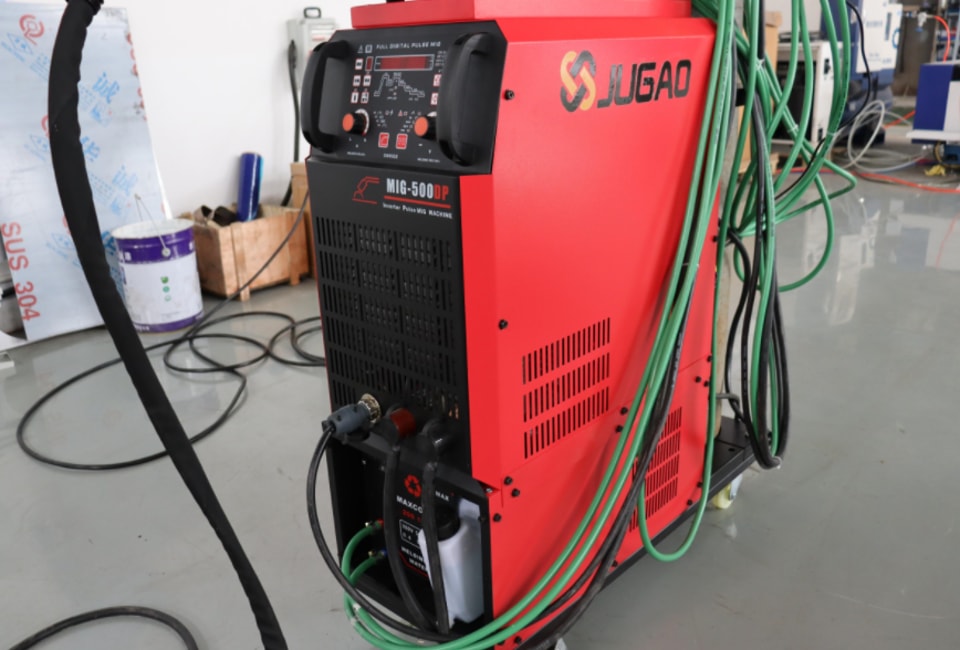 What equipment is best for welding stainless steel? Are there risks of weak welds or deformation?
 CNC Turret Punch Presses Explained: Architecture and Operation
 Key Factors Governing Optimal Punch Press Tonnage
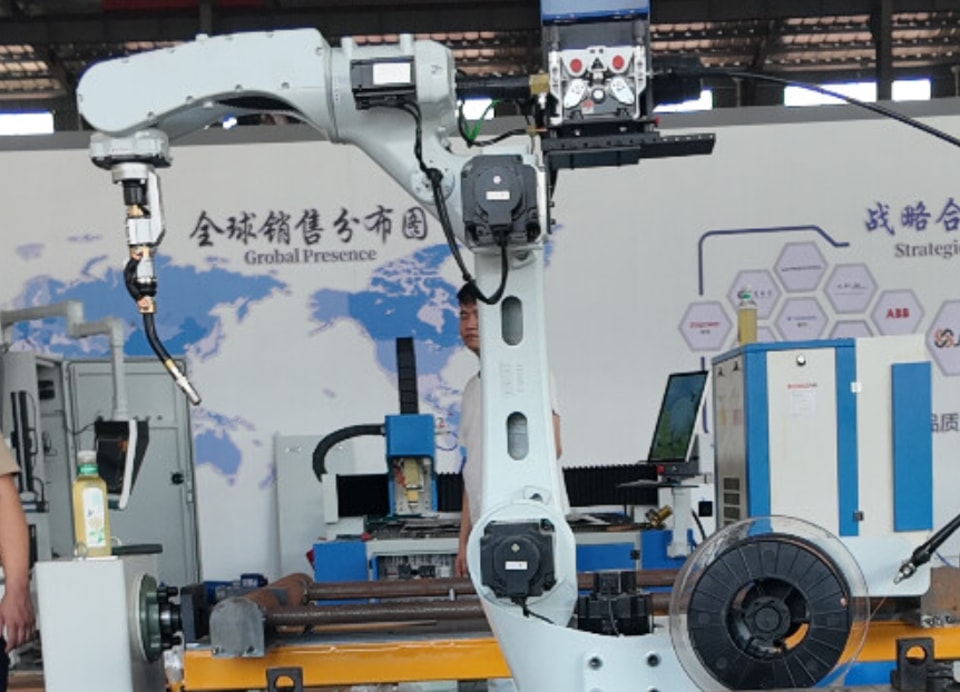 Comparison of Laser Welding Results and Application Scenarios Across Different Materials
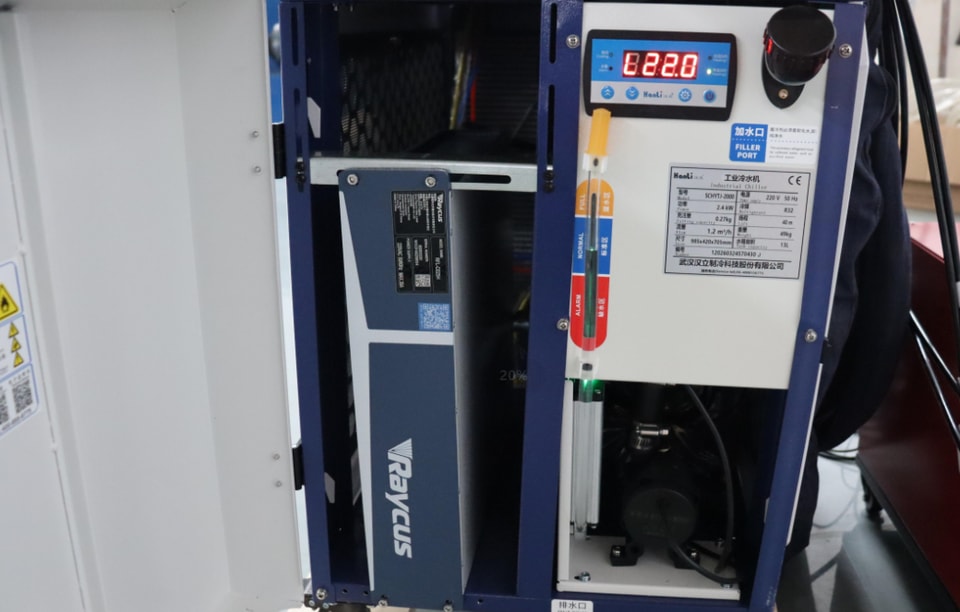 How to Choose Between Air-Cooled and Water-Cooled Laser Welding Systems
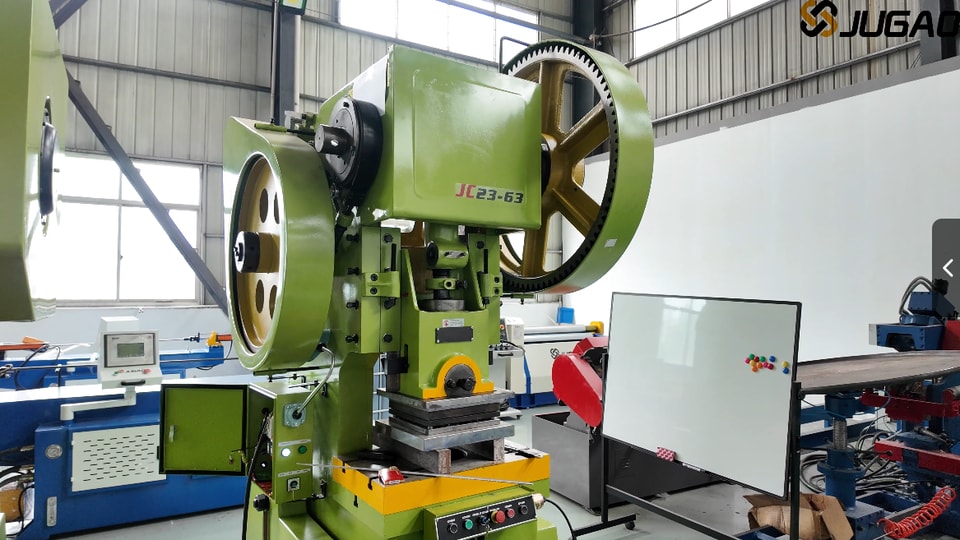 Understanding Punching Machines: Principles, Types, and Selection
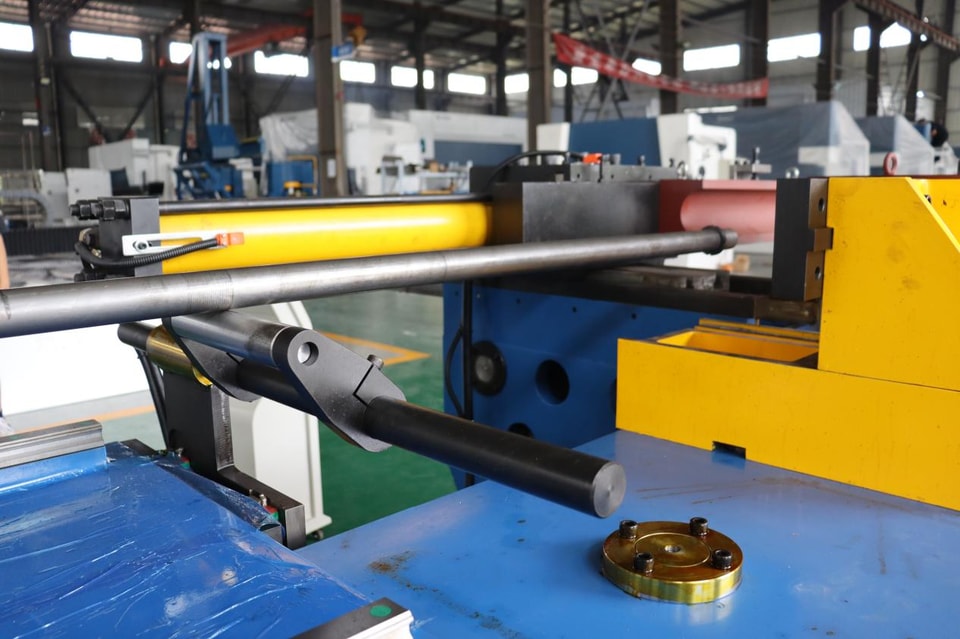 How can one effectively follow the installation guidelines for a pipe-bending machine?
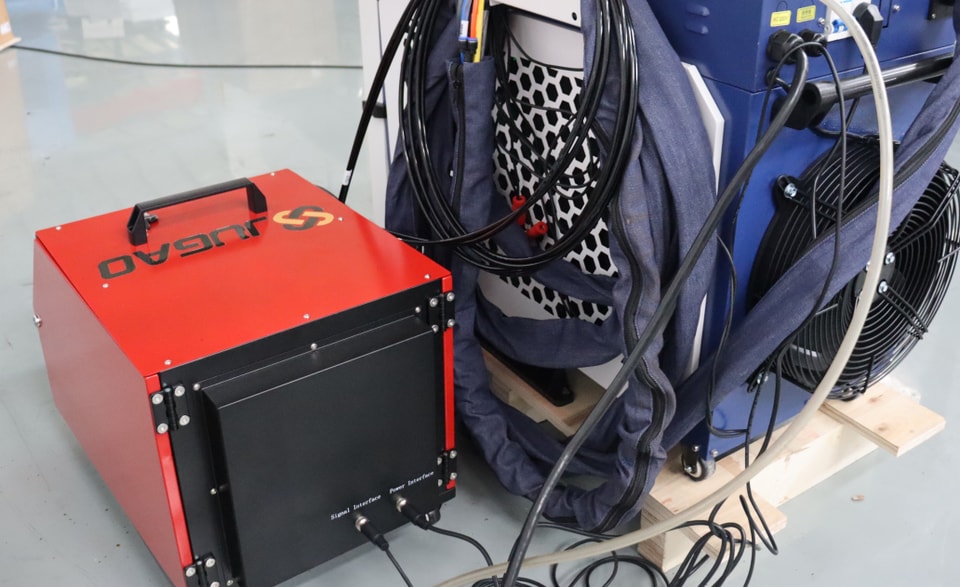 For which types of products is an automatic wire-feeding laser welding machine suitable?
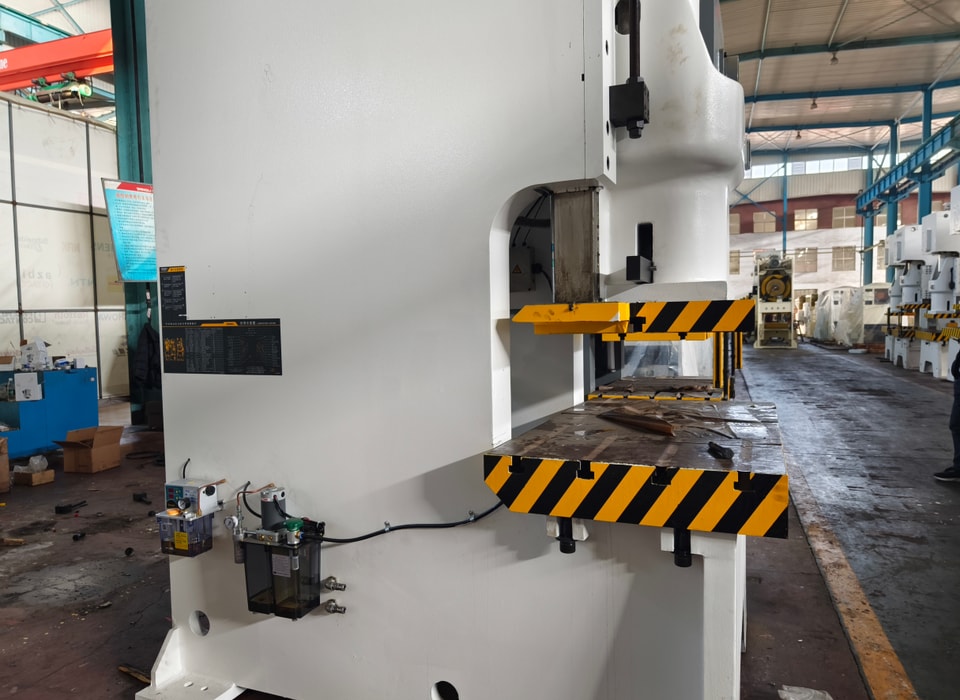 What Are the Latest Punching Machine Trends and Technological Breakthroughs?
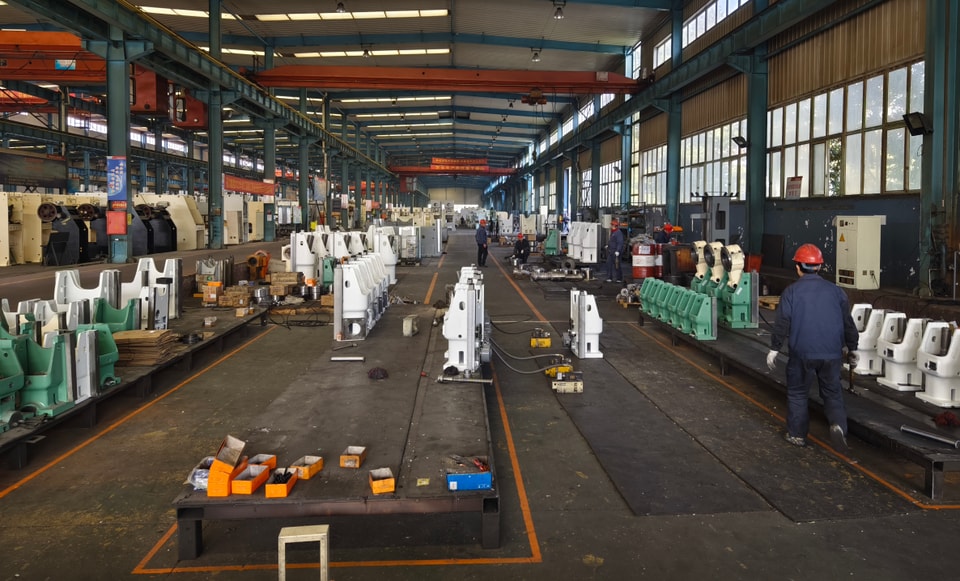 What Triggers Punching Machine Noise and How Can You Quieten It?
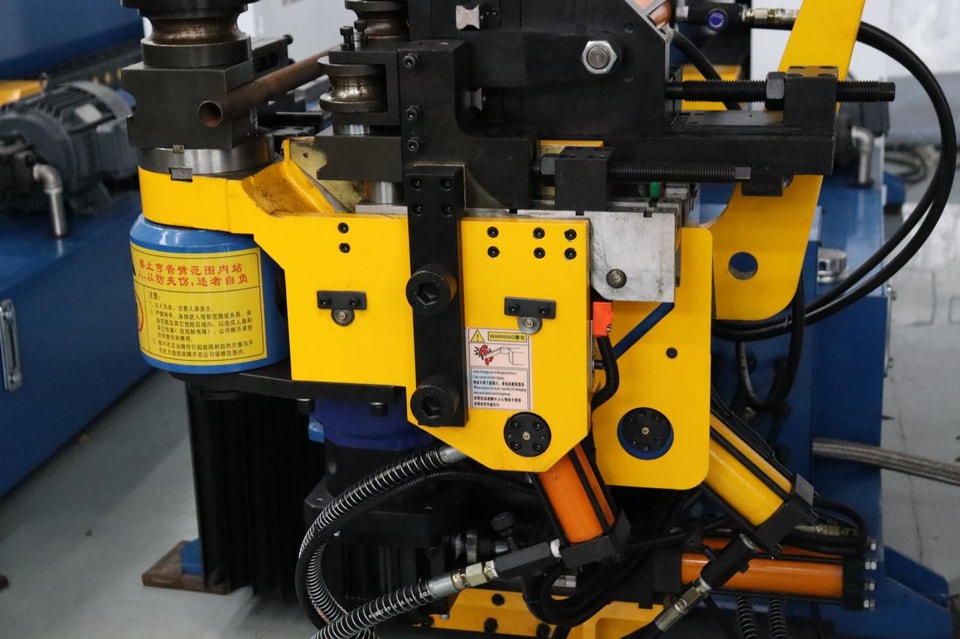 What factors influence the replacement cycle of wear parts in a pipe-bending machine?
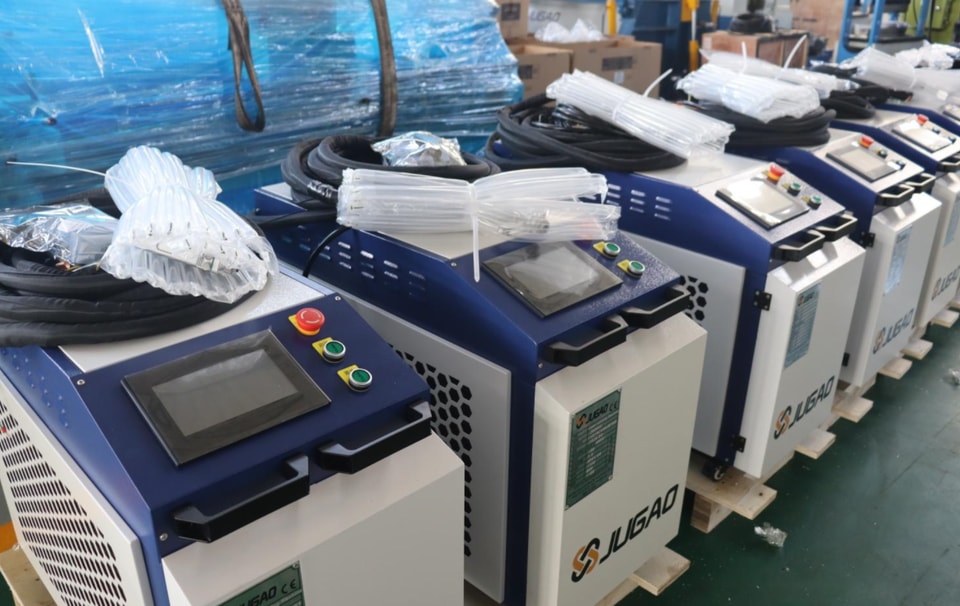 Beyond price, what key parameters should you consider when purchasing welding equipment?
Engineering review
Send a drawing.
Get an engineer.
Standard selections answered within 4 hours. Parts outside the rules get a written process review within 24 hours.
- Part drawing: DXF, DWG, STEP or PDF
- Material and thickness
- Longest bend or cut length
- Yearly volume
Write to info@ntjugao.com or message the factory on WhatsApp +86 132 2211 1178.
Drawings (DXF, DWG, STEP, PDF): attach them to an email to info@ntjugao.com, quoting your name.