
How to adjust welding parameters for an TIG welding robot?
2026-05-08

The key to adjusting the welding parameters of an TIG welding robot lies in precisely controlling the welding current, welding voltage, welding speed, and welding angle, while ensuring the accuracy of the robotic arm's movement speed and the welding torch's position.
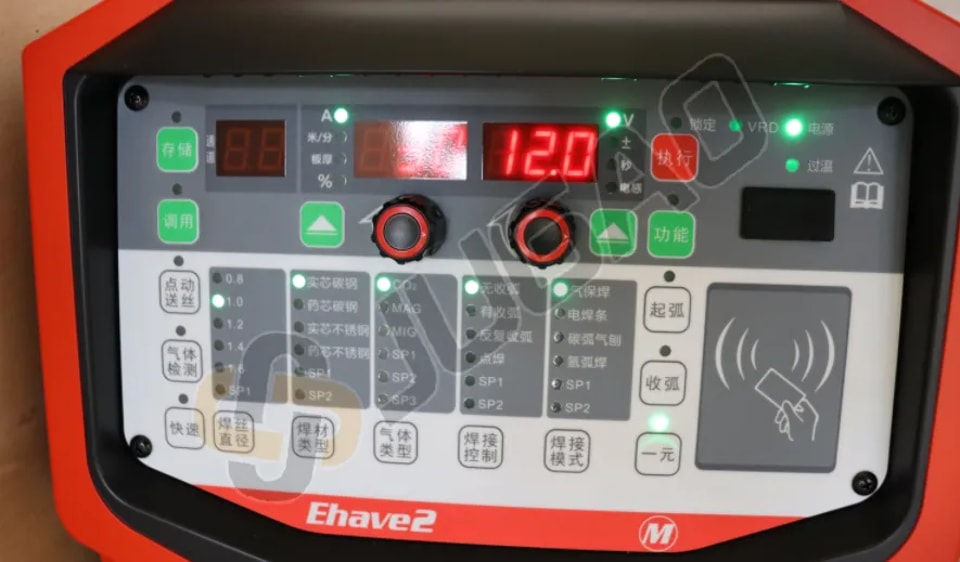
Adjusting welding current and voltage:
Welding current is one of the most important parameters in the arc welding process, determining the size and shape of the molten pool. Higher current allows for deeper penetration of the workpiece but may also increase the risk of thermal deformation. Lower current may result in a weld that is too narrow and lacks strength. The welding current setting needs to be based on the weld specifications and the depth and width of the weld. Appropriately increasing the welding current can improve efficiency, but care must be taken to avoid excessive current that could cause weld spatter. Matching the welding voltage to the welding current affects the size and shape of the weld. Higher voltage produces a larger arc, potentially penetrating the workpiece more deeply, but too high a voltage can also cause weld deformation or voids. When adjusting the welding voltage, it is necessary to consider that the welding process is relatively stable at lower voltages, which is beneficial for welding thin plates.
Welding Speed Adjustment:
Welding speed refers to the speed at which the welding torch moves, directly affecting weld quality and material consumption. Excessive welding speed may result in insufficient time for the high-voltage arc of the welding torch to contact the workpiece, leading to a weak weld. Insufficient welding speed may cause excessively high welding temperatures, resulting in heat deformation, hardening, or weld beads on the workpiece.
Welding Angle Adjustment:
The welding angle refers to the angle between the welding torch and the workpiece, affecting arc formation and penetration. It should generally be kept horizontal to avoid excessive spatter.
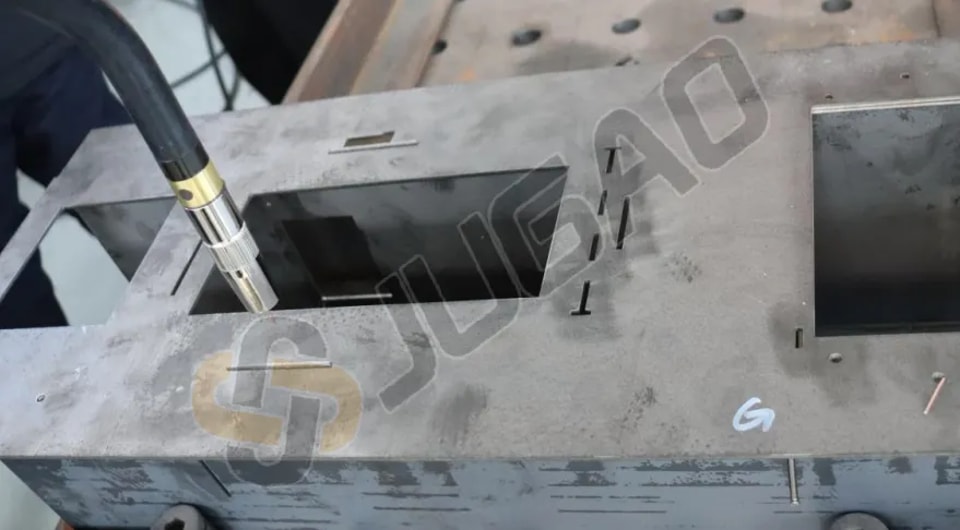
Robot Arm Movement Speed and Welding Torch Position Adjustment:
The robot arm's motion control system includes a program interpreter, motion interpolator, and servo driver, ensuring motion accuracy during welding. The movement speed setting can be adjusted according to the weld specifications of the workpiece to ensure welding accuracy.
The accuracy of the welding torch position is crucial for ensuring weld quality and requires appropriate adjustments during operation.
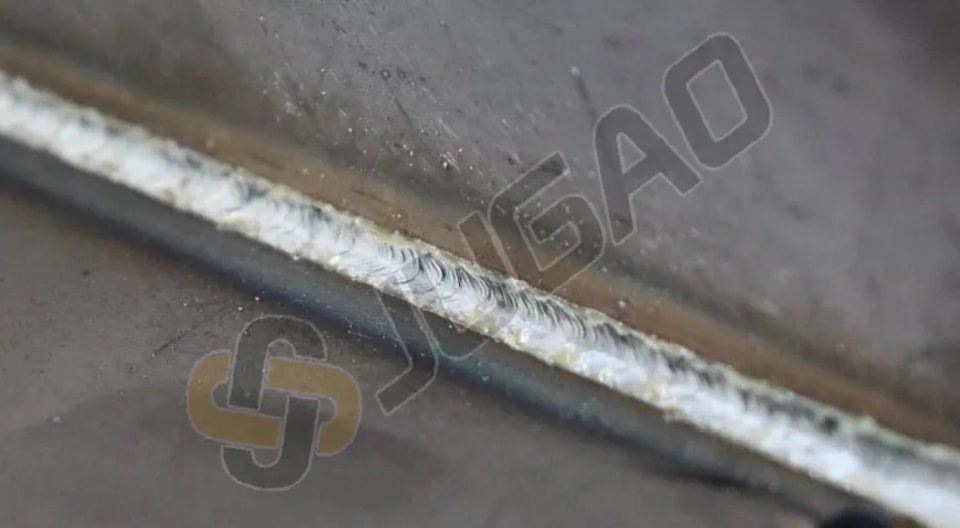
Through the above steps, operators can precisely adjust the welding parameters of the argon arc welding robot, thereby ensuring welding quality and improving production efficiency.
Contact Us