 Get a quote
Resources
Best methods for cleaning and rust prevention of pipe bending machines
Pipe bending machines operate in oily, dusty, and humid environments for extended periods. Inadequate cleaning and rust prevention can lead to mold corrosion, guide rail jamming, and hydraulic system contamination, ultimately affecting bending accuracy and equipment lifespan. The following are best practices.
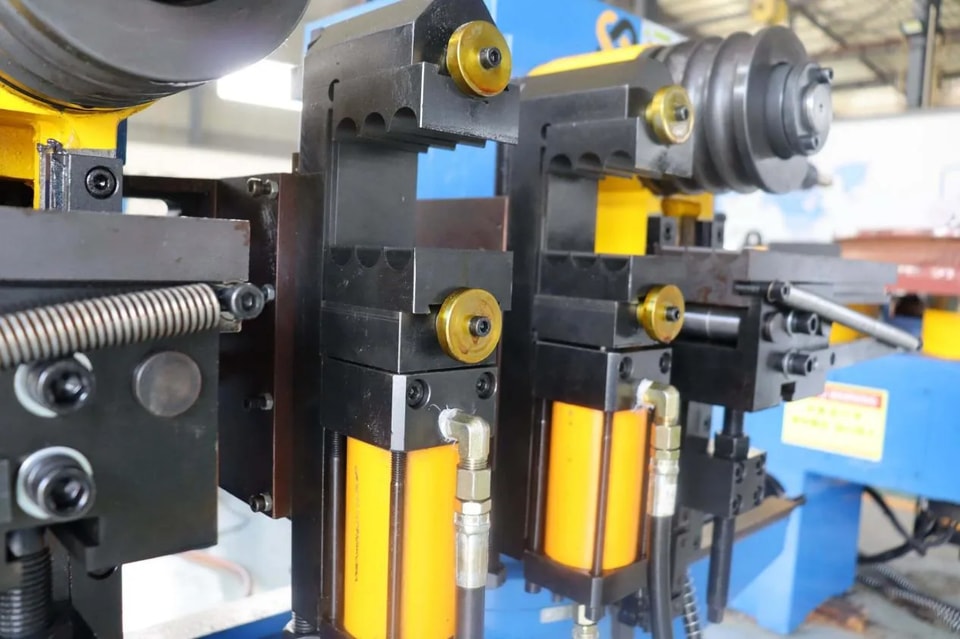
Daily Cleaning – The Foundation of Rust Prevention
1. Mandatory After-Shift Procedure: After shutting down the equipment, wipe the bending die, clamping die, anti-wrinkle die, and mandrel surfaces with a lint-free cloth to remove grease and metal shavings.
2. Guide Rails and Lead Screws: Use a brush or air gun to remove chips from linear guide rails and ball screws to prevent abrasive wear.
3. Hydraulic Areas: Wipe away oil seepage from oil tanks, valve groups, and pipe joints to prevent dust from adhering and forming grease buildup.
4. Prohibited Use: Do not use wire brushes or hard scrapers to clean the working surfaces of the molds, as this may damage the surface finish.
II. Rust Prevention Treatment -Key Components Required Protection
1. Mold Rust Prevention
Before leaving get off work each day, spray a thin layer of rust-preventive oil (such as WD-40 or a dedicated mold rust inhibitor) onto all working surfaces of the molds.
Molds not used for extended periods should be cleaned, dried, soaked in rust-preventive oil, and wrapped in rust-proof paper before storage.
2. Exposed Metal Parts
For chrome-plated or exposed surfaces such as piston rods, spindle rods, and guide rails, apply a dual-purpose rust-preventive and lubricating oil once a week.
If equipment is to be shut down for more than 3 days, these surfaces should be covered with a rust-preventive film.
3. Hydraulic Oil Rust Prevention
Hydraulic oil itself contains rust-preventive additives, but these will become ineffective after emulsification or contamination. Regularly test the water content of the oil (≤0.1%), and replace it immediately if it exceeds the standard.

III. Environmental Control – Reducing Corrosion at the Source
The humidity in the pipe bending machine workshop should be controlled between 40% and 60%. A dehumidifier can be installed.
Avoid placing the equipment near corrosive air sources such as those used in pickling or electroplating processes.
In summer, after shutdown, if large temperature differences in the workshop lead to condensation, the machine should be run unloaded for 10 minutes to raise the temperature and dehumidify.
IV. Rust Prevention Plan for Long-Term Shutdown
If the equipment is to be shut down for more than one month, rust prevention measures must be implemented:
Thoroughly clean all molds and moving parts.
Apply a hard-film rust-preventive oil (which forms a transparent protective film after drying).
Remove precision parts such as mandrels and anti-wrinkle molds, immerse them in oil, and then seal them for storage.
Maintain the hydraulic system oil level, manually rotate the machine monthly or start it briefly to allow the oil film to cover the internal parts.
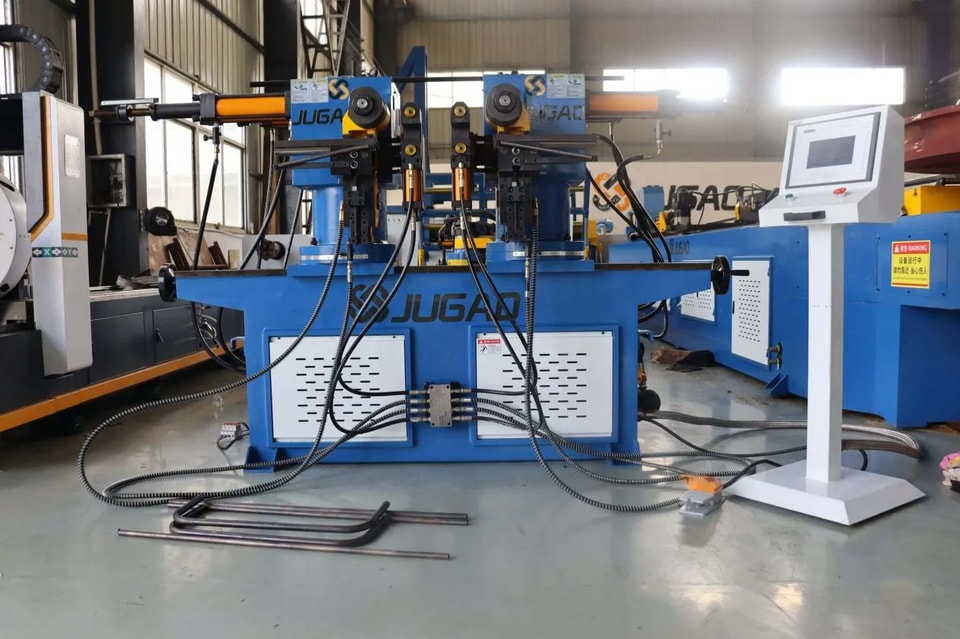
The key to cleaning and rust prevention of pipe bending machines is: daily cleaning of oil stains, applying a thin layer of rust-preventive oil to key parts, controlling ambient humidity, and long-term shutdown and sealing. Adhering to this method will keep your equipment looking like new for ten years.
Related
Keep
reading.
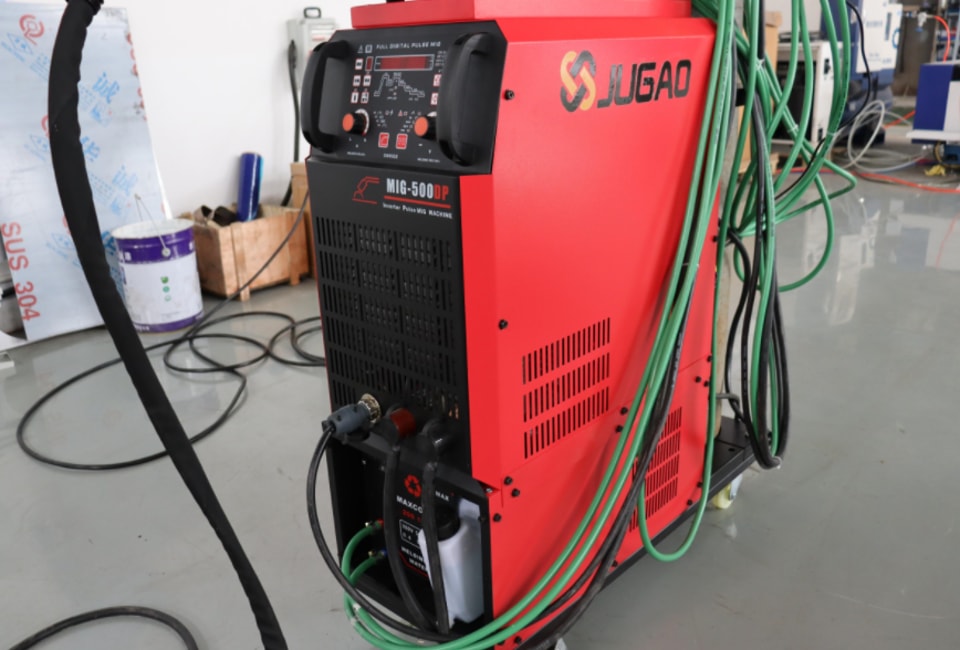 What equipment is best for welding stainless steel? Are there risks of weak welds or deformation?
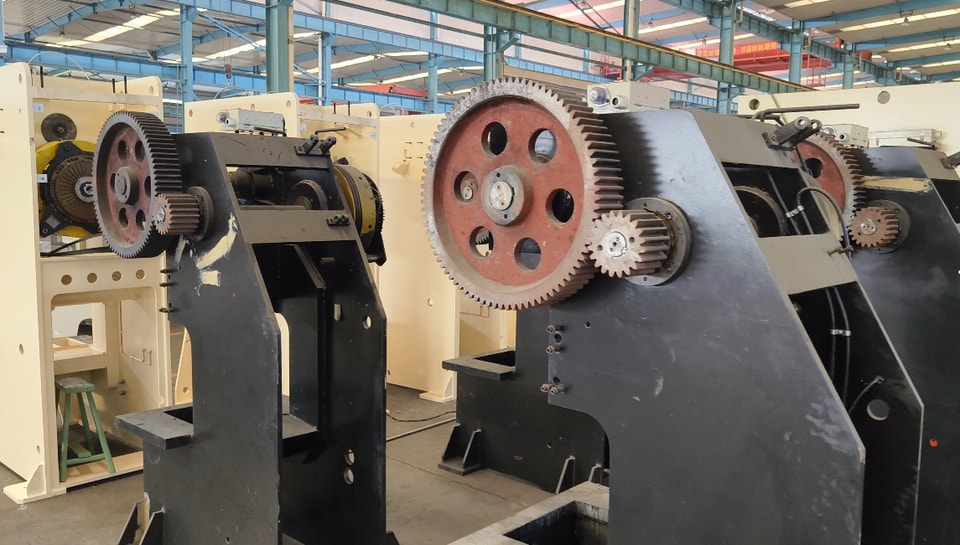 CNC Turret Punch Presses Explained: Architecture and Operation
 Key Factors Governing Optimal Punch Press Tonnage
 Comparison of Laser Welding Results and Application Scenarios Across Different Materials
 How to Choose Between Air-Cooled and Water-Cooled Laser Welding Systems
 Understanding Punching Machines: Principles, Types, and Selection
 How can one effectively follow the installation guidelines for a pipe-bending machine?
 For which types of products is an automatic wire-feeding laser welding machine suitable?
 What Are the Latest Punching Machine Trends and Technological Breakthroughs?
 What Triggers Punching Machine Noise and How Can You Quieten It?
 What factors influence the replacement cycle of wear parts in a pipe-bending machine?
 Beyond price, what key parameters should you consider when purchasing welding equipment?
Engineering review
Send a drawing.
Get an engineer.
Standard selections answered within 4 hours. Parts outside the rules get a written process review within 24 hours.
- Part drawing: DXF, DWG, STEP or PDF
- Material and thickness
- Longest bend or cut length
- Yearly volume
Write to info@ntjugao.com or message the factory on WhatsApp +86 132 2211 1178.
Drawings (DXF, DWG, STEP, PDF): attach them to an email to info@ntjugao.com, quoting your name.