
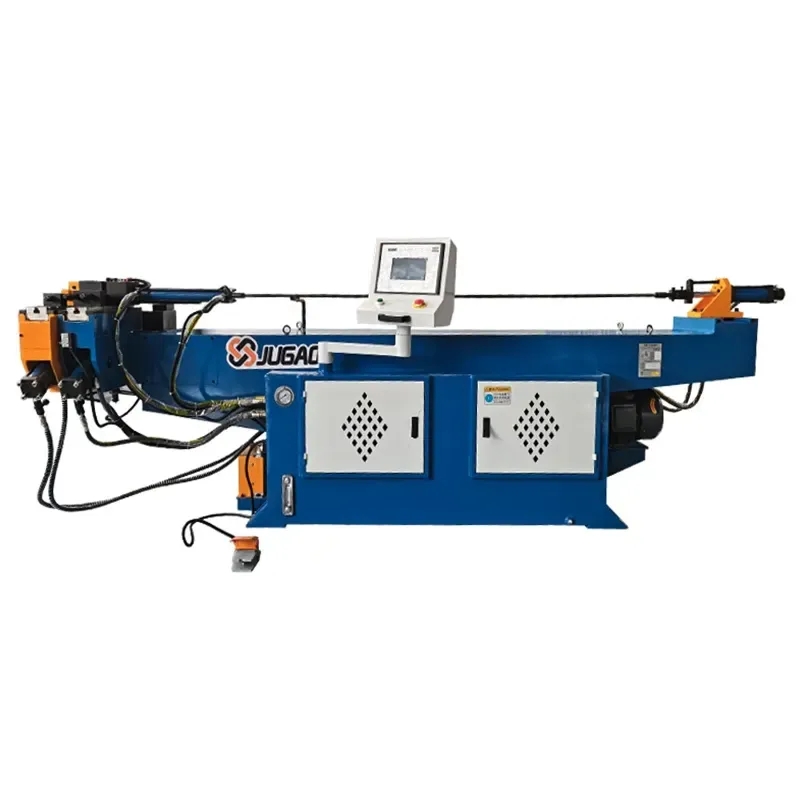
Why is understanding the lifespan of a pipe bending machine crucial for buyers?
2026-06-15

Investing in a pipe bending machine is not a small expense. If you only focus on the immediate price and ignore how long the machine will last, you might think you've saved money when you buy it, but after three to five years, it will start experiencing frequent breakdowns and accuracy issues, ultimately forcing you to replace it prematurely and spending even more money. Therefore, understanding the lifespan of a pipe bending machine and the factors that affect it is essential for every buyer.
I. What Factors Determine the Lifespan of a Pipe Bending Machine?
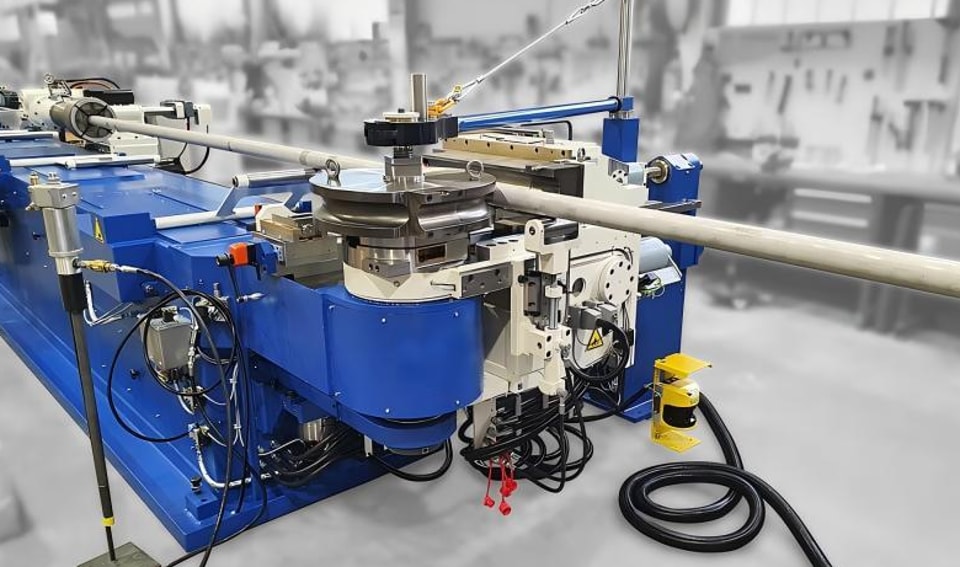
1. Manufacturing Quality and Materials: Does the machine body use a heavy-duty welded steel frame? Are key components (such as guide rails and molds) heat-treated? Is the hydraulic or servo system a well-known brand or a cheap component? These directly determine the machine's basic lifespan. High-quality pipe bending machines are typically designed for a lifespan of 8-15 years, while low-end models may experience problems after only 5 years.
2. Usage Intensity and Operating Conditions: The wear rate of a batch production line running continuously for 16 hours a day is drastically different from that of a trial production workshop that only operates a few times a week. Prolonged operation close to the machine's maximum bending capacity will accelerate fatigue in the hydraulic system, molds, and transmission components. When purchasing, allow for a 20%-30% margin in the machine's rated capacity.
3. Operator Skills: Improper operation is a common cause of premature wear. For example, forcing bending without properly adjusting the mandrel position, setting excessive clamping force, or bending at too high a speed will all accelerate the aging of the molds and mechanical structure. Training employees to operate the machine correctly can effectively extend its lifespan.
4. Environmental Conditions: High temperature, high humidity, and dusty workshops accelerate the aging of electrical components, lubricant deterioration, and metal corrosion. Placing the pipe bending machine in a clean, well-ventilated area with controlled temperature and humidity, and maintaining a stable power supply, helps reduce malfunctions.
5. Maintenance Quality: This is the only factor entirely under the user's control. Regular cleaning, lubrication, inspection of vulnerable parts, and replacement of hydraulic oil and filters can extend the machine's effective lifespan by 30%-50%.
II. How to Extend the Service Life of a Pipe Bending Machine?
**Establish a Daily Inspection System:** Before starting the machine each day, check the oil level, for abnormal noises, oil leaks, and die wear.
**Regular Deep Maintenance:** Replace the hydraulic oil filter every 500-1000 hours, and replace all hydraulic oil every 2000 hours or annually. Inspect bearings, seals, and guide rail clearances.
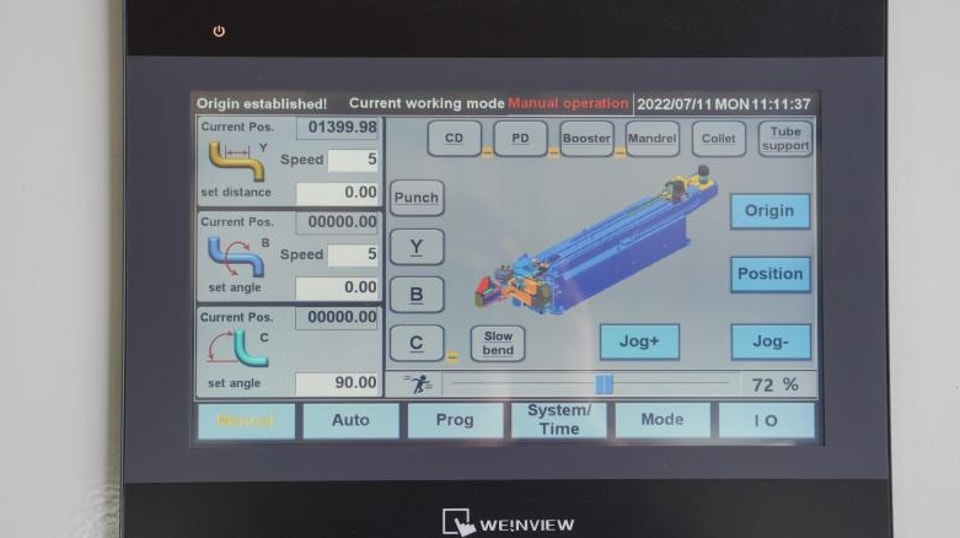
**Timely Software Updates:** For CNC models, keep the control system and pipe bending program up to the latest version. This optimizes the bending path and reduces unnecessary mechanical impact.
**Maintain Maintenance Records:** Record each maintenance session, parts replaced, and any abnormalities found. This helps predict potential future malfunctions.
III. How to assess the lifespan of a pipe bending machine before purchase?
Check manufacturer reputation: Choose brands with a long-standing market reputation and clear warranty terms (e.g., 2 years for the whole machine, 5 years for key components).
Investigate spare parts supply: Ask the manufacturer if they promise at least 10 years of spare parts supply. Many inexpensive machines become unavailable for spare parts after a few years and must be scrapped.
Calculate total cost of ownership: Don't just look at the price of the bare machine. Include maintenance, energy consumption, downtime losses, and residual value over the next 10 years. Often, a higher-quality machine will have lower long-term costs.
Frequently Asked Questions (FAQs)
Q: How many years can a pipe bending machine last on average?
A: A qualified CNC pipe bending machine, under normal use and regular maintenance, can typically last 8-15 years. Servo motor models have an even longer lifespan than traditional hydraulic models.
Q: Will frequently bending large-diameter, thick-walled pipes shorten its lifespan?
A: Yes. Prolonged operation close to maximum capacity will accelerate wear. It is recommended to choose a model with a rated capacity at least one size higher than the actual maximum workpiece size.
Q: How do I determine if my old machine needs replacing?
A: If annual maintenance costs exceed 15%-20% of the price of a new machine, or if the bending accuracy cannot be restored through calibration, replacement should be considered.
Understanding the lifespan of a pipe bending machine is essentially calculating a long-term investment. A slightly more expensive but durable and easy-to-maintain machine is often more cost-effective than a cheaper but short-lived one. It's far wiser to clarify manufacturing quality, maintenance requirements, and spare parts policies before purchasing than to regret it when the machine breaks down.
Contact Us