 Get a quote
Resources
What are the key points of the electrical connection of a pipe bending machine?
When it comes to the electrical connections of pipe bending machines, I've seen far too many cases: the machine is assembled, the mechanical parts are fine, but as soon as it's powered on, it alarms, the servo motor vibrates erratically, or even burns out the drive board. Ultimately, the problem always turns out to be with the electrical connections. Wiring seems simple, but there are countless details.
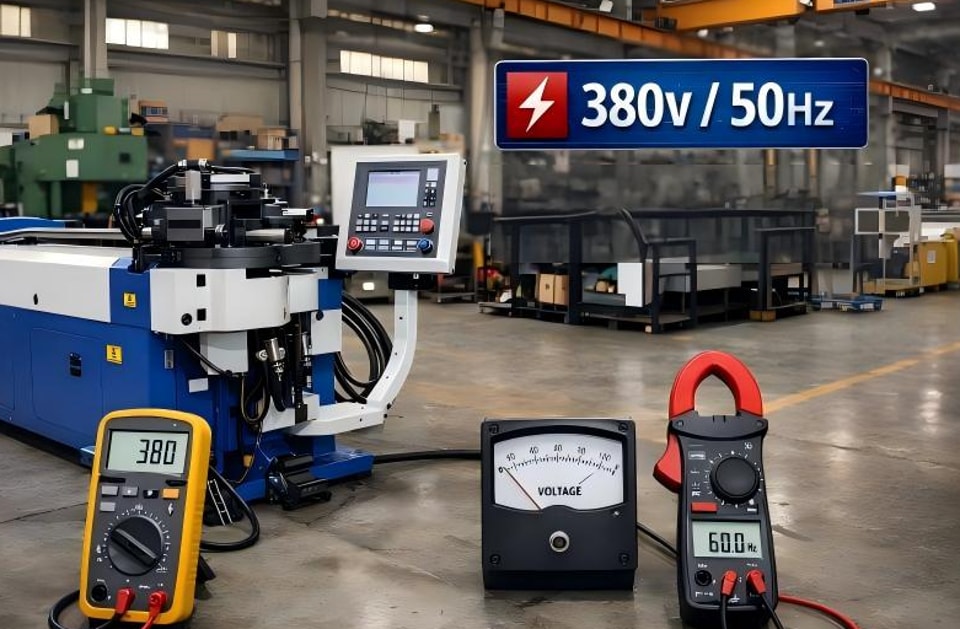
Power supply matching and phase sequence are paramount.
Before connecting the power, first confirm that the workshop voltage and frequency match those indicated on the machine's nameplate. A 380V machine connected to 220V simply won't run, and a 460V machine connected to 380V may cause a drive alarm due to undervoltage. If the voltage is incorrect, adjusting it later won't help.
Phase sequence is easily overlooked. If the phase sequence of a three-phase motor is reversed, the oil pump will reverse, and the hydraulic system won't provide pressure. For pipe bending arm models with a risk of gravity-induced sag, reverse rotation could cause the bending arm to fall unexpectedly under gravity, posing a safety hazard. Before jogging the machine for a test run, confirm that the rotation direction matches the arrow on the oil pump; it takes less than half a minute.
Cable Specifications: Don't Just Look At Attention to Size
The cross-sectional area of the power cord must be selected based on the machine's rated current, with some margin. Thinner wires will cause voltage drops under heavy loads, resulting in weak bending arm movements and unstable angles. Some workshops, for convenience, use whatever wires are available, leading to overheating, insulation aging, and a significantly increased failure rate after a period of operation.
Control cables and signal lines should be run separately from power lines and not bundled together. If servo motor and encoder signal lines run parallel to high-current power lines for a long distance, interference is unavoidable. Interference with the angle feedback signal will cause the angle of the bent pipe to fluctuate.
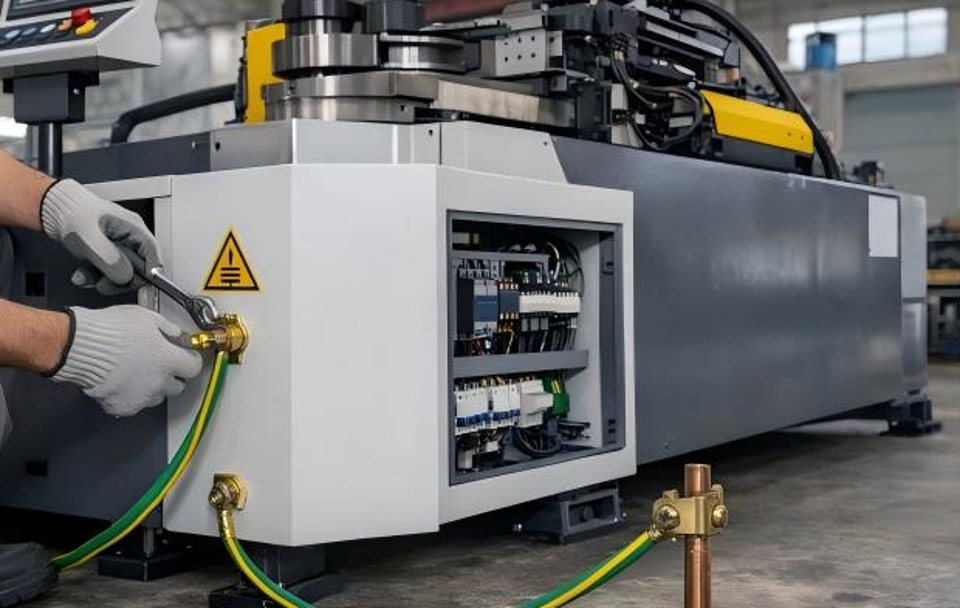
Grounding cannot be overemphasized.
Poor grounding is the root cause of many inexplicable malfunctions. Servo drive alarms, encoder signal fluctuations, touchscreen communication interruptions, occasional malfunctions—many problems, after investigation, ultimately stem from improper grounding.
Grounding should be done separately, not sharing a grounding electrode with welding machines or high-power motors. Grounding resistance should be as low as possible, and the grounding wire should be a sufficiently thick copper wire. If the grounding conditions of the workshop's power distribution system are poor, consider installing a separate grounding stake. Proper grounding will naturally eliminate many electrical faults.
Emergency stop and safety circuits must pass rigorous testing.
An emergency stop circuit isn't simply a matter of connecting the wires; each component must be tested individually. Pressing the emergency stop button on the control panel should immediately stop all movement without delay, and no axis should remain in motion. Safety door switches and limit switches must also be verified—the machine should automatically stop or remain stationary when the door is opened.
Proper testing in this area ensures operator safety. Don't underestimate the time spent testing the emergency stop; it's worthwhile.
Tightening and labeling of wiring terminals.
In vibrating environments, wiring terminals may gradually loosen. Loose terminals increase contact resistance, leading to overheating, arcing, and intermittent signals. Use appropriate torque when tightening; overtightening can damage the terminals.
Clearly label each wire: which is power, which is signal, and which terminal it leads to. This will be crucial when troubleshooting.
Pre-Power-On Checklist
Have you confirmed the phase sequence? Is the grounding wire connected correctly? Have all terminals been tightened? Have the emergency stop and safety circuit tests been conducted? Once these checks are completed, powering on the machine will virtually eliminate startup failures caused by wiring issues.
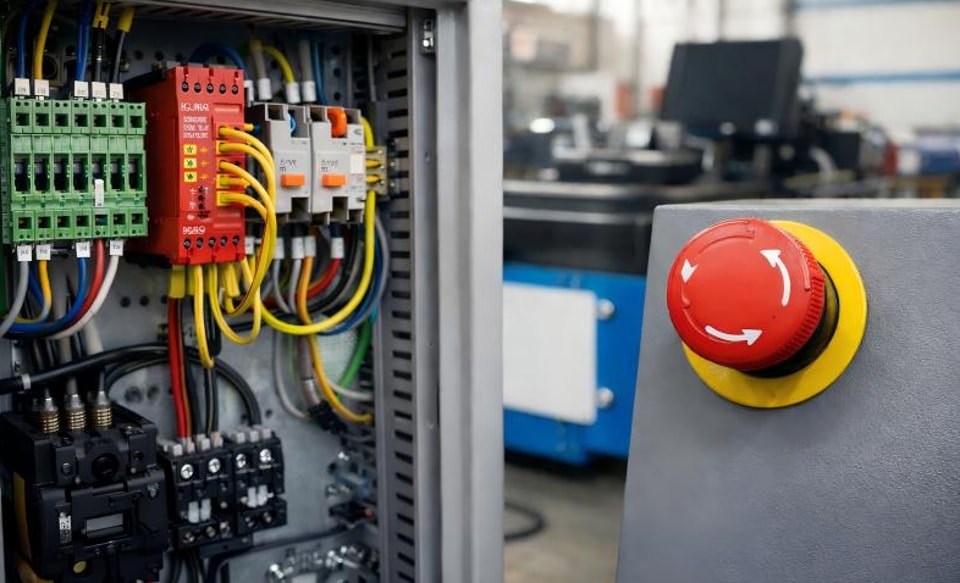
The standardization of electrical connections largely determines the stability and failure rate of the equipment during subsequent operation. Have you encountered any problems in your workshop due to negligence in details when wiring equipment?
Related
Keep
reading.
 Comparison of Laser Welding Results and Application Scenarios Across Different Materials
 How to Choose Between Air-Cooled and Water-Cooled Laser Welding Systems
 Understanding Punching Machines: Principles, Types, and Selection
 How can one effectively follow the installation guidelines for a pipe-bending machine?
 For which types of products is an automatic wire-feeding laser welding machine suitable?
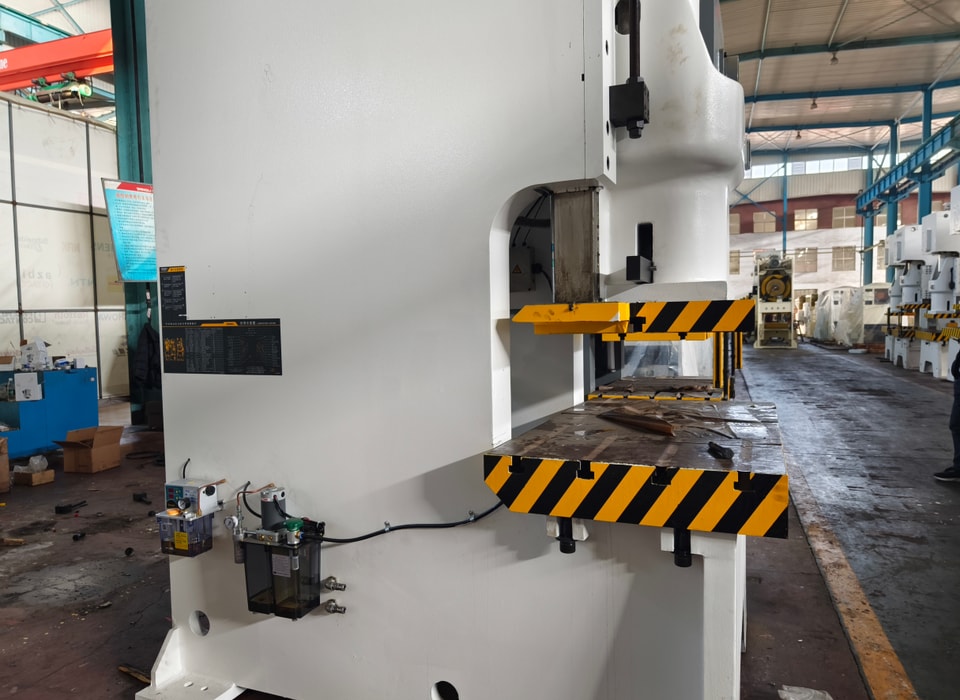 What Are the Latest Punching Machine Trends and Technological Breakthroughs?
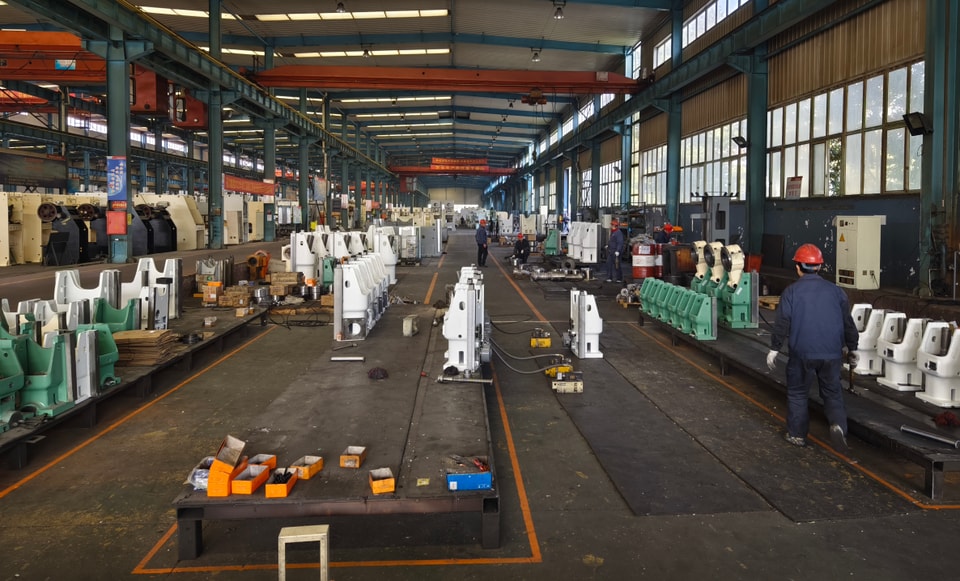 What Triggers Punching Machine Noise and How Can You Quieten It?
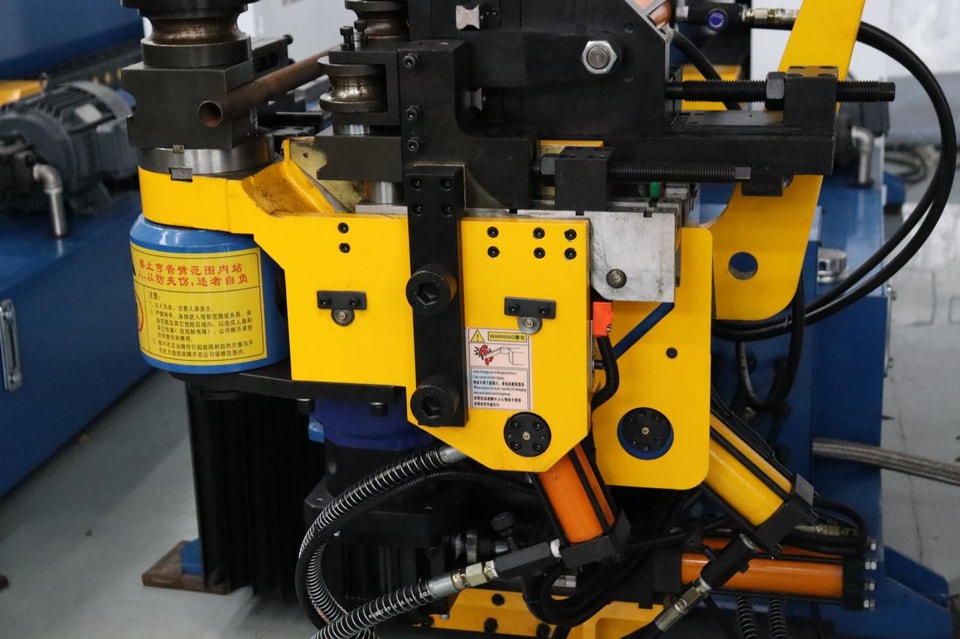 What factors influence the replacement cycle of wear parts in a pipe-bending machine?
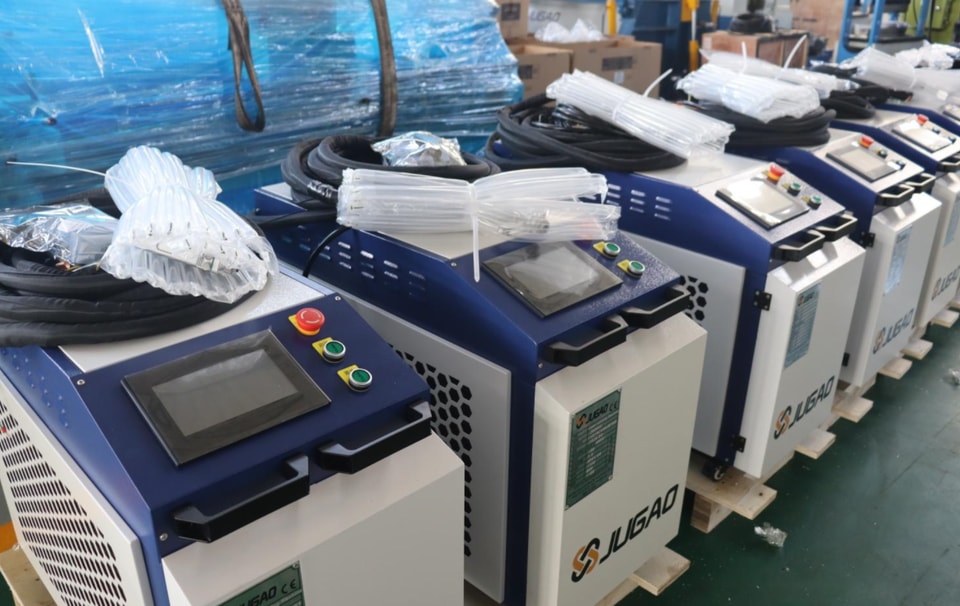 Beyond price, what key parameters should you consider when purchasing welding equipment?
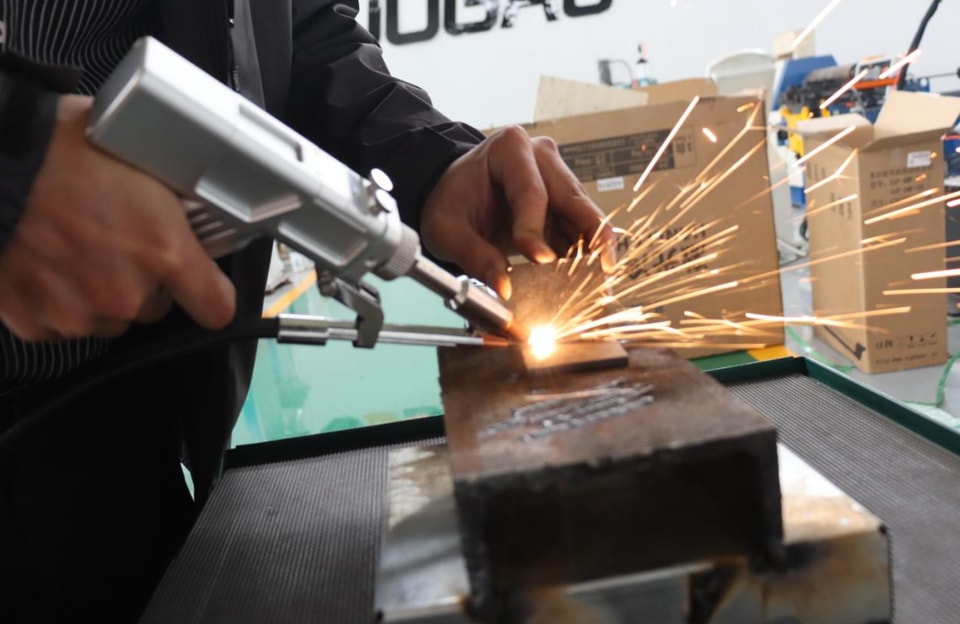 4 Common Methods for Inspecting Weld Quality
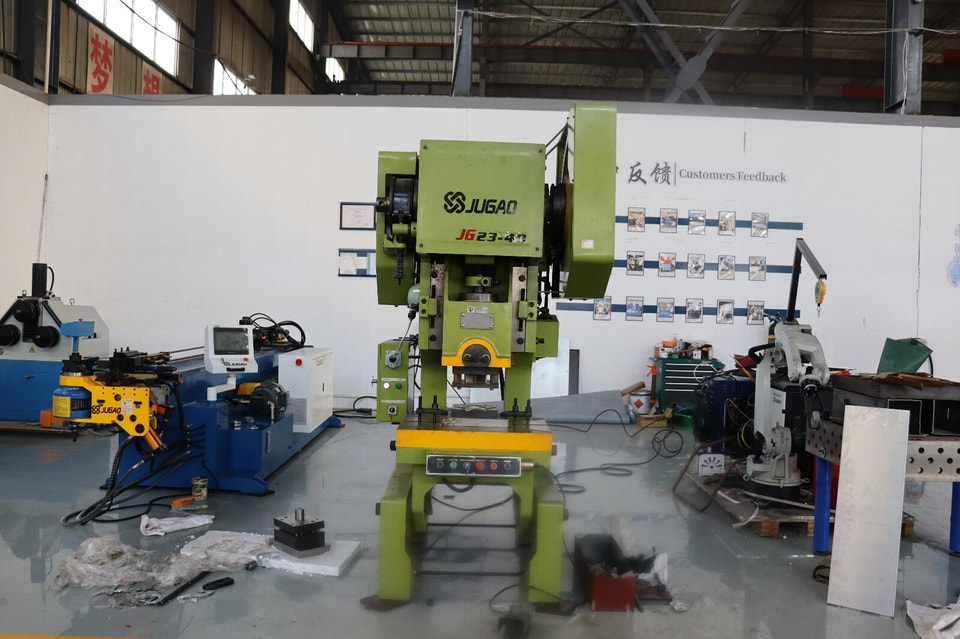 Selecting the Top Punching Machines for Small Workshops & Heavy Industry
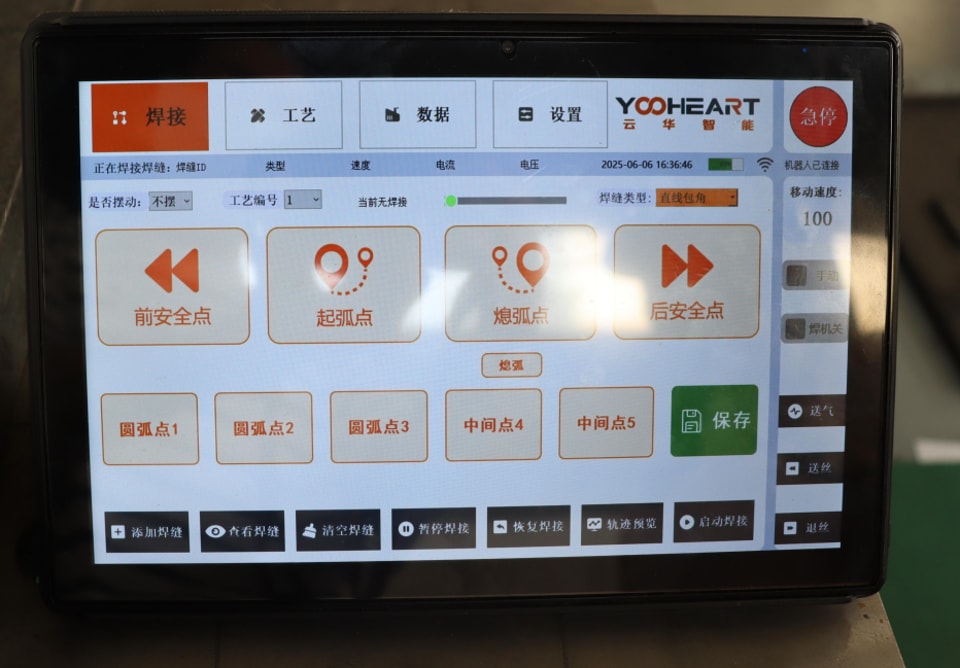 How do you set the welding path for a robotic laser welding machine? Can it perform precise welding on complex workpieces?
Engineering review
Send a drawing.
Get an engineer.
Standard selections answered within 4 hours. Parts outside the rules get a written process review within 24 hours.
- Part drawing: DXF, DWG, STEP or PDF
- Material and thickness
- Longest bend or cut length
- Yearly volume
Write to info@ntjugao.com or message the factory on WhatsApp +86 132 2211 1178.
Drawings (DXF, DWG, STEP, PDF): attach them to an email to info@ntjugao.com, quoting your name.