 Get a quote
Resources
What are the benefits of using pipe bending machines in automobile manufacturing?
Modern automobile production demands increasingly higher precision and efficiency. Pipe bending machines play an irreplaceable role in the manufacturing of key components such as exhaust systems, chassis parts, and brake lines. Below, we explain the tangible benefits that pipe bending machines bring to automobile manufacturing from several aspects, including precision, efficiency, material utilization, and typical applications.

I. Higher Precision and Consistency
Automobiles are assembled from thousands of parts, and any dimensional deviation in any part can affect assembly or performance. CNC pipe bending machines can control the bending angle, radius, and straight segment length within ±0.5° and ±0.5mm, respectively, ensuring that every exhaust pipe and every roll cage section perfectly matches the design drawings. This repeatability is unmatched by manual pipe bending, making it especially suitable for mass production.
II. Significantly Improved Production Efficiency
The automotive industry has a fast production pace and high downtime costs. Automated pipe bending machines are equipped with servo motors, automatic feeding, and multi-axis control systems, allowing for multiple bends to be completed simultaneously with short mold changeover times. Operators only need to access preset programs for continuous machine operation, significantly reducing manual intervention. Compared to traditional semi-automatic equipment, efficiency can be increased by more than 30%, helping factories easily handle large-volume orders.
III. Optimized Material Utilization and Reduced Costs
Pipe bending machines have built-in optimization algorithms that calculate the most material-efficient bending sequence and appropriately allocate clamping allowances, reducing waste. For high-priced materials such as stainless steel and aluminum alloys, this optimization can save considerable costs annually. Furthermore, the high precision and low scrap rate further reduce production losses.

IV. Capable of Processing Complex 3D Shapes
Modern automotive piping systems often operate outside a single plane. For example, brake lines need to navigate around suspension and subframe obstacles, forming a three-dimensional path. Multi-axis CNC pipe bending machines can complete bending, rotation, and feeding in a single setup, precisely achieving 3D pipe bending. This is impossible with manual or simple machines.
V. Adaptable to Various High-Strength Materials
With the trend towards lightweighting in automobiles, high-strength steel, aluminum alloys, and even titanium alloys are being used more and more. Advanced pipe bending machines employ high-torque servo drives and wear-resistant dies, enabling stable bending of these difficult-to-form materials without easily causing cracks or wrinkles. Material switching can be done quickly simply by changing the appropriate mandrel and lubricant.
Main Application Scenarios
Exhaust System: Exhaust manifolds, mid-sections, and muffler piping, requiring smooth inner walls and unobstructed airflow; the pipe bending machine can achieve wrinkle-free and diameter-free bending.
Chassis and Safety Structure: Roll cages, roof frames, and subframe support pipes, requiring high strength and consistency, with uniform stress distribution after bending.
Brake, Fuel, and Hydraulic Lines: Small-diameter precision pipes, free from flattening or creases, to ensure pressure resistance and sealing.
Seats and Interior Trim: Seat frames and backrest supports, prioritizing lightweight design and ergonomic curves; batch bending efficiency is extremely high.
How to Choose the Right Pipe Bending Machine for Automotive Applications?
Select the appropriate torque based on the material: Stainless steel and high-strength steel require high-torque models; aluminum requires servo models with more precise pressure control.
Select the level of automation based on production volume: Fully automatic CNC pipe bending machines with automatic feeding and unloading should be used for mass production; semi-automatic NC models can be used for small batches or trial production.
Emphasis on software and programming: Intuitive graphical interfaces, CAD import functions, and springback compensation algorithms can significantly reduce debugging time and lower the skill requirements for operators.
 ,
In the automotive manufacturing industry, pipe bending machines are not merely forming tools, but also key equipment for improving precision, efficiency, material utilization, and design flexibility. Whether you are producing exhaust systems, chassis structures, or brake lines, investing in a suitable CNC pipe bending machine can bring tangible quality improvements and cost savings.
Related
Keep
reading.
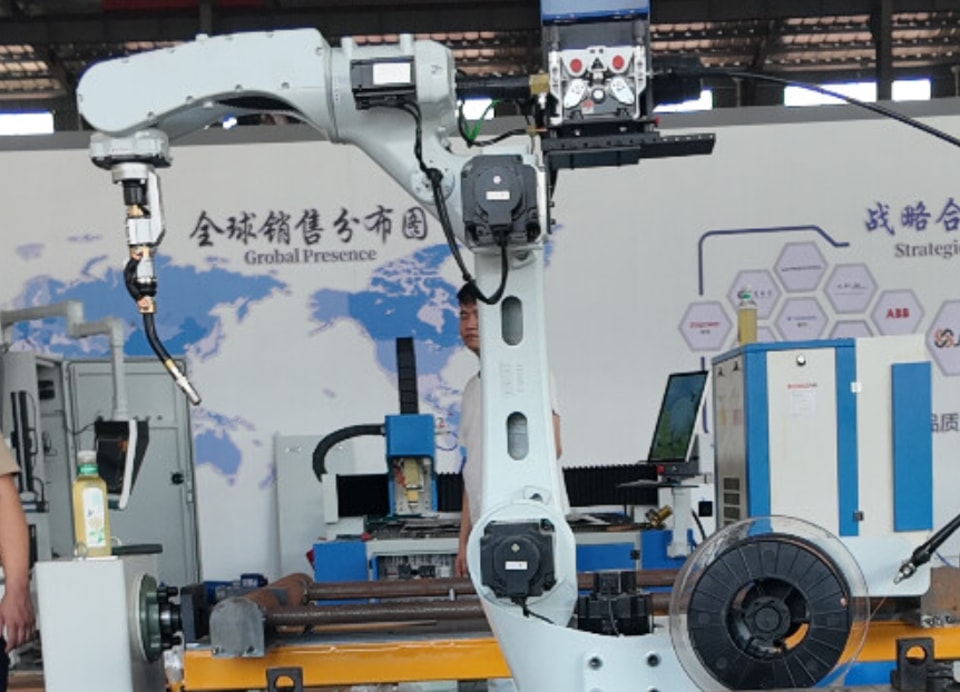 Comparison of Laser Welding Results and Application Scenarios Across Different Materials
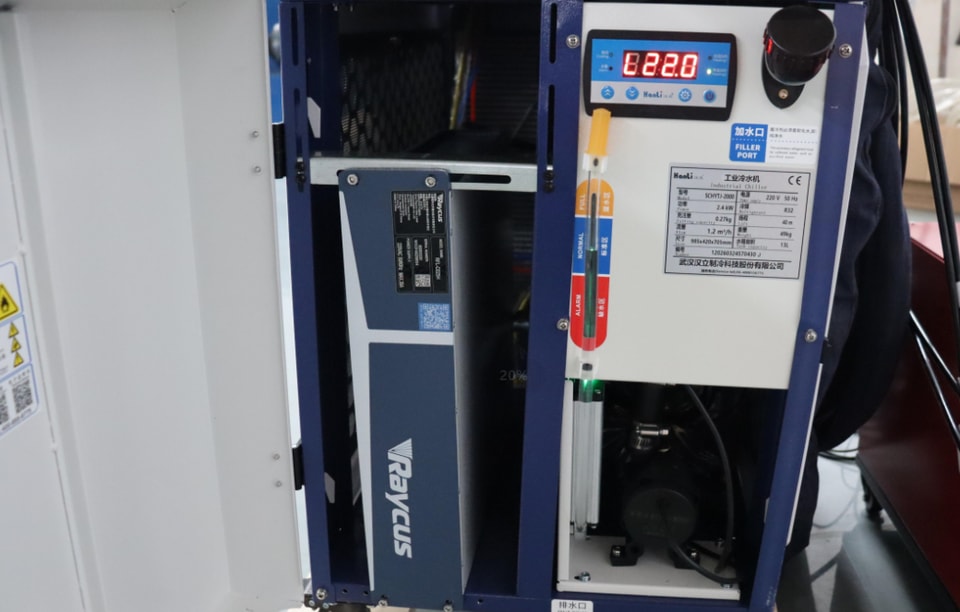 How to Choose Between Air-Cooled and Water-Cooled Laser Welding Systems
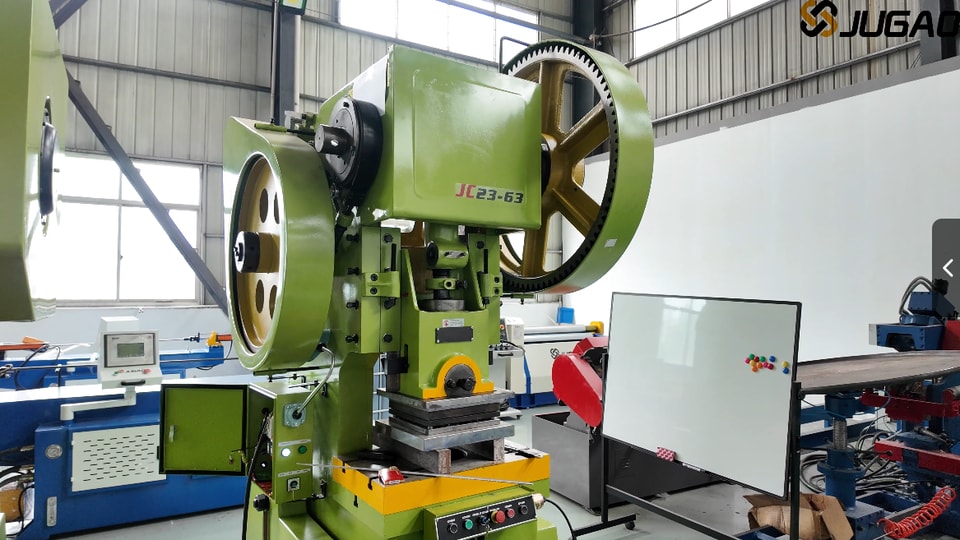 Understanding Punching Machines: Principles, Types, and Selection
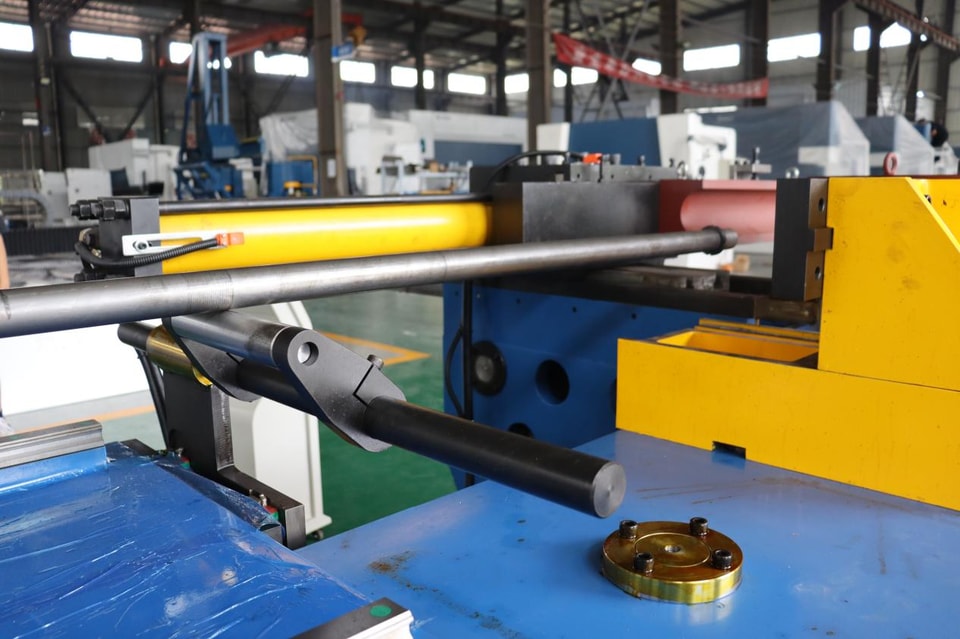 How can one effectively follow the installation guidelines for a pipe-bending machine?
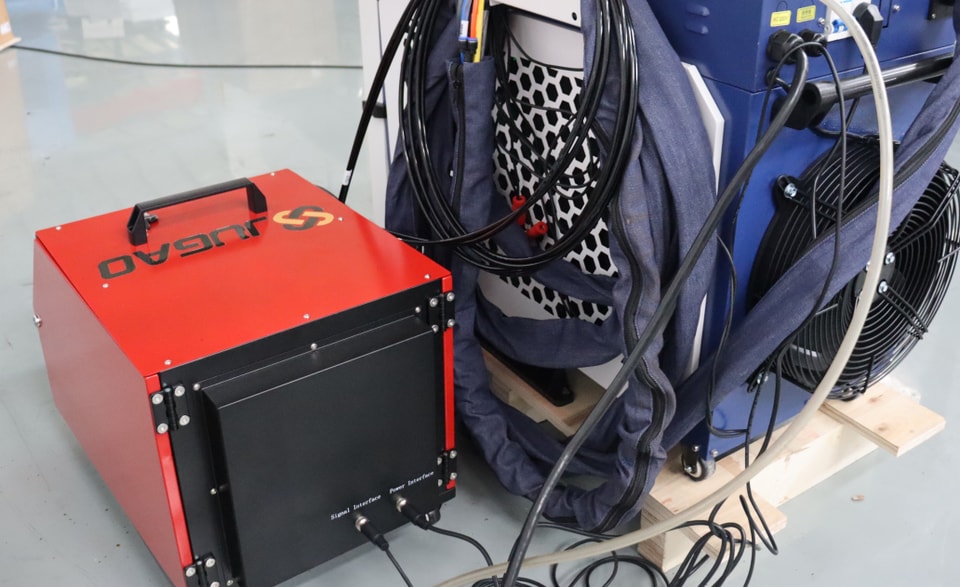 For which types of products is an automatic wire-feeding laser welding machine suitable?
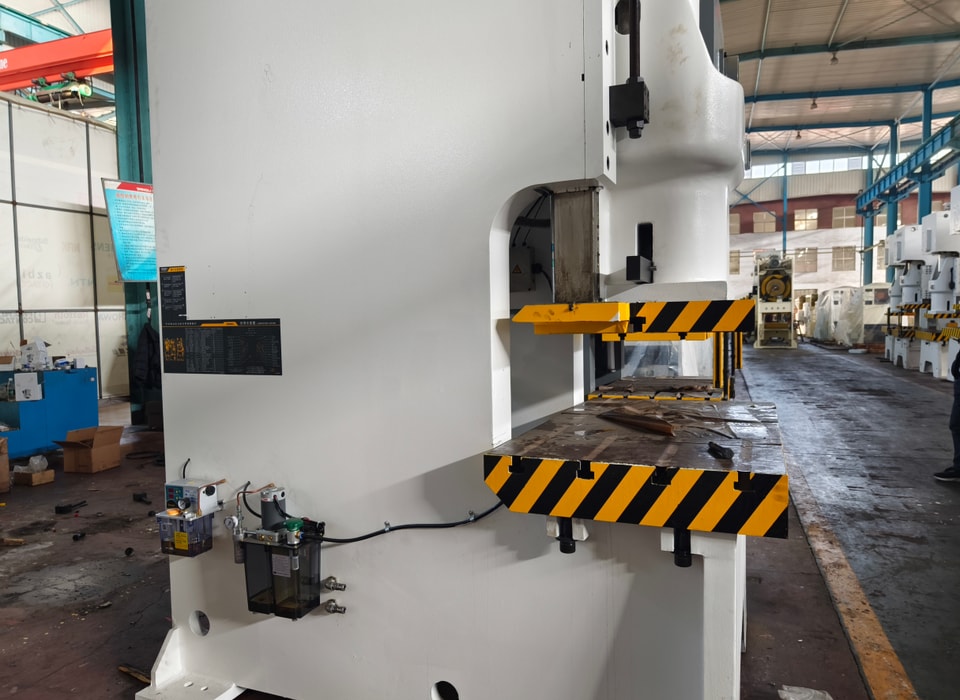 What Are the Latest Punching Machine Trends and Technological Breakthroughs?
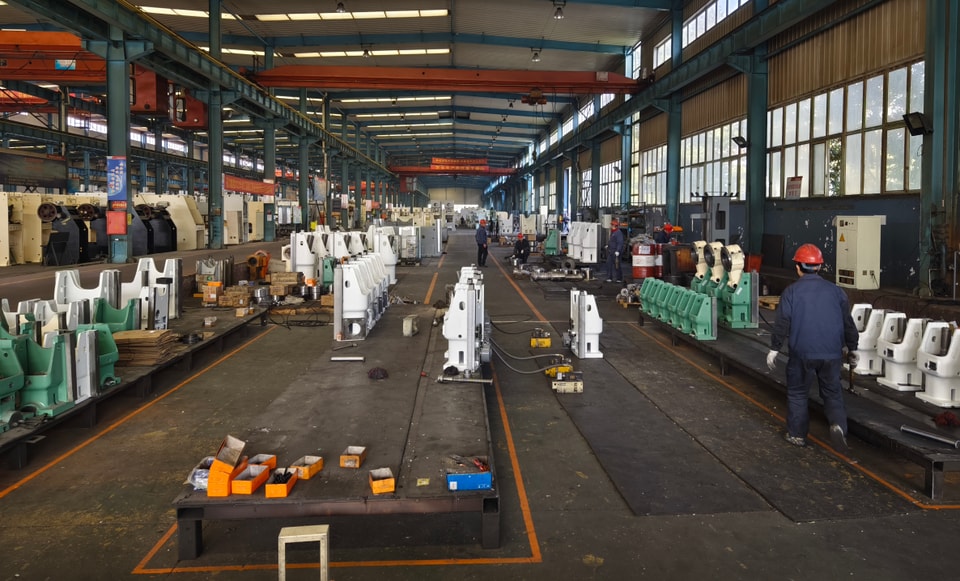 What Triggers Punching Machine Noise and How Can You Quieten It?
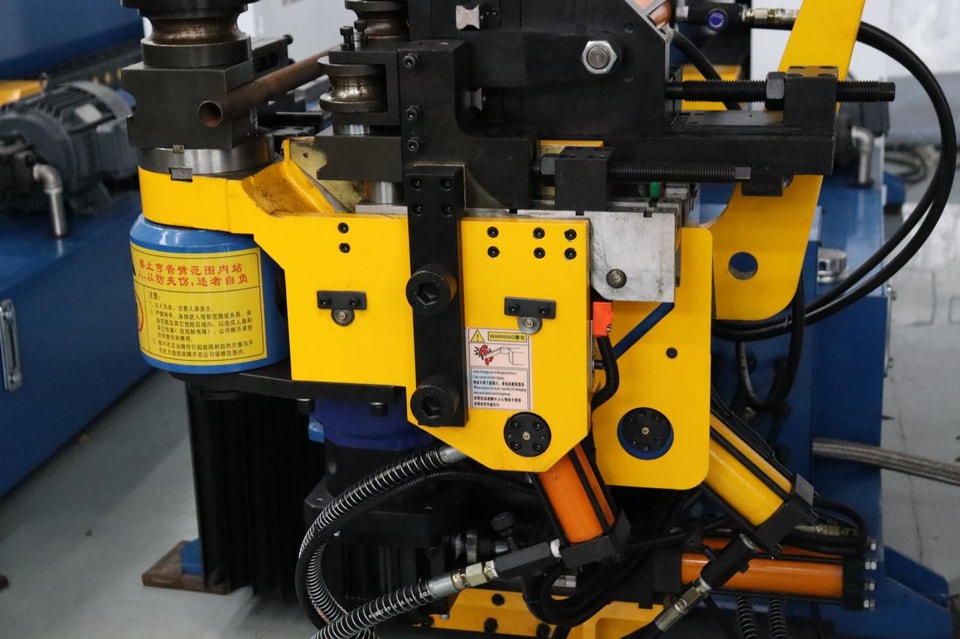 What factors influence the replacement cycle of wear parts in a pipe-bending machine?
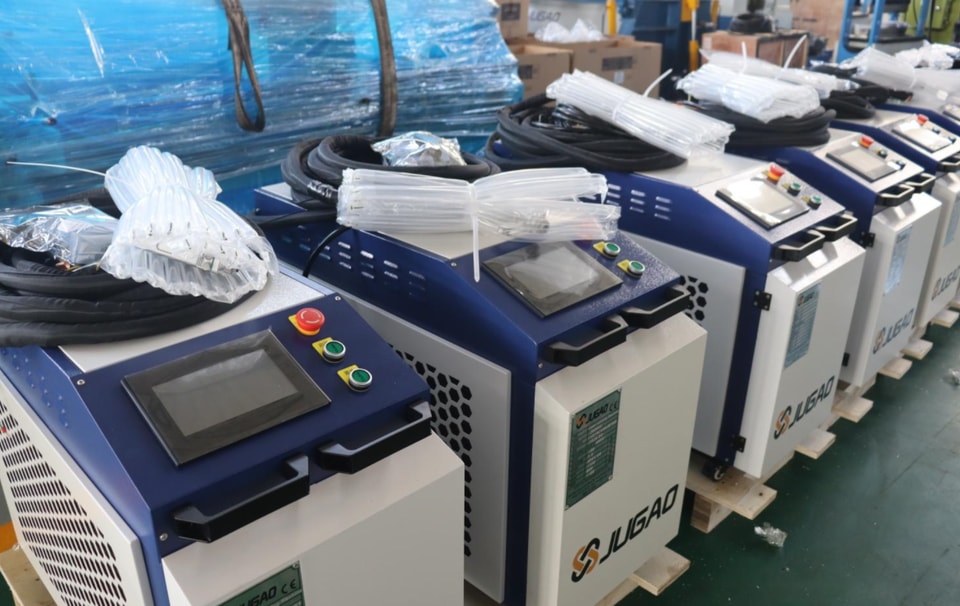 Beyond price, what key parameters should you consider when purchasing welding equipment?
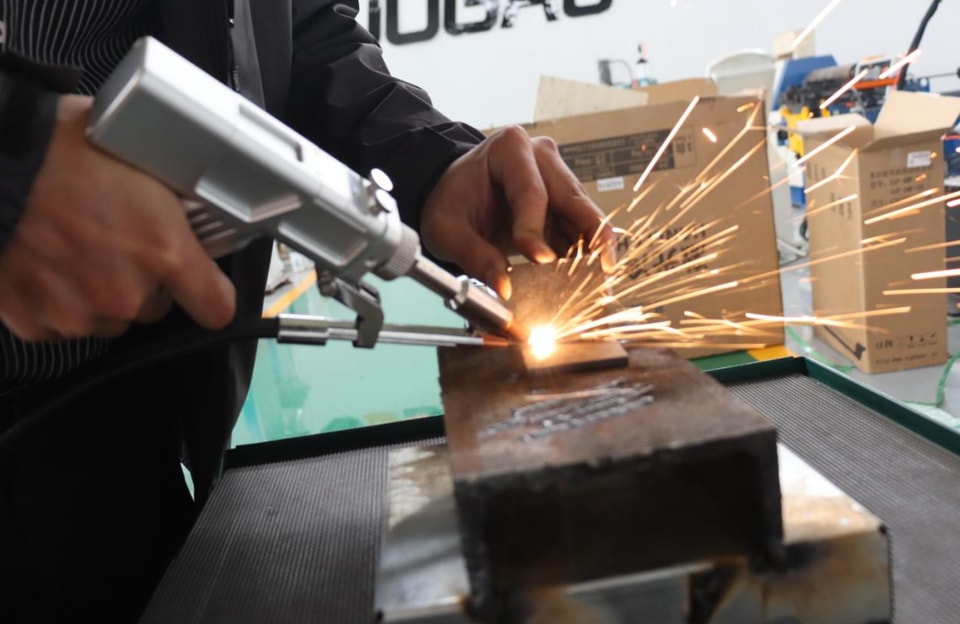 4 Common Methods for Inspecting Weld Quality
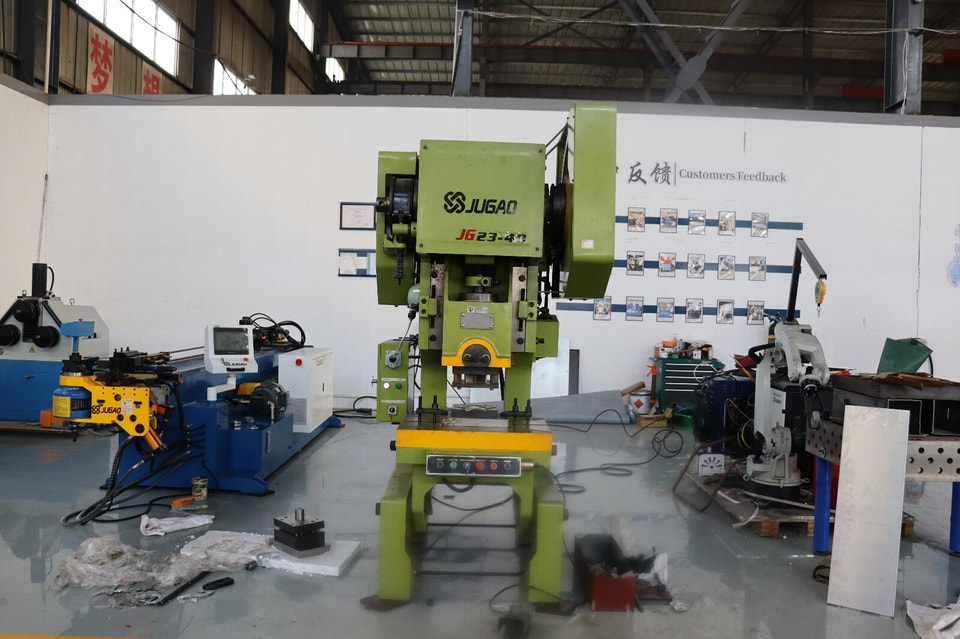 Selecting the Top Punching Machines for Small Workshops & Heavy Industry
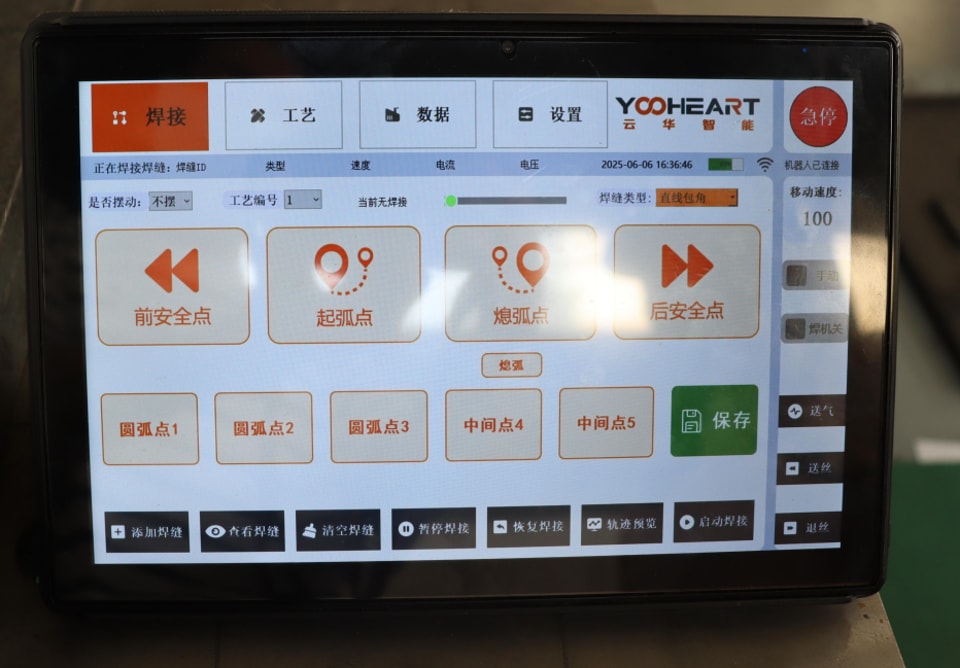 How do you set the welding path for a robotic laser welding machine? Can it perform precise welding on complex workpieces?
Engineering review
Send a drawing.
Get an engineer.
Standard selections answered within 4 hours. Parts outside the rules get a written process review within 24 hours.
- Part drawing: DXF, DWG, STEP or PDF
- Material and thickness
- Longest bend or cut length
- Yearly volume
Write to info@ntjugao.com or message the factory on WhatsApp +86 132 2211 1178.
Drawings (DXF, DWG, STEP, PDF): attach them to an email to info@ntjugao.com, quoting your name.