
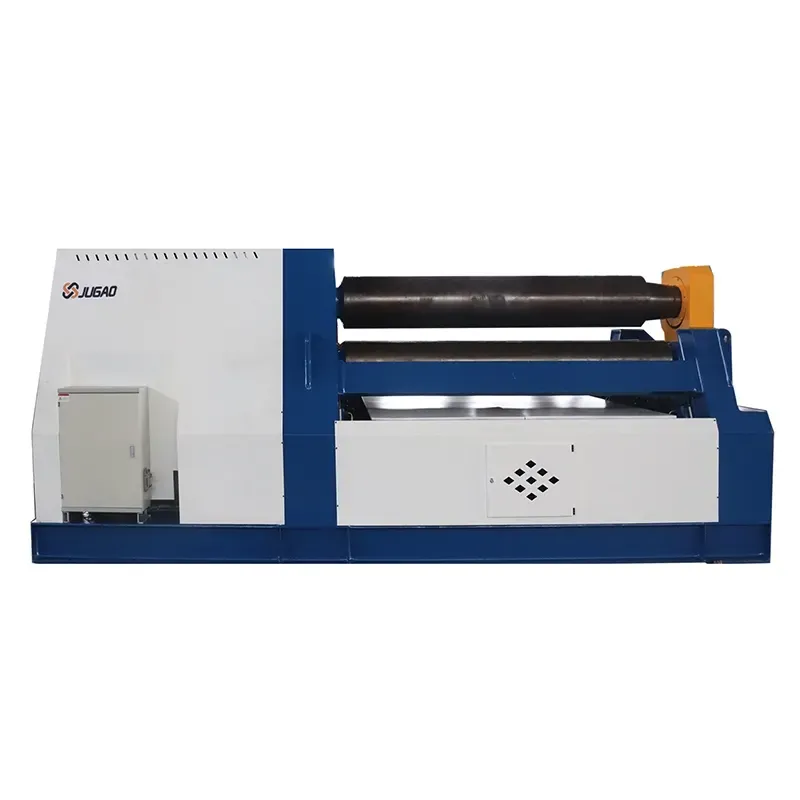
Troubleshooting Methods for Mechanical Symmetrical Plate Rolling Machines
2026-07-02

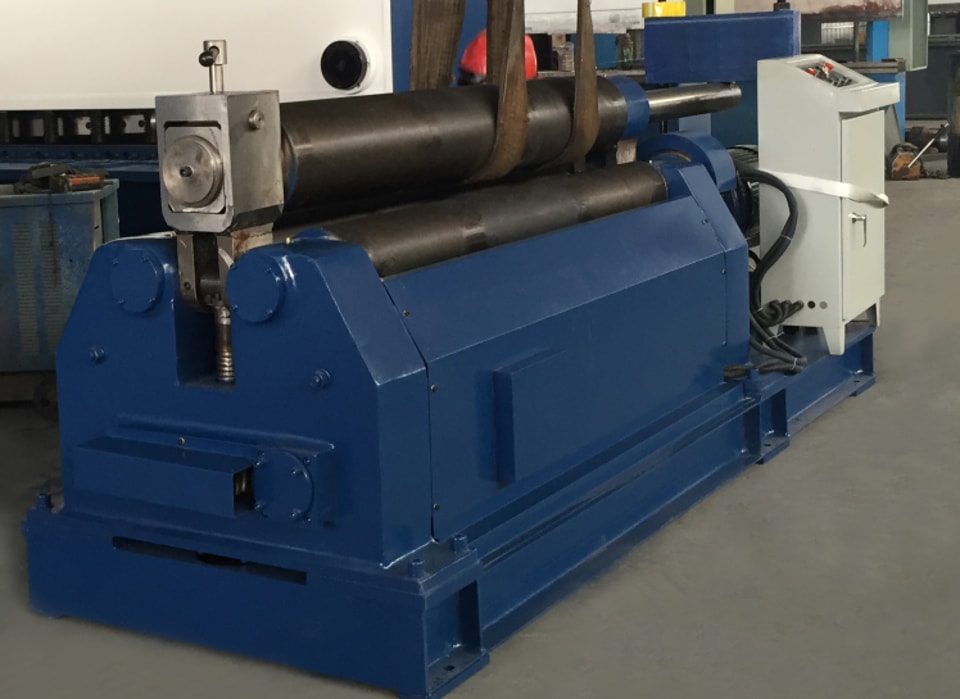
During operation of mechanical symmetrical plate rolling machines, various malfunctions may occur, affecting production efficiency. Mastering effective troubleshooting methods can significantly improve work efficiency and extend the equipment's lifespan. The following are troubleshooting methods for common malfunctions.
I. Equipment Not Starting or Malfunctioning
Check Power Supply: First, check if the power supply is normal, ensuring the power connection is secure and the voltage is within the normal range.
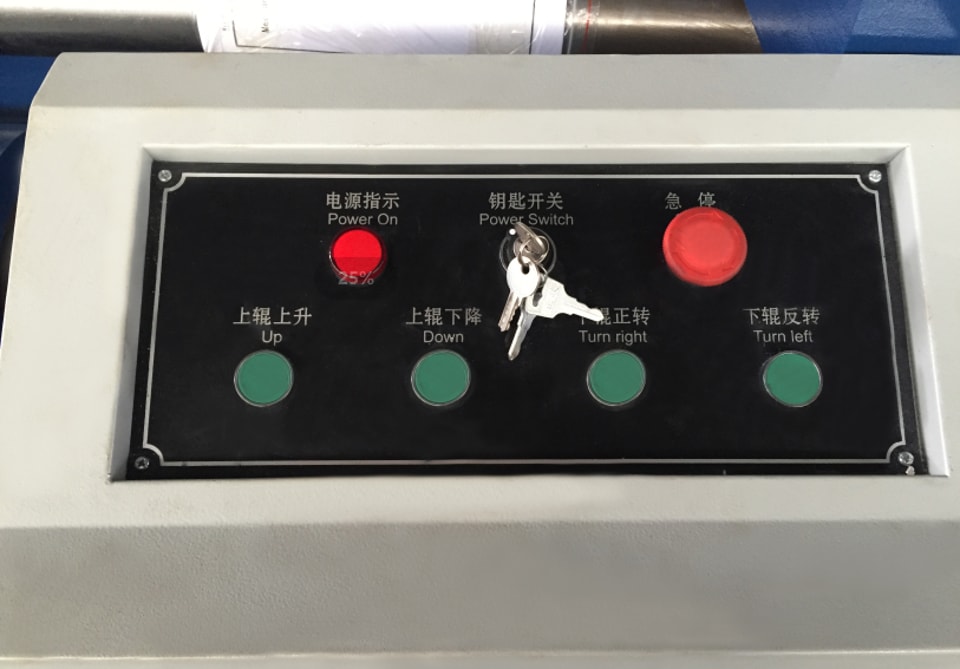
Control Panel Check: Check if the indicator lights on the control panel are normal. Restart the controller if necessary.
Fuse Check: If the equipment does not start at all, check if the fuse is blown. If so, replace it immediately.
II. Finished Product Quality Not Meeting Requirements
Plate Feeding Method Check: Adjust the feeding direction and position to ensure the plate does not shift during rolling.
Equipment Calibration: Use professional tools to calibrate the equipment, adjusting the rolling angle and pressure to ensure processing accuracy.
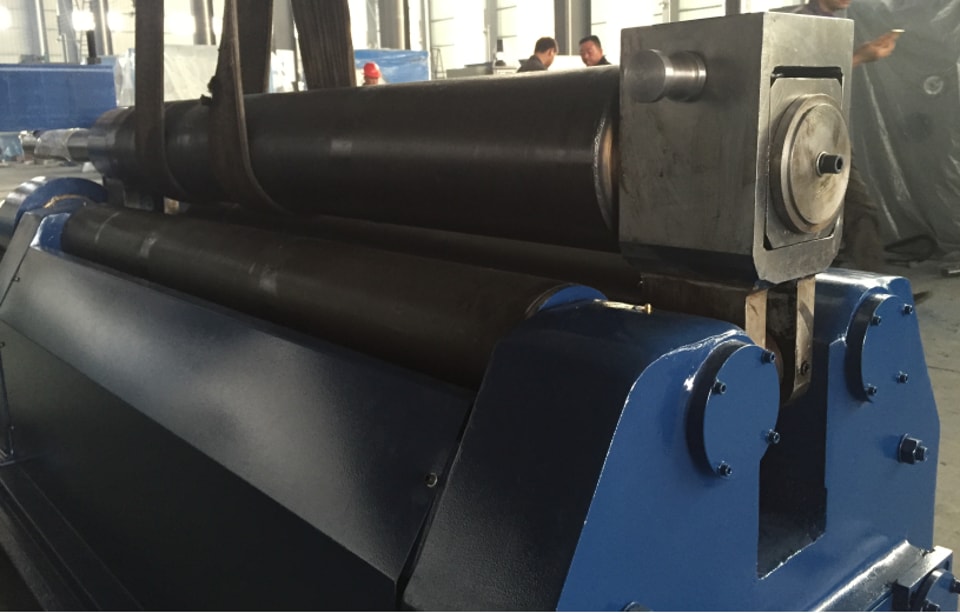
Wear Inspection: Regularly inspect the rollers and other critical components. Replace or repair any worn parts promptly.
III. Abnormal Noise from the Plate Rolling Machine
Lubrication Check: Check if all moving parts have sufficient lubricating oil. Add or replace lubricating oil as needed.
Fastener Check: Check all fasteners for looseness. Tighten all connections if necessary to prevent abnormal noise caused by looseness.
Component Wear Detection: Observe the wear condition of each component, especially chains and gears. Replace or repair any abnormalities found.
IV. Plate Rolling Machine Misalignment or Non-Perpendicularity Issues
Mechanical and Electrical System Debugging: Conduct a comprehensive debugging of the mechanical and electrical system to ensure that the electrical control system works synchronously with the mechanical parts.
Adjust Supports: Adjust the bottom support and side supports to keep the equipment stable and ensure stability during the plate rolling process.
Positioning Device Check: Check the positioning device and indicators to ensure their accuracy and reliability. Repair or replace any problems found.
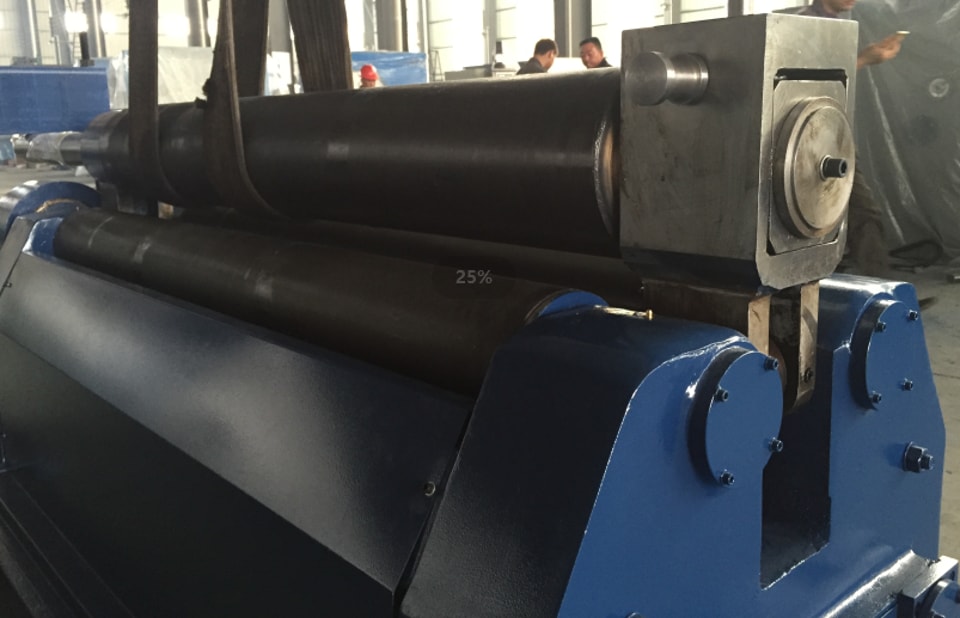
V. Control System Failure
Circuit Check: Inspect the circuit system to ensure there are no short circuits or open circuits. Use a multimeter to measure if necessary.
Software Upgrade: Ensure the control system software is the latest version. Upgrade if defects are found to resolve potential problems. Parameter Reset: If the control system is unresponsive, try resetting the system parameters to see if normal operation can be restored.
VI. Hydraulic System Issues
Energy Level Check: Check the hydraulic oil level and maintain it within the normal range. Add oil promptly if needed.
Oil Pipe Check: Observe the hydraulic oil pipes for leaks. Replace the pipes immediately if leaks are found.
Hydraulic Pump Check: Check the hydraulic pump's operating status. If the pump makes abnormal noise, it may need repair or replacement.

VII. Operator Training
Operating Procedures: Provide systematic training to operators to familiarize them with all equipment operating procedures and reduce malfunctions caused by improper operation.
Regular Assessment: Conduct regular technical assessments of operators to ensure they master the equipment's working principles and troubleshooting skills.
Fault Recording: Encourage employees to record any abnormal situations encountered during daily operation, creating data to provide a basis for subsequent troubleshooting and analysis.
VIII. Regular Maintenance and Upkeep
Maintenance Plan Development: Develop a detailed equipment maintenance plan, including daily inspections, regular maintenance, and replacement of faulty spare parts.
Lifecycle Management: Record equipment usage and maintenance history to facilitate analysis of equipment lifespan and performance.
Checklist: Use a checklist to record each maintenance session, ensuring no critical components are missed.
Through these methods, various problems that may arise during the operation of the mechanical symmetrical plate rolling machine can be effectively eliminated. Proper daily maintenance and troubleshooting not only improve production efficiency but also extend equipment lifespan and reduce overall operating costs.
Contact Us