 Get a quote
Resources
This document describes the main features and applications of a three-roll plate bending machine.
A three-roll plate bending machine is a shaping machine tool used for continuous bending of sheet metal. It can roll sheets of various shapes such as O-shapes, U-shapes, and multi-segment R-shapes.
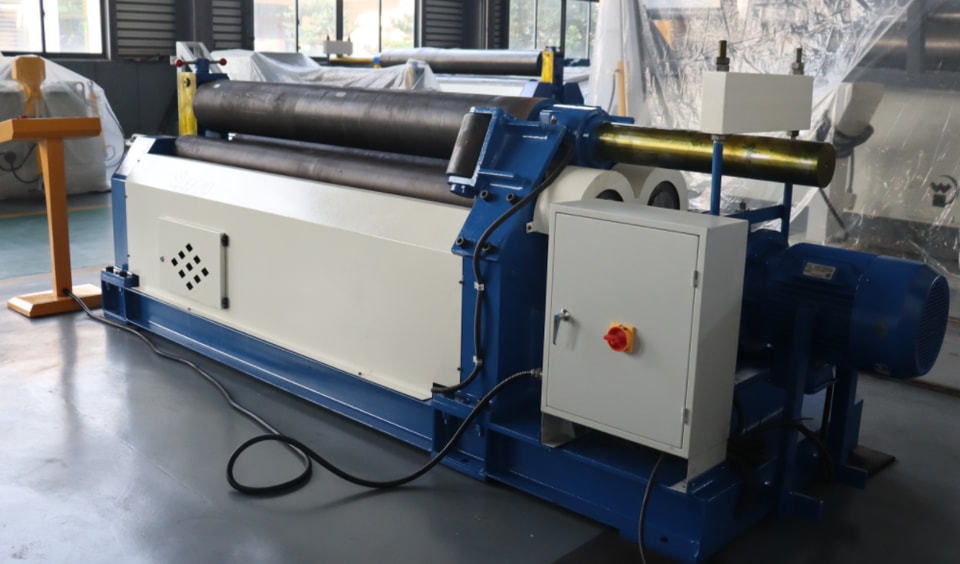
Principle: In a symmetrical plate bending machine, the upper roller moves vertically up and down via hydraulic oil in a hydraulic cylinder acting on a piston at a symmetrical position between the two lower rollers. This vertical movement is driven by the final gear of the main reducer, which in turn drives the two lower rollers to rotate, providing torque for rolling the sheet metal. A flat, plastic sheet of metal passes between the three working rollers (two lower rollers and one upper roller). The downward pressure of the upper roller and the rotation of the lower rollers cause the sheet metal to undergo multiple consecutive bending passes (inner layer compression deformation, middle layer unchanged, outer layer stretch deformation), resulting in permanent plastic deformation and rolling it into the desired cylinder, cone, or part thereof. A drawback of this hydraulic three-roll plate bending machine is that the ends of the sheet metal need to be pre-bent using other equipment. This plate rolling machine is suitable for large-scale plate rolling with a thickness of 50mm or more. A row of fixed support rollers is added to the lower part of the two lower rollers to shorten the span between them, thereby improving the accuracy of the rolled workpiece and the overall performance of the machine.
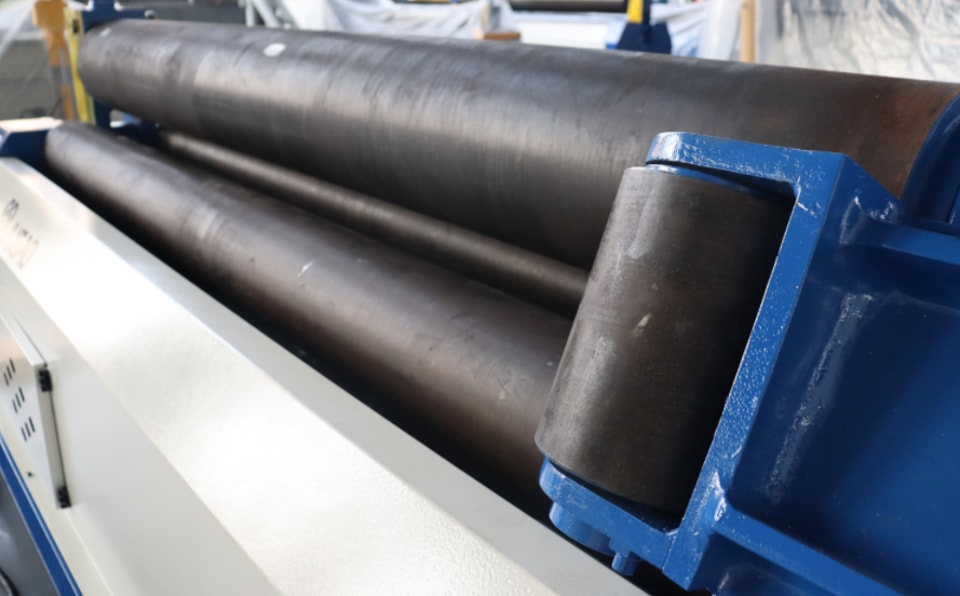
The three-roll plate rolling machine is widely used in power, transportation, petroleum, chemical, boiler, shipbuilding, hydropower, and metal structure industries. It can roll conical, circular, and arc-shaped workpieces.
Main features:
1. The maximum working capacity of the plate rolling machine is determined by four main parameters: maximum plate thickness (pre-bending thickness), maximum plate width, raw material of the plate being rolled, and minimum roll diameter at maximum standard. The conversion between these four parameters during operation is the working capacity conversion relationship of the machine, which is provided to the user in the accompanying instruction manual to facilitate more reasonable use of the equipment.
2. This machine can roll conical workpieces. When rolling conical workpieces, because the force at one end is relatively large, the rolling capacity for conical workpieces should be 60% of the machine's capacity, and the rolling taper should generally not exceed 30°. However, as the plate thickness and width decrease, the equipment load is reduced, and the taper can be increased accordingly.
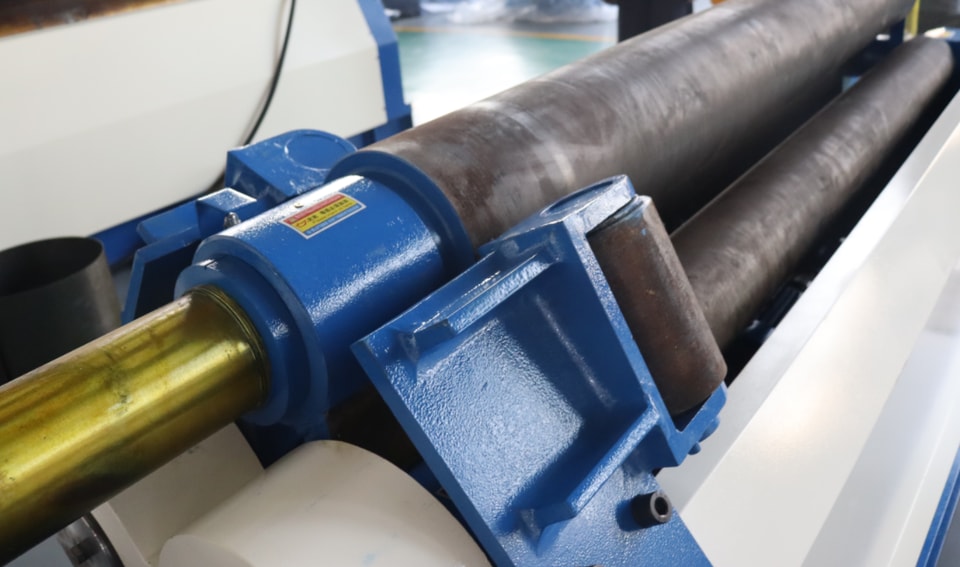
3. The two lower rollers have large diameters and sufficient strength, therefore the equipment does not require additional support rollers, which effectively reduces the equipment failure rate.
Related
Keep
reading.
 Comparison of Laser Welding Results and Application Scenarios Across Different Materials
 How to Choose Between Air-Cooled and Water-Cooled Laser Welding Systems
 Understanding Punching Machines: Principles, Types, and Selection
 How can one effectively follow the installation guidelines for a pipe-bending machine?
 For which types of products is an automatic wire-feeding laser welding machine suitable?
 What Are the Latest Punching Machine Trends and Technological Breakthroughs?
 What Triggers Punching Machine Noise and How Can You Quieten It?
 What factors influence the replacement cycle of wear parts in a pipe-bending machine?
 Beyond price, what key parameters should you consider when purchasing welding equipment?
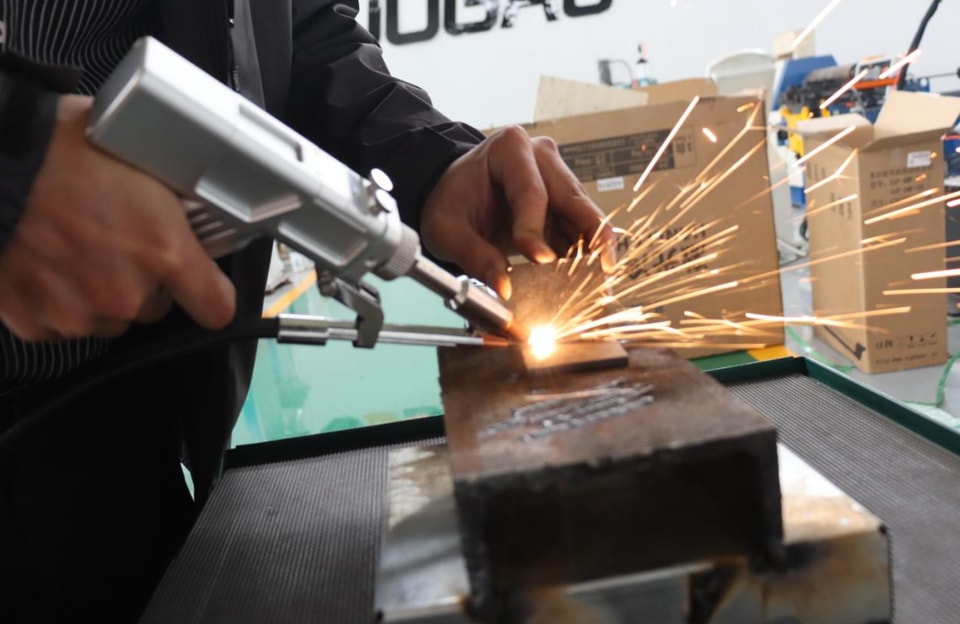 4 Common Methods for Inspecting Weld Quality
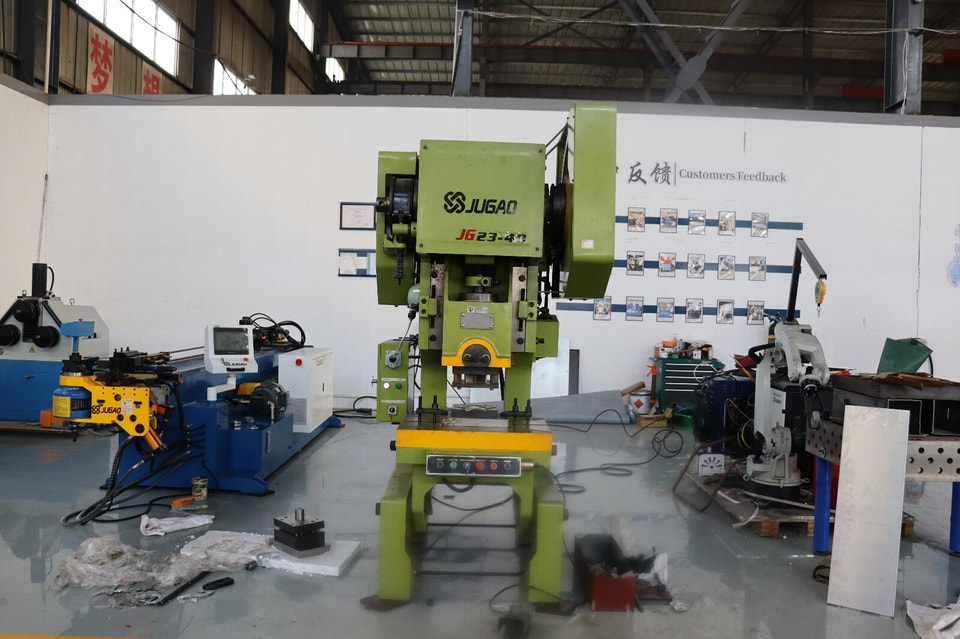 Selecting the Top Punching Machines for Small Workshops & Heavy Industry
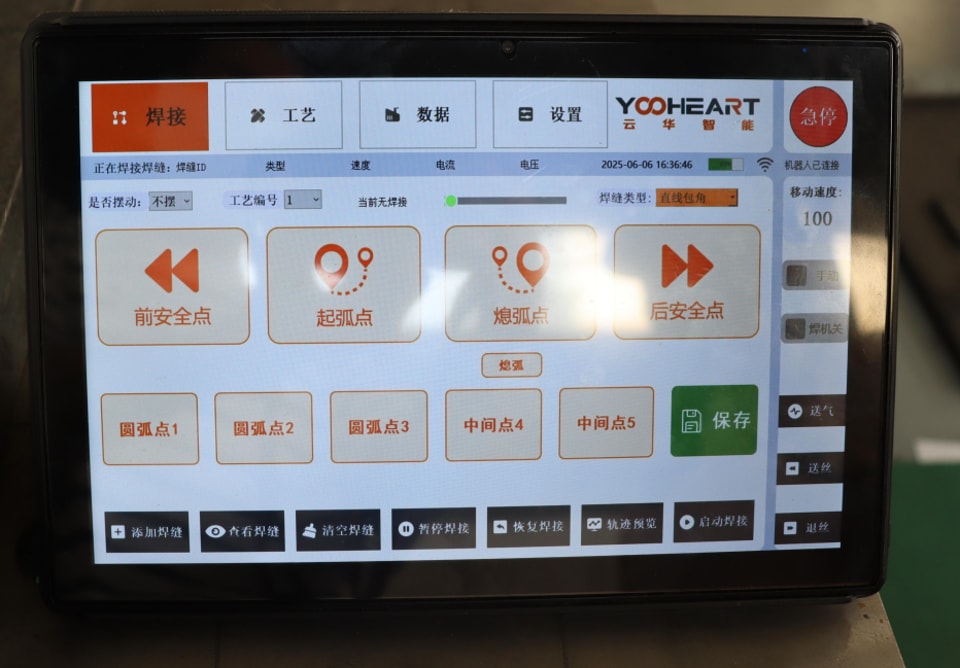 How do you set the welding path for a robotic laser welding machine? Can it perform precise welding on complex workpieces?
Engineering review
Send a drawing.
Get an engineer.
Standard selections answered within 4 hours. Parts outside the rules get a written process review within 24 hours.
- Part drawing: DXF, DWG, STEP or PDF
- Material and thickness
- Longest bend or cut length
- Yearly volume
Write to info@ntjugao.com or message the factory on WhatsApp +86 132 2211 1178.
Drawings (DXF, DWG, STEP, PDF): attach them to an email to info@ntjugao.com, quoting your name.