
The Efficiency Boost Brought by Combining Laser Cutters and Robotic Arms
2026-06-12

Table of Contents
• Reasons for Combining Laser Cutters and Robotic Arms
• Optimized Automated Workflow & Higher Operational Efficiency
• Better Cutting Accuracy and Uniform Product Quality
• Cut Labor Expenses and Ease Operators’ Burden
• Practical Steps to Integrate Laser Cutters with Robotic Arms
○ Step 1: Analyze Actual Production Demands
○ Step 2: Select a Suitable Robotic Arm
○ Step 3: Complete Software Connection with Laser Cutters
• Frequently Asked Questions
○ Is any robotic arm compatible with existing laser cutting equipment?
○ Does robotic automation integration require huge investment?
○ Which materials are most suitable for this combined solution?
○ In what ways does this combination upgrade laser cutting quality?
• Summary
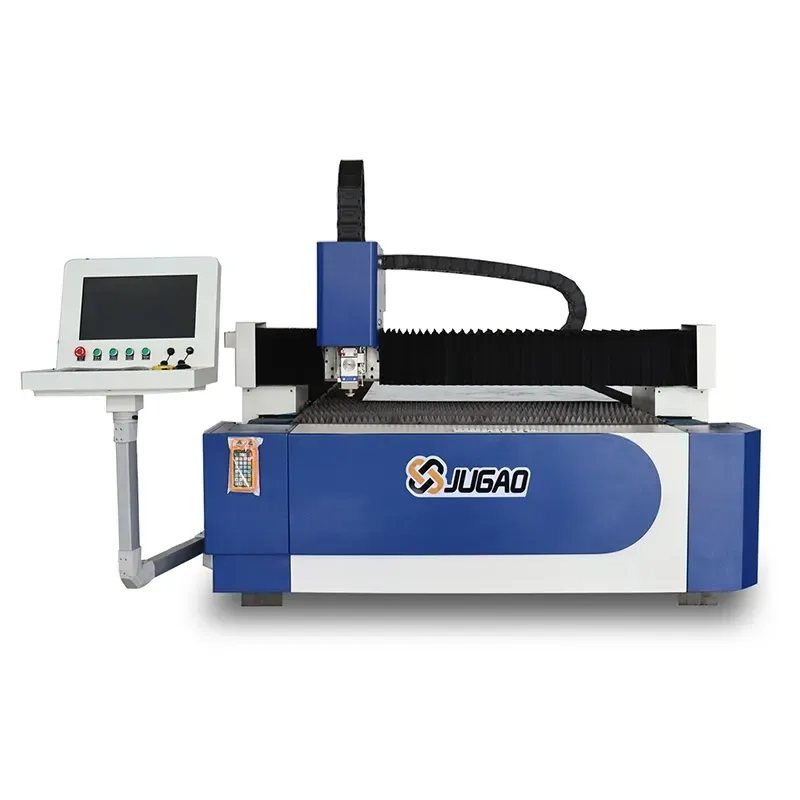
Combining laser cutting equipment with robotic manipulators has become a core approach to elevate automation levels and overall output in today’s metal processing industry. This matched set optimizes operational procedures, curbs labor spending, and delivers ultra-precise cutting results. This article elaborates on the working logic, practical strengths of this integrated system, as well as its growing popularity in smart manufacturing. Whether you currently run a full-capacity production line or plan to expand business in the future, this guide will show you how automated upgrades can strengthen your market competitiveness.
Reasons for Combining Laser Cutters and Robotic Arms
Optimized Automated Workflow & Higher Operational Efficiency
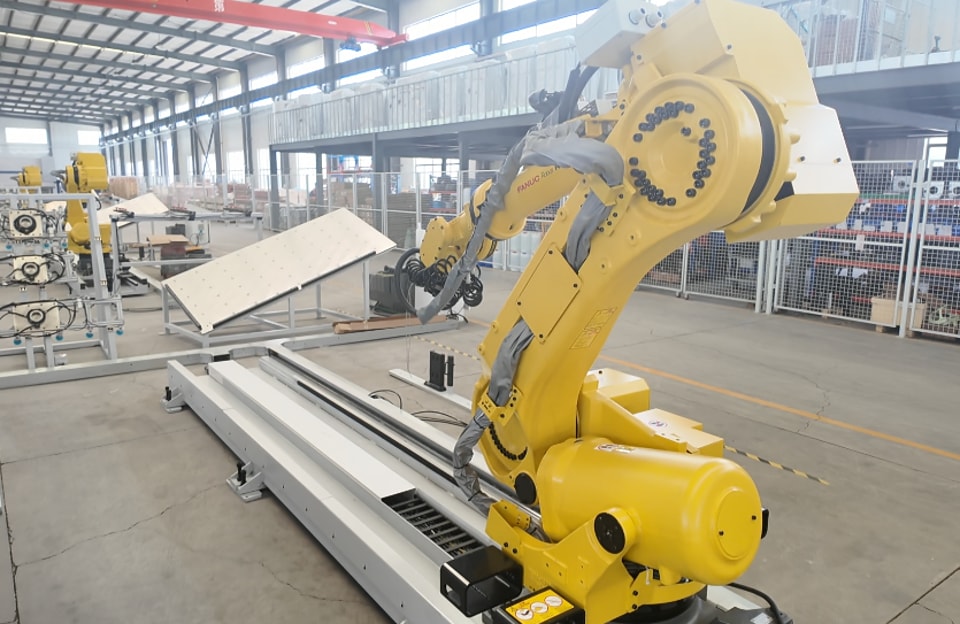
The most prominent advantage of pairing robotic arms with laser cutters lies in fully streamlined automation. Robotic manipulators can take charge of material feeding, component positioning and finished product collection, eliminating manual operations between separate cutting processes.
• Uninterrupted production: Robots continuously deliver raw materials to laser cutters, supporting round-the-clock manufacturing.
• Time conservation: There is no idle time between individual cutting tasks, and product switching becomes faster and more accurate.
• Fewer production halts: Since repetitive work is undertaken by robots, human mistakes and process delays are largely avoided.
This automated mode creates outstanding value especially for mass production. Even a small time saving on each workpiece will translate into a substantial rise in overall productivity.
Better Cutting Accuracy and Uniform Product Quality
Robotic arms can position and move workpieces in an extremely accurate manner, enabling laser cutters to deliver highly consistent processing results.
• Precise material placement: Robotic devices ensure every raw material is fixed in the correct position before cutting.
• Stable processing effects: Products maintain unified quality standards even during long-duration continuous production.
• Strict dimensional control: The integrated system realizes stricter quality management and lowers the rate of defective products.
For workpieces with complex outlines or tiny parts that demand high machining accuracy, this high-precision combination can greatly improve production performance.
Cut Labor Expenses and Ease Operators’ Burden
Manual material handling not only relies on experienced workers, but also raises the risks of staff fatigue and on-site accidents. The adoption of robotic arms effectively solves these problems.
• Reduced reliance on manual labor: Fewer on-site workers are needed for loading and unloading, allowing employees to engage in more technical work.
• Enhanced workplace safety: Robots keep workers away from laser radiation risks and heavy physical labor.
• Higher production capacity: Operating at a steady speed without rest, robots shorten the overall production cycle.
From the perspective of safety management and long-term operational costs, this automated transformation is a worthwhile investment.
Practical Steps to Integrate Laser Cutters with Robotic Arms
Step 1: Analyze Actual Production Demands
Before carrying out equipment integration, conduct a full inspection of your current production flow. Figure out whether your workshop mainly processes large-batch workpieces, or whether loading and unloading procedures have become production bottlenecks. A comprehensive assessment helps you determine the most appropriate automation scheme.
Step 2: Select a Suitable Robotic Arm
Robotic arms come with different specifications and performance parameters. You need to pick a model whose load capacity, running speed and multi-axis flexibility can match your laser cutter’s operating requirements.
• Load-bearing capacity: Confirm the robot is capable of lifting and moving your heaviest workpieces.
• Working range and axis movement: Take into account the moving distance required to send materials into and out of the laser cutter.
• System compatibility: Ensure the robot’s control system can communicate normally with CNC laser cutting machines.
Step 3: Complete Software Connection with Laser Cutters
Equipment integration covers not only mechanical assembly, but also synchronous debugging of supporting software. The robotic system needs to be programmed to coordinate with the laser cutter in terms of working rhythm, cutting routes and safety rules.
• Offline programming function: Supports quick task switching without suspending ongoing production.
• Real-time status monitoring: Timely detects operational faults and sends maintenance reminders.
• Intuitive operation interface: Lowers the learning threshold, so operators can master the system with simple training.
Frequently Asked Questions
Is any robotic arm compatible with existing laser cutting equipment?
Not all robotic arms can be matched freely. The selected manipulator must be compatible with the original equipment’s control system, and meet the standards of load capacity, machining precision and safety regulations. It is recommended to consult the equipment manufacturer before purchasing new robotic devices.
Does robotic automation integration require huge investment?
Although the upfront procurement and installation cost is relatively high, the long-term benefits including reduced labor costs, improved production efficiency and better product quality can bring a quick return on investment.
Which materials are most suitable for this combined solution?
This integrated system applies to a wide range of materials such as stainless steel, aluminum alloy and carbon steel. It works exceptionally well for heavy workpieces or products that need repeated handling and precise positioning.
In what ways does this combination upgrade laser cutting quality?
Robotic arms ensure workpieces are placed in the same position every time, so laser cutting traces stay uniform and product defects are reduced. Eventually, manufacturers can produce higher-quality finished products and cut material waste.
Summary
The integration of laser cutters and robotic arms provides a practical and efficient solution for modern manufacturing industries. By realizing automatic material handling, boosting machining precision and cutting labor costs, this combination brings visible benefits to all types of production lines. Whether you aim to expand production scale or simply upgrade daily operational efficiency, introducing robotic matching systems is a reliable choice.
If you need professional advice on optimizing existing production setups or selecting suitable automation solutions, our team is always ready to offer support and help you maximize the performance of your laser cutting equipment.
Contact Us