 Get a quote
Resources
Safety Operation and Maintenance Procedures for Plate Rolling Machines
Safe Operation
The operating efficiency and failure rate of mechanical equipment are closely related to the operator. As operators of hazardous equipment, it is essential to understand relevant knowledge to effectively prevent accidents caused by operator error. Below are the detailed safety requirements for operating a plate rolling machine.
First, before operation, the operator must tidy up the surrounding environment to maintain a good working condition. The operator's clothing must be neat to avoid clothing corners getting caught in the rollers during operation. During operation, the operator should only stand on either side of the workpiece. If adjustments or measurements of roundness are needed during operation, the machine must be stopped; operation during operation is prohibited. A certain allowance should be left when processing the workpiece.
When measuring roundness, the operator must not stand on the rolled cylinder, and it is also prohibited to stand on the workpiece to be processed. For workpieces that are difficult to process, such as those that are thick, have a large diameter, or use raw materials with high hardness or strength, multiple passes in small batches are necessary to achieve the desired effect. For workpieces with smaller diameters, they should be rolled between the rollers.

Maintenance Procedures
1. Lubricate all oil cups and manual lubrication points as required by the machine lubrication diagram.
2. Roll the plate according to the parameters specified by the plate rolling machine: thickness 20mm, length 2500mm, and yield strength of the plate material less than 250MPa.
3. After connecting the power supply, perform forward and reverse movements of the lower roller and lifting/lowering of the upper roller to check for any abnormal jamming.

4. Strictly follow the plate rolling processing procedure and operating methods. Pay close attention to the safe operation of the equipment when the upper roller is raised or lowered to its limit position.
5. Only after the main drive has stopped can the upper roller be raised or lowered, the tilting bearing reset, and the upper roller tilted.
6. If irregular noise, impacts, or other abnormal phenomena are observed during operation, the machine should be stopped immediately for inspection.
7. All personnel must coordinate with each other during operation and follow the instructions of the person in charge of plate rolling. The machine must not be started without a verbal command.

8. When rolling plates, extreme caution must be taken to avoid your hands being trapped under the steel plate or being rolled in with it.
9. When using an overhead crane to lift steel plates or rolls, care must be taken to avoid collisions with the machine. After plate rolling is completed, ensure all materials are used up and the site is cleaned, perform equipment maintenance, and promptly shut off the power.
Related
Keep
reading.
 Comparison of Laser Welding Results and Application Scenarios Across Different Materials
 How to Choose Between Air-Cooled and Water-Cooled Laser Welding Systems
 Understanding Punching Machines: Principles, Types, and Selection
 How can one effectively follow the installation guidelines for a pipe-bending machine?
 For which types of products is an automatic wire-feeding laser welding machine suitable?
 What Are the Latest Punching Machine Trends and Technological Breakthroughs?
 What Triggers Punching Machine Noise and How Can You Quieten It?
 What factors influence the replacement cycle of wear parts in a pipe-bending machine?
 Beyond price, what key parameters should you consider when purchasing welding equipment?
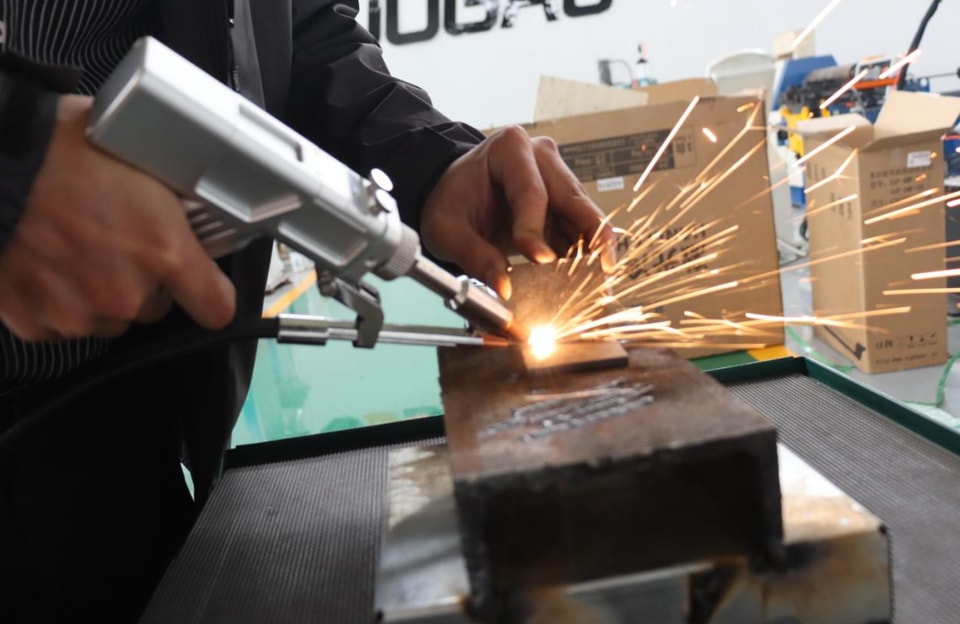 4 Common Methods for Inspecting Weld Quality
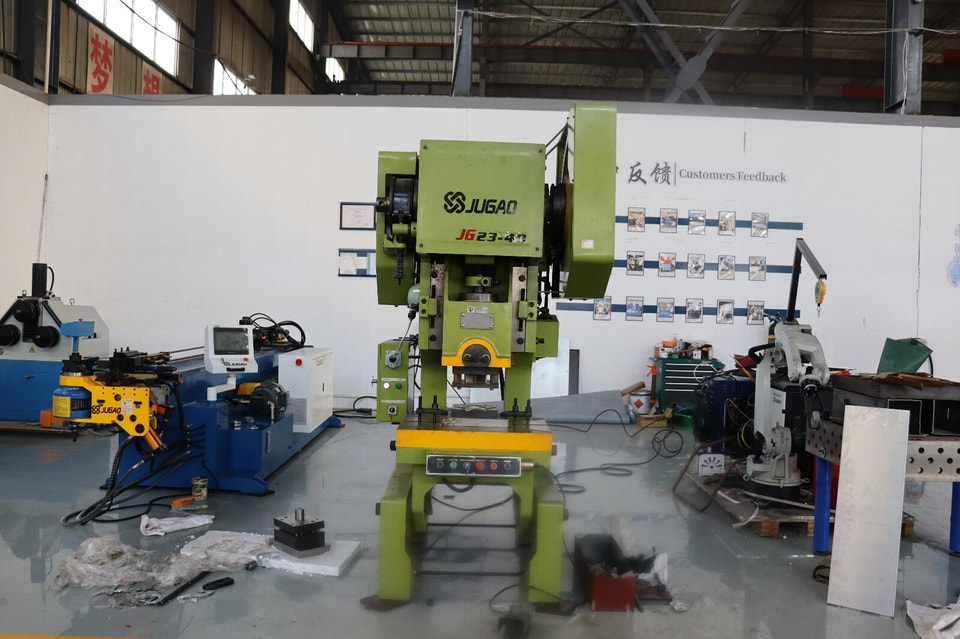 Selecting the Top Punching Machines for Small Workshops & Heavy Industry
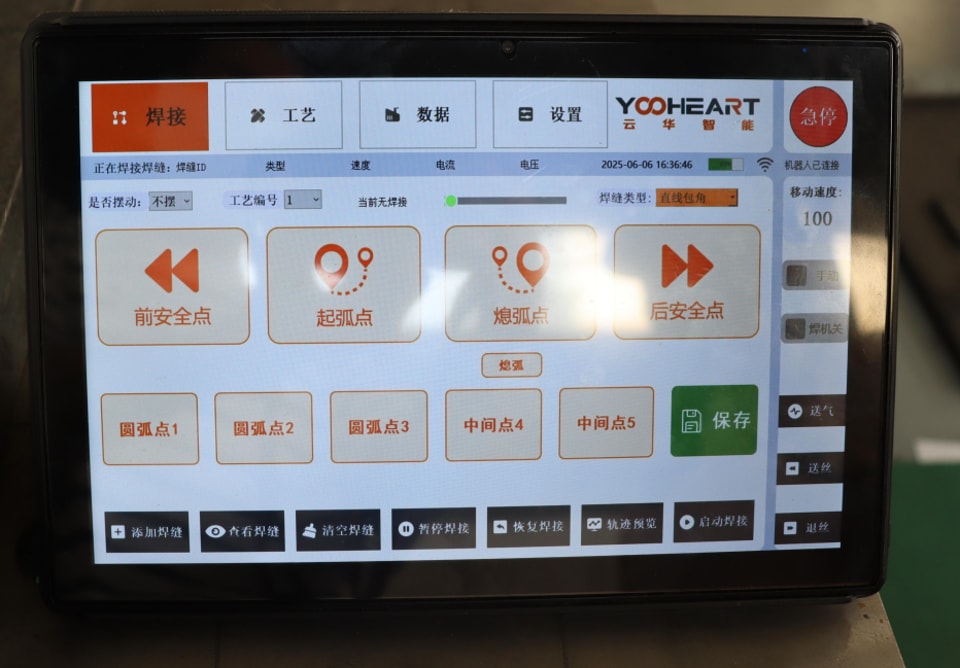 How do you set the welding path for a robotic laser welding machine? Can it perform precise welding on complex workpieces?
Engineering review
Send a drawing.
Get an engineer.
Standard selections answered within 4 hours. Parts outside the rules get a written process review within 24 hours.
- Part drawing: DXF, DWG, STEP or PDF
- Material and thickness
- Longest bend or cut length
- Yearly volume
Write to info@ntjugao.com or message the factory on WhatsApp +86 132 2211 1178.
Drawings (DXF, DWG, STEP, PDF): attach them to an email to info@ntjugao.com, quoting your name.