 Get a quote
Resources
Points to Note When Operating a Profile Bending Machine
Since the introduction of profile bending machines into the domestic market, their development in China can be divided into two stages: the simple profile bending machine stage and the high-precision profile bending machine stage. With the rapid development of profile bending machines, the development direction has gradually shifted towards CNC and high-end products, which, in the long run, has promoted market demand.
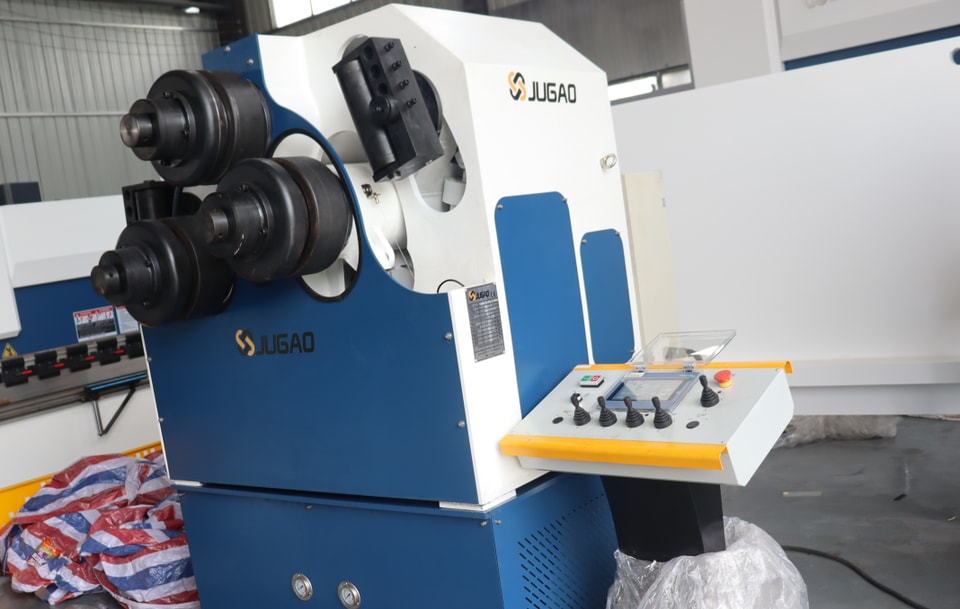
The characteristics of profile bending machines are convenient plate alignment, wide process versatility, the ability to correct skewing and misalignment defects, and the ability to perform spot welding. Profile bending machines are widely used in the inspection of industrial products, and with the development of domestic industry, the market demand for profile bending machines continues to increase. Profile bending machines have now become an indispensable industry in industrial development and a rapidly growing sector within emerging industries.
Today, we will explain the key points to note when operating a profile bending machine:
1. First, fix the upper die, ensuring that the center of gravity of the die and the center of the pressure head are on a straight line; the upper and lower die planes must fit tightly together with uniform gaps, and check that the upper die has sufficient stroke.
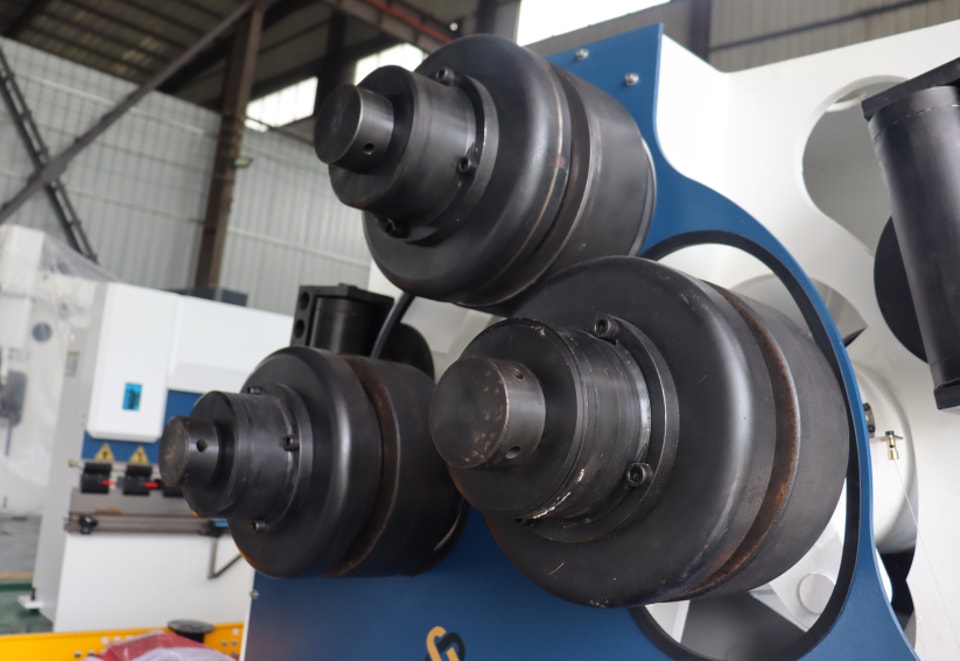
2. Start the profile bending machine, perform a test press, and check for any abnormalities and proper lubrication. For workpieces that are difficult to remove from the die, add appropriate amounts of lubricant or lubricating oil to reduce friction and facilitate demolding.
3. Before formal bending, it is essential to recheck that the workpiece number and dimensions match the drawings, and that the blank has no burrs that could affect the pressing quality. For large batches of workpieces, adjustable positioning blocks must be installed; any deviations should be adjusted promptly.
4. Do not use your hands to directly handle workpieces on the profile bending machine's die. For larger workpieces, they can be handled from outside the die. For workpieces smaller than the die, other tools should be used for handling.
Related
Keep
reading.
 Comparison of Laser Welding Results and Application Scenarios Across Different Materials
 How to Choose Between Air-Cooled and Water-Cooled Laser Welding Systems
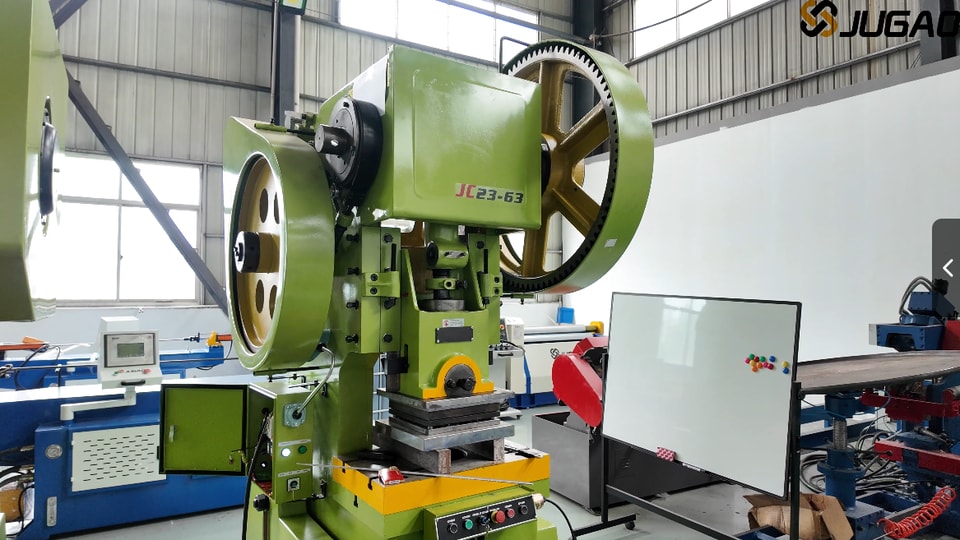 Understanding Punching Machines: Principles, Types, and Selection
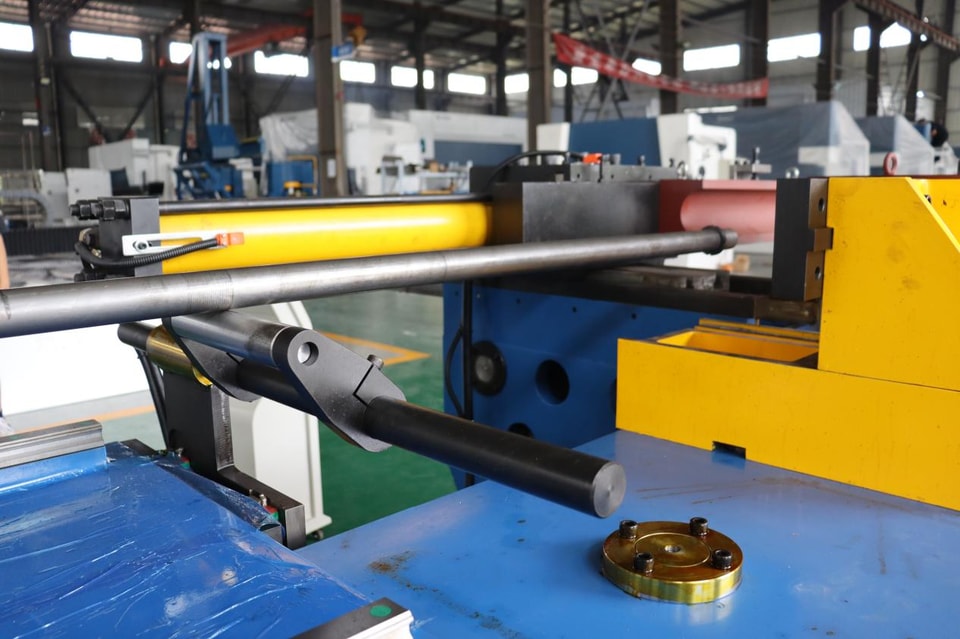 How can one effectively follow the installation guidelines for a pipe-bending machine?
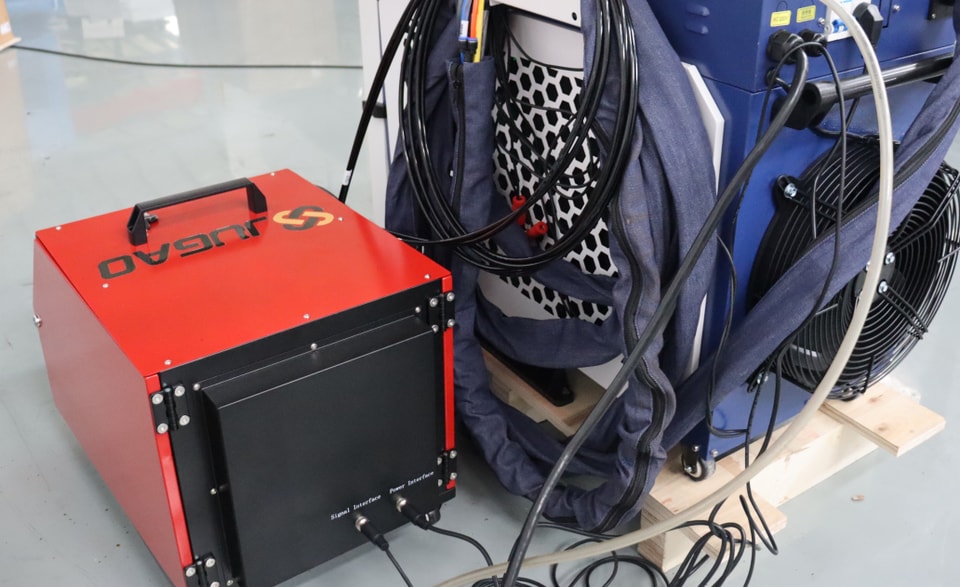 For which types of products is an automatic wire-feeding laser welding machine suitable?
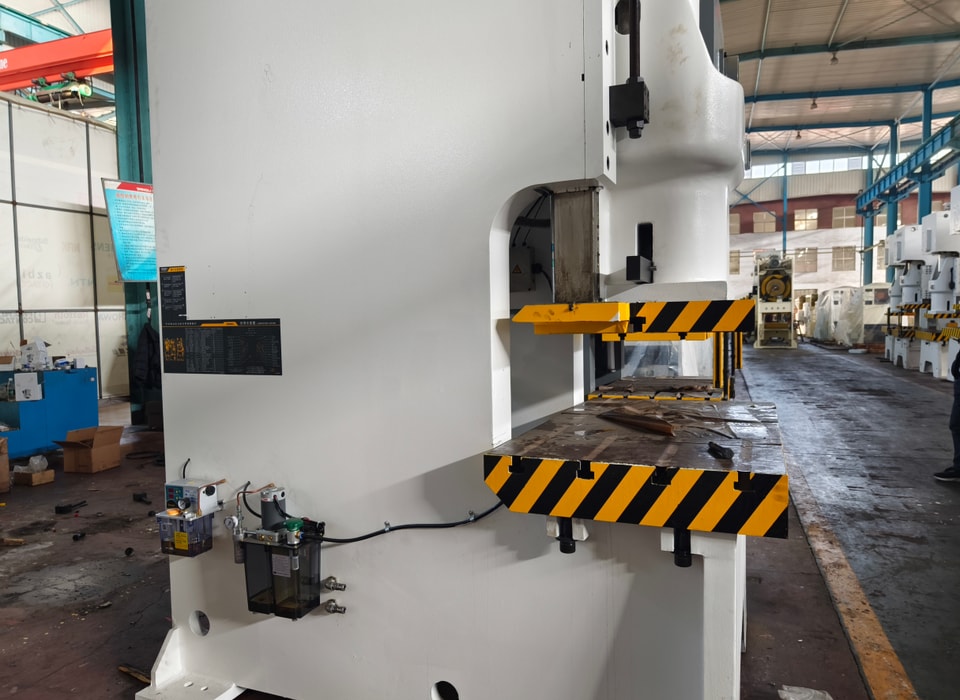 What Are the Latest Punching Machine Trends and Technological Breakthroughs?
 What Triggers Punching Machine Noise and How Can You Quieten It?
 What factors influence the replacement cycle of wear parts in a pipe-bending machine?
 Beyond price, what key parameters should you consider when purchasing welding equipment?
 4 Common Methods for Inspecting Weld Quality
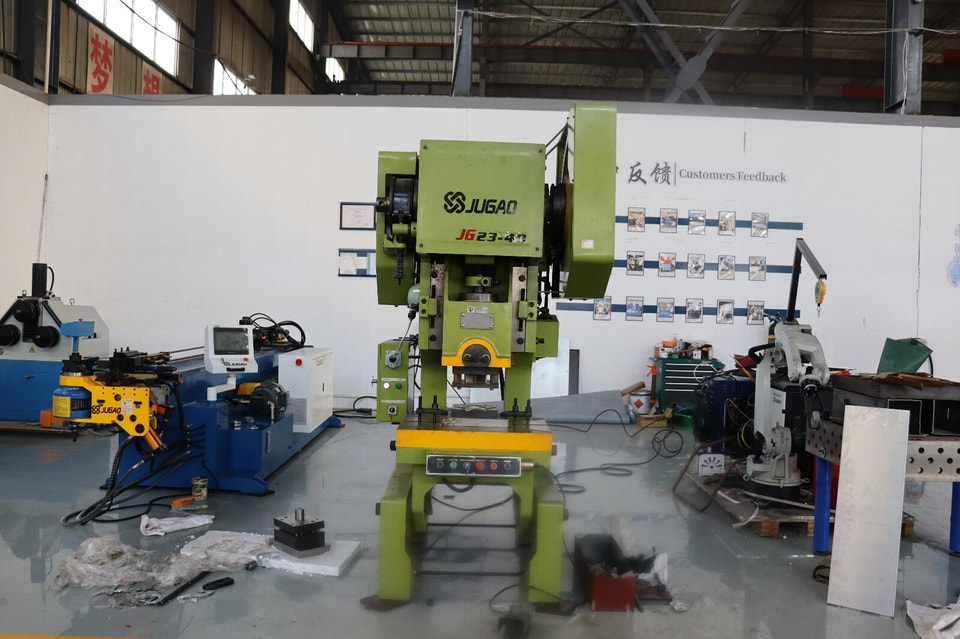 Selecting the Top Punching Machines for Small Workshops & Heavy Industry
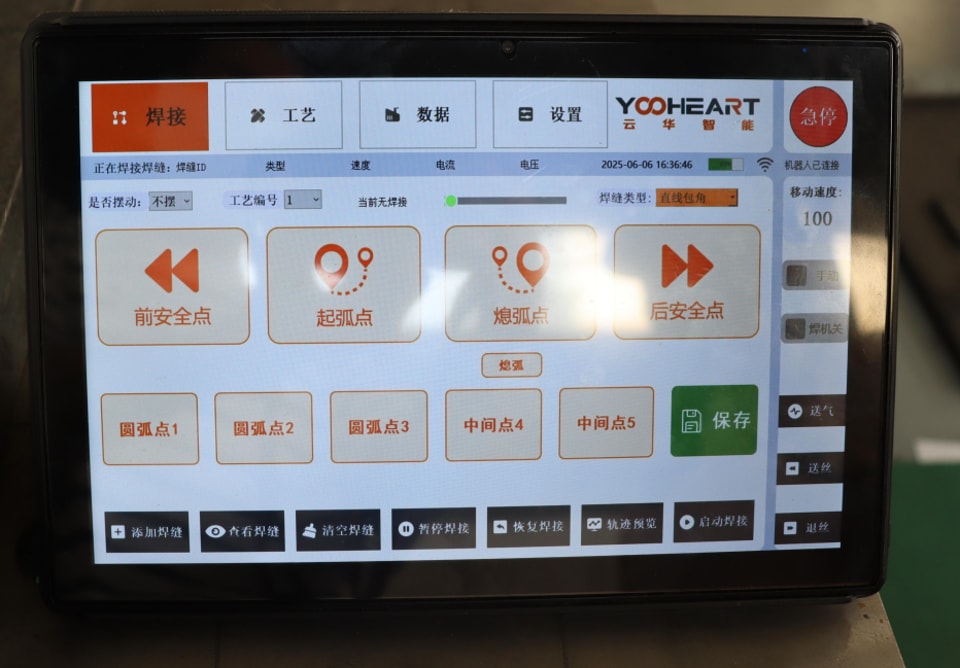 How do you set the welding path for a robotic laser welding machine? Can it perform precise welding on complex workpieces?
Engineering review
Send a drawing.
Get an engineer.
Standard selections answered within 4 hours. Parts outside the rules get a written process review within 24 hours.
- Part drawing: DXF, DWG, STEP or PDF
- Material and thickness
- Longest bend or cut length
- Yearly volume
Write to info@ntjugao.com or message the factory on WhatsApp +86 132 2211 1178.
Drawings (DXF, DWG, STEP, PDF): attach them to an email to info@ntjugao.com, quoting your name.