
Operating Knowledge of Plate Rolling Machines
2026-08-20

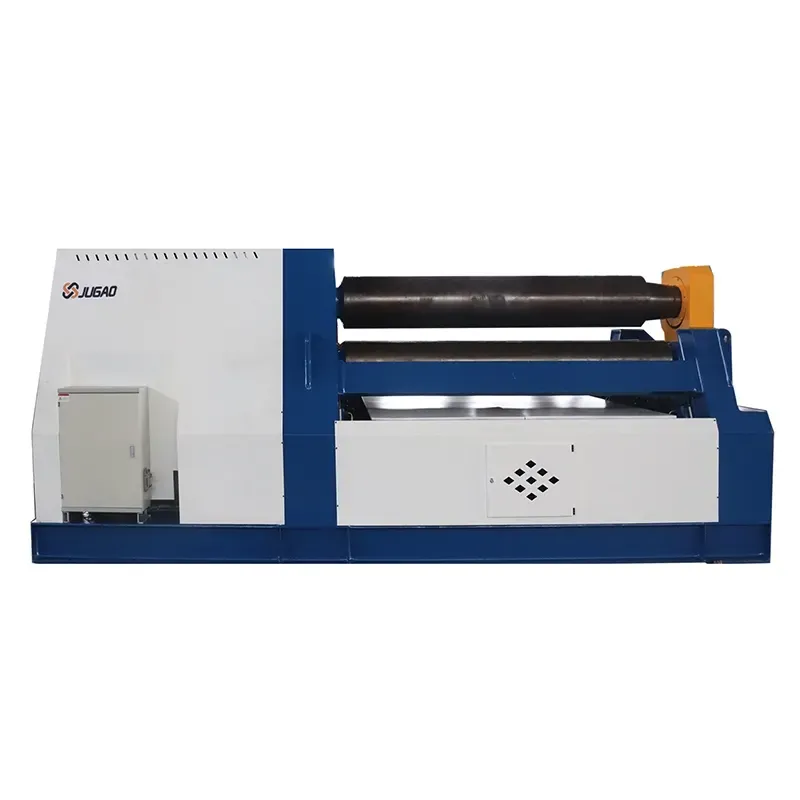
Ignorance of operating knowledge of plate rolling machines is absolutely essential. The efficiency and failure rate of mechanical equipment are closely related to the operator. As operators of hazardous equipment, it is crucial to understand relevant knowledge to effectively prevent accidents caused by operator error. Let's learn about the detailed operating requirements of plate rolling machines.
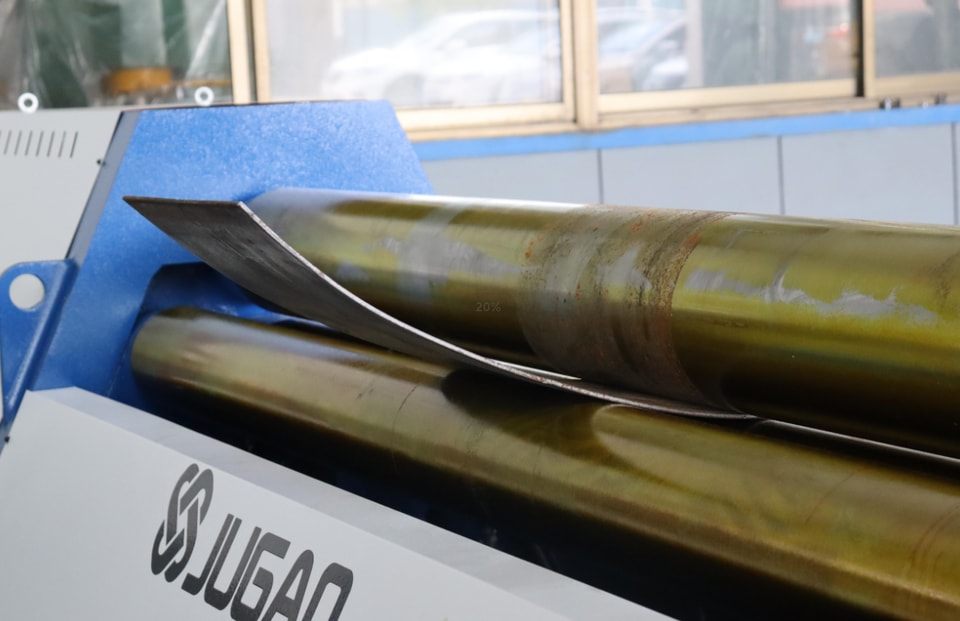
First, before operation, the operator must tidy up the surrounding environment to maintain a good working condition. The operator's clothing should be neat to avoid clothing corners getting caught in the rollers during operation. During operation, the operator should only stand on either side of the workpiece. If adjustments or measurements of roundness are needed during operation, the machine must be stopped; operation during operation is prohibited. Allowance should be left when processing the workpiece.
When measuring roundness, the operator must not stand on the rolled cylinder, and it is also prohibited to stand on the workpiece to be processed. For workpieces that are difficult to process, such as those that are thick, have a large diameter, or use raw materials with high hardness or strength, multiple passes in small batches are necessary to achieve the desired effect. For workpieces with smaller diameters, they should be rolled between the rollers.
Maintenance Procedures
1. Lubricate all oil cups and manual lubrication points as required by the machine lubrication diagram.
2. Roll the plate according to the parameters specified by the plate rolling machine: plate thickness 20mm, maximum length 2500mm, and yield strength of the plate material less than 250MPa.
3. After connecting the power supply, perform forward and reverse movements of the lower roller and lifting/lowering of the upper roller to check for any abnormal jamming.
4. Strictly follow the plate rolling processing procedure and operating methods. Pay close attention to the operation of the equipment when the upper roller is raised or lowered to its limit position.
5. Only after the main drive has stopped can the upper roller be raised or lowered, the tilting bearing reset, and the upper roller tilted.
6. During operation, if irregular noise, impacts, or other abnormal phenomena are observed, the machine should be stopped immediately for inspection.
7. During operation, all personnel must coordinate with each other and obey the instructions of the person in charge of plate rolling. The machine must not be started without a verbal command.
8. When rolling plates, extreme caution should be taken to avoid hands being trapped under the steel plate and rolled up with it.
9. When using an overhead crane to lift steel plates or rolls, care should be taken to avoid collisions with the machine. After plate rolling is completed, ensure all materials are used up and the site is cleaned. Perform maintenance on the equipment and promptly shut off the power.
Precautions
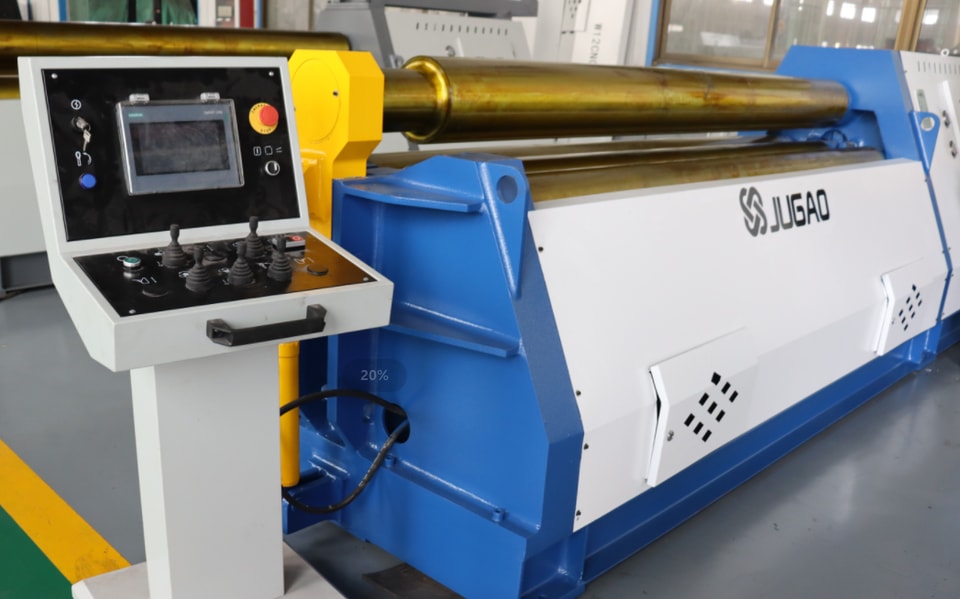
1. Clean the components of the plate rolling machine, especially the connecting areas;
2. When assembling the plate rolling machine, follow the principle of inside to outside and bottom to top;
3. Prioritize assembling work using the same tooling or in the same orientation;
4. During assembly, strictly adhere to the design drawings, and strictly control dimensions and specifications.
5. The plate rolling machine must be managed by a designated person.
6. Operators must be familiar with the structure, performance, and operating methods of the plate rolling machine, and may only operate it after obtaining approval from the responsible manager.
7. Before starting the machine, carefully check that the equipment is in good working order.
8. During operation, it is strictly forbidden to place hands or feet on the rollers, transmission components, or workpieces.
9. After work is interrupted, the clutch should be shifted to neutral.
10. When multiple people are working together, a designated person must be in charge of directing the operation.
11. Overloading is strictly prohibited.
12. The tilting and resetting of the upper roller's lifting and tilting bearings, as well as the balancing of the upper roller, must be performed after the main drive has been stopped.
13. Workpieces and debris must not be piled up haphazardly in the work area; the plate rolling machine and the work area must be kept clean at all times.
14. After work is completed, the power supply should be disconnected and the power box locked.
Contact Us