 Get a quote
Resources
Operating Instructions for Plate Rolling Machines
It's essential to understand these operating instructions for plate rolling machines. Plate rolling machines are common processing equipment in modern industry. To ensure safety throughout the entire process, certain operating procedures must be followed. These procedures are outlined in the instruction manual provided by the plate rolling machine manufacturer. These safe operating procedures include three types: before use, during use, and after shutdown.
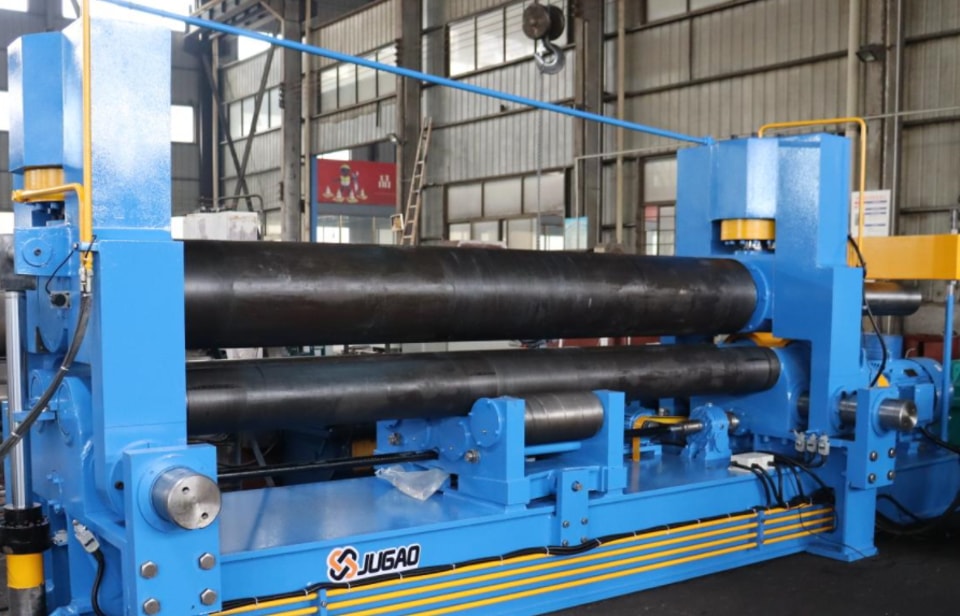
I. Before Start-up
1. Before starting the equipment, a thorough inspection should be conducted. Check the tightness of all parts and ensure all screws are secure. If any are loose, tighten them immediately.
2. The working rollers of the plate rolling machine must be strictly adjusted according to the thickness of the sheet material. Ensure that the machine is not overloaded. The plate rolling machine manufacturer provides specifications for its performance; do not exceed its capabilities.
II. During Plate Rolling Machine Operation
1. During the operation of the plate rolling machine, ensure the sheet material is placed stably and correctly before starting operation. Designated personnel should direct and signal this process.
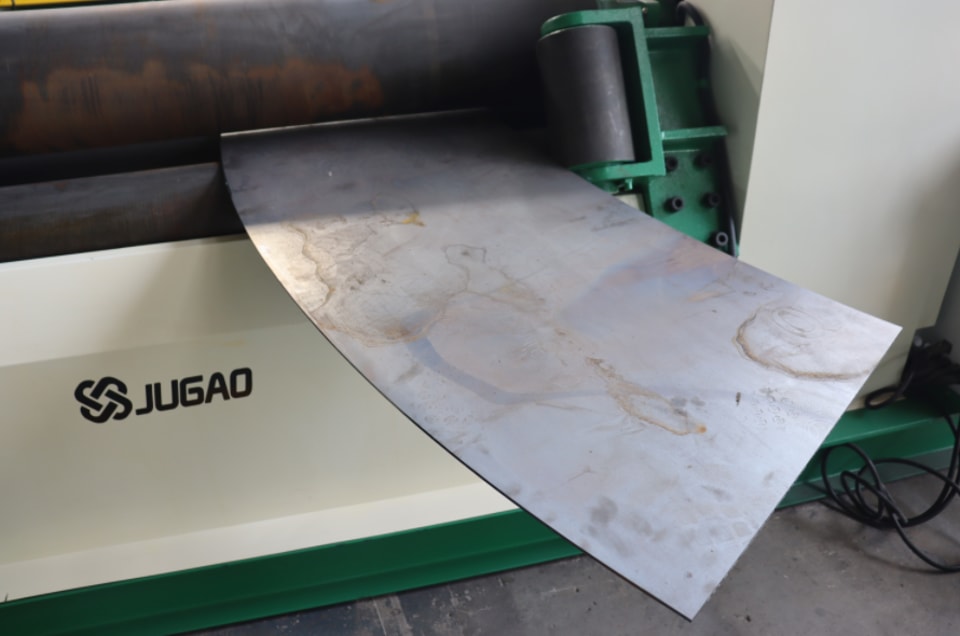
2. When the plate rolling machine is running, operators must not place their hands on the plate material. Do not use a template for inspection during the rolling process; comparison checks should only be performed after the machine has stopped.
3. If the plate material cannot be perfectly round, leave a margin at the end of the plate to prevent the workpiece from falling and injuring someone.
4. Do not stand on top of the workpiece while it is being processed. Do not perform alignment operations on already processed cylinders.
5. If the cylinder being processed is thick and has a large diameter, it is best to perform multiple rolling operations.
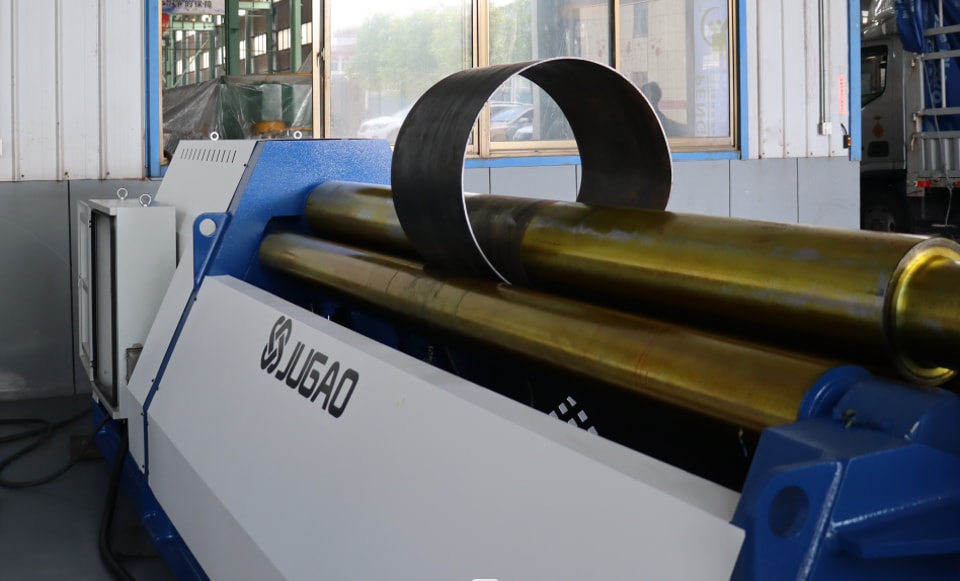
6. When processing a narrow cylinder, prevent it from being placed in the middle of the rollers.
7. When feeding the workpiece into the rollers, be careful not to get clothing, fingers, etc., caught in the rollers.
III. Shutdown
1. If the plate rolling machine makes any abnormal noises during operation, stop the machine immediately and check it.
2. After the plate rolling machine stops, the corresponding switches should be turned off, and the power supply to the equipment should be disconnected. If the machine stops after processing is complete, the workpiece should be placed in the designated location.
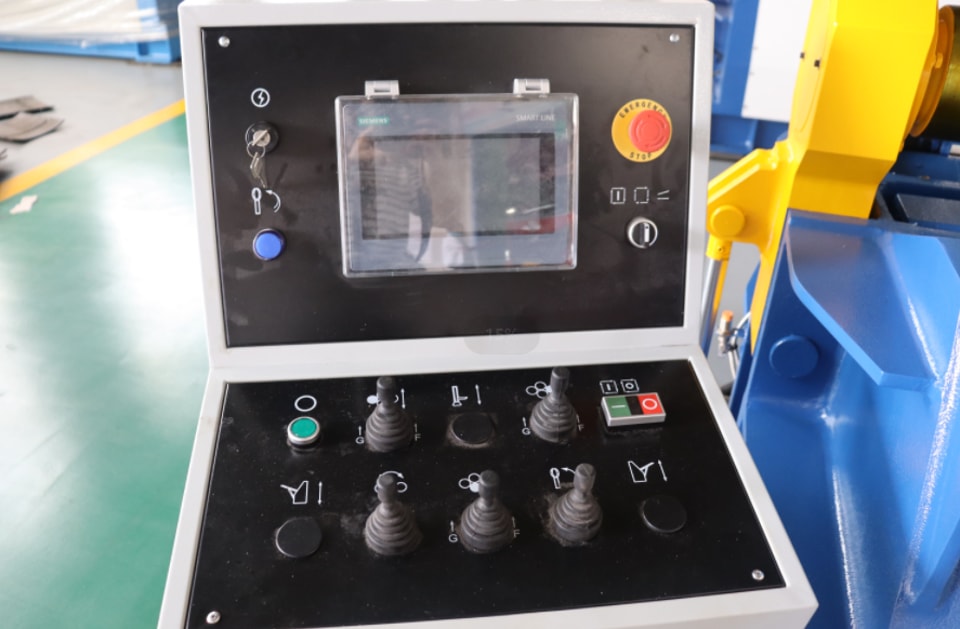
If you encounter any problems while using the plate rolling machine, you should contact the plate rolling machine manufacturer for assistance to ensure the equipment is adjusted correctly and the processing proceeds smoothly.
Related
Keep
reading.
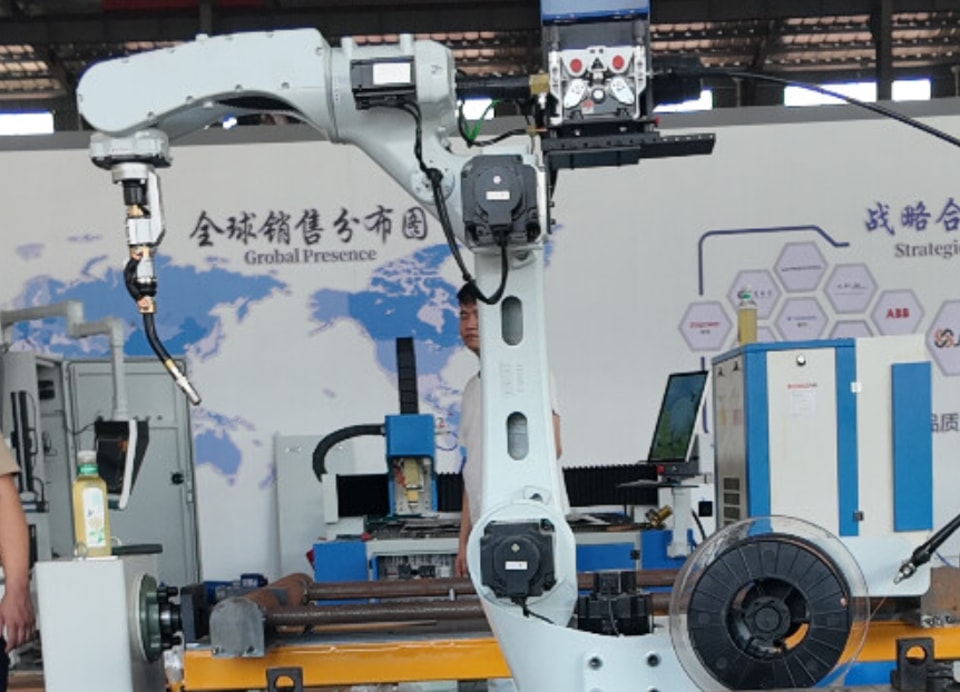 Comparison of Laser Welding Results and Application Scenarios Across Different Materials
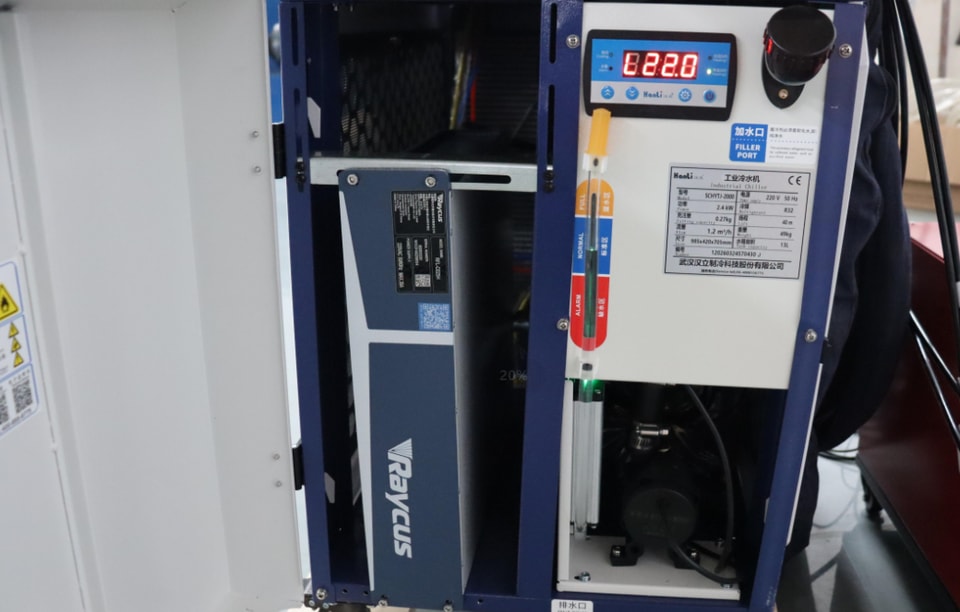 How to Choose Between Air-Cooled and Water-Cooled Laser Welding Systems
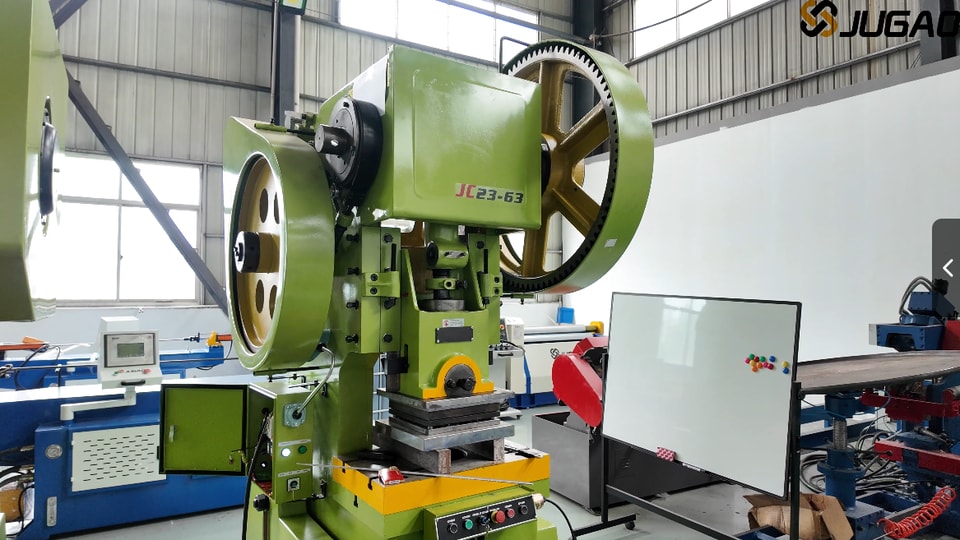 Understanding Punching Machines: Principles, Types, and Selection
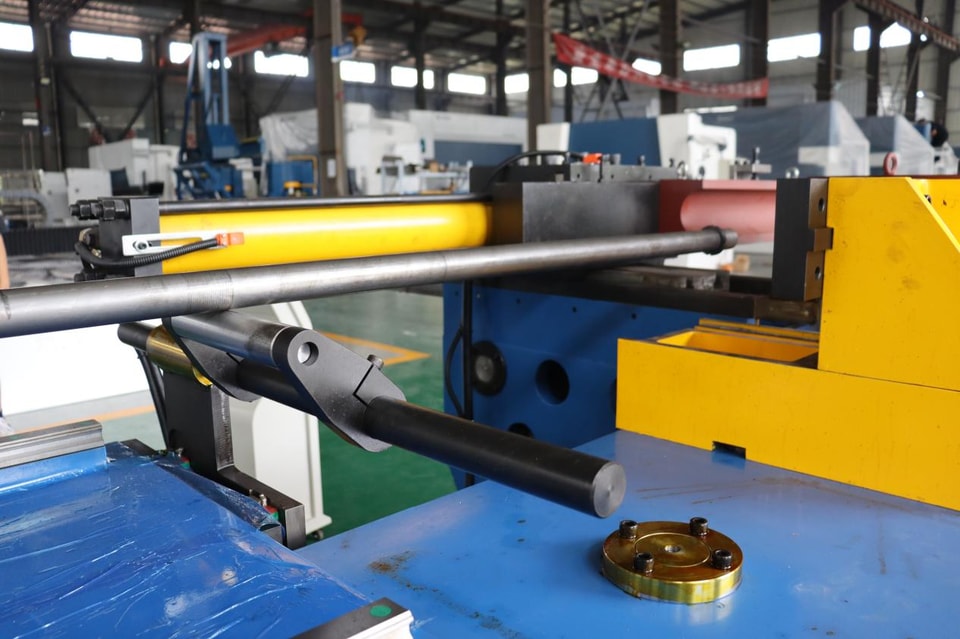 How can one effectively follow the installation guidelines for a pipe-bending machine?
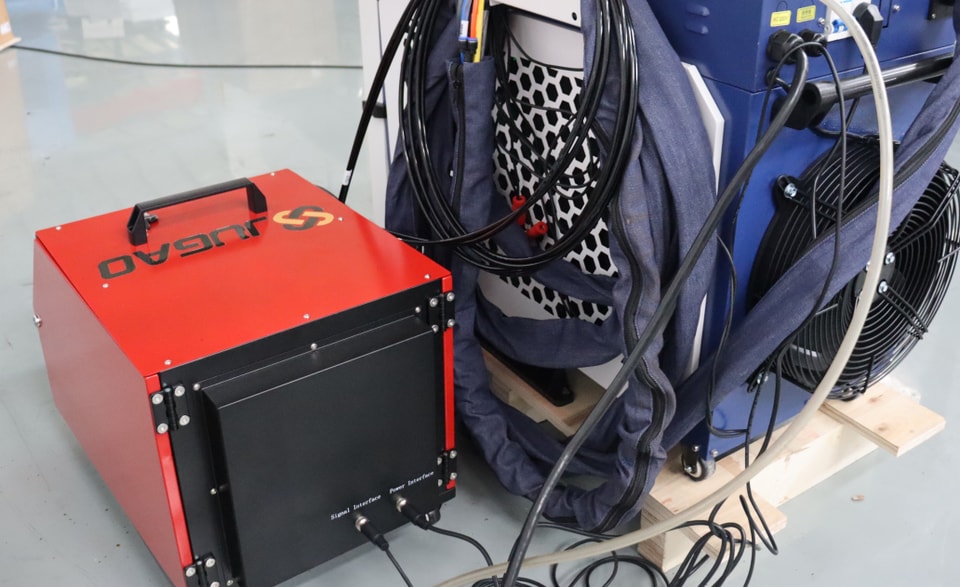 For which types of products is an automatic wire-feeding laser welding machine suitable?
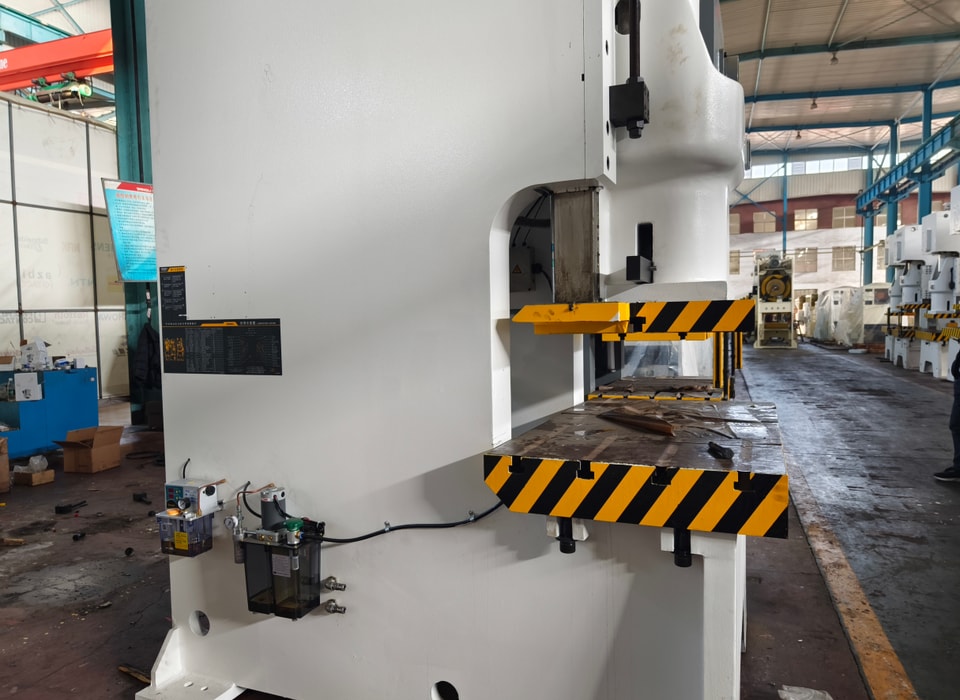 What Are the Latest Punching Machine Trends and Technological Breakthroughs?
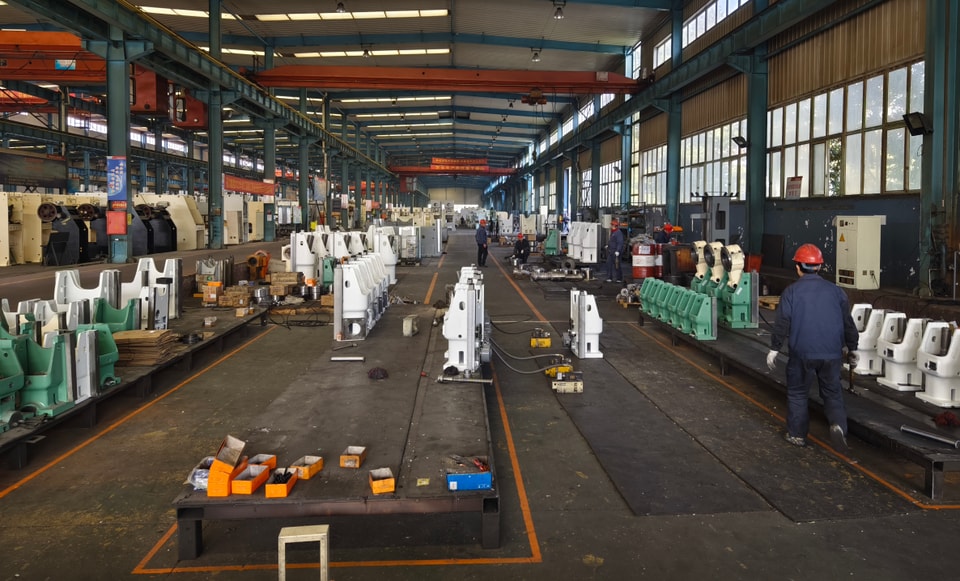 What Triggers Punching Machine Noise and How Can You Quieten It?
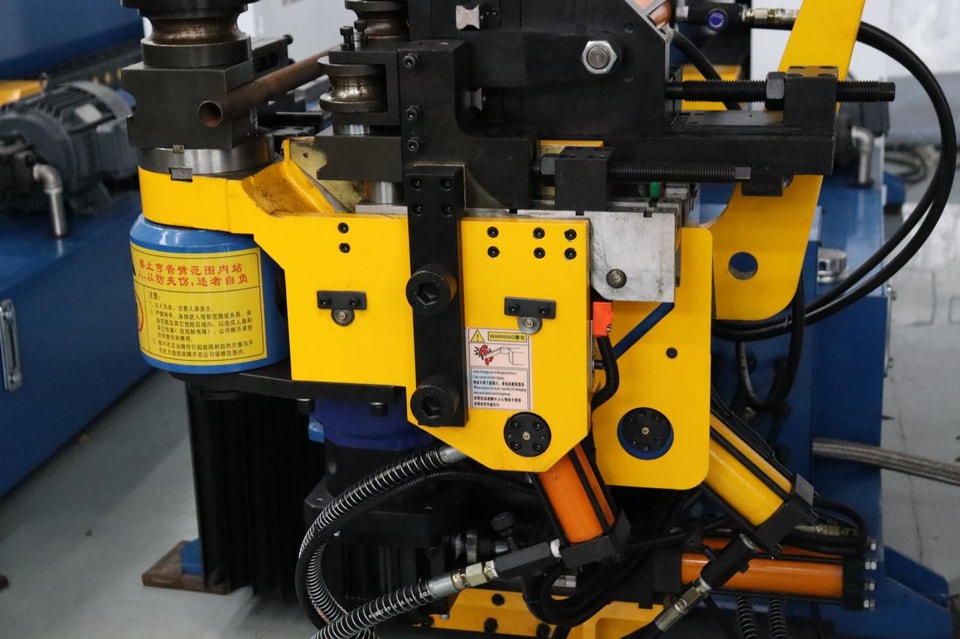 What factors influence the replacement cycle of wear parts in a pipe-bending machine?
 Beyond price, what key parameters should you consider when purchasing welding equipment?
 4 Common Methods for Inspecting Weld Quality
 Selecting the Top Punching Machines for Small Workshops & Heavy Industry
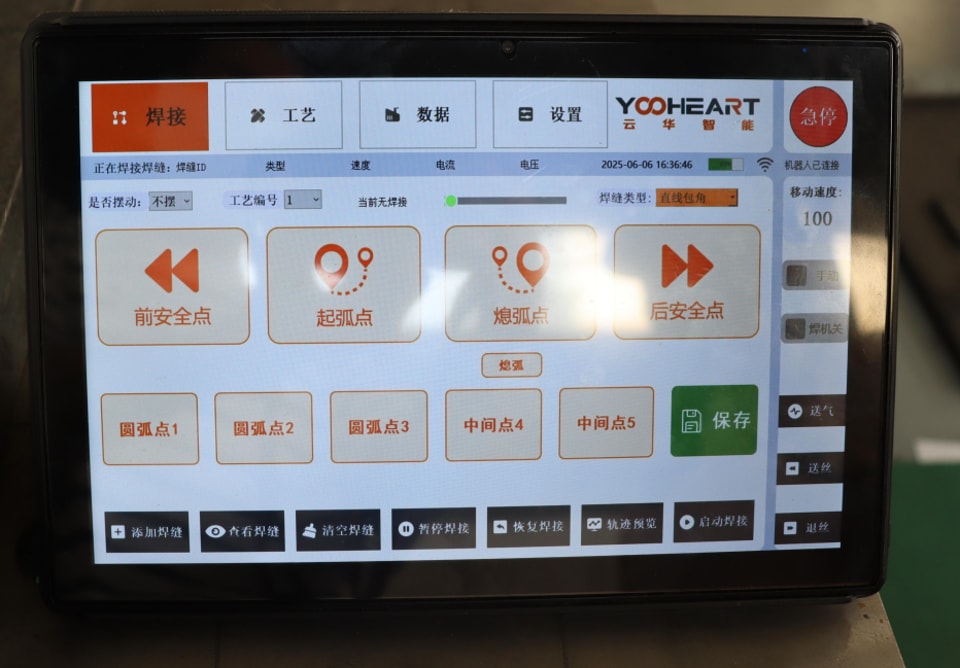 How do you set the welding path for a robotic laser welding machine? Can it perform precise welding on complex workpieces?
Engineering review
Send a drawing.
Get an engineer.
Standard selections answered within 4 hours. Parts outside the rules get a written process review within 24 hours.
- Part drawing: DXF, DWG, STEP or PDF
- Material and thickness
- Longest bend or cut length
- Yearly volume
Write to info@ntjugao.com or message the factory on WhatsApp +86 132 2211 1178.
Drawings (DXF, DWG, STEP, PDF): attach them to an email to info@ntjugao.com, quoting your name.