
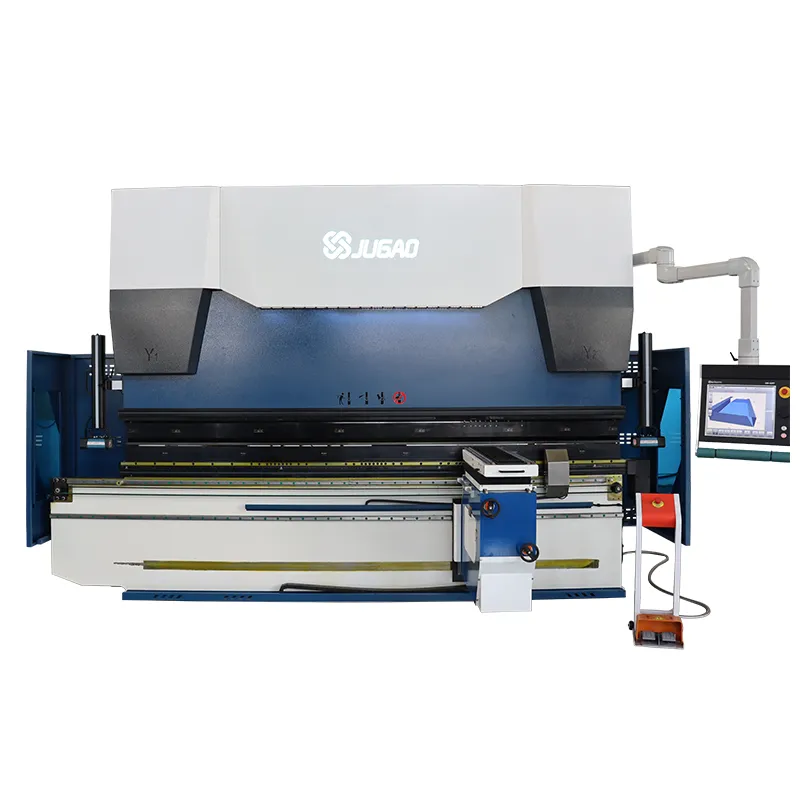
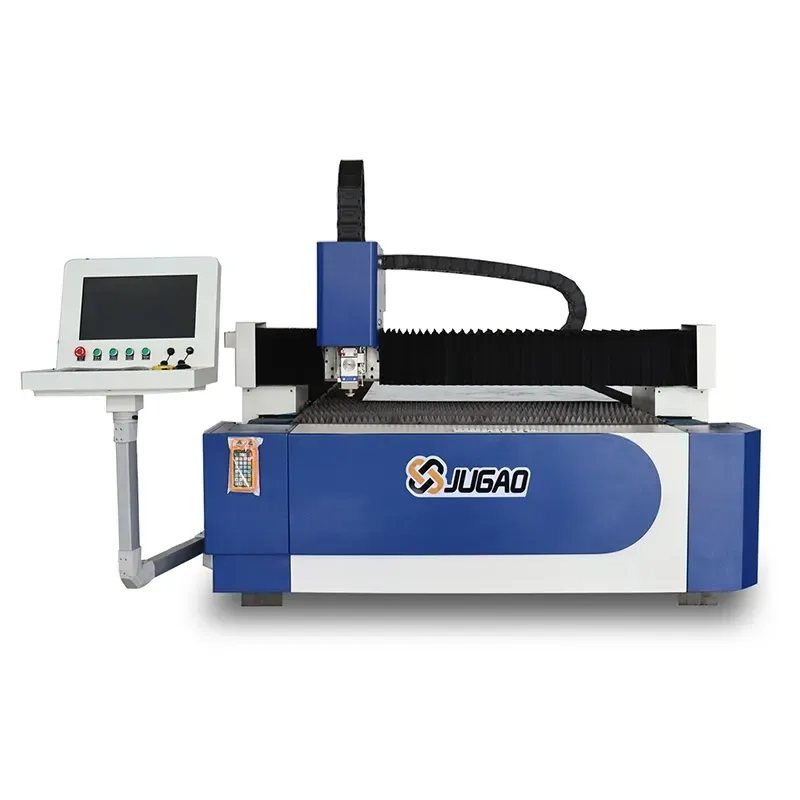
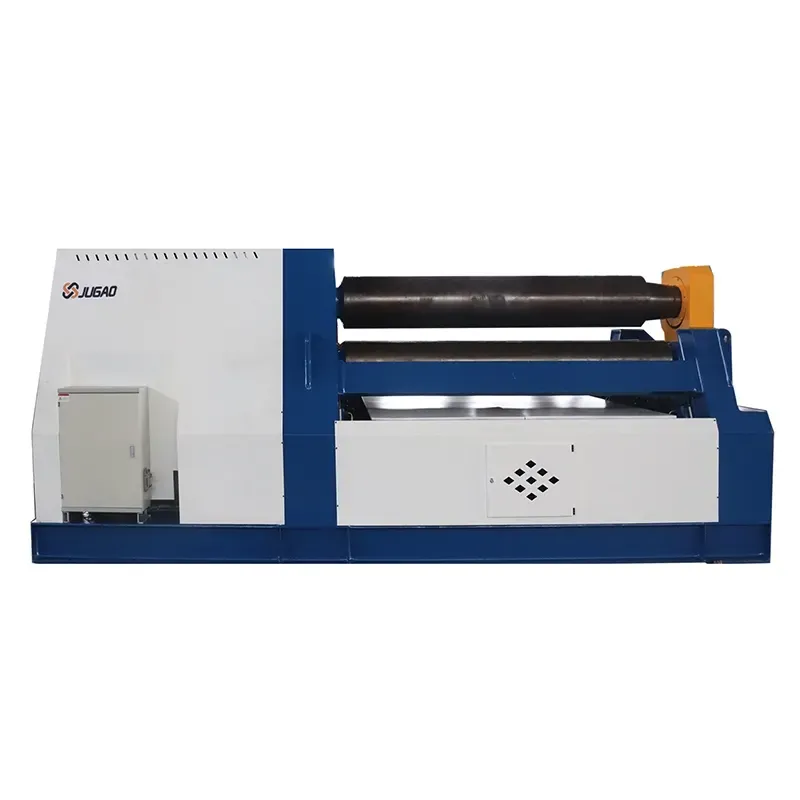
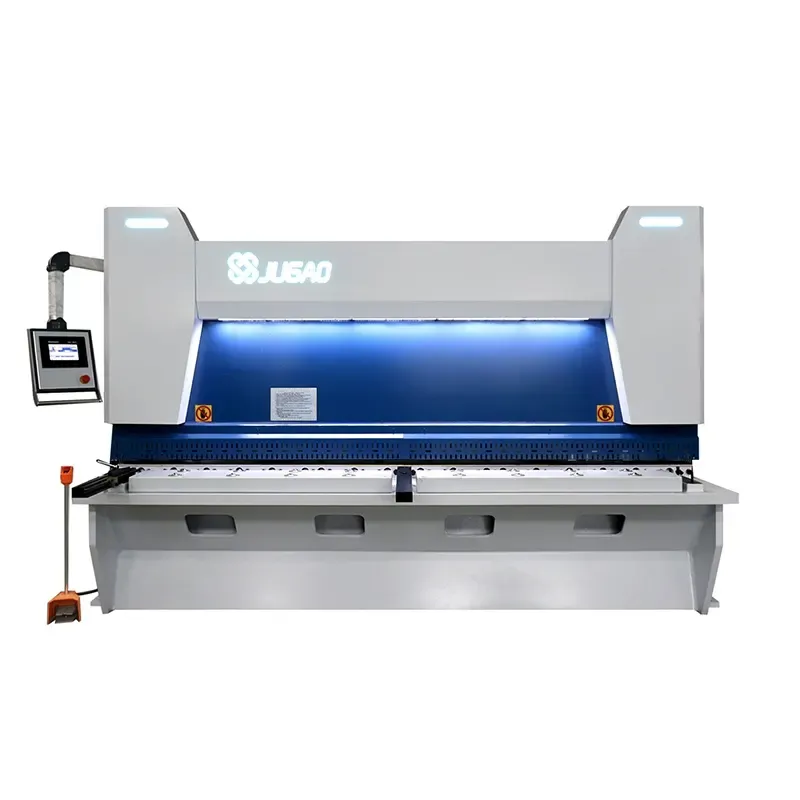
JUGAO Fiber Laser Equipment Servo-System Protection Alert Troubleshooting Guide
2026-09-29

How to Troubleshoot Servo‑System Protection Alerts on JUGAO Fiber Laser Equipment
Table of Contents
• Getting Familiar With Servo‑Triggered Protection Notifications
○ Definition of Servo Protection Alerts
○ Main Triggers for Servo‑Related Alarms on Laser Fabricators
• Primary Fault Sources Behind Servo Protection Alerts
○ Excessive Load Upon Servo Motor Units
○ Position‑Feedback Malfunctions of Encoder Devices
○ Servo Amplifier Defects and Thermal Overheating
○ Mechanical Friction Resistance and Axis Lock‑up
○ Improper Parameter Tuning Configurations
• Step‑by‑Step Troubleshooting Workflow for Servo‑System Alerts
○ Step 1: Power‑Cycle Hardware and Record Full Alarm Codes
○ Step 2: Perform Manual Inspection for Axis Mechanical Mobility
○ Step 3: Audit Encoder Hardware and Signal Transmission Lines
○ Step 4: Assess Real‑Time Operating Status of Servo Amplifiers
○ Step 5: Recalibrate or Restore Servo‑Relevant Configuration Sets
○ Step 6: Execute Low‑Speed Axis Movement Verification
• Preventive Servicing Practices to Lower Servo‑Alert Occurrences
○ Periodic Mechanical Cleansing and Lubrication Work
○ Scheduled Audits for Whole Electrical Circuits
○ Routine Upkeep for Heat‑Dissipation Infrastructure
○ Regular Archiving of System Configuration Files
• Frequently Asked Questions
○ Which fault source generates servo‑system protection alerts most frequently?
○ Is it permissible to keep production running right after a servo alert pops‑up?
○ What operational steps can clear active servo protection notifications?
• Closing Remarks
Unexpected production standstill induced by servo‑system protection alerts brings substantial economic losses for manufacturing workshops. A servo protection alert from fiber‑laser cutting machinery indicates motion‑control hardware has spotted anomalous runtime conditions, such as load overload, positioning deviation, signal communication breakdown, or encoder feedback abnormalities. If operators aim to pinpoint underlying faults and bring equipment back to normal output rapidly, this practical technical guide will deliver great reference value. This article shares field‑validated diagnosis and correction workflows applicable for JUGAO laser systems, helping technical staff resolve servo‑related malfunctions and shrink unplanned equipment idle time.
Getting Familiar With Servo‑Triggered Protection Notifications
Definition of Servo Protection Alerts
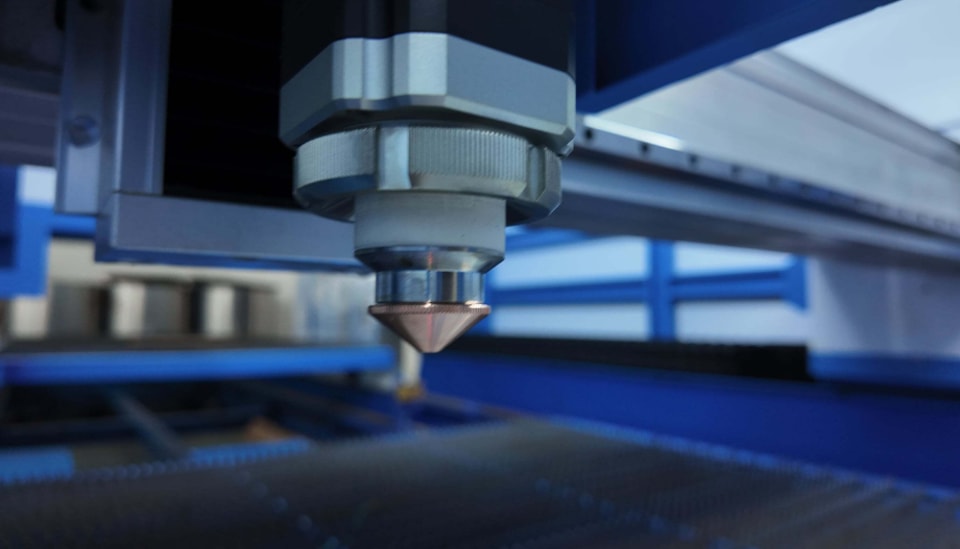
Once servo motors or servo amplifiers capture abnormal operating data, the CNC numerical‑control platform will activate servo‑protection alerts. This built‑in safety mechanism halts machine movement instantly, aiming to stop further hardware impairment to motion assemblies.
Main Triggers for Servo‑Related Alarms on Laser Fabricators
The vast majority of servo‑triggered alerts originate from circuit malfunctions, excessive mechanical drag, misadjusted motion parameters, or unstable signal exchange between JUGAO CNC host controller and servo amplifier modules.
Primary Fault Sources Behind Servo Protection Alerts
Excessive Load Upon Servo Motor Units
Axis overload protection will get activated when axes bear extra burden. This condition usually arises from physical mechanical jamming or unsuitable acceleration‑deceleration parameter values that impose heavy stress on servo motor assemblies.
Position‑Feedback Malfunctions of Encoder Devices
Loose terminal connections, worn encoder cables, or outside electromagnetic noise will distort real‑time position feedback signals transmitted back to the numerical‑control host.
Servo Amplifier Defects and Thermal Overheating
Insufficient ventilation space, fluctuating grid input voltage, or internal component damage inside servo amplifiers can trigger servo protection alerts.
Mechanical Friction Resistance and Axis Lock‑up
Heavily contaminated guide rails, insufficient lubricant supply, or misaligned motion guiding frameworks generate abnormal movement resistance, further activating servo safety responses.
Improper Parameter Tuning Configurations
Mismatched servo tuning values stored within the CNC system may produce jerky axis travelling motion and subsequently invoke system fault notifications.
Step‑by‑Step Troubleshooting Workflow for Servo‑System Alerts
Step 1: Power‑Cycle Hardware and Record Full Alarm Codes
Start fault diagnosis by rebooting the complete machine system. Write down the complete alarm number displayed either on servo amplifier panels or JUGAO CNC human‑machine interface. These coded notifications act as critical clues for fast fault localization.
Step 2: Perform Manual Inspection for Axis Mechanical Mobility
Manually jog every moving axis for status validation. Should axes feel stiff or get stuck during travelling routes, carry out surface cleaning and apply qualified lubricant for guide rails and ball‑screw assemblies.
Step 3: Audit Encoder Hardware and Signal Transmission Lines
Inspect encoder connectors for loose fitting, outer insulation rupture and oil‑stain fouling. Fasten loose terminals or replace defective signal cables according to actual onsite conditions.
Step 4: Assess Real‑Time Operating Status of Servo Amplifiers
Check servo amplifier modules for signs of overheating, abnormal indicator‑lamp behaviours and unstable input voltage. Guarantee unobstructed air circulation and steady power supply for servo amplifier hardware.
Step 5: Recalibrate or Restore Servo‑Relevant Configuration Sets
After eliminating mechanical and circuit‑related defects, examine servo‑associated parameter groups. Restore factory‑default configuration profiles or input corrected motion‑tuning parameters.
Step 6: Execute Low‑Speed Axis Movement Verification
Upon finishing fault rectification work, operate each axis under reduced‑speed mode for functional testing. Confirm smooth travelling performance before restarting formal batch cutting assignments.
Preventive Servicing Practices to Lower Servo‑Alert Occurrences
Periodic Mechanical Cleansing and Lubrication Work
Surface dust buildup and inadequate lubrication constitute major contributors to servo overload stress. Maintaining guide rails and ball‑screw assemblies in clean, well‑lubricated status effectively reduces servo‑alert probability.
Scheduled Audits for Whole Electrical Circuits
Inspect earthing setups, wiring harnesses and plug‑in terminals on a regular cycle, preventing signal distortion caused by poor contact and electromagnetic interference.
Routine Upkeep for Heat‑Dissipation Infrastructure
Ensure smooth air convection for servo amplifier units and electrical control cabinets, avoiding hardware failures induced by excessive operating temperature.
Regular Archiving of System Configuration Files
Create backup copies for CNC and servo parameter datasets periodically. In case of configuration corruption, maintenance personnel can revert system settings quickly using archived backup resources.
Frequently Asked Questions
Which fault source generates servo‑system protection alerts most frequently?
Excessive mechanical friction resistance plus encoder signal anomalies rank as the most frequently‑encountered triggers for servo‑system protection alerts within real‑world production environments.
Is it permissible to keep production running right after a servo alert pops‑up?
Absolutely not. Operators must halt machine operation immediately and launch fault diagnosis, so as to avoid irreversible damage to motion‑related mechanical and electrical hardware.
What operational steps can clear active servo protection notifications?
You must resolve root‑cause faults first. Afterwards, you may clear alert status via JUGAO CNC human‑machine interface or complete power‑cycle restart for servo amplifier modules.
Closing Remarks
Servo‑system protection alerts are far more than simple pop‑up reminders; they represent essential safety mechanisms preventing severe hardware breakdown for laser‑cutting equipment. By rapidly tracing fault origins, implementing systematic inspections for mechanical assemblies and electrical components, plus validating motion‑control parameter groups, maintenance staff can restore normal machine operating efficiency.
If servo‑associated malfunctions persist after onsite troubleshooting and demand deep‑level technical diagnosis, please reach out to the JUGAO technical support team. Standard preventive maintenance workflows plus timely fault disposal are core prerequisites to sustain stable equipment performance and avoid high‑cost production downtime.
Contact Us