 Get a quote
Resources
Is there a close relationship between the daily maintenance and precision of a pipe bending machine?
The accuracy of the pipe bending machine is not lost suddenly, but slips away little by little every day. The program has not changed, the mold has not been changed, the bend was fine yesterday, but today the angle is wrong. I have seen this situation too many times, and in the end I found out that it was either a major failure or that daily maintenance was not done properly.
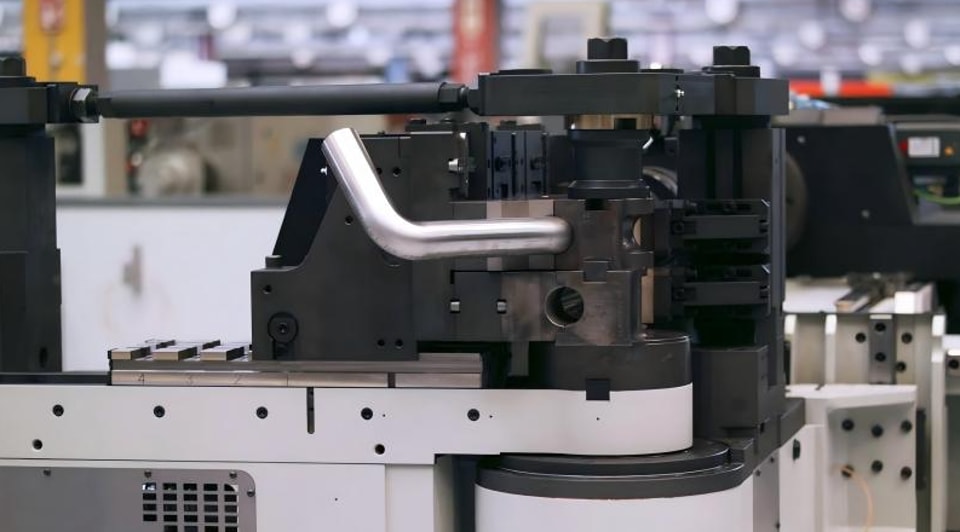
l. Lubrication: the most common cause of accuracy deviation
The key moving parts such as mandrel rod, guide rail and ball screw are all supported by oil film. When the oil film disappears, the friction force changes. The same bending force acts on the pipe, and the deformation amount is naturally different.
Check whether there is oil in each lubrication point before starting the machine every day
Confirm that the automatic lubrication system is working properly and the oil line is not blocked
Manually lubricated parts should be filled according to the intervals and oil products required in the equipment manual.
Insufficient lubrication is the most common cause of reduced accuracy, but it is also the easiest to prevent.
II. Cleaning: Debris is the Invisible Killer of Precision
Metal debris generated during the pipe bending process accumulates over time on the guide rails, mold mounting surfaces, and mandrels. This debris creates tiny gaps, preventing the slider from moving properly or causing the mold to not fit tightly.
Clean debris and grease from the guide rails after each shift.
Wipe the worktable and mold mounting surfaces.
Use compressed air to blow away hard-to-reach corners.
If debris accumulates on the guide rails and is not cleaned regularly, wear will accelerate significantly. Over time, the guide rail precision will decrease, and the bent pipes will consistently deviate in one direction.
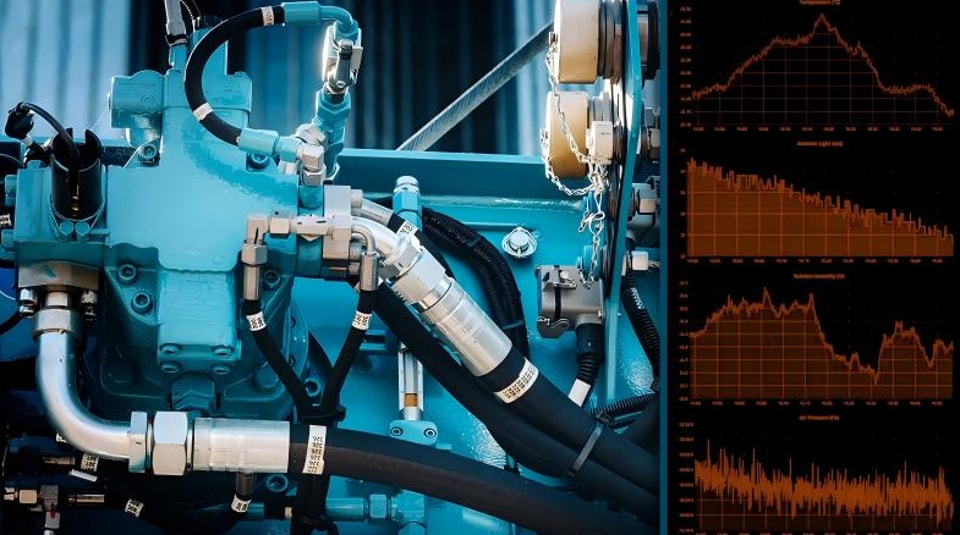
III. Component Inspection: Early Problem Detection, Lowest Cost
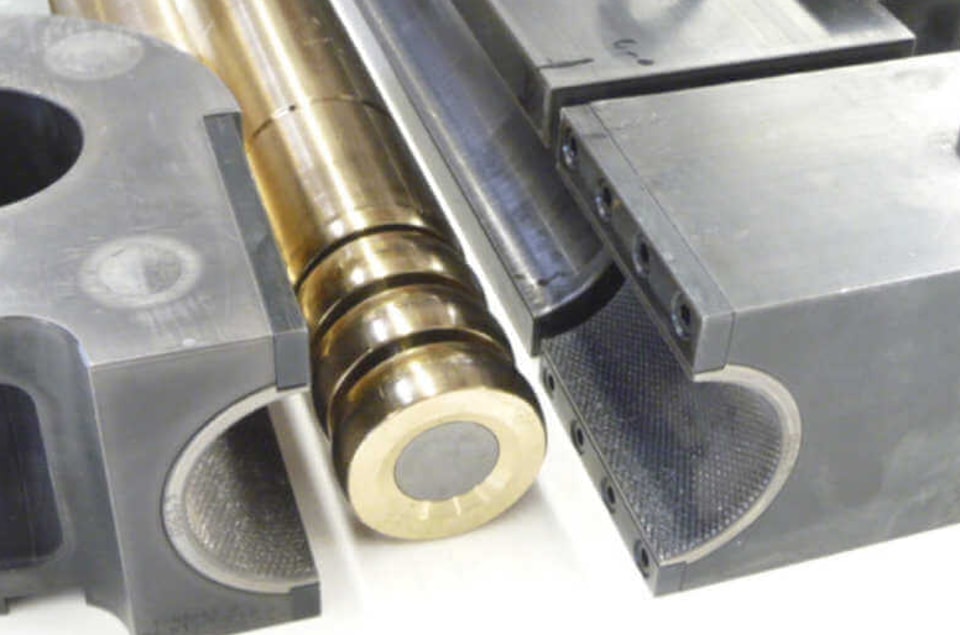
Check for scratches on the mandrel tip, whether the clamping die surface is becoming smooth, and whether there is slight deformation in the bending die groove—these problems can be solved by grinding or fine-tuning if detected early. Waiting until accuracy is affected usually necessitates replacement.
Inspect the working surface condition of the mandrel and die every shift.
Check all fastening bolts for looseness.
Address any abnormal wear promptly.
IV. Hydraulic and Electrical Systems: The Foundation of Precision and Stability
Low hydraulic oil levels lead to unstable system pressure, causing fluctuating bending forces and angle variations. Emulsified or deteriorated hydraulic oil reduces lubrication and accelerates pump and valve wear. Loose electrical connections can also cause servo motor malfunctions.
Check hydraulic oil levels daily to ensure they are within the normal range.
Observe the oil color and condition; address any abnormalities promptly.
Check electrical wiring for loose connections.
V. Routine maintenance protects the long-term value of equipment.
Spending just ten minutes a day on these tasks allows equipment to run with stable accuracy for many years. Equipment neglected through routine maintenance will begin to deviate in accuracy after two or three years, and may require major repairs or even replacement after five years.
Establish a daily inspection checklist and verify each item.
Address problems promptly; do not delay.
Record the content of each maintenance session and any issues found.
The lifespan of the same machine can differ significantly depending on whether routine maintenance is performed or not.
How are routine maintenance procedures performed in your workshop? Have any accuracy issues been caused by negligence in any step? We welcome discussion.
Related
Keep
reading.
 Comparison of Laser Welding Results and Application Scenarios Across Different Materials
 How to Choose Between Air-Cooled and Water-Cooled Laser Welding Systems
 Understanding Punching Machines: Principles, Types, and Selection
 How can one effectively follow the installation guidelines for a pipe-bending machine?
 For which types of products is an automatic wire-feeding laser welding machine suitable?
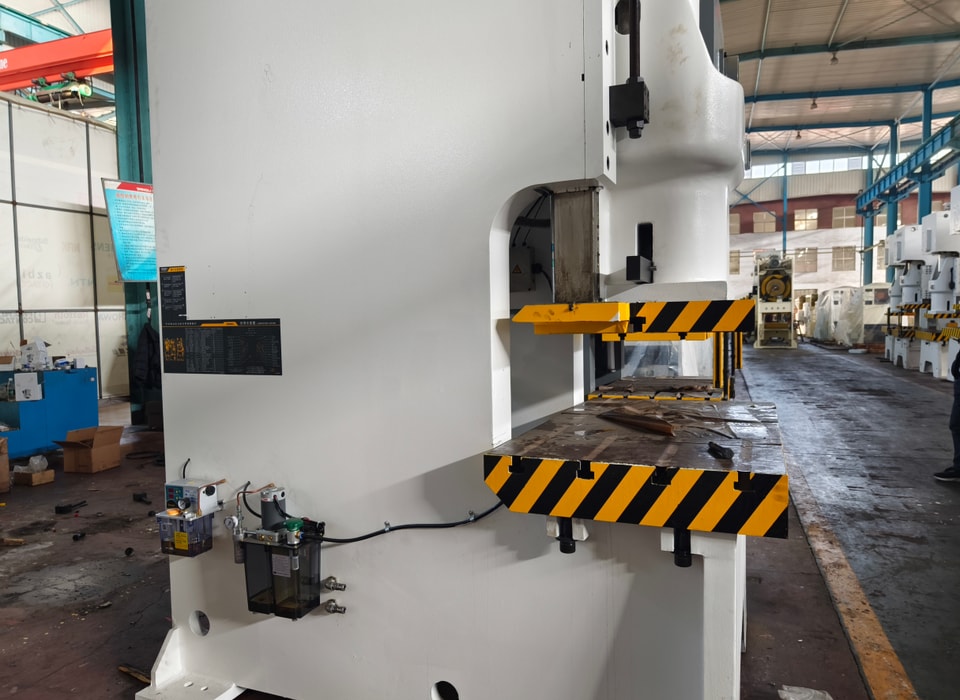 What Are the Latest Punching Machine Trends and Technological Breakthroughs?
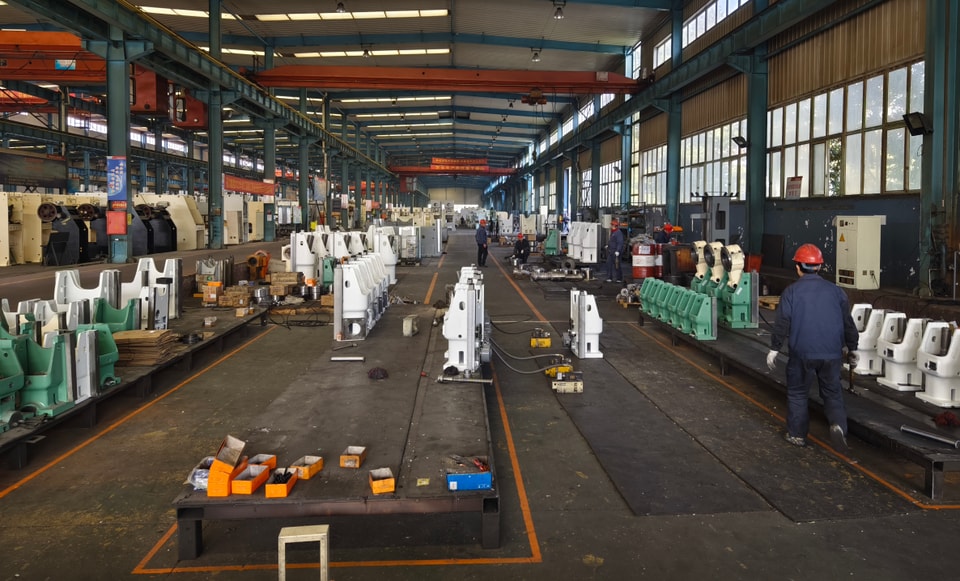 What Triggers Punching Machine Noise and How Can You Quieten It?
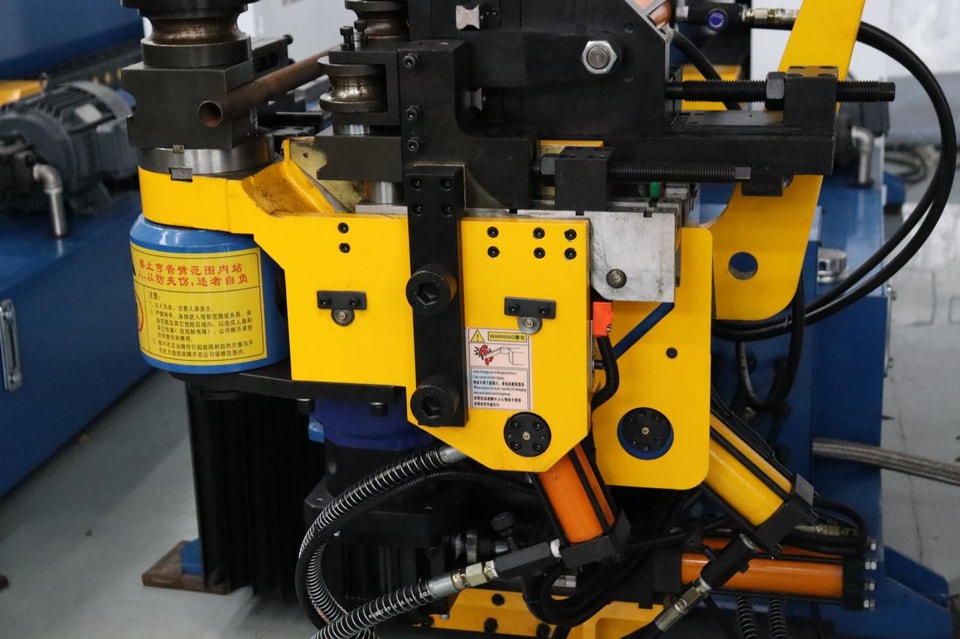 What factors influence the replacement cycle of wear parts in a pipe-bending machine?
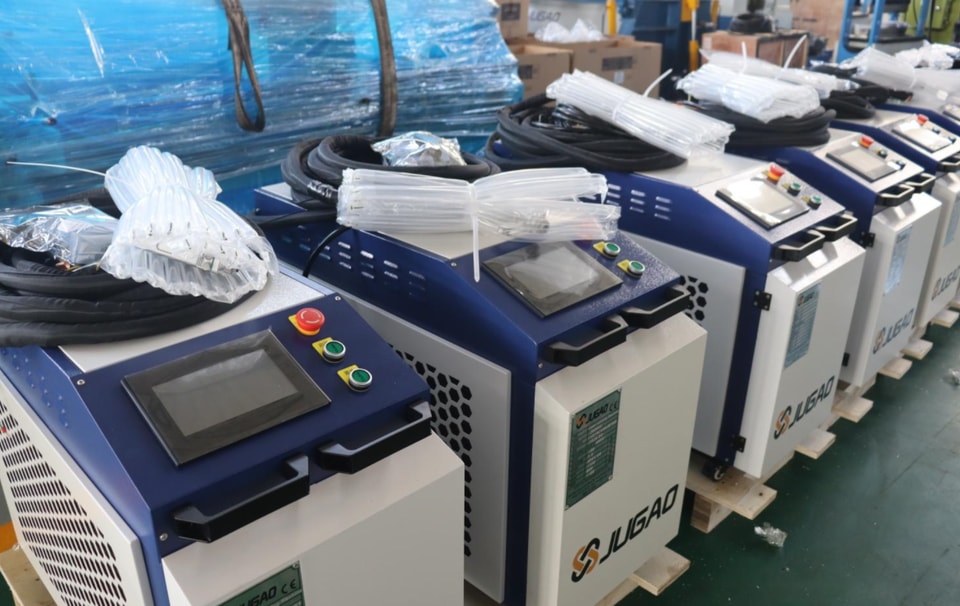 Beyond price, what key parameters should you consider when purchasing welding equipment?
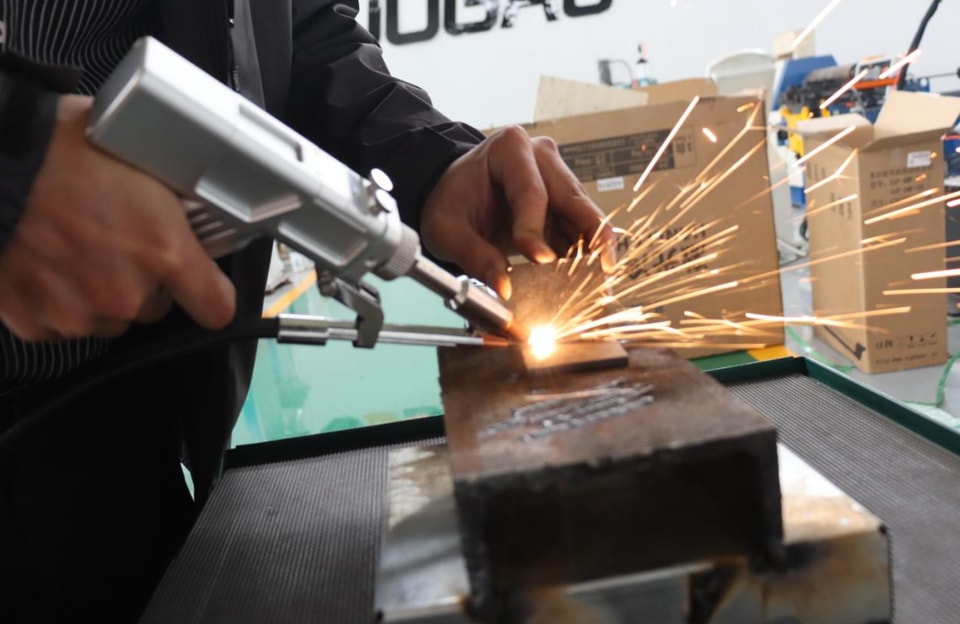 4 Common Methods for Inspecting Weld Quality
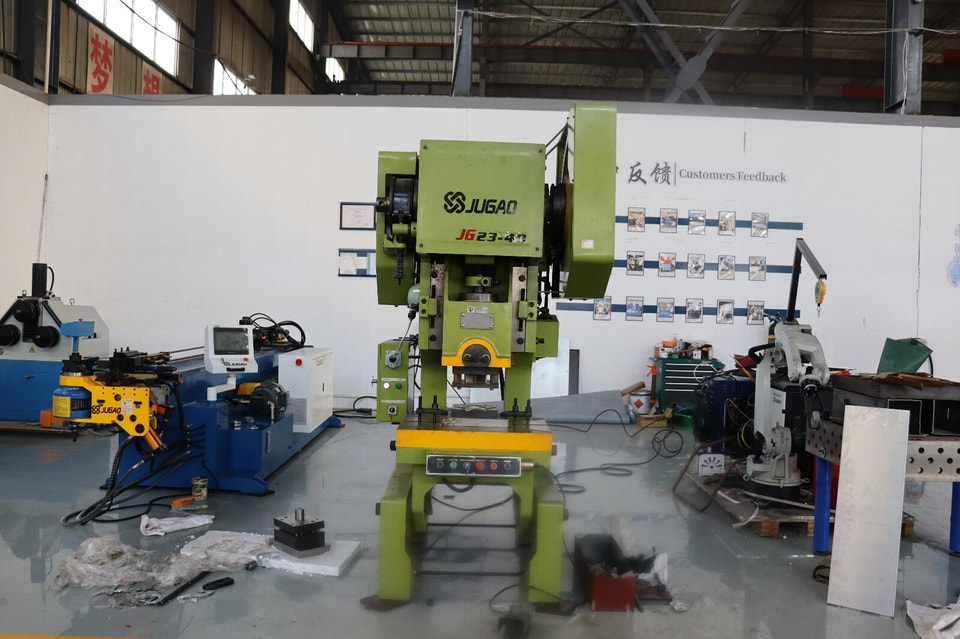 Selecting the Top Punching Machines for Small Workshops & Heavy Industry
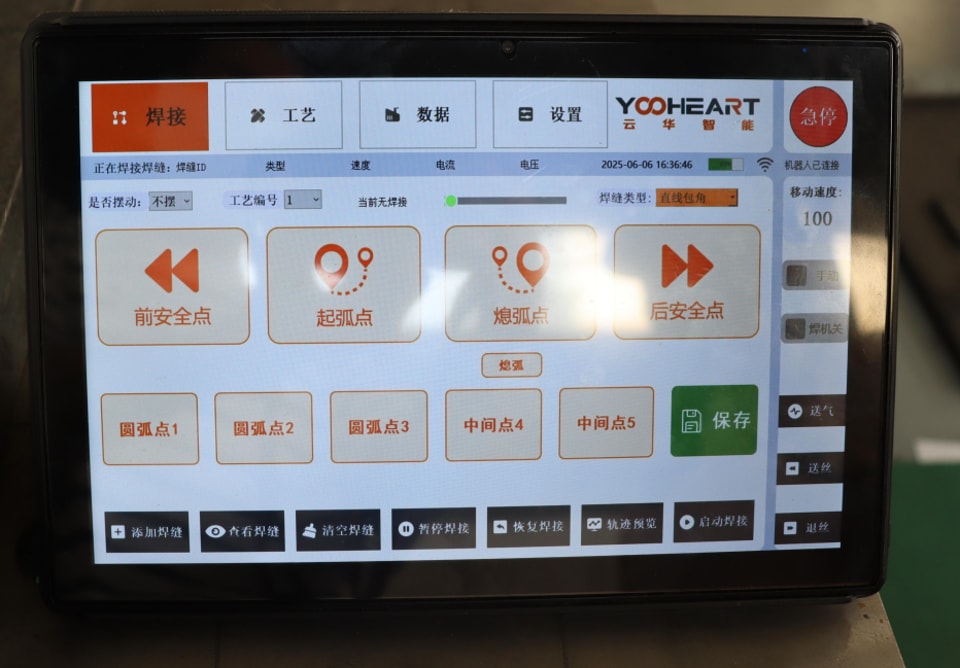 How do you set the welding path for a robotic laser welding machine? Can it perform precise welding on complex workpieces?
Engineering review
Send a drawing.
Get an engineer.
Standard selections answered within 4 hours. Parts outside the rules get a written process review within 24 hours.
- Part drawing: DXF, DWG, STEP or PDF
- Material and thickness
- Longest bend or cut length
- Yearly volume
Write to info@ntjugao.com or message the factory on WhatsApp +86 132 2211 1178.
Drawings (DXF, DWG, STEP, PDF): attach them to an email to info@ntjugao.com, quoting your name.