
How to Select the Appropriate Power for a Laser Cutting Machine
2026-06-17

Table of Contents
• Basic Knowledge of Laser Cutter Power
• Key Factors for Choosing Laser Cutter Power
• Practical Steps to Pick the Right Laser Cutter Power
○ Step 1: Confirm Your Processing Materials
○ Step 2: Clarify Material Cutting Thickness
○ Step 3: Assess Daily Production Output
○ Step 4: Take Cutting Speed into Account
• Frequently Asked Questions
• Final Summary
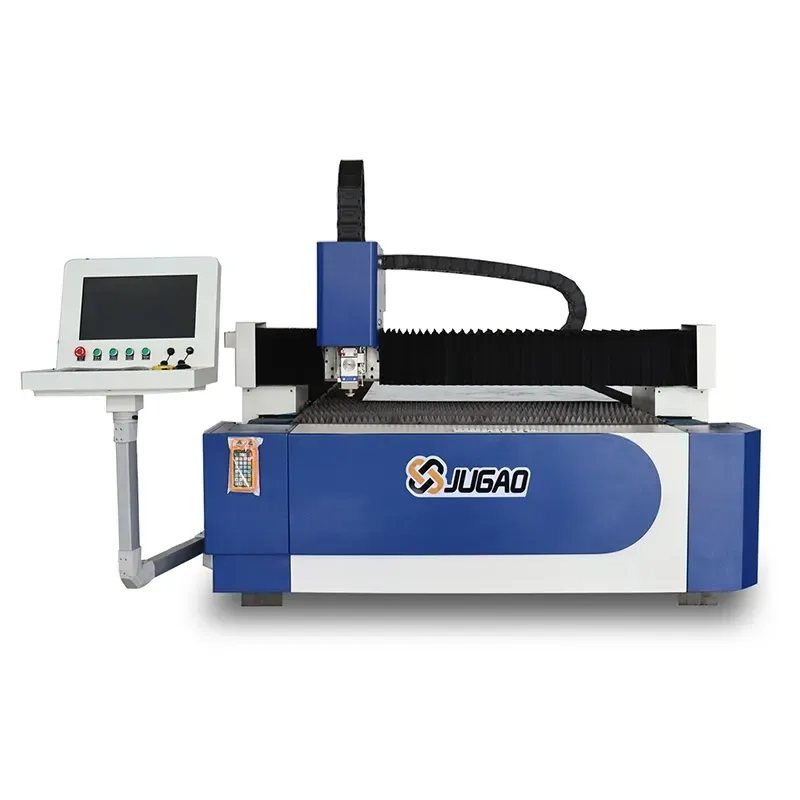
When purchasing a laser cutting device, power configuration stands out as one of the most decisive selection criteria. A well-matched laser power directly boosts cutting efficiency, guarantees processing accuracy, and delivers ideal finished results. If you are confused about how to determine the proper power for your laser cutter, this guide will be exactly what you need. Below we will elaborate on how to select the most suitable power based on your processing materials, material thickness and expected cutting quality. Whether you are a newcomer to laser processing or want to upgrade your existing equipment setup, this guide can help you make a wise decision.
Basic Knowledge of Laser Cutter Power
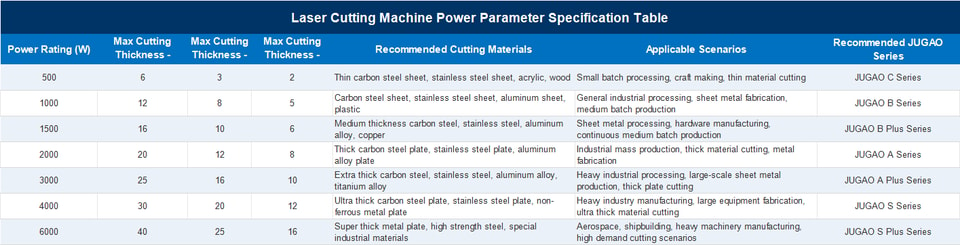
Laser cutter power is measured in watts (W), and this parameter decides the overall cutting capacity of the equipment. In general, equipment with higher power is capable of processing thicker workpieces and tackling materials with complex properties. Selecting a reasonable power level helps you strike a balance between excellent cutting effect and stable working efficiency.
If the power configuration is too low, the device will struggle to cut thick materials and fail to deliver neat and precise cuts. On the contrary, excessive power will produce redundant heat during operation, leaving burn marks on workpieces or causing material deformation.
Key Factors for Choosing Laser Cutter Power
1. Material Category and Thickness
The type and thickness of processed materials are the primary reference points for power selection. For thin workpieces such as metal sheets and plastic panels, a laser cutter with power between 500W and 1000W can fully meet daily processing demands and create clean cuts. For tough thick materials like stainless steel and aluminum plates, you need to choose equipment with power of 2000W or above to ensure smooth and efficient cutting.
2. Cutting Speed and Machining Precision
Laser power also exerts a noticeable influence on cutting speed and precision. High-power laser cutters run at a faster cutting pace, yet they may slightly reduce the finish of cutting edges, especially when handling intricate patterns. Low-power laser equipment boasts higher machining accuracy, though its cutting speed is relatively slower. If your projects require elaborate cuts with top-tier quality, you can opt for a low-power model and adjust the operating speed correspondingly.
3. Material Quality and Surface Finishing Requirements
For workpieces that demand superior surface finishing, power selection becomes particularly important. Without proper parameter adjustment, high-power laser devices will generate excessive heat, leading to thermal deformation and flawed cutting edges. By contrast, a laser cutter with matched power can produce smooth cuts with almost no burrs on edges, enabling finished products to fully comply with quality standards.
4. Budget Planning
There is a clear gap in procurement cost between different power models. High-power laser cutters require a larger upfront investment. You need to combine your actual demands and budget to make a choice. If you mainly process thin materials or run small-batch production, a low-power device can cut costs while maintaining stable performance. For enterprises that need to process thick materials on a long-term and large-scale basis, investing in a high-power laser cutter will bring more economic benefits in the long run.
Practical Steps to Pick the Right Laser Cutter Power
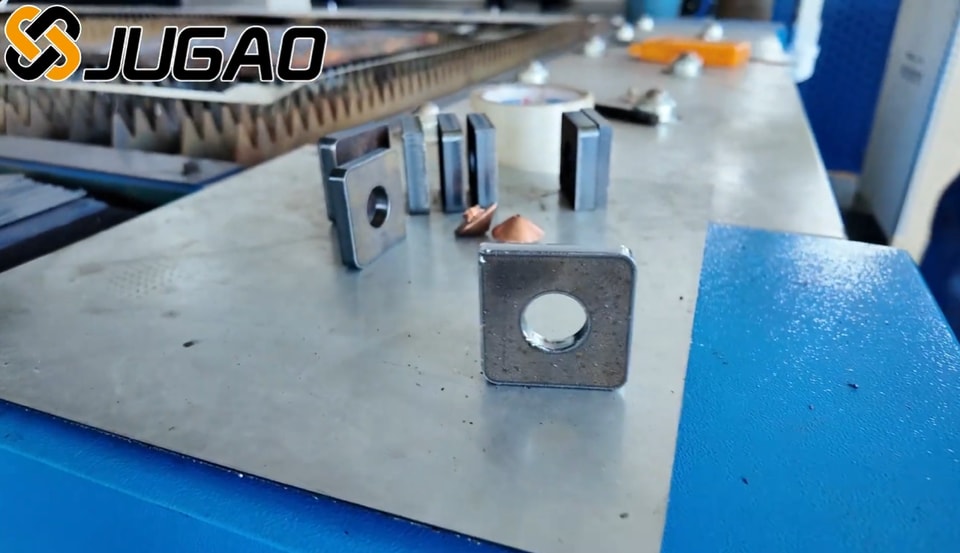
Step 1: Confirm Your Processing Materials
First, sort out the materials you process most frequently. If your main processing objects are thin steel sheets, a laser cutter with power ranging from 1000W to 1500W is adequate. If you need to cut thick metal plates or special industrial materials, it is recommended to select equipment with power of 3000W or higher.
Step 2: Clarify Material Cutting Thickness
Next, confirm the maximum thickness of the workpieces to be cut. A 500W laser cutter can handle materials with a maximum thickness of 6mm, while a 1000W model supports workpieces up to 12mm thick. For steel plates and other materials over 20mm thick, equipment with power of 2000W or above is the ideal choice.
Step 3: Assess Daily Production Output
If your production line features large-batch processing and frequent material replacement, a high-power laser cutter can greatly accelerate production progress. If you focus on small-batch production and high-precision detailed cutting, a low-power device is more cost-effective. It can maintain outstanding accuracy and avoid unnecessary energy consumption.
Step 4: Take Cutting Speed into Account
Define the cutting speed required for your production tasks. High-power equipment works faster, which is well-suited for mass production tasks. When creating sophisticated and delicate patterns, properly lowering the cutting speed will effectively improve the overall cutting quality.
Frequently Asked Questions
1. What is the ideal laser power for cutting thin metal sheets?
For metal sheets with a thickness within 6mm, a laser cutter with power from 500W to 1000W is the best option, which can achieve clean and efficient cutting.
2. How to judge whether a high-power laser cutter is needed?
If you regularly cut steel plates thicker than 12mm, or pursue faster cutting speed to support large-volume production, you need to equip a laser cutter with power of 2000W or above.
3. Will high-power laser cutters cause thermal deformation of materials?
Yes. High-power equipment generates more heat during operation, which may cause material deformation and scorched edges. You need to flexibly adjust power parameters and cutting speed to control heat impact and guarantee processing quality.
4. What is the price difference between low-power and high-power laser cutters?
Laser cutters with power below 1000W are more affordable. Models with power of 2000W and above are priced higher. The specific price gap varies according to brand, functional configuration and overall performance of the equipment.
Final Summary
Selecting a laser cutter with appropriate power is the premise of obtaining excellent processing results. By comprehensively considering material type, workpiece thickness, cutting speed and production scale, you can find the most suitable power configuration for your business. If you still have doubts about power selection, feel free to contact the JUGAO professional team. We will provide targeted technical guidance and one-stop solutions to match your laser processing needs.
Contact Us