
How to Resolve Unexpected Power‑Off Tripping on Fiber Laser Machines
2026-09-28

How to Resolve Unexpected Power‑Off Tripping on Fiber Laser Machines
Table of Contents
Overview of Abnormal Power‑Cut Tripping for Laser Processing Units
• Defining Laser Equipment Tripping Protection Trigger
• What Triggers Such Electrical Failures Within Factory Settings
Primary Root Causes Behind Laser Machine Tripping Incidents
○ Circuit Overload Conditions
Defective Earthing Configuration
Degraded Power Modules and Electronic Hardware
Electromagnetic Disturbance From Surrounding Environment
Sequential Troubleshooting Procedures for Laser Unit Tripping Faults
Step 1: Assess Power Consumption Load and Circuit Rated Capacity
○ Step 2: Carry Out Full Inspection for Earthing Installation
Step 3: Perform Condition Check for Electronic Assemblies
○ Step 4: Measure and Validate Input Voltage Consistency
○ Step 5: Complete Dust Removal for Electric Control Enclosure
• Long‑Run Stabilization via Preventive Servicing
○ Scheduled Periodic Electrical System Audits
○ Deploy Reliable Power Regulation Hardware
○ Sustain Tidy and Dry Operating Surroundings
Frequently Asked Questions
○ What leads to repeated tripping right upon laser machine startup?
○ Will defective earthing setup result in laser unit power tripping?
○ What practical approaches can lower future tripping occurrences?
• Closing Remarks
Sudden equipment shutdown brought on by electrical protective action creates heavy disruption to shop‑floor output. Unplanned power‑cut tripping represents one of the frequent electrical malfunctions met by operators running fiber laser fabricators. When you encounter abrupt machine halt, breaker actuation or erratic equipment performance, this troubleshooting guide fits your needs. This write‑up sorts out major fault sources for tripping events and delivers safe, step‑by‑step countermeasures for fast recovery. Understanding these failure modes helps you cut unplanned stand‑still time, boost equipment dependability, and sustain steady continuous manufacturing for JUGAO laser devices under real‑world production scenarios.
Overview of Abnormal Power‑Cut Tripping for Laser Processing Units
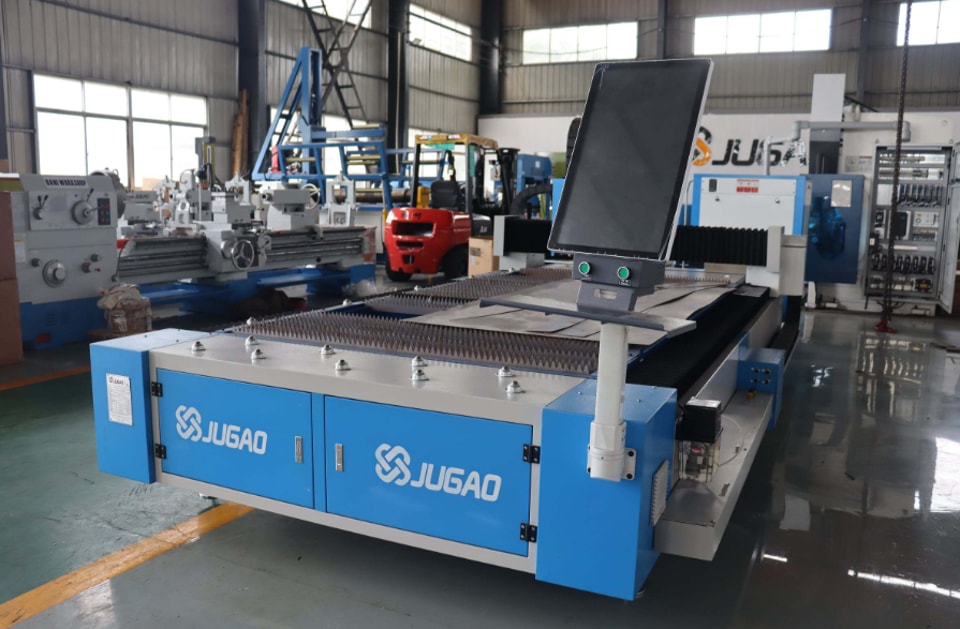
Defining Laser Equipment Tripping Protection Trigger
Power‑cut tripping takes place when the machine’s electrical network executes automatic shutdown responses. This protective reaction activates under circumstances including current overload, short‑circuit risk, bad earthing connection or volatile incoming voltage. Its core purpose is hardware safeguard and operator personal safety.
What Triggers Such Electrical Failures Within Factory Settings
On production shop floors, multiple pieces of production hardware often share the same power supply loop. Voltage swing, sub‑standard earthing setup and overburdened wiring loops can easily set off tripping protection. This risk becomes more prominent while executing high‑intensity laser cutting tasks.
Primary Root Causes Behind Laser Machine Tripping Incidents
Circuit Overload Conditions
Tripping will occur instantly once the laser setup draws electric current exceeding the maximum bearing capacity of the matched circuit. This fault sits among the top frequent triggers for breaker actuation.
Defective Earthing Configuration
Sub‑standard earthing installation amplifies electrical instability and generates stray leakage current, which further brings about unanticipated machine shutdown.
Degraded Power Modules and Electronic Hardware
Worn laser power source units, servo drive assemblies or faulty capacitance components may cause erratic current flow, which leads to recurring protective tripping actions.
Electromagnetic Disturbance From Surrounding Environment
Excessive ambient humidity, accumulated dust particles, plus electromagnetic noise radiated by adjacent workshop machinery will also induce unstable operating status.
Sequential Troubleshooting Procedures for Laser Unit Tripping Faults
Step 1: Assess Power Consumption Load and Circuit Rated Capacity
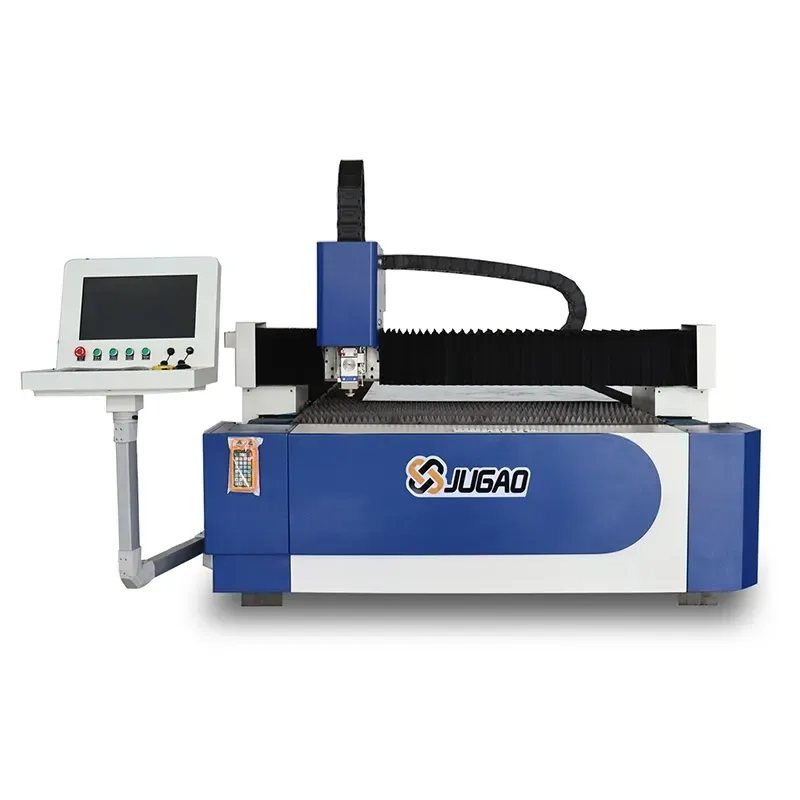
Begin diagnosis by confirming whether the equipment links to a power source with matching specifications. Make certain the circuit load capacity meets the rated power requirement of your JUGAO laser cutter.
Step 2: Carry Out Full Inspection for Earthing Installation
Verify earthing cables are fitted correctly with low loop resistance values. A solid earthing framework is critical for suppressing leakage current and eliminating electrical instability risks.
Step 3: Perform Condition Check for Electronic Assemblies
Examine laser power supply modules, servo drive units and main control circuit boards. Watch for tell‑tale signs such as component burnout, overheating marks and physical damage. Replace defective spare parts immediately once spotted.
Step 4: Measure and Validate Input Voltage Consistency
Utilize multimeter tools to track voltage fluctuation range during machine runtime. If voltage instability is detected, fit voltage stabilizers or matching transformers for corrective action.
Step 5: Complete Dust Removal for Electric Control Enclosure
Metal debris and dust building up inside the electrical cabinet raise short‑circuit hazards. Routine internal cleaning effectively reduces the probability of unexpected tripping protection activation.
Long‑Run Stabilization via Preventive Servicing
Scheduled Periodic Electrical System Audits
It is advised to inspect wiring connections, terminal blocks and earthing points at least on a monthly cycle.
Deploy Reliable Power Regulation Hardware
Fitting voltage stabilizers or industrial‑grade UPS equipment can greatly mitigate troubles caused by grid voltage swings.
Sustain Tidy and Dry Operating Surroundings
Maintain clean, dry surroundings around laser machinery. This measure helps avoid electric leakage incidents and premature electronic component failure.
Frequently Asked Questions
What leads to repeated tripping right upon laser machine startup?
This phenomenon mostly originates from large inrush current at power‑on moment, defective power‑related components or insufficient circuit load capacity.
Will defective earthing setup result in laser unit power tripping?
Absolutely yes. Poor earthing performance counts as one major source of erratic electrical behaviour and protective shutdown.
What practical approaches can lower future tripping occurrences?
Core preventive measures contain periodic equipment maintenance, qualified earthing construction, stabilized input voltage, as well as regular cleaning work inside electrical cabinets.
Closing Remarks
Swift resolution for laser machine tripping faults calls for structured troubleshooting workflows. The inspection sequence covers power load evaluation, electronic hardware examination and earthing system validation. Following these operational steps enables you to restore stable equipment status and reduce unplanned production halt duration.
Consistent electrical maintenance work lays the foundation for long‑term reliability and processing efficiency. If tripping failures persist after troubleshooting steps, please get in touch with the JUGAO technical support team for professional guidance.
Contact Us