
How to Prevent Laser Cable Wear and Extend Cable Service Life
2026-08-22

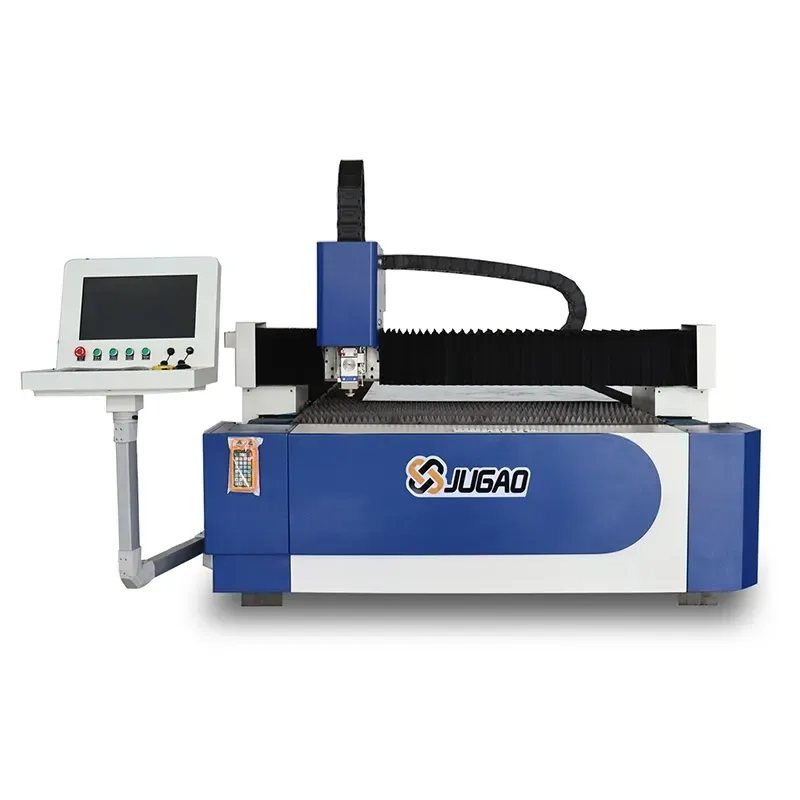
Laser cutting machines depend on a complex network of power and signal cables to maintain stable operation. Because many of these cables move continuously with the cutting head and other machine components, they are repeatedly exposed to bending, friction, vibration, heat, and contamination.
Over time, these operating conditions may damage the cable insulation or internal conductors, eventually causing unstable machine performance or unexpected downtime.
Fortunately, most cable-related problems can be reduced through proper installation and routine preventive maintenance. This guide explains the main causes of laser cable wear and provides a practical step-by-step approach to extending cable service life.
Understanding Laser Cable Wear
Causes of Cable Wear
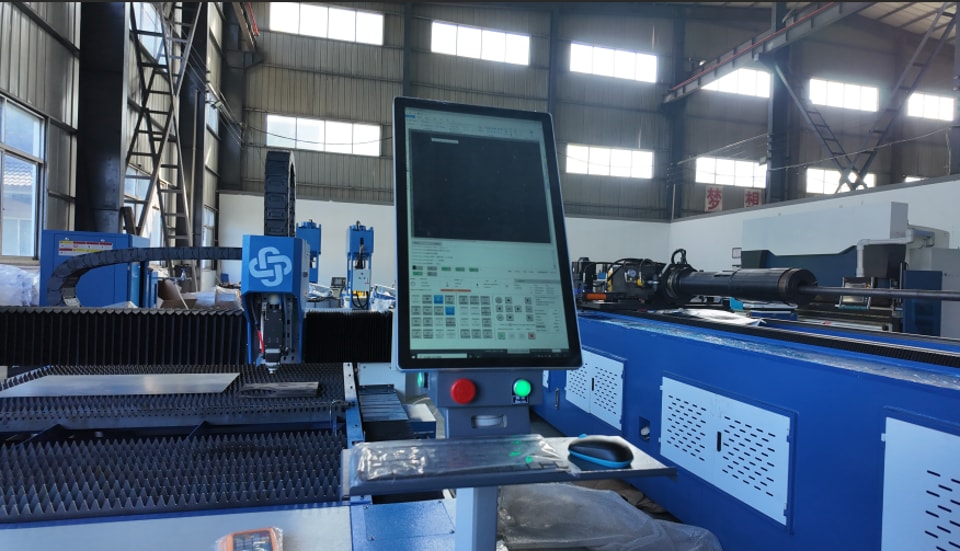
Laser machine cables are responsible for transmitting electrical power and control signals between different components of the equipment. During daily production, cables may repeatedly bend, twist, or move as the laser head travels across the working area.
Improper cable routing, excessive bending, insufficient support, or continuous friction against machine components can gradually damage the cable jacket and internal conductors.
The working environment can also accelerate deterioration. High temperatures, accumulated dust, metal particles, oil, and other contaminants may weaken insulation materials and shorten cable service life.
Understanding where these risks come from makes it easier to establish an effective preventive maintenance strategy.
Effects of Worn Cables
Cable deterioration should not be ignored. A damaged cable may cause several operational problems, including:
· Unstable or interrupted laser power transmission
· Irregular machine movement or performance
· Electrical safety risks caused by damaged insulation or exposed conductors
· Unexpected production interruptions
· Higher repair and replacement costs
Detecting early signs of wear allows maintenance personnel to correct the problem before it develops into a more serious machine failure.
Step-by-Step Guide to Prevent Laser Cable Wear
Step 1: Optimize Cable Routing
Correct routing is one of the most effective ways to reduce mechanical stress on laser cables.
Cables should follow smooth and natural paths throughout the machine. Avoid forcing them around sharp corners or into extremely tight bending radii. They should also be positioned away from locations where moving components could pinch, compress, or continuously rub against them.
Where necessary, cable trays, protective sleeves, or conduits can be installed to provide additional protection.
A well-designed routing path allows the cable to move naturally while reducing unnecessary bending and friction.
Step 2: Install Cable Supports and Drag Chains
Moving cables should not be allowed to hang freely inside the machine.
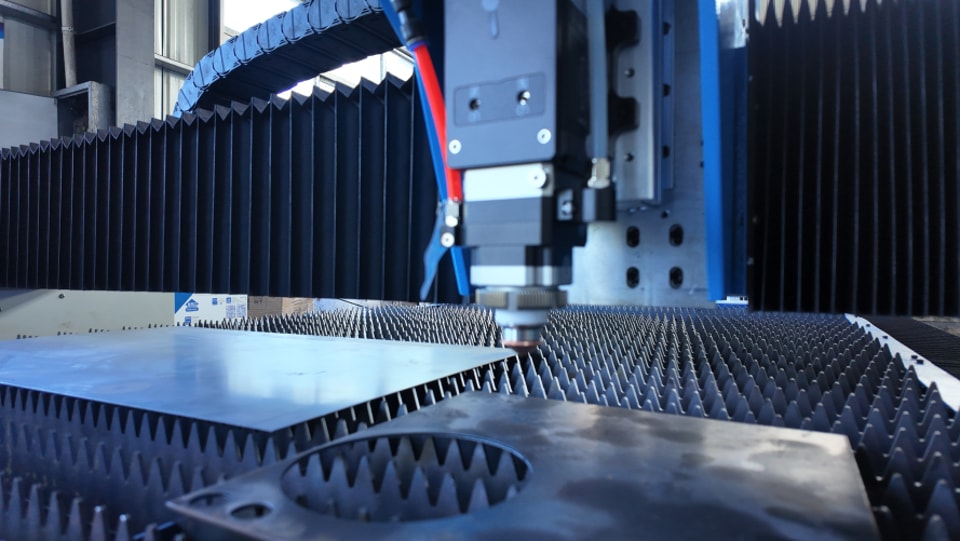
Cable carriers or drag chains can guide cables through a controlled movement path as the laser head travels. This prevents excessive swinging, tangling, twisting, and contact with surrounding mechanical components.
Drag chains are particularly useful on machines with long travel distances or frequent high-speed movements.
When installed correctly, they distribute mechanical stress more evenly and significantly reduce repeated strain on individual sections of the cable.
Step 3: Inspect Cables Regularly
Preventive inspection is much more cost-effective than waiting for a cable to fail during production.
Operators and maintenance personnel should routinely examine cables for visible signs of deterioration. Pay particular attention to:
· Cracked outer insulation
· Fraying or abrasion
· Flattened or compressed sections
· Exposed internal wires
· Loose or damaged connectors
· Areas showing excessive bending
Any cable showing serious damage should be replaced promptly.
Continuing to operate equipment with a compromised cable can increase the risk of signal interruption, electrical problems, and unexpected machine shutdowns.
Step 4: Maintain the Correct Cable Slack
Cable length and tension must be properly balanced.
If a cable is installed too tightly, machine movement can continuously pull on the connectors and internal conductors. This repeated tension may eventually cause premature fatigue or connection failure.
However, excessive slack can create a different problem. Loose cables may become tangled, caught by moving components, or rub against nearby machine parts.
The goal is to leave sufficient free length for the full movement range of the machine while keeping the cable properly controlled.
Correct slack helps minimize stress on both the cable and its connection points.
Step 5: Protect Cables From the Working Environment
Mechanical movement is not the only factor that affects cable life.
Laser cutting environments may contain dust, metal debris, oil, heat, and other contaminants. These substances can gradually damage cable jackets or enter connection areas.
Keeping the machine and surrounding work area clean is therefore an important part of cable maintenance.
Regularly remove accumulated dust and metal particles, and prevent cables from being unnecessarily exposed to excessive temperatures, oil, or aggressive chemicals.
Maintaining suitable operating conditions helps preserve insulation performance and reduces premature aging.
Step 6: Train Machine Operators
Even a properly installed cable system can suffer premature wear if operators handle it incorrectly.
Operators should understand basic cable protection practices, including:
· Avoiding unnecessary pulling or twisting
· Maintaining the correct routing path
· Checking cables during routine machine inspections
· Reporting visible damage immediately
· Keeping cable movement areas free from obstructions
Good operating habits can prevent many avoidable cable problems.
For this reason, operator training should be considered an important part of preventive maintenance rather than an optional measure.
Best Practices for Long-Term Cable Life
Following the six steps above can significantly reduce cable wear. However, several additional maintenance practices can further improve long-term reliability.
Choose High-Flex, High-Quality Cables
Cables used in moving sections of laser cutting equipment should be suitable for repeated flexing.
High-flex cables are specifically designed to withstand continuous bending, twisting, and movement while maintaining electrical conductivity and insulation integrity.
Using cables that are not designed for dynamic applications may reduce initial costs, but frequent replacement and machine downtime can make them more expensive over the long term.
Always select cable specifications that match the machine's operating conditions and movement requirements.
Establish a Preventive Maintenance Schedule
Cable maintenance should not depend entirely on whether an operator notices a problem.
Create a documented inspection and maintenance schedule covering cable condition, routing, cleaning, connectors, drag chains, and replacement intervals.
For machines operating continuously or under demanding production conditions, inspection frequency should be increased accordingly.
A structured maintenance program makes it easier to identify gradual deterioration before it causes an unexpected breakdown.
Monitor Machine Operating Conditions
Changes in machine performance may provide early indications of cable problems.
Pay attention to unusual fluctuations in laser power, intermittent communication faults, unstable machine movements, or unexplained error messages.
Where available, use the machine's diagnostic and monitoring functions to help identify abnormal electrical or communication behavior.
Early investigation of these warning signs can prevent minor cable wear from developing into a major failure.
FAQs
How frequently should laser machine cables be checked?
A basic visual inspection can be performed weekly, while a more detailed examination is recommended approximately once a month.
Machines operating for long hours, at high speeds, or in demanding industrial environments may require more frequent inspections.
Can cable damage influence laser cutting quality?
Yes.
Damaged power or signal cables may interrupt electrical transmission or communication between machine components. This can result in unstable laser output or inconsistent machine operation, which may ultimately affect cutting accuracy and finished-part quality.
Does every laser cutting machine require a drag chain?
Not necessarily.
However, cable carriers and drag chains are highly beneficial for cables that move repeatedly during machine operation. They are especially valuable on machines with long-axis travel, frequent motion, or high operating speeds.
By controlling the cable movement path, drag chains can substantially reduce bending, friction, and mechanical fatigue.
Conclusion
Preventing laser cable wear is an important part of maintaining reliable and efficient laser cutting equipment.
Proper cable routing, controlled movement through cable carriers, routine inspections, suitable cable slack, environmental protection, and operator training can all help reduce premature deterioration.
For long-term reliability, manufacturers and machine users should also select appropriate high-flex cables, establish a preventive maintenance schedule, and pay attention to changes in machine performance.
A relatively small amount of routine cable maintenance can prevent unexpected downtime, reduce repair expenses, and help maintain stable cutting performance throughout the machine's service life.
If you need additional guidance on laser cutting machine operation, maintenance, troubleshooting, or equipment selection, the JUGAO team can provide professional technical support and practical solutions for your production requirements.
Contact Us