
How to Perform Precise Pipe Bending in Heavy Machinery?
2026-06-11

In the manufacture of heavy machinery (excavators, cranes, loaders, etc.), pipe bending directly affects the reliability of hydraulic systems, fuel lines, and structural frames. A mere 1-degree bend in a pipe can lead to oil leaks under high pressure, or even equipment shutdown. The following details how to achieve high-precision pipe bending from four dimensions: equipment, process, materials, and quality inspection.
I. Commonly Used Pipe Bending Equipment
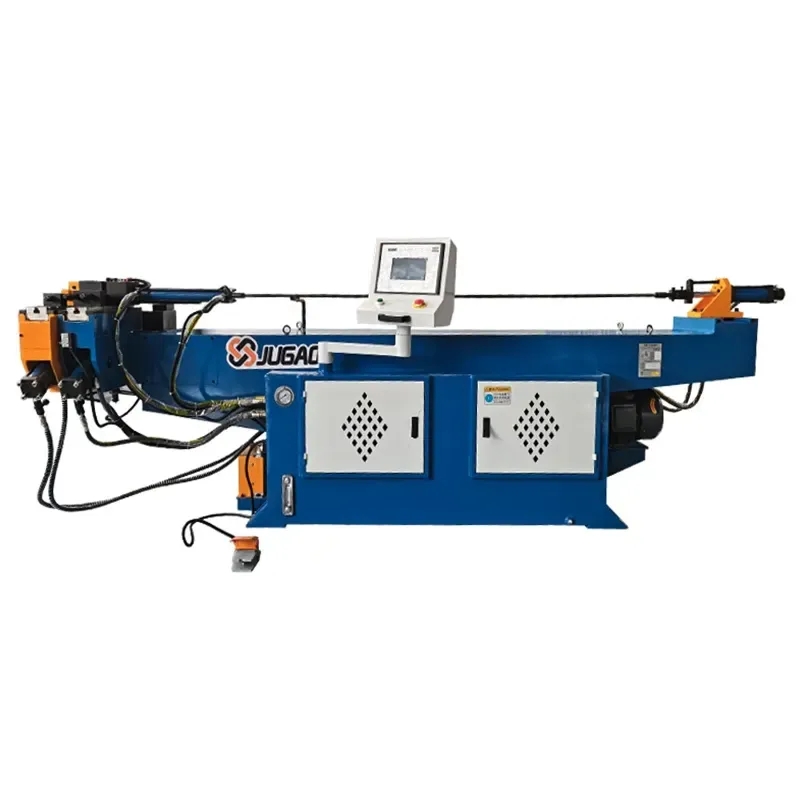
CNC Pipe Bending Machine: High degree of automation, suitable for batch repetitive production, with stable precision.
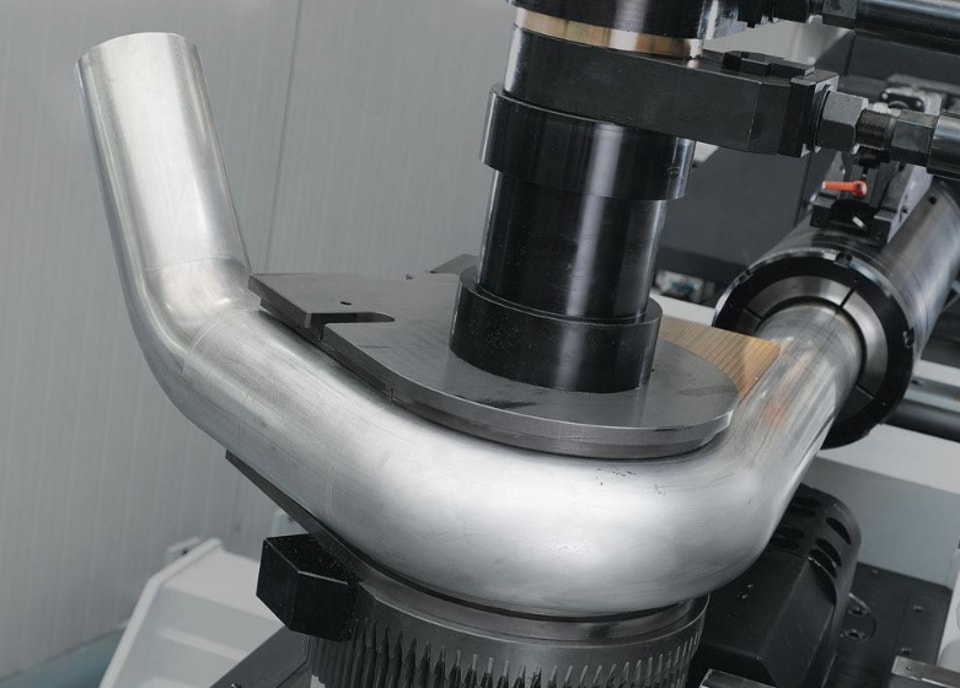
Mandrel Pipe Bending Machine: Uses a mandrel to support the pipe wall from the inside, preventing collapse and wrinkling when bending thin-walled pipes or small-radius pipes.
Rotary Stretching Bending Machine: Suitable for structural components with complex cross-sections or special shapes, offering precise control.
II. Six Steps to Precise Pipe Bending
1. Preparation: Clean the pipe surface thoroughly, removing burrs, rust, or oil. Check that the machine base is level and the mold is securely installed—failing to do this foundational work will render everything else useless.
2. Choosing the Right Mold: The radii of the bending mold, clamping mold, and pressing mold must match the pipe diameter and wall thickness. Heavy machinery typically uses hardened steel molds, which can withstand high stress and are less prone to deformation.
3. Setting CNC Parameters: The CNC system can precisely input the bending angle, rotation angle, and feed length. When setting these parameters, factor in the material's springback value to ensure consistent bending results each time.
4. Adjusting the Mandrel Position: When bending thick-walled or thin-walled pipes, the mandrel should be placed appropriately behind the bending point to support the inner wall and prevent collapse and wrinkling.
5. Trial Bending and Fine-tuning
After the first trial bend, check the dimensions using a digital angle gauge or coordinate measuring machine. If there are deviations in angle or radius, fine-tune in the control system until it meets the requirements.
6. Quality Control
After bending is complete, inspect the dimensions and surface quality, and perform pressure tests if necessary. Advanced systems can even use software to compare the measured pipe shape with the CAD model, leaving no stone unturned even for minor deviations.
III. Key Factors Affecting Accuracy
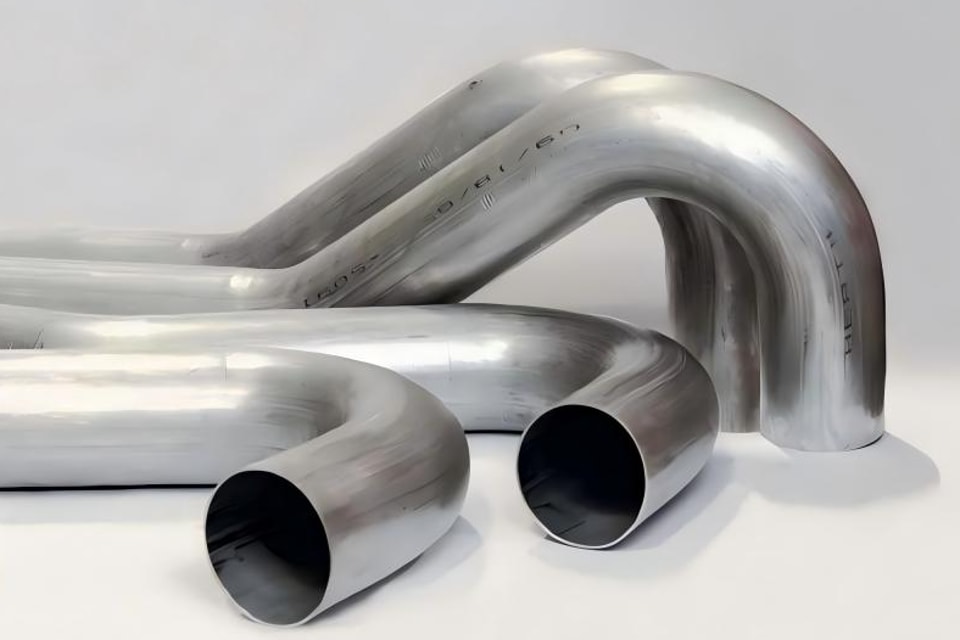
Material Characteristics: Carbon steel, stainless steel, and aluminum have different springback values. Compensation values must be remeasured each time a new material is used.
Temperature and Lubrication: Using a good lubricant reduces friction and prevents surface cracking. For thick-walled or large-diameter pipes, maintaining a stable temperature helps material flow.
Machine Calibration: Regularly inspecting bends, hydraulic systems, and servo motors is essential for maintaining long-term accuracy.
IV. Common Problems and Solutions
Q: How to ensure every pipe is bent the same way?
A: Use a CNC pipe bending machine with real-time feedback, calibrating it before each production run. Maintain consistency in mold and material preparation.
Q: How to prevent wrinkling or flattening during pipe bending?
A: Thin-walled pipes must use a mandrel and anti-wrinkle mold. Simultaneously adjust the clamping force and bending speed to achieve stress balance.
Q: What materials are most commonly used in heavy machinery?
A: Primarily carbon steel and stainless steel, due to their high strength and corrosion resistance. Aluminum is also used where weight reduction is needed.
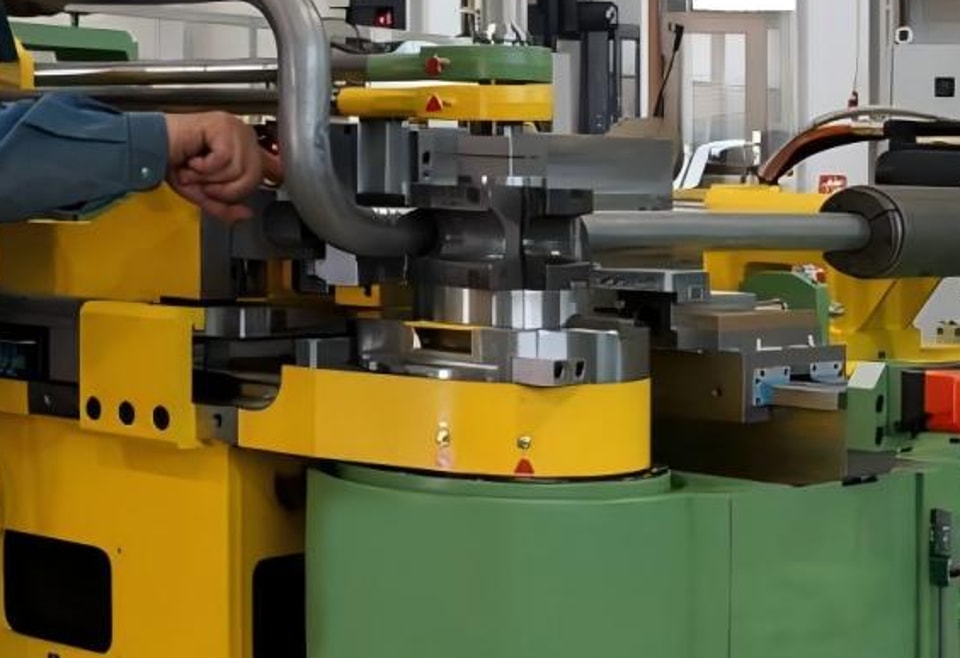
In the field of heavy machinery, the precision of pipe bending directly determines the reliability and safety of the equipment. From cleaning the pipe, selecting the right mold, and setting CNC parameters, to adjusting the mandrel, trial bending and fine-tuning, and strict quality inspection, every step must be done properly to produce high-quality pipe fittings that meet engineering standards.
If you're looking to optimize your production line or explore advanced pipe bending solutions, JUGAO offers a range of CNC and NC pipe bending machines designed for precision, efficiency, and durability. Contact our engineering team today to learn how we can help you increase your production capacity.
Contact Us