 Get a quote
Resources
How to Perform Laser Cutting Bed Cleaning Effectively
Introduction
Keeping the laser cutting bed clean is essential for stable cutting accuracy and equipment reliability. Metal dust, slag and residue can influence material positioning, cutting quality and workplace safety. This JUGAO guide explains the importance of cleaning and provides a complete maintenance procedure.
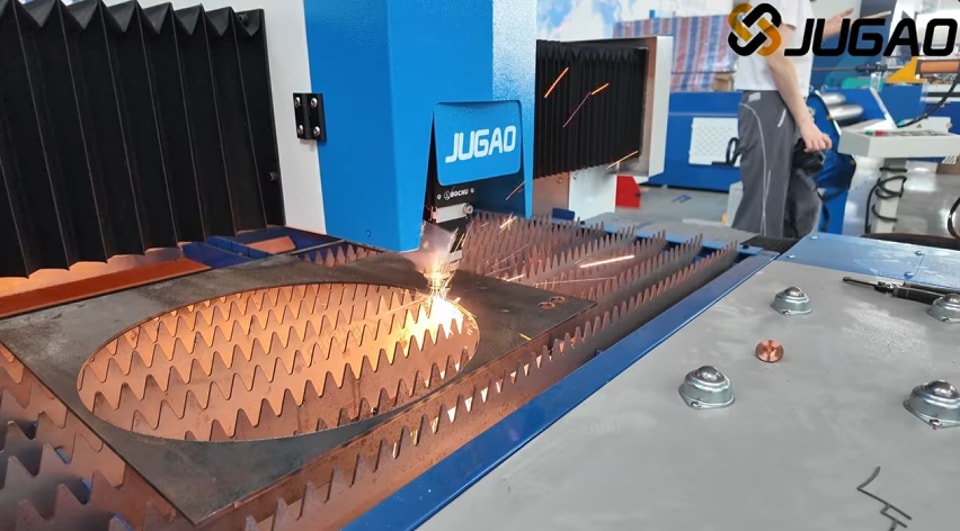
Why Regular Laser Cutting Bed Cleaning is Important
Preventing Debris Accumulation: Metal particles and cutting residues can build up on the bed surface, affecting material placement and reducing cutting consistency.
Enhancing Laser Performance: A clean working platform helps maintain stable laser processing and prevents contamination from affecting production quality.
Minimizing Fire and Safety Risks: Residual debris may increase the risk of sparks causing ignition. Regular cleaning improves overall operating safety.
Step-by-Step Guide for Laser Cutting Bed Cleaning
Step 1: Power Down and Secure the Machine
Turn off the laser cutting machine and disconnect power before cleaning to prevent accidental activation.
Step 2: Remove Loose Debris
Use a soft brush or vacuum to remove metal dust, scraps and slag. Avoid spreading fine particles into sensitive machine areas.
Step 3: Clean the Bed Surface
Use a lint-free cloth with a mild non-abrasive cleaner for stubborn residue. Clean carefully to avoid scratches that could affect cutting accuracy.
Step 4: Inspect and Maintain Bed Components
Check cutting slats, honeycomb grids and support structures for wear or deformation. Replace damaged parts to maintain a stable cutting surface.
Step 5: Reassemble and Test
Reinstall components correctly and perform a test cut on scrap material to confirm proper positioning and cutting performance.
Best Practices for Ongoing Maintenance
Create a regular cleaning schedule based on production volume. Use protective equipment, avoid harsh chemicals and keep replacement bed components available to reduce downtime.
FAQ
How often should I clean my laser cutting bed?
Cleaning frequency depends on production intensity. Heavy production requires more frequent cleaning.
Can I use compressed air?
It is not recommended because fine particles may enter sensitive machine areas.
What cleaner should I use?
Use mild non-abrasive cleaners with lint-free cloths.
Conclusion
Regular laser cutting bed cleaning improves precision, safety and equipment lifespan. By following proper cleaning procedures and preventive maintenance, JUGAO users can maintain reliable cutting performance.
Related
Keep
reading.
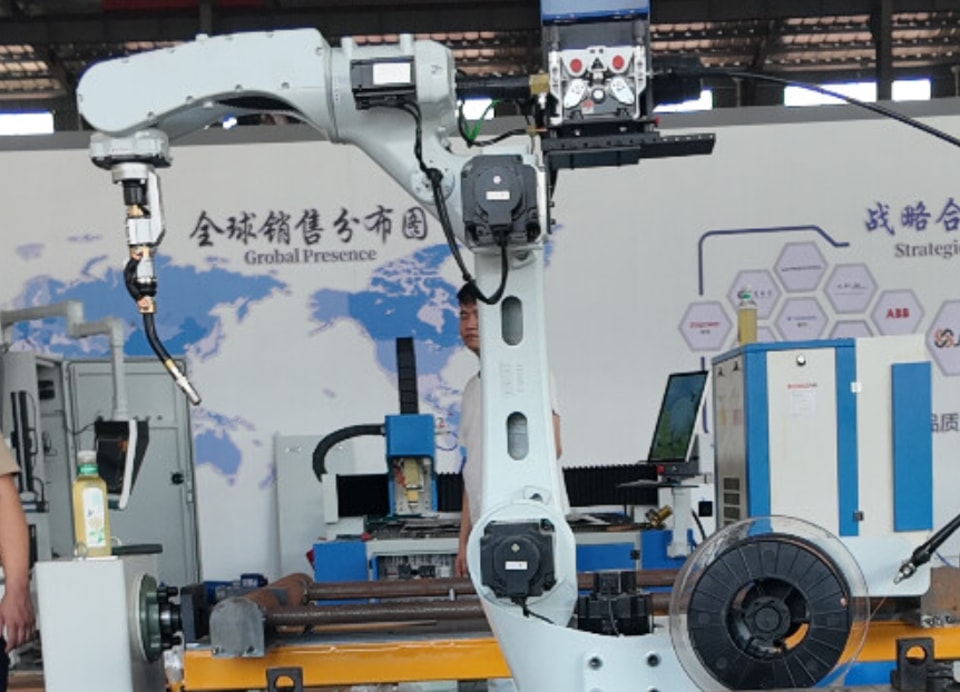 Comparison of Laser Welding Results and Application Scenarios Across Different Materials
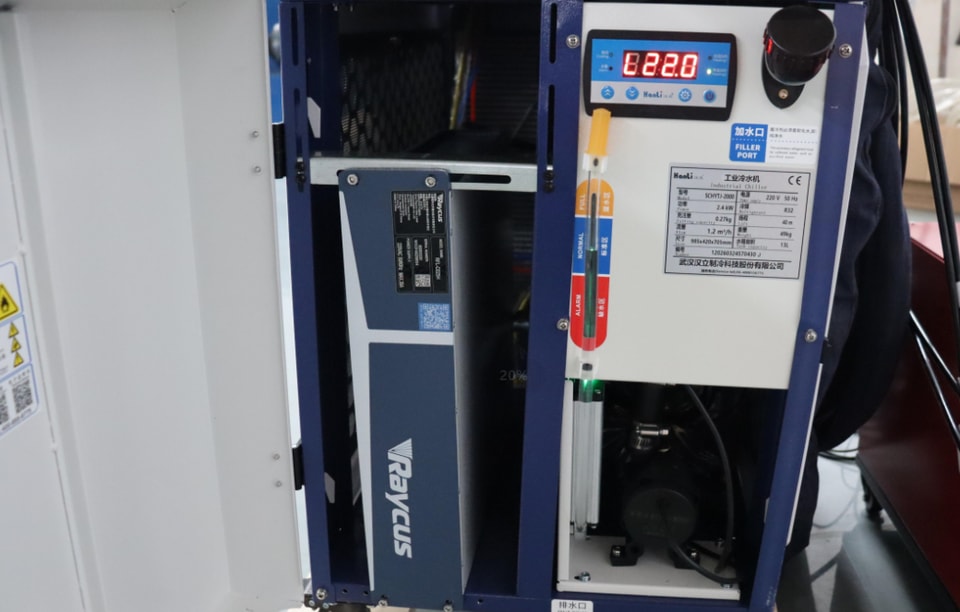 How to Choose Between Air-Cooled and Water-Cooled Laser Welding Systems
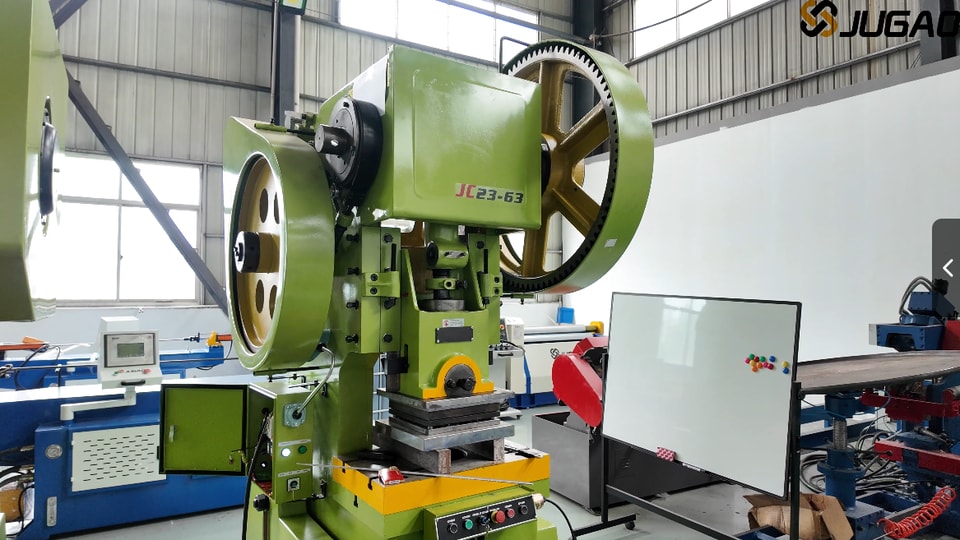 Understanding Punching Machines: Principles, Types, and Selection
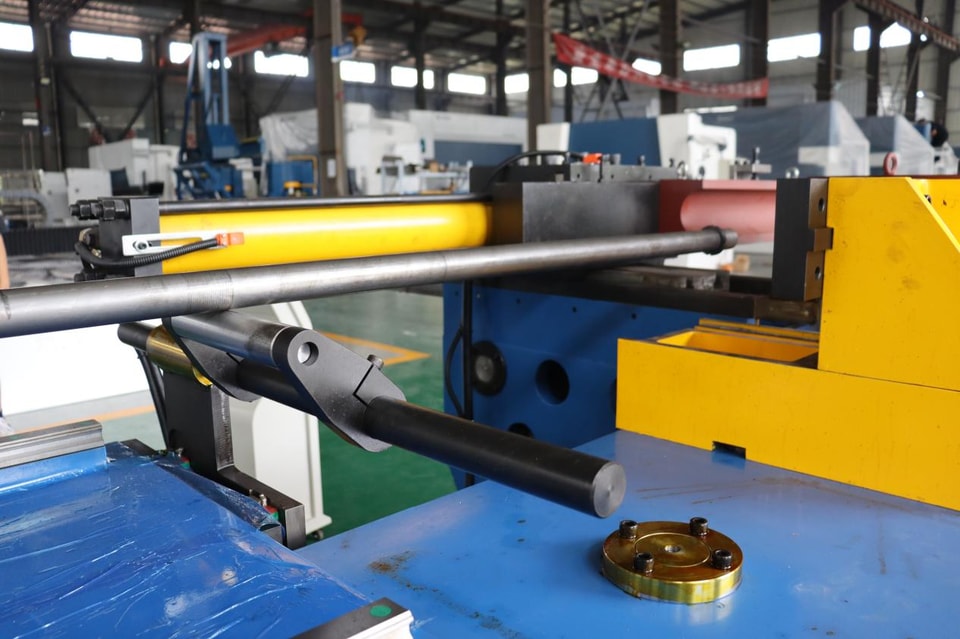 How can one effectively follow the installation guidelines for a pipe-bending machine?
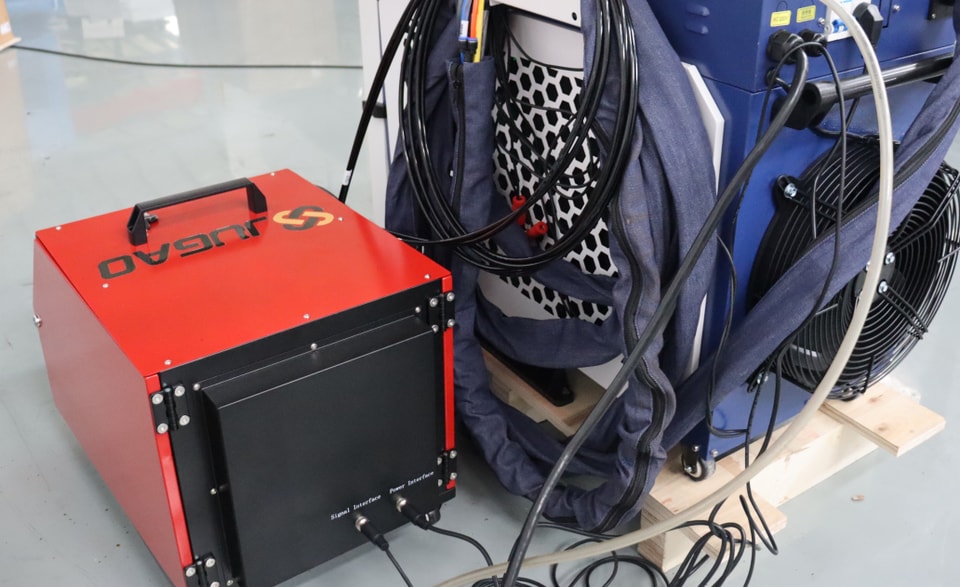 For which types of products is an automatic wire-feeding laser welding machine suitable?
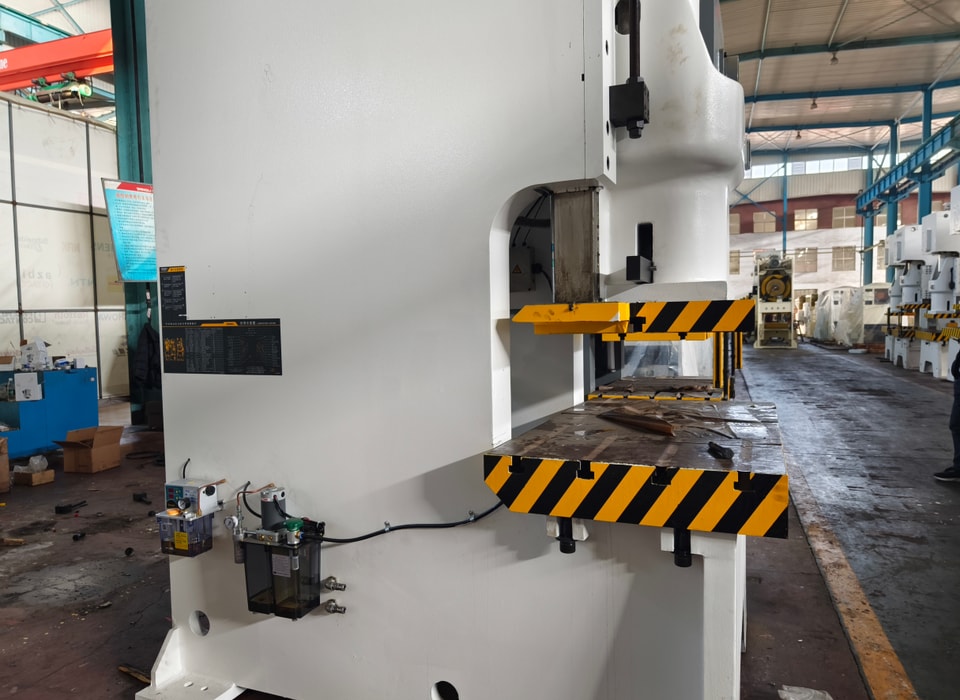 What Are the Latest Punching Machine Trends and Technological Breakthroughs?
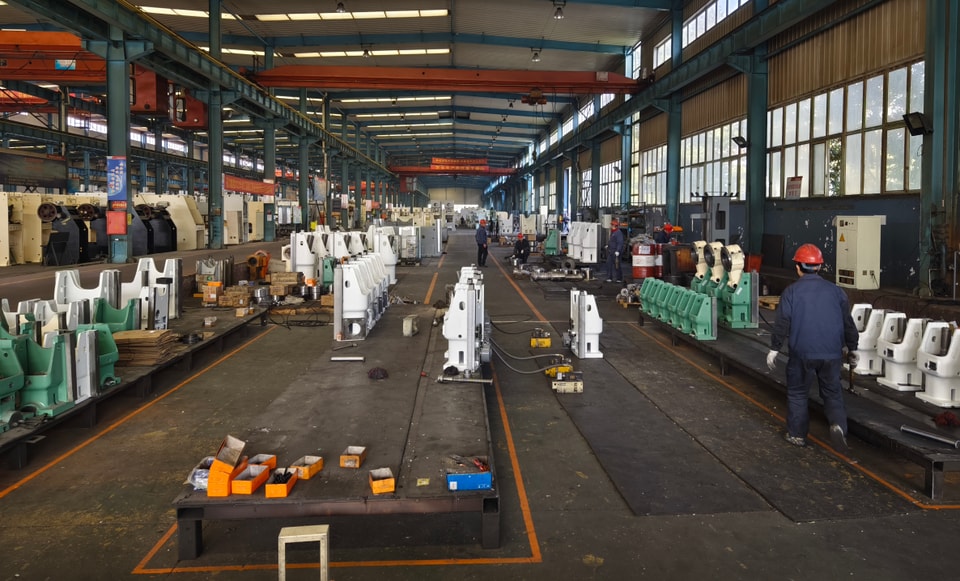 What Triggers Punching Machine Noise and How Can You Quieten It?
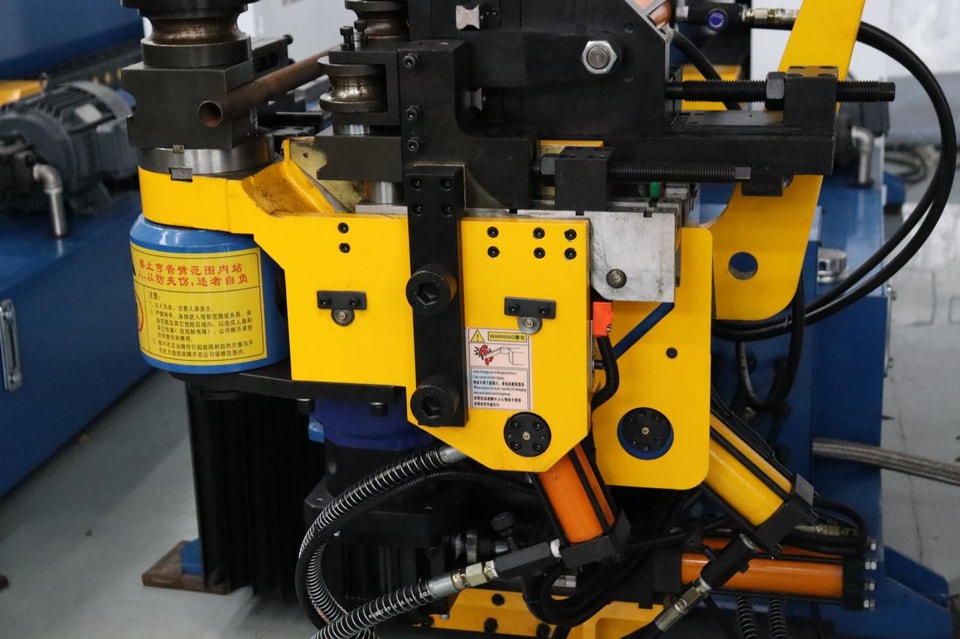 What factors influence the replacement cycle of wear parts in a pipe-bending machine?
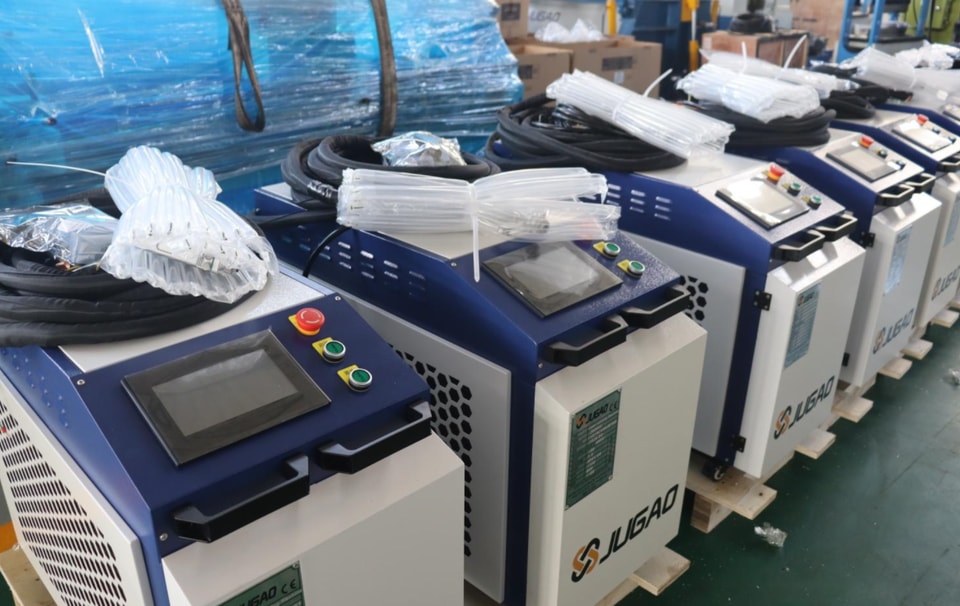 Beyond price, what key parameters should you consider when purchasing welding equipment?
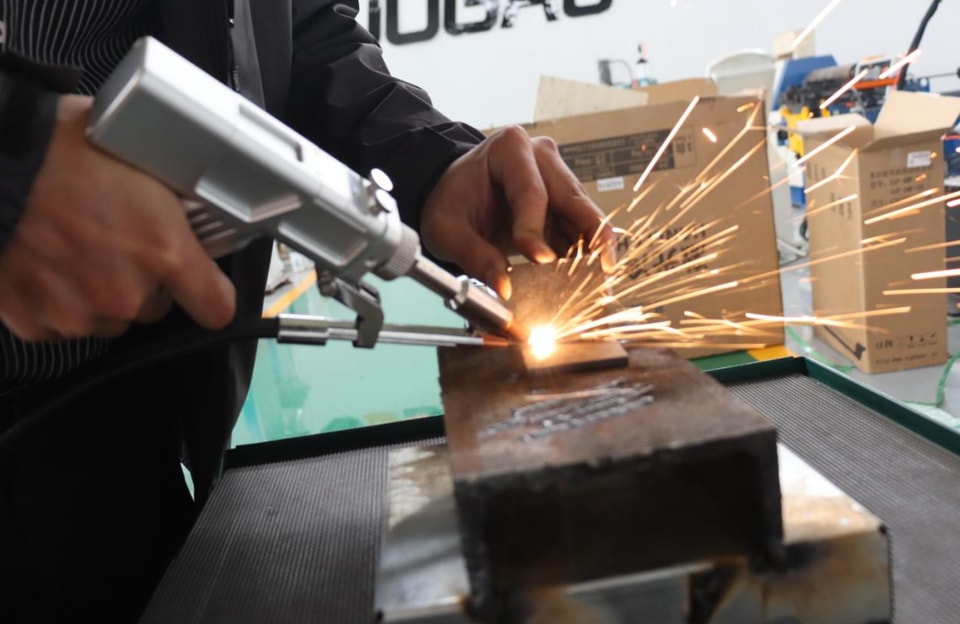 4 Common Methods for Inspecting Weld Quality
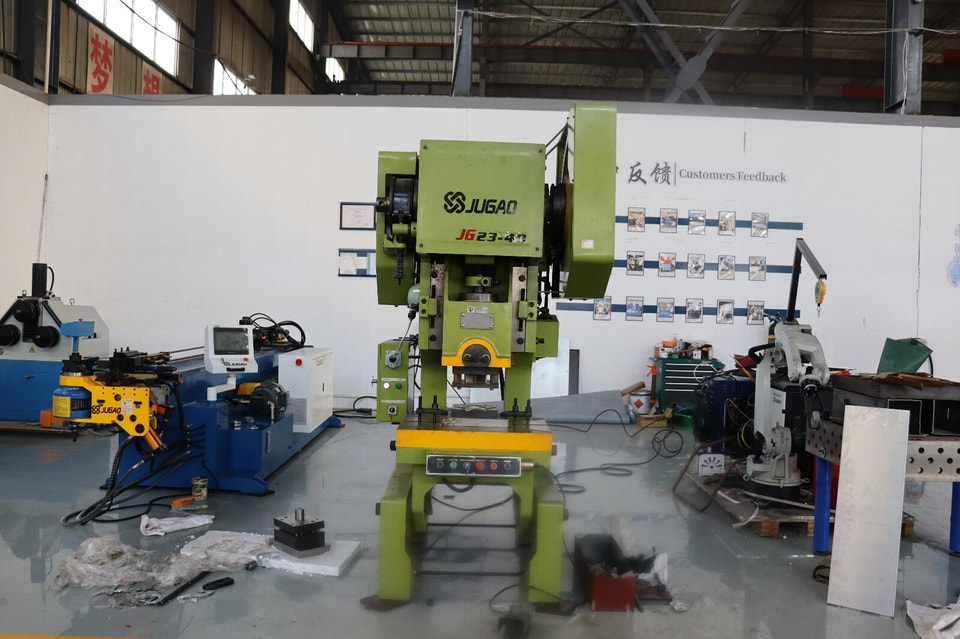 Selecting the Top Punching Machines for Small Workshops & Heavy Industry
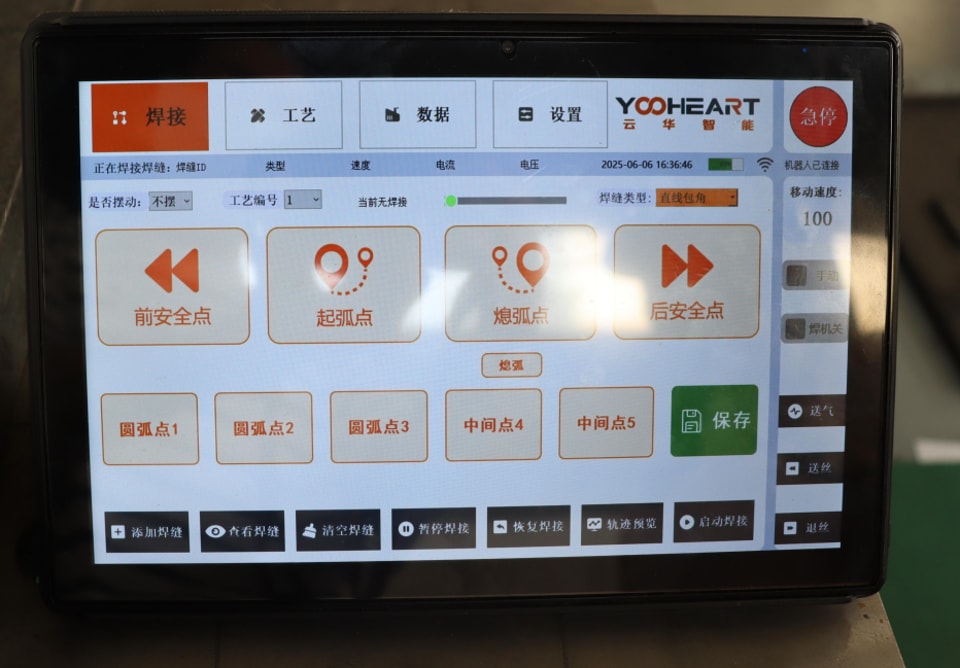 How do you set the welding path for a robotic laser welding machine? Can it perform precise welding on complex workpieces?
Engineering review
Send a drawing.
Get an engineer.
Standard selections answered within 4 hours. Parts outside the rules get a written process review within 24 hours.
- Part drawing: DXF, DWG, STEP or PDF
- Material and thickness
- Longest bend or cut length
- Yearly volume
Write to info@ntjugao.com or message the factory on WhatsApp +86 132 2211 1178.
Drawings (DXF, DWG, STEP, PDF): attach them to an email to info@ntjugao.com, quoting your name.