
How to Maintain Laser Source Efficiency
2026-08-15

Meta Description: Learn how to maintain laser source efficiency through cooling, optics inspection, power monitoring, electrical stability, module maintenance and gas management.
Focus Keyword: laser source efficiency
Secondary Keywords: laser source maintenance; fiber laser maintenance; laser optics cleaning; laser output power monitoring; laser cooling system
Suggested URL Slug: /laser-source-efficiency-maintenance/
How to Maintain Laser Source Efficiency
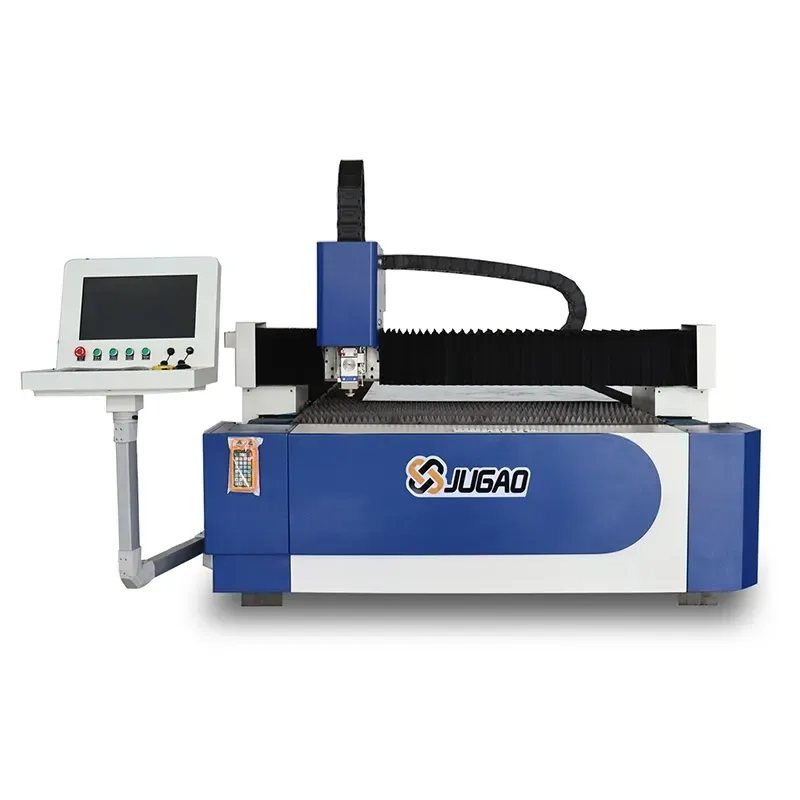
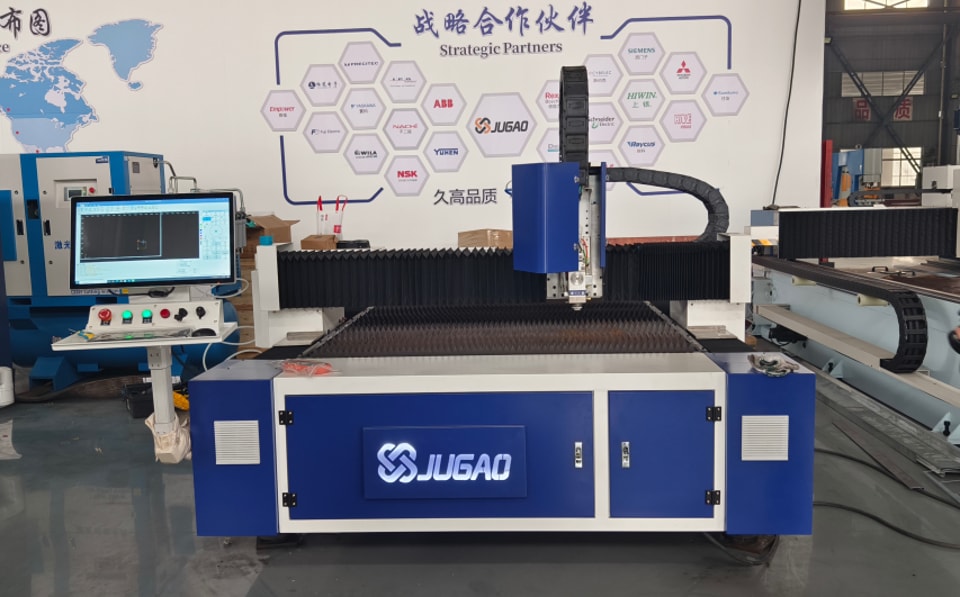
The laser source is one of the most critical systems in a laser cutting machine. Its efficiency influences cutting speed, edge quality, energy use and long-term equipment reliability. When cooling, optics, electrical supply or assist-gas conditions begin to deteriorate, the source may deliver less stable output and require more energy to achieve the same cutting result.
This JUGAO guide follows the original six-step maintenance sequence while fully rebuilding the wording and paragraph structure. The purpose is to help operators and maintenance teams preserve output stability, reduce avoidable energy loss and extend the service life of key laser components.
Table of Contents
1. Why Laser Source Efficiency Matters in Laser Cutting
Impact on Cutting Quality
Energy Consumption and Cost
Equipment Lifespan
2. Step-by-Step Guide to Maintain Laser Source Efficiency
Step 1: Keep the Cooling System in Optimal Condition
Step 2: Regularly Inspect Optical Components
Step 3: Monitor Laser Output Power
Step 4: Maintain Electrical Stability
Step 5: Perform Preventive Maintenance on Laser Modules
Step 6: Ensure Proper Air and Gas Supply
3. Common Laser Maintenance Tips for Long-Term Efficiency
4. FAQs
5. Conclusion
Why Laser Source Efficiency Matters in Laser Cutting
Laser source efficiency determines how effectively electrical energy is converted into usable laser output. A well-maintained source supports stable beam delivery and predictable cutting performance, while efficiency loss can appear as slower processing, inconsistent results and higher operating costs.
Impact on Cutting Quality
When source performance drops, the beam may become less stable or deliver lower effective power at the workpiece. Typical results include rougher edges, incomplete penetration and increased burr formation, especially when cutting thicker materials or operating near the machine's process limits.
Energy Consumption and Cost
A laser source that is operating inefficiently may consume more electrical energy to maintain the same production output. Over time, this raises operating costs and can also increase thermal load on the cooling and electrical systems.
Equipment Lifespan
Stable operating temperature, clean optics and controlled electrical conditions reduce unnecessary stress on internal laser components. This helps protect sensitive parts such as optical elements, diodes and laser modules from premature degradation.
Step-by-Step Guide to Maintain Laser Source Efficiency
Step 1: Keep the Cooling System in Optimal Condition
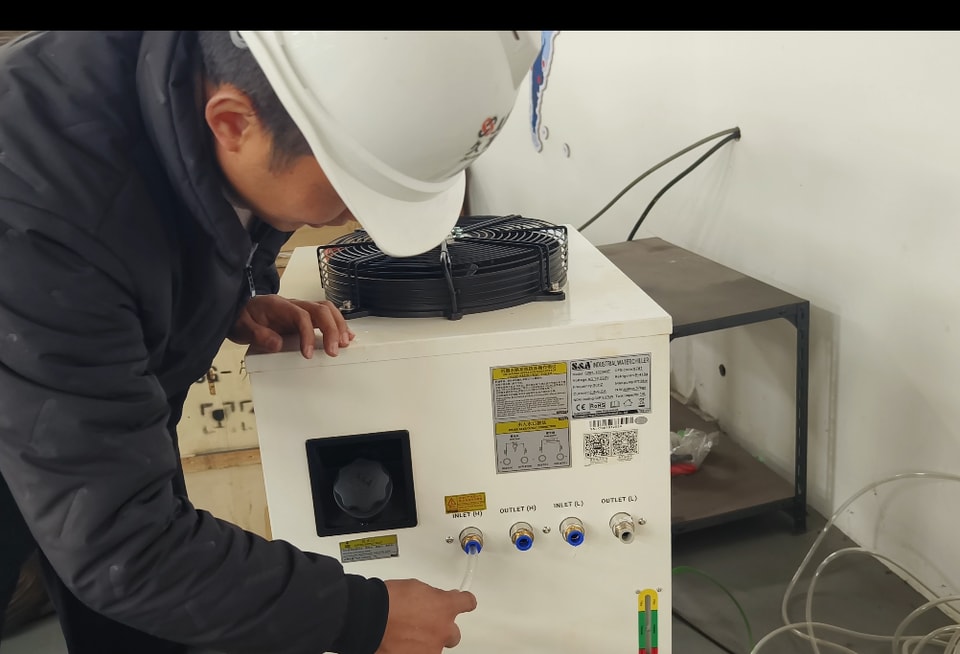
Start with the chiller because temperature control has a direct effect on laser stability. Confirm that the cooling unit operates within the recommended temperature range, the circulating water is clean and free of visible contamination, and filters are replaced at the required intervals. Blocked filters, poor water quality or excessive temperature can reduce heat-transfer efficiency and place additional thermal stress on the laser source. Check hoses and connections for leakage, and follow the coolant and water-quality requirements specified for the JUGAO machine configuration.
Step 2: Regularly Inspect Optical Components
Dust, oil film and other contamination on protective windows, lenses or mirrors can absorb part of the laser energy before it reaches the cutting zone. This reduces usable output and may increase local heating on optical surfaces. Inspect optical components regularly, clean them only with approved tools and solutions, and replace protective windows or other optics that show coating damage, burns, scratches or persistent contamination. Avoid touching optical surfaces directly.
Step 3: Monitor Laser Output Power
Use the machine's built-in diagnostics or an appropriate external laser power meter to track output performance. Compare current readings with the machine's rated or historical operating values rather than relying only on subjective cutting results. A sudden or progressive decrease in output may indicate contamination, thermal problems, module degradation or other internal conditions that require investigation.
Step 4: Maintain Electrical Stability
Stable power input is necessary for consistent laser operation. Voltage fluctuations, poor grounding or electrical surges may disturb source performance and reduce long-term reliability. Where required, use suitable voltage stabilization, grounding and surge-protection measures. Inspect power connections and protective devices as part of routine maintenance, and ensure electrical work is completed by qualified personnel.
Step 5: Perform Preventive Maintenance on Laser Modules
Laser modules naturally age with operating time. Preventive inspection helps detect early signs of declining performance before they become a production problem. Follow the maintenance schedule specified for the installed laser source, review alarm histories and operating data, and arrange professional service when module output or internal diagnostics indicate abnormal conditions.
Step 6: Ensure Proper Air and Gas Supply
Assist-gas condition also influences cutting efficiency. Confirm that compressed air is clean and dry, gas pressure is set correctly and the delivery lines are free from contamination. Poor gas quality or unstable pressure can reduce cutting efficiency and force the laser to work harder to achieve the required result. Regularly inspect regulators, filters and gas-line connections to maintain consistent delivery.
Common Laser Maintenance Tips for Long-Term Efficiency
Routine Cleaning and Inspection
Create daily or weekly inspection routines based on production intensity. Check for dust accumulation, loose connections, cooling abnormalities and unusual system behavior. Early detection makes corrective action easier and helps prevent gradual efficiency loss.
Environmental Control
Keep the laser cutting area clean and control excessive dust, humidity and temperature variation. A stable workshop environment reduces contamination and supports the cooling and electrical systems.
Software and System Updates
Modern laser machines depend on CNC and monitoring software for coordinated process control. Install only approved updates for the machine configuration, and back up operating parameters before changes are made.
Frequently Asked Questions
How can I quickly check laser source efficiency?
Measure the laser output using built-in diagnostics or a suitable laser power meter and compare the reading with the rated or established reference value. A significant unexplained drop should be investigated.
How often should I clean laser optics?
Inspection frequency depends on machine usage and workshop conditions. In production environments, protective optics should generally be checked frequently and cleaned only when contamination is present, using approved procedures.
What are the most common causes of efficiency loss?
Common causes include contaminated optics, inadequate cooling, unstable electrical supply, aging laser modules and poor assist-gas conditions.
Can poor cooling reduce laser output?
Yes. If the source operates outside the intended temperature range, output stability may decline and internal components may experience greater thermal stress.
Why should output power be recorded over time?
Historical power readings make gradual degradation easier to identify and help maintenance teams distinguish a developing source problem from a one-time cutting-parameter issue.
Conclusion
Maintaining laser source efficiency requires more than checking a single component. Cooling performance, optical cleanliness, electrical stability, laser-module condition and assist-gas quality all work together to determine how consistently the machine can deliver usable laser power.
By following the six maintenance steps in sequence and combining them with routine inspection, environmental control and approved system updates, JUGAO users can reduce unnecessary energy loss, maintain cutting consistency and support longer equipment life. For model-specific maintenance requirements or technical assistance, contact the JUGAO technical service team.
Contact Us