 Get a quote
Resources
How to improve the efficiency of tube benders in beverage equipment
When you think of beverage equipment, you might first picture large machines like filling lines and sterilizers. But what truly allows the liquid to flow smoothly within them is the dense network of stainless steel pipes. Pipe bending machines are specifically designed to make this network both hygienic and efficient. The beverage industry differs significantly from other manufacturing sectors—it has virtually zero tolerance for the smoothness of the pipe walls and any dead corners in the system.

Hygiene isn't achieved through washing, it's achieved through design.
What's the biggest fear in beverage production? Microbial contamination. And the easiest places for dirt and grime to accumulate in piping systems are the joints and welds. Traditional methods involve straight pipes with bends and welds, resulting in numerous welds and joints, discontinuous inner walls, and blind spots during cleaning.
Pipes bent in one pass by a pipe bending machine have continuous inner walls, without welds or gaps, leaving no place for bacteria to hide. The smooth inner surface also allows cleaning fluid to thoroughly flow through every inch of the pipe, resulting in better CIP cleaning. For food-grade hygiene standards like 3-A and EHEDG, bent pipe structures are easier to meet than welded structures. In short, hygiene isn't about washing multiple times later, but about designing the pipes correctly from the start.
Higher material utilization naturally leads to lower costs.
Stainless steel isn't cheap, especially food-grade materials like 316L. Traditional pipe bending relies on manual positioning; a slight angle deviation or a slightly flattened pipe ruins the entire piece. CNC pipe bending machines can precisely calculate the bending sequence and leave just the right clamping allowance, significantly reducing waste. In mass production, the savings on stainless steel materials are substantial.

Smoother liquid flow means lower energy consumption.
The quality of pipe bends not only affects hygiene but also flow efficiency. Smoothly bends in the pipe have minimal changes in inner diameter, minimizing turbulence and resistance as the liquid flows. This results in lower pumping energy consumption. Pumps in beverage factories operate 24/7; even slight reductions in resistance at each bend can lead to substantial annual electricity savings. More importantly, a stable flow rate ensures precise mixing ratios for ingredients like syrups and concentrates, preventing fluctuations in flow rate from affecting product consistency.
Modular design relies on the flexibility of pipe bending.
Beverage factories frequently need to change product formulas and adjust production line layouts. Pipe bending machines can quickly customize pipe sections with different angles and radii. Combined with a modular design approach, line modifications only require replacing a portion of the pipes, avoiding a complete overhaul. This flexibility is crucial in the beverage industry because market demands change rapidly, and production line adjustments are commonplace.
In beverage equipment manufacturing, pipe bending machines do more than just bending. It directly determines whether the pipeline system is hygienic, whether the liquid flows smoothly, whether materials can be saved, and whether the production line can be adjusted flexibly. In a sense, the quality of bent pipes determines the bottom line of beverage equipment - because the pipeline system is the blood vessel of beverage equipment. If the blood vessels are not clean and unblocked, the entire system will be affected.
Related
Keep
reading.
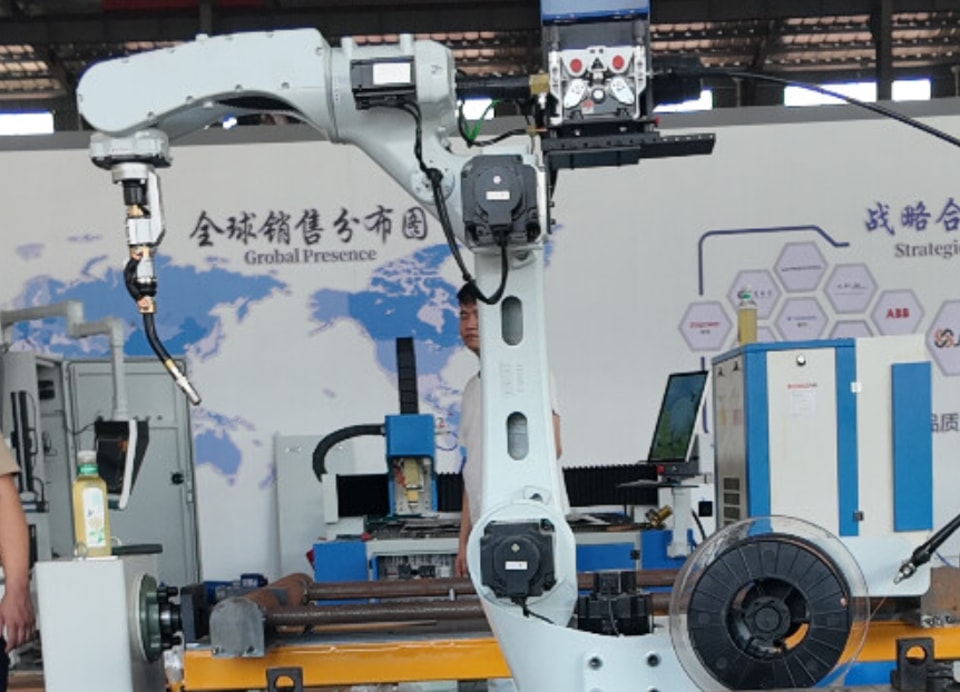 Comparison of Laser Welding Results and Application Scenarios Across Different Materials
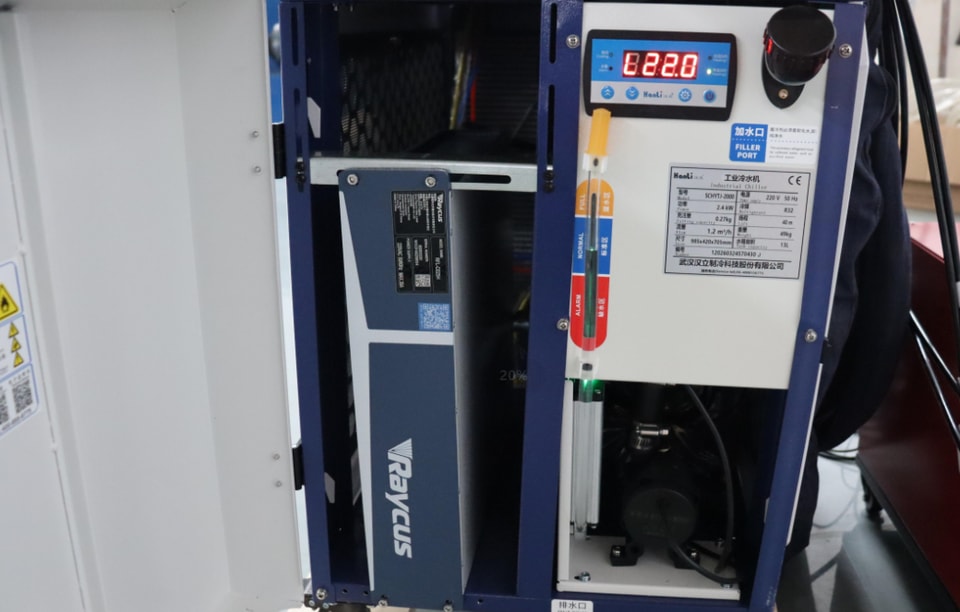 How to Choose Between Air-Cooled and Water-Cooled Laser Welding Systems
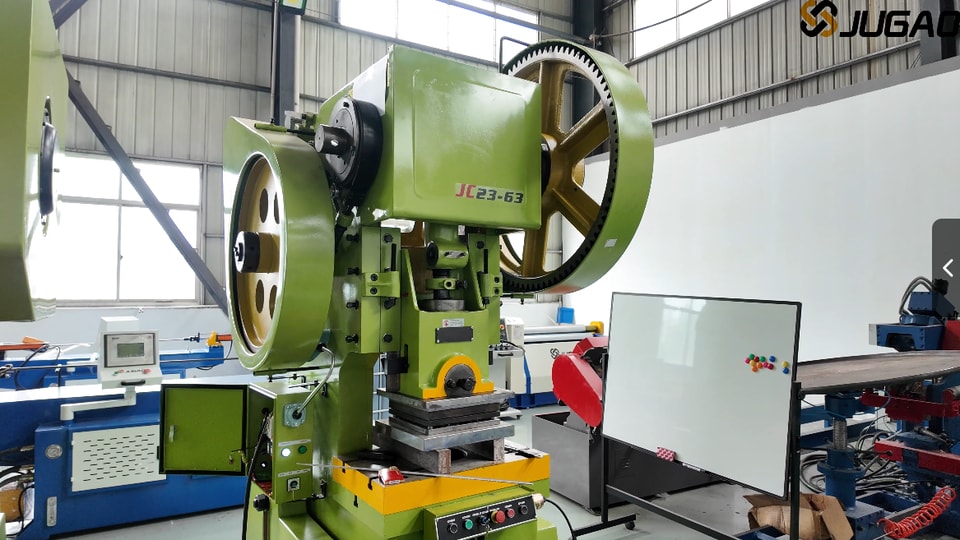 Understanding Punching Machines: Principles, Types, and Selection
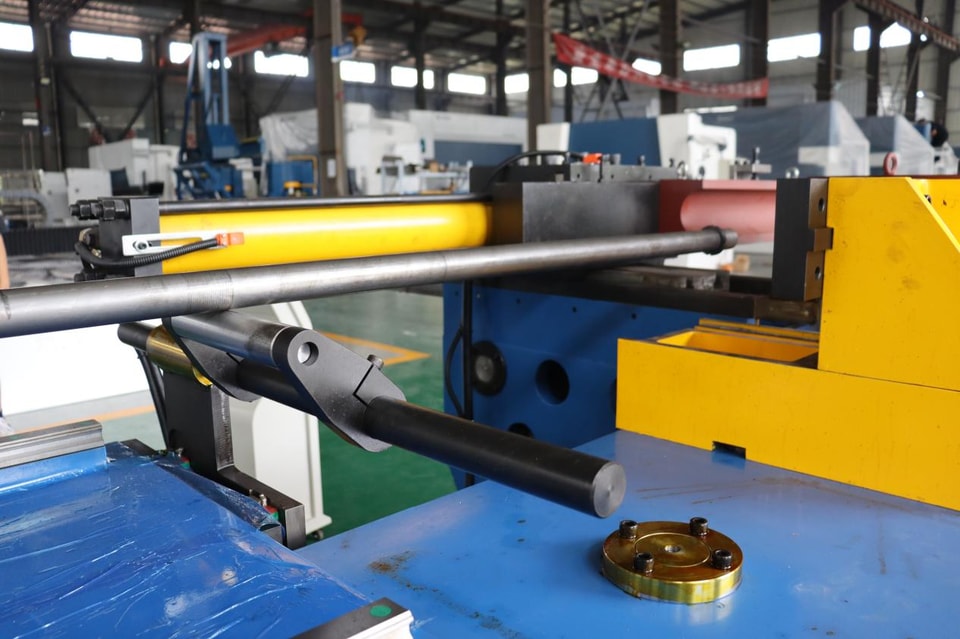 How can one effectively follow the installation guidelines for a pipe-bending machine?
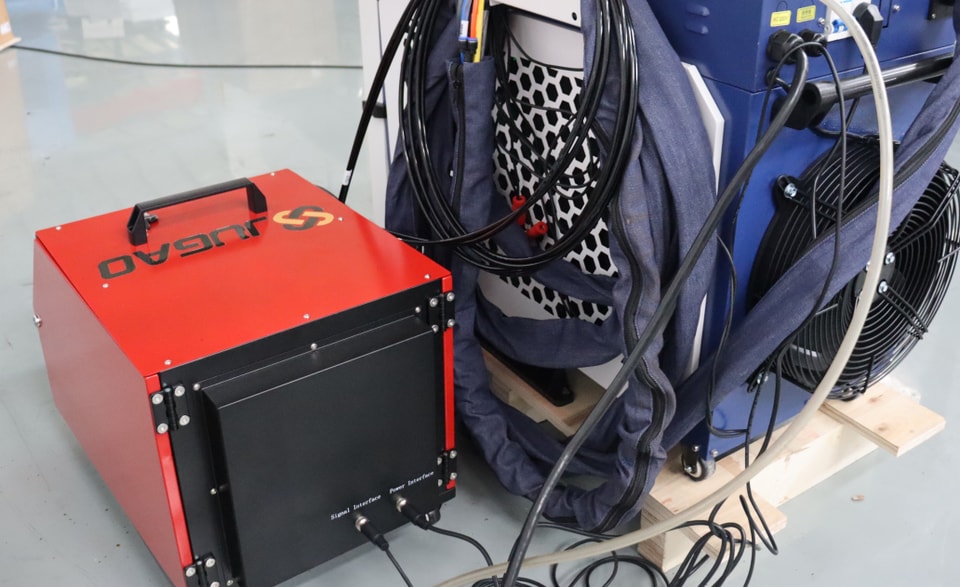 For which types of products is an automatic wire-feeding laser welding machine suitable?
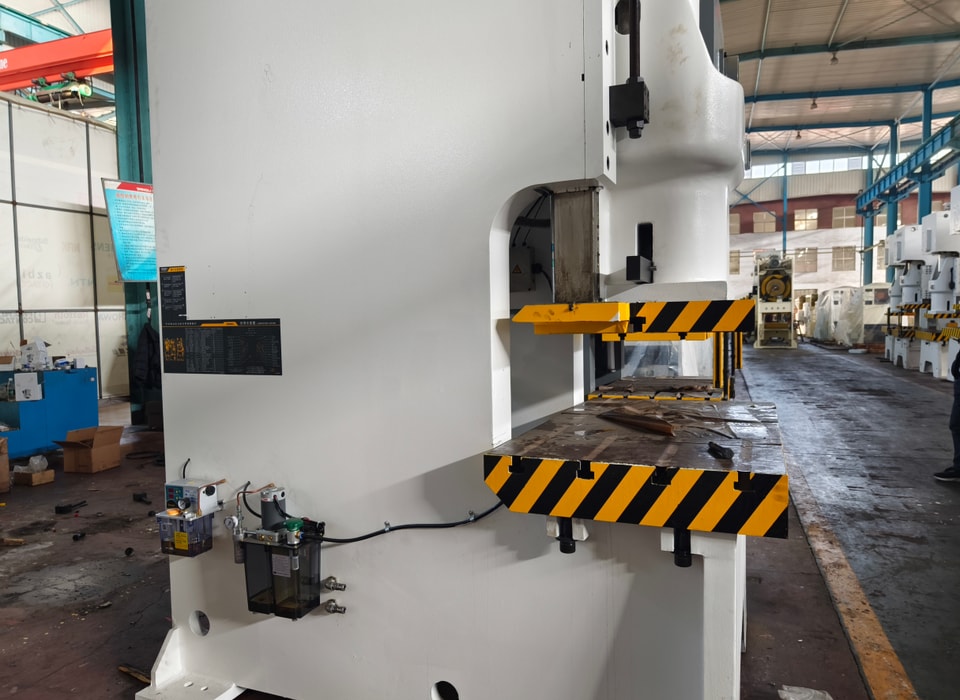 What Are the Latest Punching Machine Trends and Technological Breakthroughs?
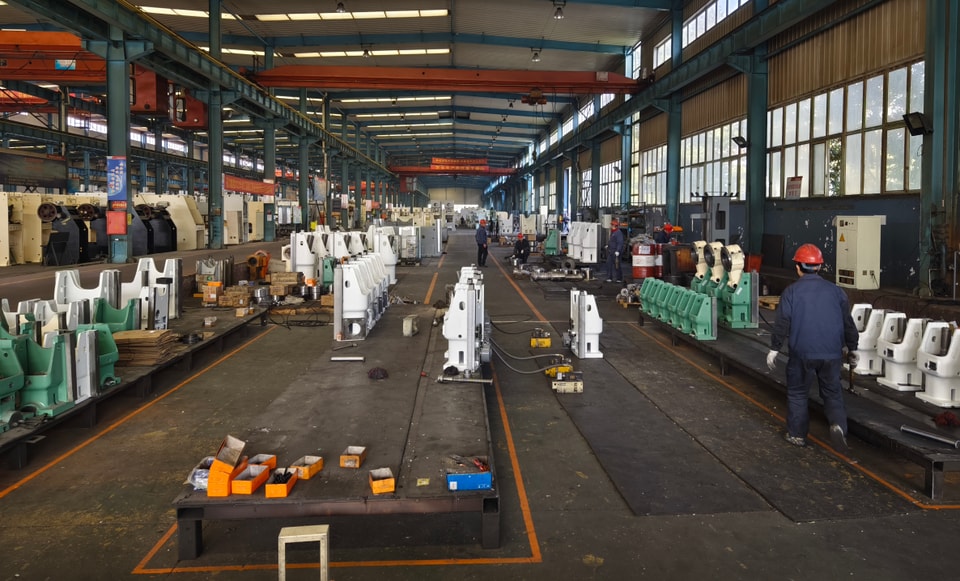 What Triggers Punching Machine Noise and How Can You Quieten It?
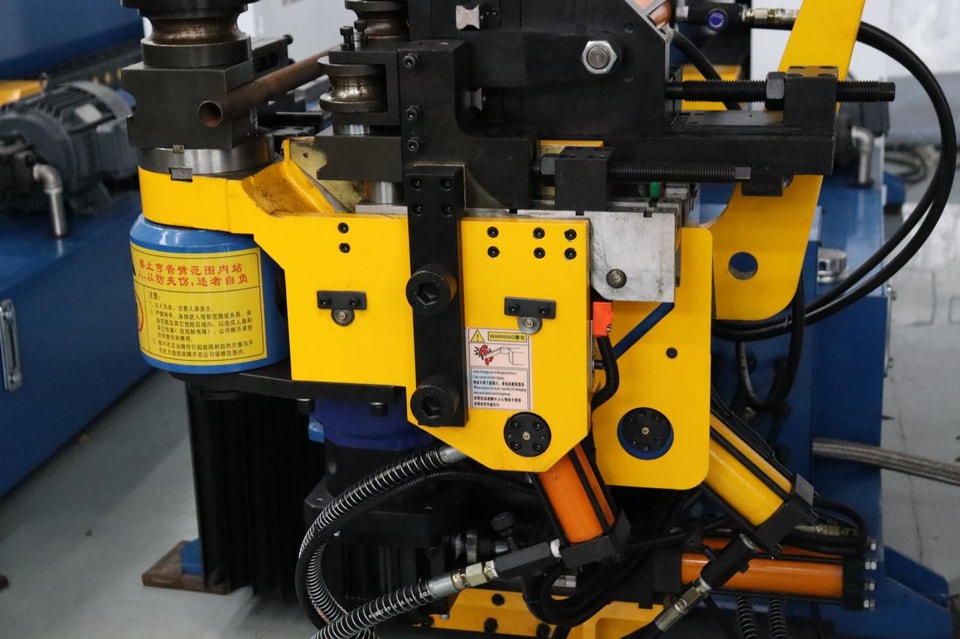 What factors influence the replacement cycle of wear parts in a pipe-bending machine?
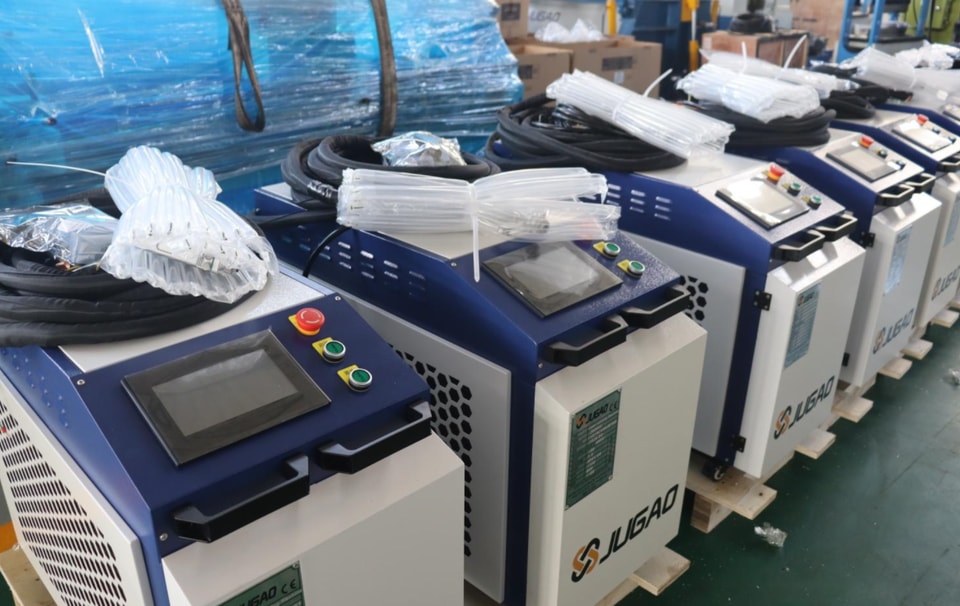 Beyond price, what key parameters should you consider when purchasing welding equipment?
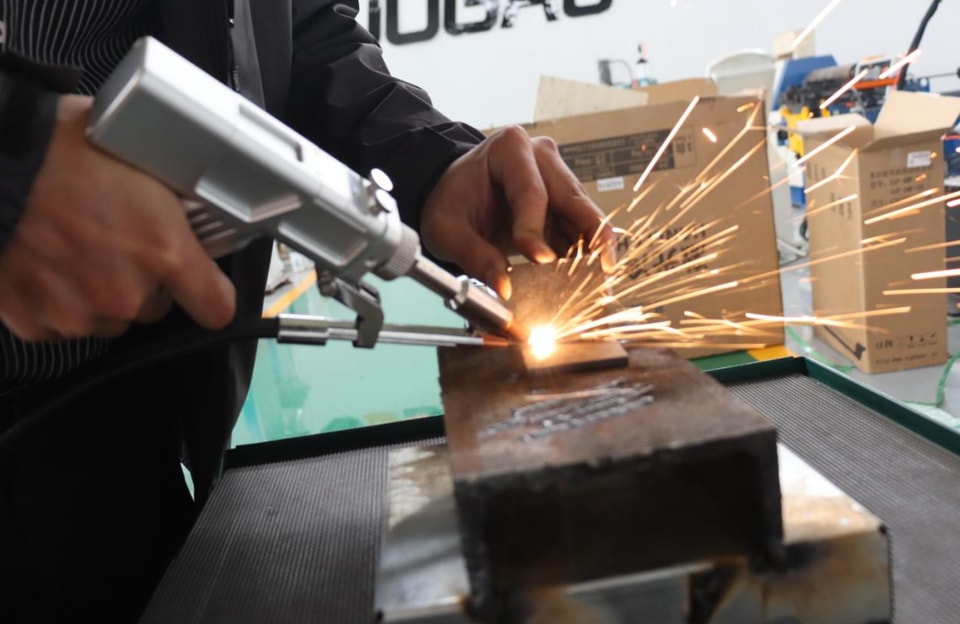 4 Common Methods for Inspecting Weld Quality
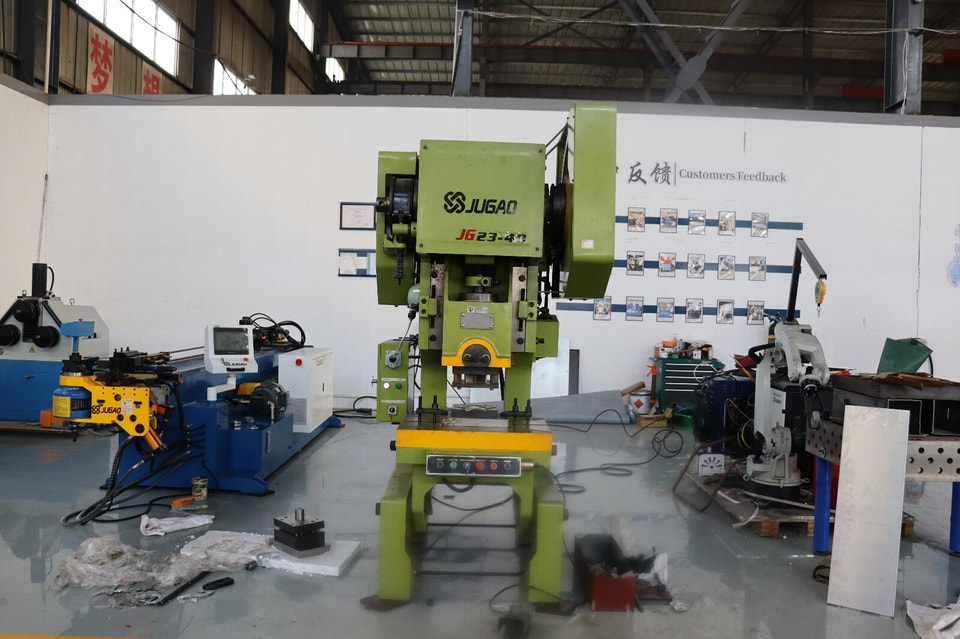 Selecting the Top Punching Machines for Small Workshops & Heavy Industry
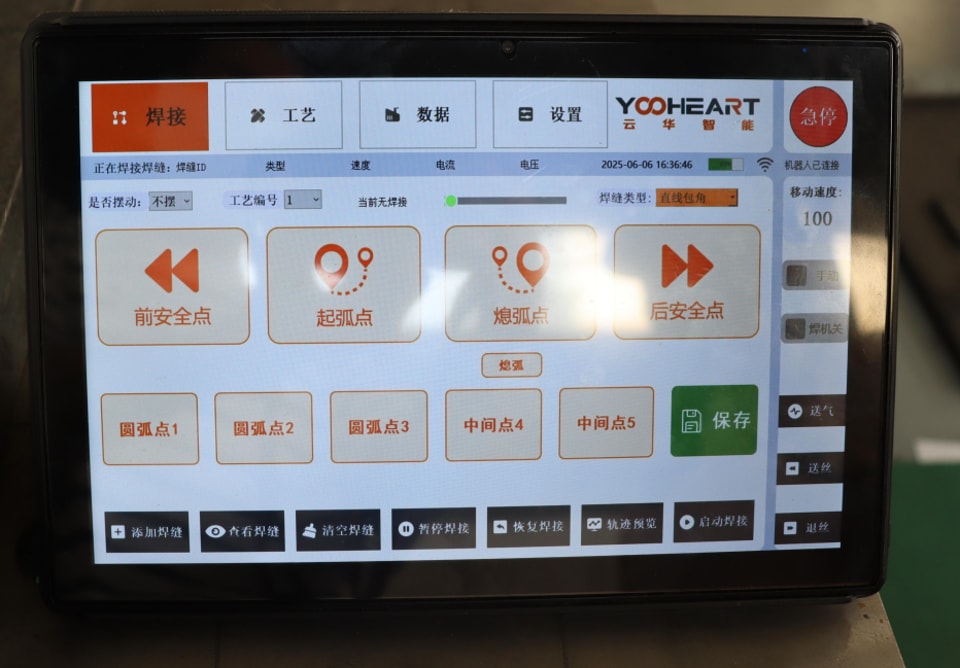 How do you set the welding path for a robotic laser welding machine? Can it perform precise welding on complex workpieces?
Engineering review
Send a drawing.
Get an engineer.
Standard selections answered within 4 hours. Parts outside the rules get a written process review within 24 hours.
- Part drawing: DXF, DWG, STEP or PDF
- Material and thickness
- Longest bend or cut length
- Yearly volume
Write to info@ntjugao.com or message the factory on WhatsApp +86 132 2211 1178.
Drawings (DXF, DWG, STEP, PDF): attach them to an email to info@ntjugao.com, quoting your name.