
How to improve the efficiency of pipe bending machines in material handling equipment?
2026-06-25

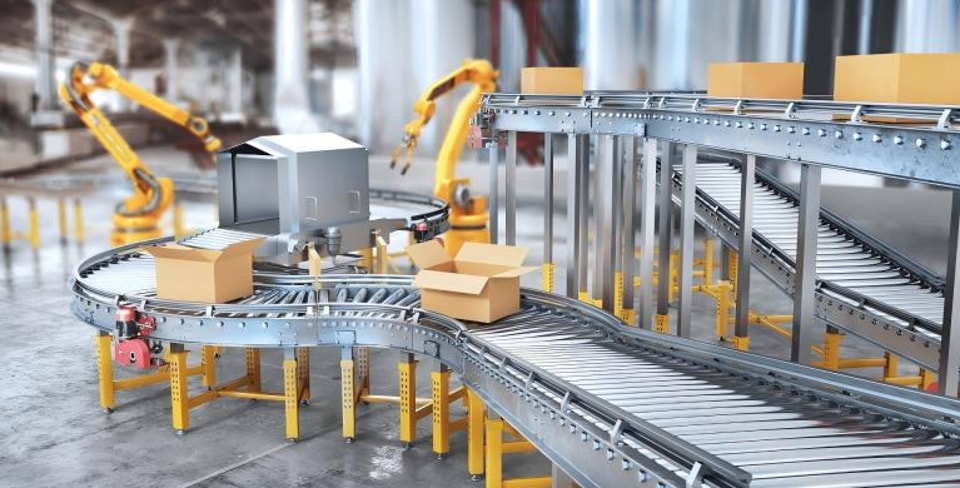
When discussing material handling equipment, the first thing that comes to mind isn't the mechanical structure itself, but rather the conveyor lines, AGVs, forklifts, and racks that move around the factory every day. These things look robust, but they actually require very high manufacturing precision. Especially the pipe frame—you might think it's just a frame, but it actually determines how heavy the load the equipment can carry, how many years it can last, and how smoothly it can be installed and debugged. The pipe bending machine plays a much more important role in this process than you might imagine.
I. The Precision of Load-Bearing Structures Directly Derived from Pipe Bending
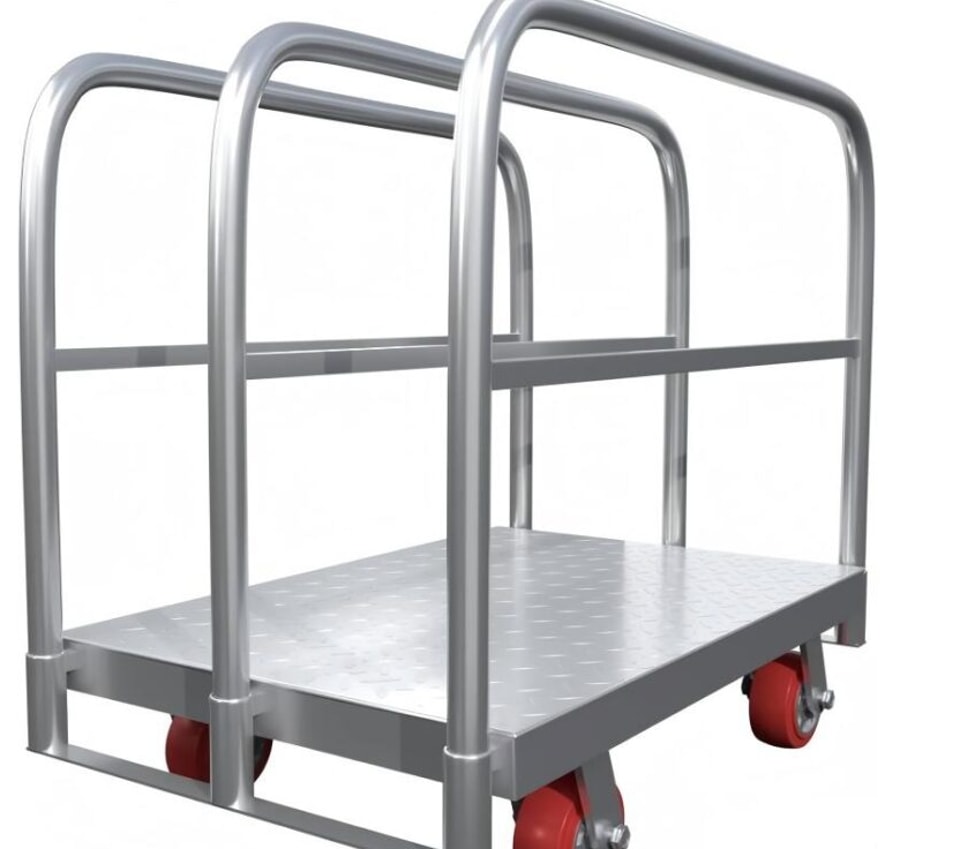
Many components of conveyors, such as side rails, support arms, and lifting frames, are bent from steel or aluminum pipes. Bending differs from welding and cutting in that it's a continuous forming process; the material fibers are not severed, resulting in a more even stress distribution. In other words, a bent frame is more resistant to fatigue than a welded one.
However, this is contingent on accurate bending. Even a half-degree deviation in the bend angle, placed on a three-meter-long conveyor line, can lead to accumulated errors that prevent the entire line from being assembled. Therefore, the precision requirements for pipe bending in material handling equipment are often higher than for ordinary structural components.
II. Reducing Welds Reduces Failure Points
What's the biggest fear for material handling equipment? It's not a motor failure, but structural weld defects. On a continuously running conveyor, a weld defect can shut down the entire line. Pipe bending machines can replace three or four welded joints with a single bent pipe. Fewer welds mean fewer failure points and less inspection workload. This logic is fundamental in equipment manufacturing.

III. Capable of Quick Specification Switching to Meet Diverse Product Needs
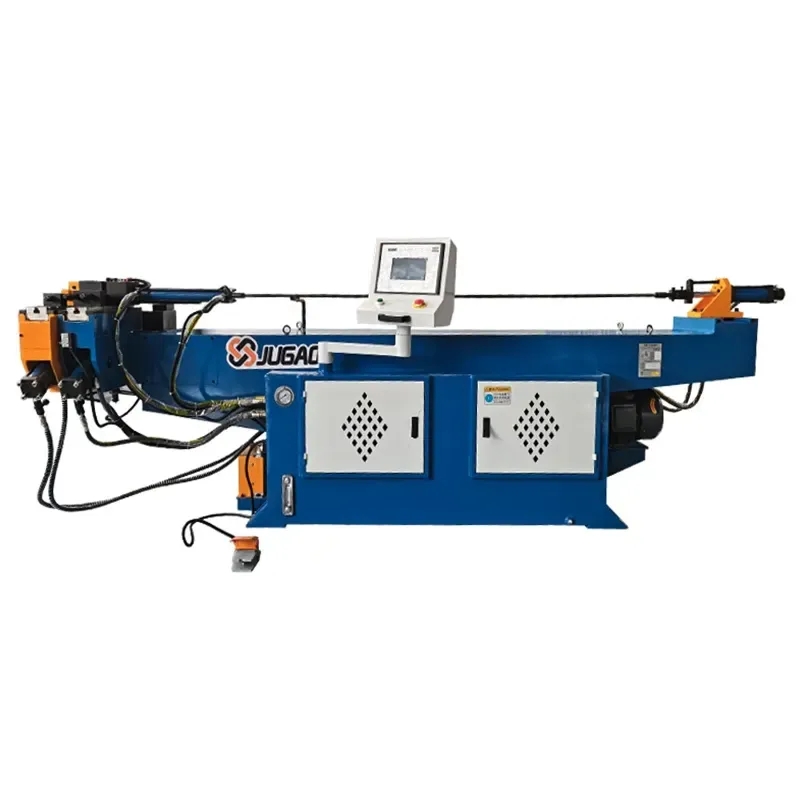
Material handling equipment is characterized by its high degree of customization. A single factory might simultaneously manufacture several conveyor lines of different sizes, with varying pipe diameters, bending radii, and routing. CNC pipe bending machines can store hundreds of programs; to change a product, simply adjust the program and replace the mold—no need to retry. For a multi-variety, small-batch manufacturing model, the time saved is considerable.
IV. Seamless Integration with Upstream and Downstream Automation, Eliminating Intermediaries
In many factories today, pipe bending machines directly connect to the warehouse's material handling system and downstream welding robots. The program is set up on one side, the other side automatically feeds the pipe, and after bending, it's directly delivered to the welding station. There's no manual handling, no secondary measurement, and no repeated confirmation. This continuous flow production method is the true source of efficiency.
Ultimately, the pipe bending machine in material handling equipment does more than just form pipes. It determines structural strength, influences assembly efficiency, supports customized production, and participates in the automated closed loop. If you want to improve the production efficiency of your material handling equipment, optimizing the pipe bending process may be the most cost-effective step.
Have you ever encountered assembly problems caused by inaccurate pipe bends in the manufacturing of material handling equipment? Feel free to share your experiences.
Contact Us