
How to Control Dust Build-Up in a Laser Cutting Machine
2026-08-22

JUGAO Laser Cutting Machine Maintenance Guide
Dust generated during laser cutting is easy to overlook until it begins to affect machine performance. Fine particles, slag, and process residue can gradually collect around the cutting table, extraction channels, optical parts, and internal components. When this contamination is not controlled, operators may see declining cut quality, unstable operation, and more frequent maintenance interruptions.
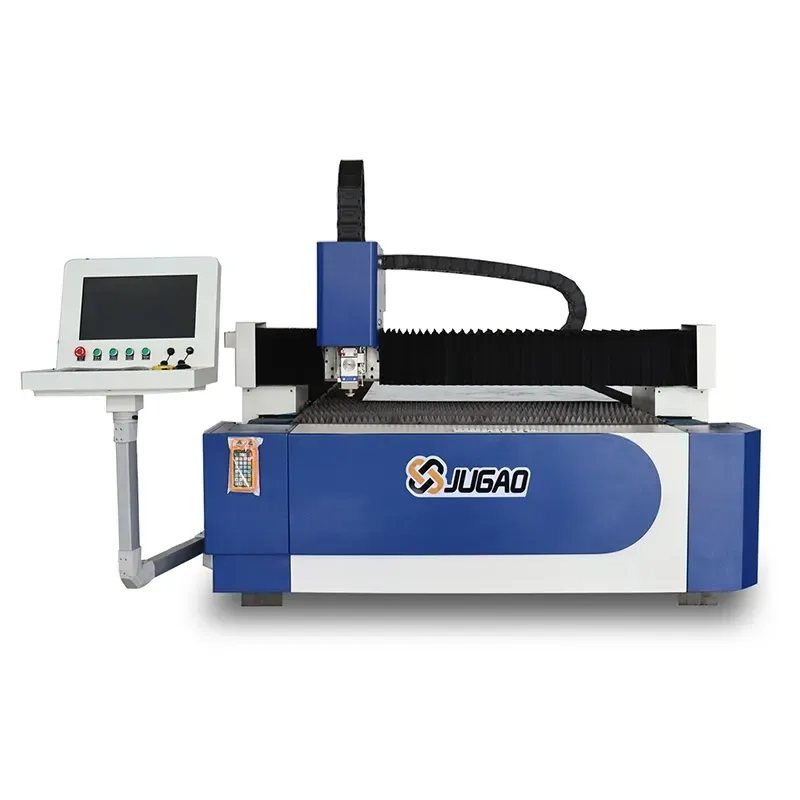
The good news is that dust accumulation can be managed through a disciplined cleaning and maintenance routine. The following guide explains why dust control matters and presents a practical sequence of steps for keeping a fiber laser cutting machine or production line cleaner, safer, and more dependable.
Table of Contents
· Why Dust Build-Up Is a Serious Issue in Laser Cutting
· Impact on Cutting Quality
· Risk to Optical Components
· Increased Machine Downtime
· Step-by-Step Guide to Prevent Dust Build-Up
· Step 1: Keep the Working Area Clean
· Step 2: Improve Dust Extraction Performance
· Step 3: Clean the Cutting Bed and Slats
· Step 4: Check and Clean Optical Components
· Step 5: Manage Assist Gas and Airflow
· Step 6: Follow a Preventive Maintenance Schedule
· Best Practices for Long-Term Dust Control
· Use Better-Quality Materials
· Train Operators Correctly
· Monitor Machine Performance
· FAQs
· Conclusion
Why Dust Build-Up Is a Serious Issue in Laser Cutting
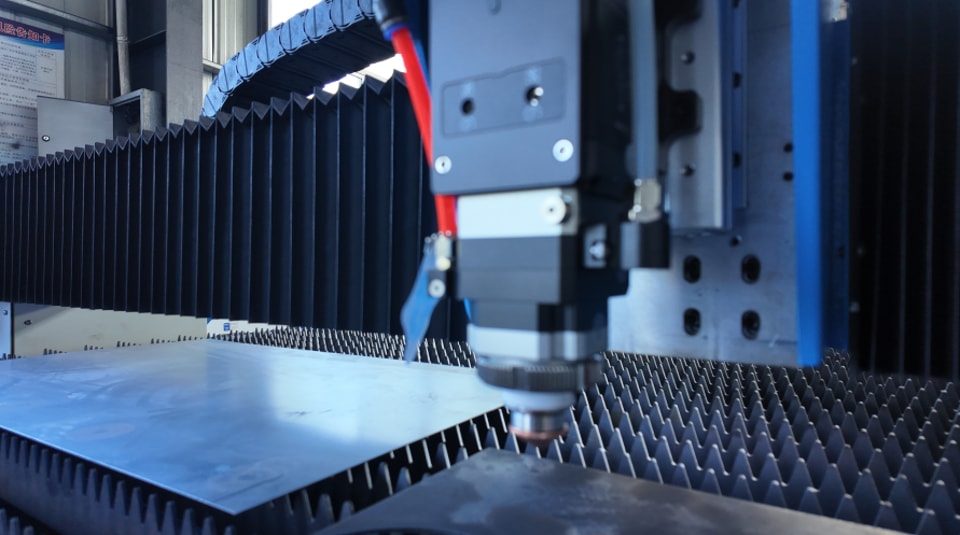
Dust, smoke particles, and solid debris are normal byproducts of laser cutting, particularly when carbon steel, stainless steel, painted sheet, or coated material is processed. Small amounts are expected, but excessive accumulation can affect several critical areas of the machine and eventually interfere with production.
Impact on Cutting Quality
Airborne particles and deposited residue can disturb the cutting environment and reduce process consistency. Typical symptoms include rougher cut edges, incomplete penetration, increased dross, and variation in dimensional accuracy. Keeping the machine clean helps the cutting process remain stable from one job to the next.
Risk to Optical Components
Protective windows, lenses, and other optical surfaces are especially vulnerable to fine contamination. When particles settle on these parts, laser transmission can decrease while local heat absorption increases. If the contamination is ignored, optical elements may overheat, lose efficiency, or require premature replacement.
Increased Machine Downtime
Dust does not only affect the cutting zone. It can also obstruct filters, extraction ducts, ventilation paths, and other machine components. As contamination increases, cleaning and repair work becomes more frequent, reducing productive machine hours and raising maintenance costs.
Step-by-Step Guide to Prevent Dust Build-Up
Step 1: Keep the Working Area Clean
Begin dust control outside the machine itself. Before production starts, remove loose scrap, powder, slag fragments, and other debris from the cutting table and the surrounding floor area.
A tidy workspace reduces the amount of contamination that can be carried back into the machine by airflow, operator movement, or material handling. Regular housekeeping also makes leaks, abnormal residue, and other maintenance problems easier to spot.
Step 2: Improve Dust Extraction Performance
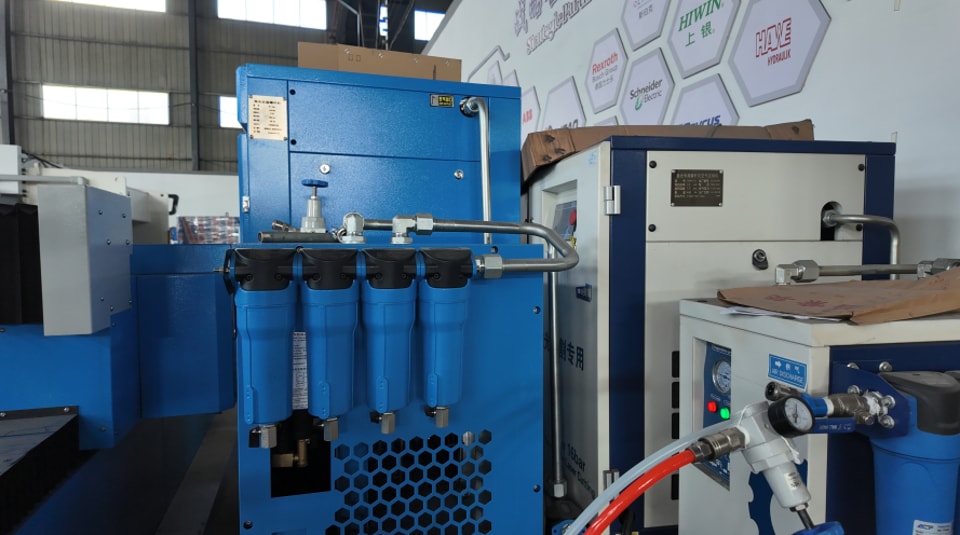
An efficient extraction system is one of the most important defenses against airborne dust. During routine checks, confirm that:
· Extraction fans operate normally
· Ductwork remains open and free from blockage
· Suction is distributed consistently across the cutting zone
Filters should also be inspected and replaced at suitable intervals. A heavily loaded filter restricts airflow, weakens suction, and allows more dust to remain inside the machine.
Step 3: Clean the Cutting Bed and Slats
The cutting bed is a major collection point for metal dust, slag, and molten residue. To keep this area under control:
· Remove heavy slag deposits on a daily basis
· Clean support slats at regular intervals
· Replace slats that are badly deformed, damaged, or heavily contaminated
Keeping the bed and slats clean improves airflow through the cutting area and reduces the possibility that accumulated debris will interfere with part positioning or cutting accuracy.
Step 4: Check and Clean Optical Components
Optical components require careful handling because even a small amount of contamination can affect laser performance. Inspect protective windows and lenses according to the machine maintenance schedule.
When cleaning is necessary, use only approved tools, wipes, and cleaning methods. Avoid touching optical surfaces directly, and replace components when contamination or damage can no longer be safely removed.
Step 5: Manage Assist Gas and Airflow
Correct assist-gas flow helps eject molten metal, smoke, and particles from the kerf during cutting. Check the following items as part of normal operation:
· Assist-gas pressure is set correctly for the process
· The nozzle is clean and properly aligned
· Gas and airflow remain stable during cutting
Stable gas delivery limits the amount of residue left on the workpiece and reduces contamination around the cutting head and internal cutting area.
Step 6: Follow a Preventive Maintenance Schedule
Dust prevention is most effective when cleaning is planned rather than performed only after a problem appears. A basic maintenance program can include:
· Weekly cleaning of accessible internal areas
· Monthly inspection of the extraction and ventilation system
· Periodic replacement of filters, seals, and other dust-control consumables
The exact interval should reflect machine usage and material type, but consistent preventive maintenance is the key to stopping gradual contamination from becoming a long-term reliability issue.
Best Practices for Long-Term Dust Control
Use Better-Quality Materials
Material quality can influence the amount of smoke, residue, and contamination generated during processing. Whenever possible, use stable, clean material with a consistent surface condition. Reducing contamination at the source lowers the burden on the machine and extraction system.
Train Operators Correctly
Operators should understand the relationship between dust control and machine performance. Good habits include keeping the cutting area clean, using correct process parameters, recognizing abnormal residue, and reporting extraction or airflow problems early. Operator awareness is an important part of daily preventive maintenance.
Monitor Machine Performance
Watch for changes in cut quality, extraction strength, airflow, filter loading, and the amount of residue inside the machine. Small changes can be early warning signs of a developing dust-control problem. Addressing them promptly helps prevent more serious failures and unplanned downtime.
FAQs
How often should a laser cutting machine be cleaned to control dust?
Surface dust, loose debris, and visible slag should be removed daily. A more thorough cleaning can generally be carried out weekly, with the interval adjusted according to production intensity, material type, and the amount of contamination generated.
Can accumulated dust cause permanent machine damage?
Yes. If excessive dust is allowed to remain for long periods, it can contaminate optical components, restrict extraction and ventilation systems, increase heat-related problems, and shorten the service life of machine parts. Early cleaning and routine maintenance greatly reduce this risk.
What is the most effective way to improve dust extraction?
Start by confirming that the extraction system has adequate airflow for the cutting area. Keep ducts clear, inspect fans, and replace loaded filters before suction performance drops significantly. Good airflow design and consistent maintenance are both necessary for efficient extraction.
Conclusion
Controlling dust build-up is essential for maintaining cutting consistency, machine reliability, and a safer production environment. Clean working conditions, effective extraction, routine bed and optical maintenance, correct assist-gas settings, and a structured preventive maintenance program all work together to reduce contamination.
For JUGAO laser cutting machine users, dust management should be treated as part of normal production discipline rather than an occasional cleaning task. A cleaner machine generally means more stable performance, fewer maintenance interruptions, and better long-term productivity.
If you need support with laser cutting machine maintenance, process optimization, or equipment selection, the JUGAO team can provide technical guidance based on your production requirements.
Contact Us