
How to Clean and Maintain a Laser Cutting Bed Effectively
2026-08-20

Meta Description: Learn how to clean and maintain a laser cutting bed with safe shutdown, debris removal, surface cleaning, bed inspection, testing and preventive maintenance.
Focus Keyword: laser cutting bed cleaning
Secondary Keywords: laser cutting bed maintenance; laser cutter cleaning; cutting slat maintenance; honeycomb bed cleaning
Suggested URL Slug: /laser-cutting-bed-cleaning-maintenance/
English Version
How to Clean and Maintain a Laser Cutting Bed Effectively
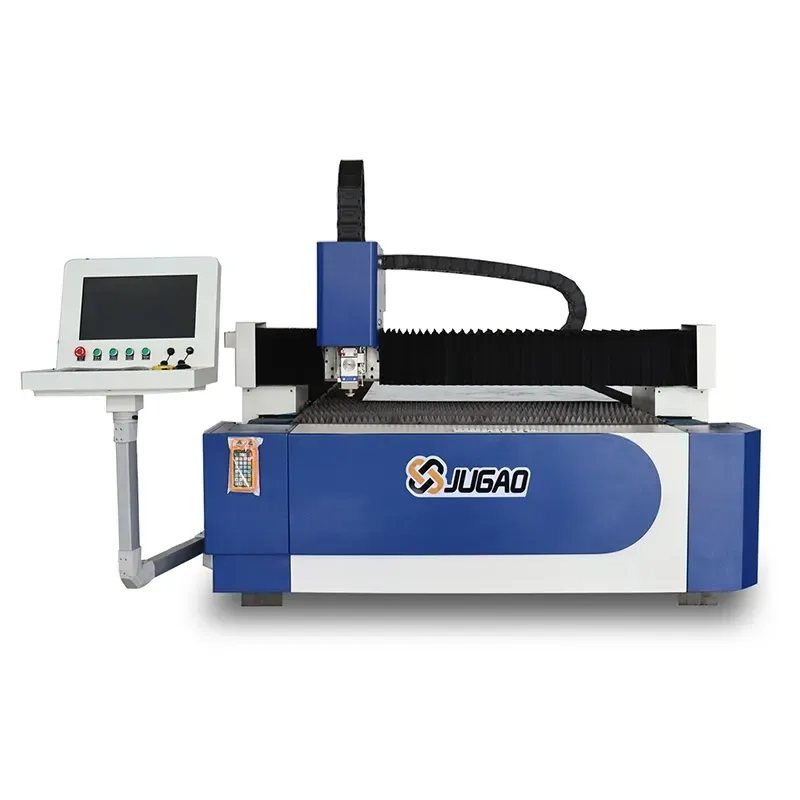
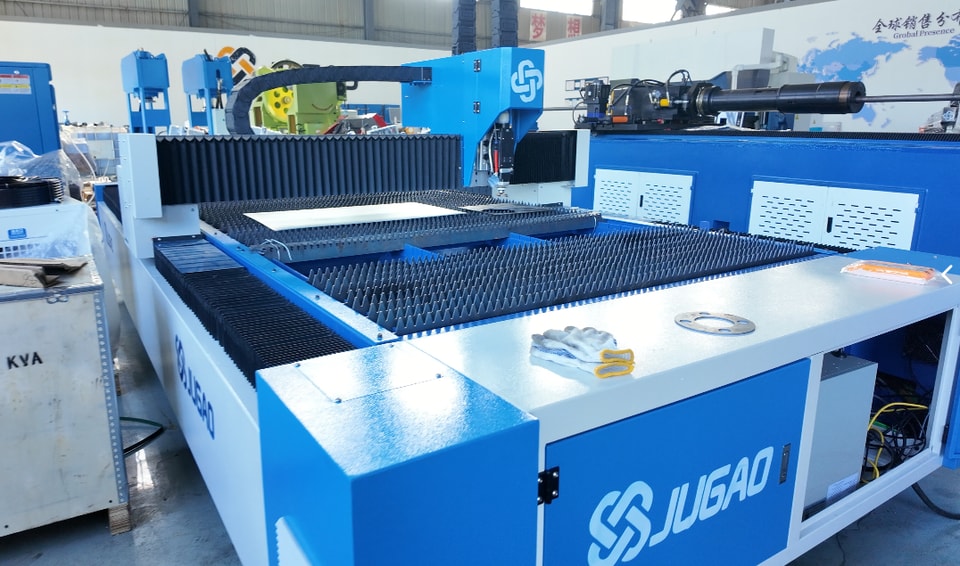
A clean cutting bed is an important part of maintaining consistent performance on a laser cutting machine. During daily production, metal particles, slag, smoke residue, and small scraps gradually collect around the support area. If they are not removed in time, they may interfere with material positioning, reduce cutting consistency, and create unnecessary safety risks.
For this reason, laser cutting bed maintenance should be treated as part of routine machine care rather than an occasional cleaning task.
In this JUGAO guide, we explain why regular bed cleaning matters, how to complete the process safely, and what maintenance practices can help keep the cutting system in reliable working condition.
Why Is Regular Laser Cutting Bed Cleaning Important?
1. Reduce the Buildup of Slag and Cutting Residue
Every cutting cycle can leave behind metal dust, molten residue, and small pieces of scrap. Over time, these deposits may accumulate between the slats or across the support structure. Excessive buildup can prevent the workpiece from sitting correctly on the cutting bed and may affect positioning during processing. Keeping the bed free from unnecessary residue helps provide a more stable working surface.
2. Support Consistent Cutting Performance
Contamination around the cutting area can negatively affect the overall processing environment. Smoke residue, dust, and accumulated particles may contribute to unstable cutting conditions and make it more difficult to maintain consistent results. Routine cleaning helps keep the working area in better condition and supports repeatable cutting performance.
3. Improve Workshop Safety
Cutting residue can also become a safety concern. Sparks generated during laser processing may come into contact with accumulated debris, particularly when the machine has not been cleaned for an extended period. Removing these materials regularly can reduce potential ignition risks and contribute to a safer production environment.
Step-by-Step Laser Cutting Bed Cleaning Procedure
Step 1: Shut Down and Isolate the Machine
Safety must come first. Before touching the cutting bed or beginning any cleaning operation, stop the laser cutting machine completely and disconnect or isolate its power supply according to the machine's operating procedure. Make sure the equipment cannot restart unexpectedly while maintenance work is being performed. Do not begin cleaning until the machine has reached a safe condition.
Step 2: Remove Loose Metal Debris
Begin with the easiest contamination to remove. Use an appropriate soft brush or industrial vacuum to collect loose metal particles, small scraps, dust, and slag from the cutting bed. Pay particular attention to gaps between supporting components, where debris can accumulate after repeated cutting operations. Whenever possible, collect the particles rather than simply blowing them away. Using compressed air indiscriminately is not recommended because fine particles may be pushed toward optical, mechanical, or other sensitive areas of the machine.
Step 3: Clean the Cutting Bed Surface
After the loose material has been removed, inspect the bed for residue that remains attached to the surface. For contamination that cannot be removed by brushing or vacuuming, use a lint-free cloth together with a suitable mild, non-abrasive cleaning agent. Work gradually instead of applying excessive force. Aggressive scraping or abrasive cleaning materials may damage the bed surface. Damage or deformation can eventually affect how the workpiece is supported and positioned during cutting. After cleaning, make sure no unnecessary cleaner, moisture, or residue remains on the working area.
Step 4: Inspect the Bed and Supporting Components
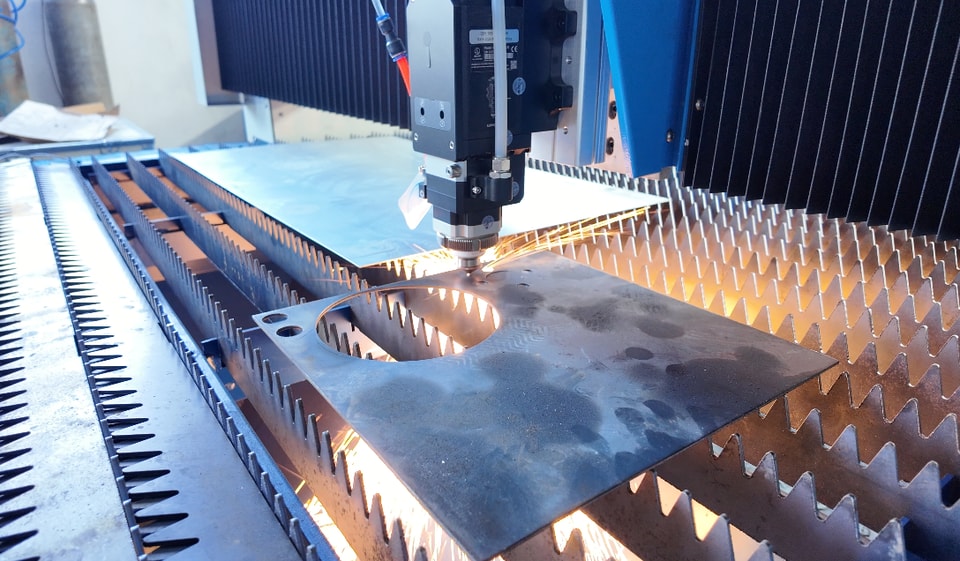
Cleaning is also a good opportunity to inspect the condition of the cutting bed. Check cutting slats, honeycomb grids, bed supports, removable support sections, and other components that directly support the workpiece. Look for deformation, excessive slag buildup, burns, corrosion, or mechanical damage. A damaged or warped support component can prevent the material from resting evenly on the machine. If a component is no longer suitable for continued operation, replace it rather than relying only on cleaning.
Step 5: Reassemble the Bed and Perform a Test Cut
Once cleaning and inspection are complete, reinstall any components that were removed during maintenance. Check that each part is correctly positioned and securely installed. Before returning directly to full production, use a piece of scrap material to perform a short test cut. Observe whether the material sits correctly on the cutting bed, the machine operates normally, cutting movement remains stable, and the finished test piece shows normal cutting quality. If the test result is satisfactory, the machine can return to normal production.
Best Practices for Long-Term Laser Cutting Bed Maintenance
Establish a Cleaning Schedule
Cleaning frequency should be determined by actual production intensity. Machines operating continuously or processing large volumes of material may require daily attention. Equipment used less frequently may be adequately maintained with weekly cleaning. Instead of relying on a fixed interval alone, operators should also inspect the amount of slag and debris generated during production and adjust the maintenance schedule accordingly.
Wear Appropriate Protective Equipment
Metal scraps and slag may have sharp edges, while some cleaning agents can irritate the skin or eyes. Operators should use appropriate personal protective equipment, including gloves and eye protection, when performing cleaning and maintenance work.
Avoid Aggressive Cleaning Chemicals
Stronger does not necessarily mean better. Acids, highly corrosive chemicals, and abrasive cleaning products may damage metal surfaces or affect sensitive machine components. Use only cleaning products that are suitable for the machine and the materials being maintained.
Prepare Common Replacement Components
Consumable support components will eventually wear. Keeping frequently used replacement parts, such as cutting slats or honeycomb grids, available can reduce unnecessary downtime when damaged parts are discovered during maintenance.
Frequently Asked Questions
How often should a laser cutting bed be cleaned?
There is no single interval suitable for every factory. For machines operating under high production loads, checking and cleaning the bed every day may be appropriate. For lighter production schedules, weekly maintenance may be sufficient. The best interval should be determined by cutting frequency, processed materials, slag generation, and the actual condition of the machine.
Can compressed air be used to clean the cutting bed?
Compressed air should be used with caution. Although it can remove loose particles quickly, it may also spread fine metal dust into optical components or other sensitive areas. For routine cleaning, a brush or suitable industrial vacuum is generally a more controlled method of debris removal.
What should I use for stubborn residue?
A mild, non-abrasive cleaner applied with a lint-free cloth is generally suitable for residue that cannot be removed through dry cleaning. Avoid strong acids, abrasive products, or aggressive cleaning methods that could scratch, corrode, or otherwise damage the cutting bed.
Conclusion
Laser cutting bed maintenance may appear to be a simple cleaning task, but it has a direct relationship with equipment condition, cutting consistency, workplace safety, and machine availability.
An effective maintenance process should therefore include more than removing visible slag. The complete routine should cover safe machine shutdown, debris removal, surface cleaning, inspection of support components, correct reassembly, and a final test cut.
By incorporating these steps into a regular preventive maintenance program, operators can keep the cutting area in better condition, identify worn components earlier, and reduce avoidable production interruptions. For model-specific maintenance instructions, spare parts, or technical support for JUGAO laser cutting equipment, contact the JUGAO technical service team.
Contact Us