

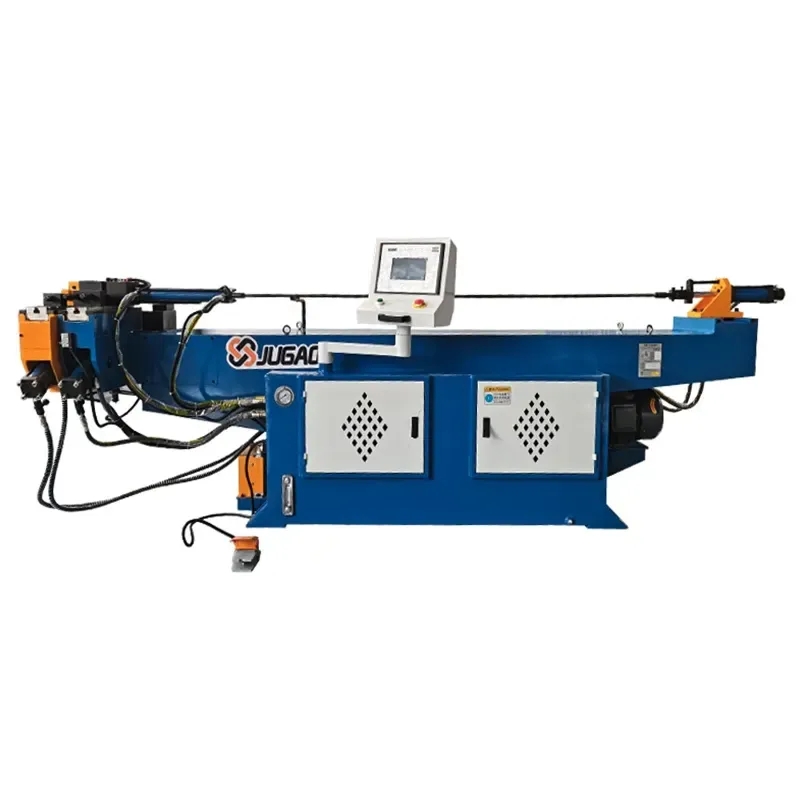
Get the pipe bender's foundation and anchoring wrong, and you're in for a world of trouble later.
2026-09-23

When it comes to installing a pipe bender, people’s first thought is usually about the machine's quality or precision. However, I’ve seen countless cases in workshops where the machine and programming were flawless, yet the machine suffered from excessive vibration, drifting bend angles, and positional shifts after a period of use. After troubleshooting, the culprit invariably turned out to be an inadequate foundation or anchoring system.
A pipe bender doesn't just sit quietly while operating. Bending, clamping, and mandrel movements all generate dynamic forces. If these forces are transmitted to the floor, the machine shakes; prolonged shaking takes a toll on everything—guide rails, bearings, and tooling alike. Therefore, the foundation and anchoring aren't just formalities; they directly determine whether the machine can maintain its precision over the long term.
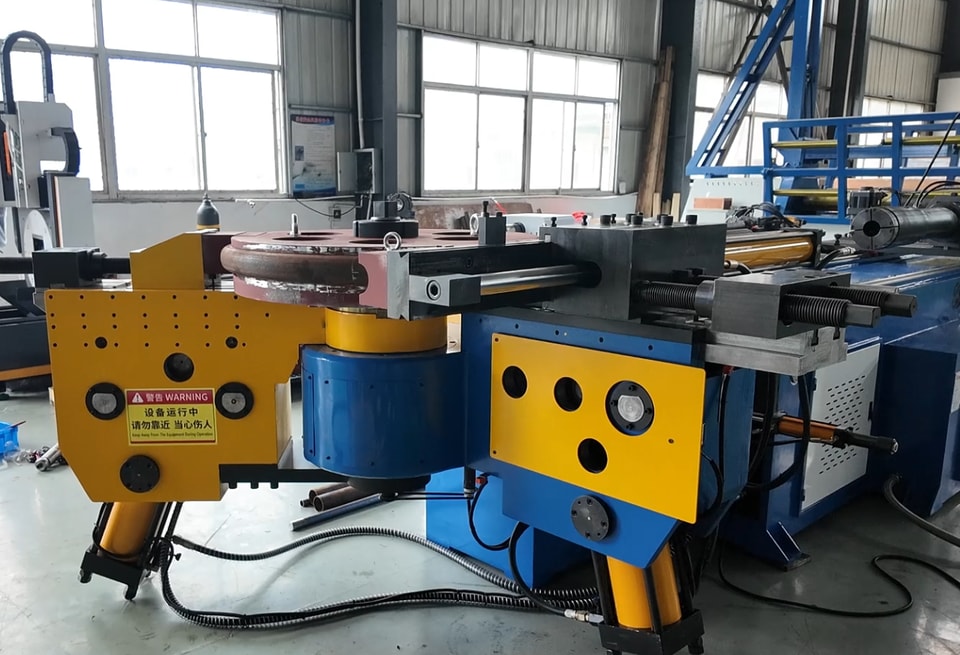
Floor Strength and Flatness Must Meet Standards
Before installation, assess the condition of the workshop floor. Medium-to-large CNC pipe bending machines—especially high-tonnage models—have specific requirements regarding concrete thickness and strength. A standard concrete floor is often too thin; over time, uneven settling can occur, causing the machine to tilt. If the floor does not meet specifications, the safest approach is to pour a dedicated foundation pad.
Floor flatness is equally critical. An uneven floor makes leveling the machine difficult and induces significant internal stress even if forced into a level position. Minor deviations can be corrected with shims, but significant slopes require grinding or re-pouring the concrete. Do not try to cut corners; doing so often results in inconsistent bending angles.
Choose the Right Anchor Bolts—Don't Take Shortcuts
Anchor bolts are essential for preventing the machine from shifting horizontally or twisting. Depending on floor conditions and machine size, expansion anchors or chemical anchors are typically used. For heavy-duty models, I recommend chemical anchors, as they offer superior grip and long-term stability.
The diameter, length, and strength grade of the anchor bolts must match the machine's mounting holes and load requirements. I have seen instances where undersized bolts were forced into place; while the machine appeared secure initially, it began to shift after a few months of operation. Such attempts to save a little money upfront lead to much higher repair costs later.
Precision in Positioning and Tightening
Align the anchor bolts carefully with the holes in the machine base; avoid forcing them into place. When tightening, follow a diagonal sequence and apply force gradually in multiple stages rather than fully tightening a single bolt at once. This prevents the machine frame from deforming.
Re-check the torque a few days after the initial tightening. Slight settling during the early stages of operation can cause the bolts to loosen slightly. Adopting this practice of re-tightening helps avoid many potential issues down the line.
Step-by-Step Installation
Do not rush to secure the machine immediately after positioning it. Place the machine in its final location, ensuring sufficient clearance around it for operation, maintenance, and material handling. Once positioned, proceed with leveling.
Use a precision level to verify alignment in all directions. Do not rush the leveling process, as the accuracy of future pipe bending operations depends directly on it. After leveling, drill and clean the anchor bolt holes, install the bolts, and tighten them to the recommended torque. At this stage, the machine should be rock-solid and free of any wobbling.
Common mistakes—see if you’ve made any of them.
Accounting only for the machine's weight while ignoring dynamic loads. The impact forces and vibrations generated during pipe bending far exceed static weight; the foundation design must account for these factors.
Neglecting the setup after installation. After the initial trial run, you should re-check the leveling and the tightness of the anchor bolts. This simple step can prevent major issues down the line.
A reliable machine starts with a solid foundation and proper anchoring.
A stable base minimizes vibration, protects the servo system, and ensures consistent alignment between the die and the mandrel. Over time, you will see more consistent bending quality and a reduced need for maintenance. This investment pays off far better than repeatedly repairing the machine later.
A Few Frequently Asked Questions
Do all tube bending machines require anchoring? Most CNC models—especially medium-to-large ones—do. While some machines can operate without being anchored, anchoring significantly improves stability and precision.
Can the existing workshop floor be used? Yes, provided it meets the necessary requirements for strength, thickness, and flatness. If it falls short, a dedicated foundation must be poured.
How often should anchor bolts be checked? Inspect them during the first few days of operation, and subsequently re-check the torque at regular intervals according to the maintenance schedule.
What happens if anchoring is inadequate? Issues include vibration, reduced precision, and accelerated wear; in severe cases, it can even pose safety risks.
Ultimately, the foundation and anchoring of a tube bending machine are not merely routine installation steps; they determine the machine's future operational stability. Proper floor preparation, the right choice of anchor bolts, meticulous leveling, and adherence to standard installation procedures ensure a trouble-free production process down the line.
Contact Us