 Get a quote
Resources
Does operating a profile bending machine require special training?
As a high-precision, high-efficiency processing equipment, profile bending machines do indeed require specialized training before operation. This training typically covers multiple aspects, from basic equipment structure and working principles to advanced programming skills and safe operating procedures. Below, we will discuss the specific requirements for bending machine operation training in detail.

1. Basic Requirements
Before operating a CNC bending machine, the operator must be familiar with and understand the equipment's structure and working principles. Different models of bending machines may have different structures and control systems; therefore, operators need to learn and train specifically for each model. In addition, operators must master the basics of CNC programming and be able to correctly set parameters such as bending angle, bending position, and bending sequence.
2. Operating Skills and Precautions
When operating a bending machine, certain operating skills need to be mastered, and some key points need to be noted to ensure safe and efficient operation. For example, the sheet material needs to be pre-treated before operation to ensure it meets requirements and is clean. When adjusting the position and angle of the upper and lower dies, it is necessary to make reasonable settings according to the material and requirements of the sheet metal, while paying attention to safety and avoiding pinching injuries.
3. Safe Operating Procedures
Operators of profile bending machines must strictly abide by various safety measures to prevent accidents. This includes, but is not limited to, familiarizing themselves with and following the safe operating procedures of the CNC system, and using necessary safety devices, such as light curtain protection and two-hand control devices.
4. Skills Enhancement and Continuing Education
To meet societal demands, operators of bending machines need to continuously improve their skills. This includes understanding new industry trends, participating in skills training, and learning new operating techniques and programming methods.
5. Combining Practical Experience with Theory
Theoretical knowledge is important, but practical experience is equally crucial. The establishment of the training center is to provide such an environment, allowing operators to practice and improve their skills in simulated or real working environments.

In summary, the operation training of profile bending machines is a systematic and comprehensive process, involving everything from basic theoretical knowledge to advanced practical operating skills. Furthermore, safety awareness and continuing education are also important components of the training process. Through such training, operators can not only be competent in working with CNC bending machines, but also maintain their competitiveness in the ever-changing technological environment.
Related
Keep
reading.
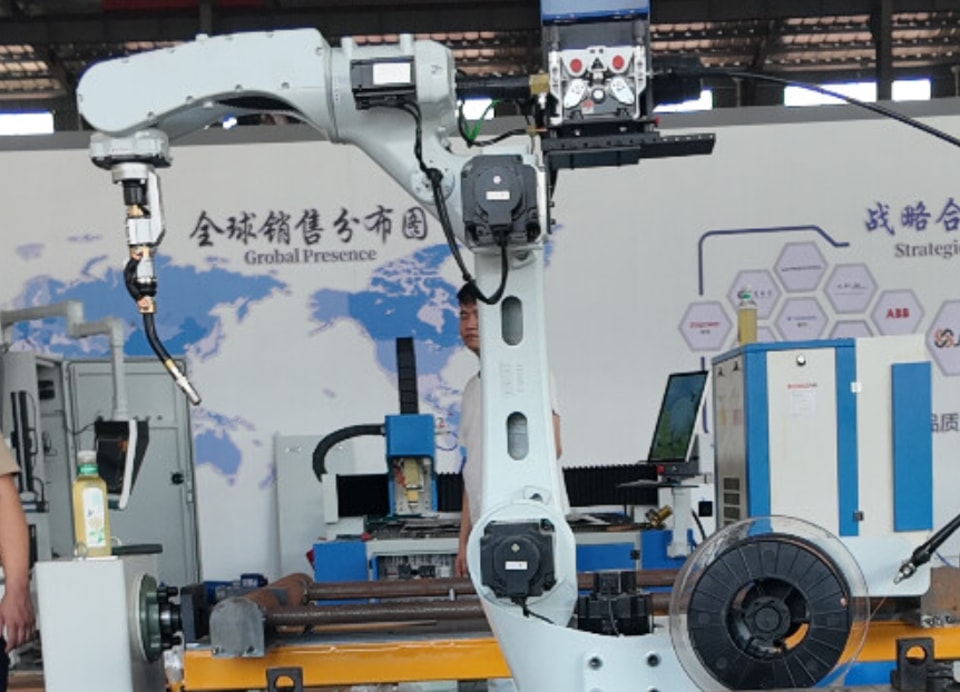 Comparison of Laser Welding Results and Application Scenarios Across Different Materials
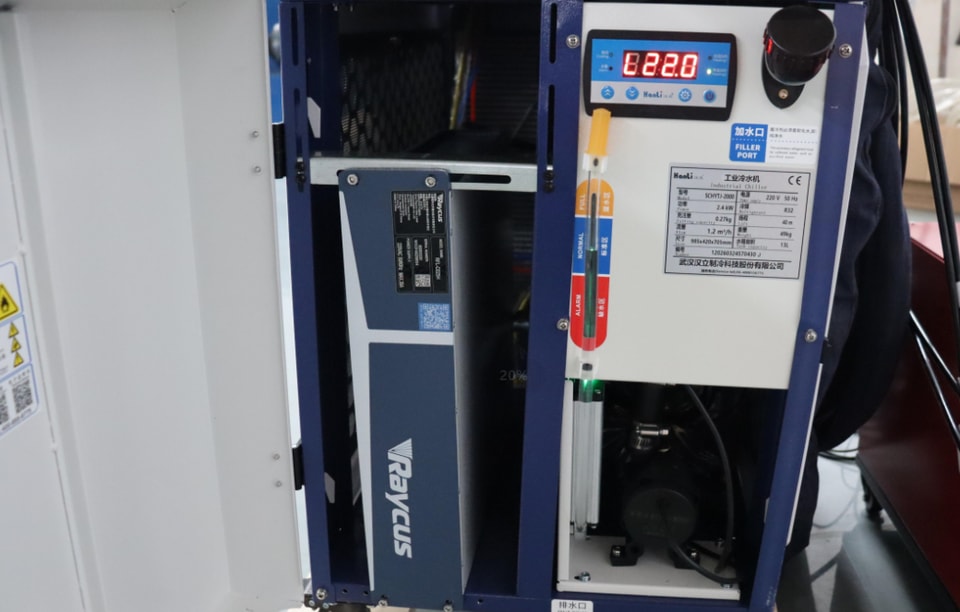 How to Choose Between Air-Cooled and Water-Cooled Laser Welding Systems
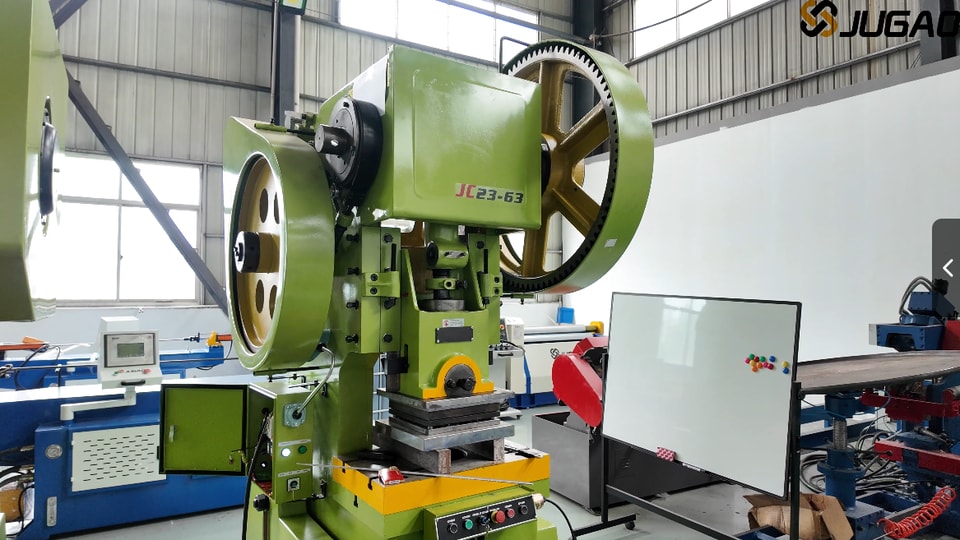 Understanding Punching Machines: Principles, Types, and Selection
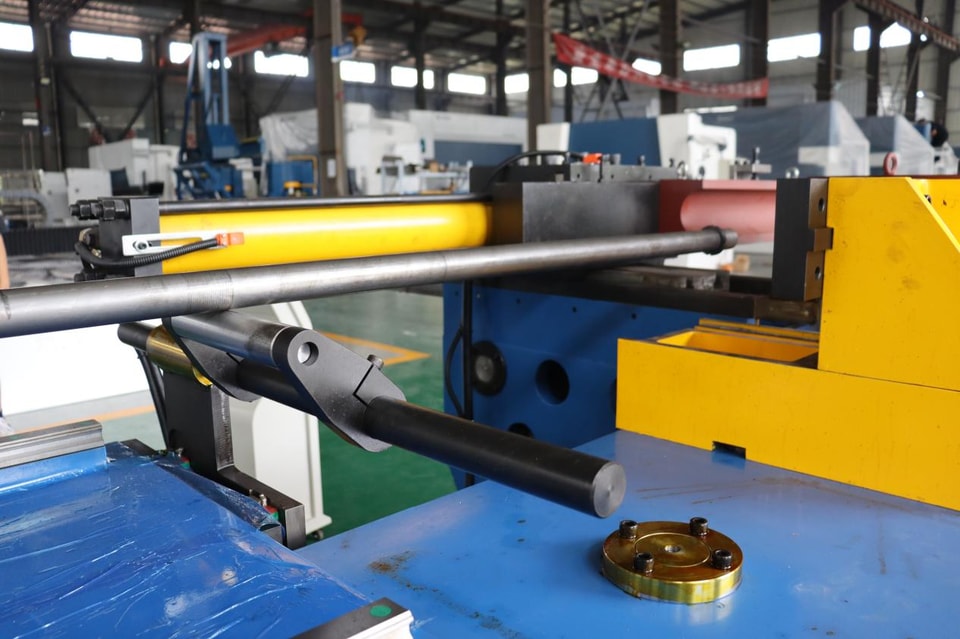 How can one effectively follow the installation guidelines for a pipe-bending machine?
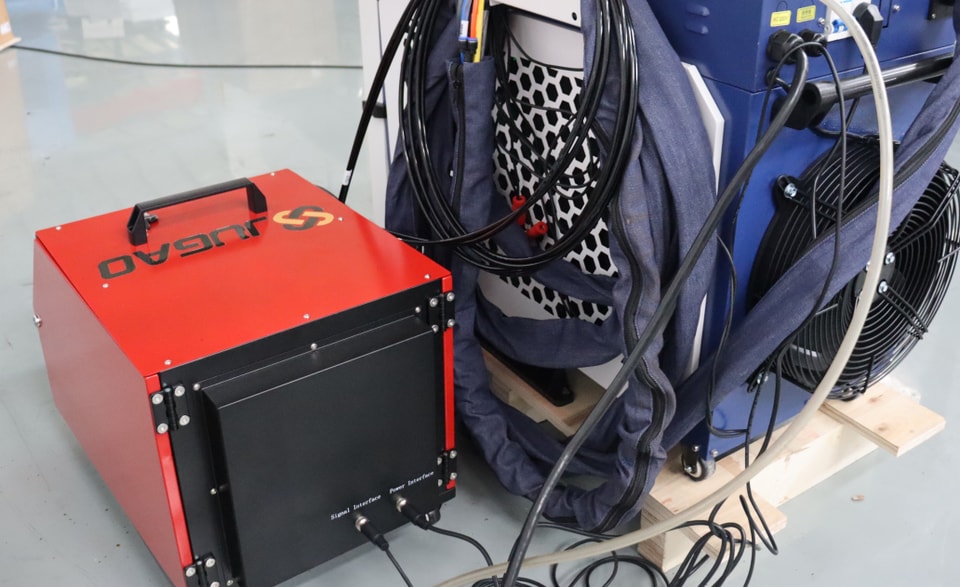 For which types of products is an automatic wire-feeding laser welding machine suitable?
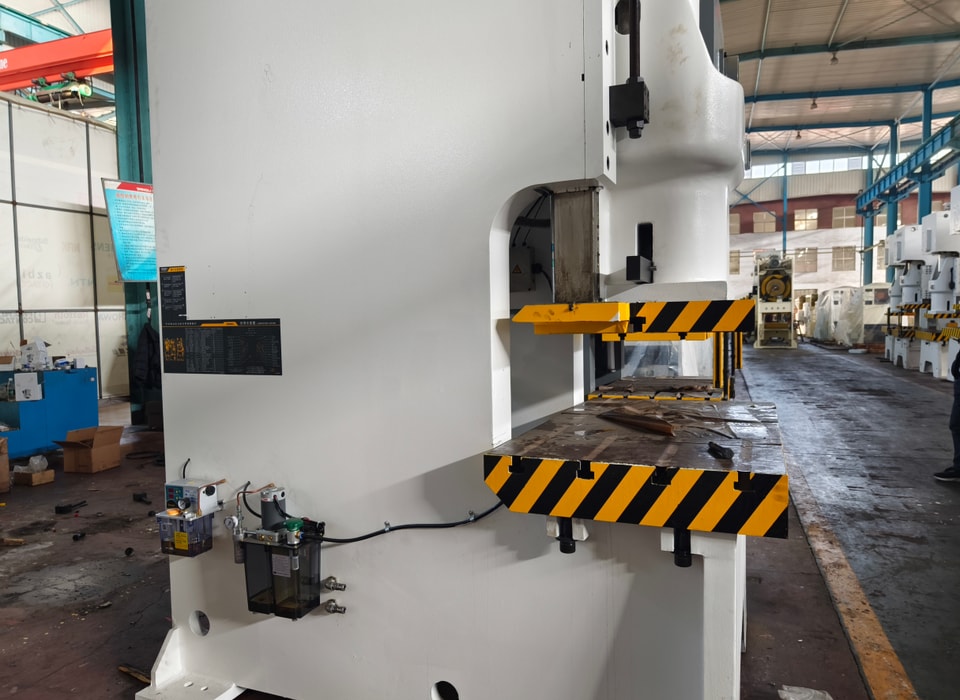 What Are the Latest Punching Machine Trends and Technological Breakthroughs?
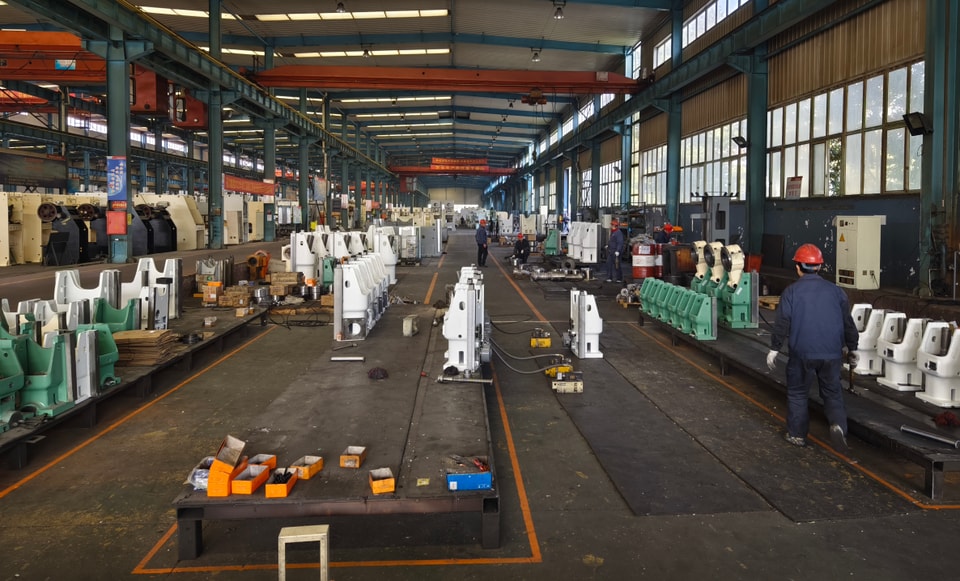 What Triggers Punching Machine Noise and How Can You Quieten It?
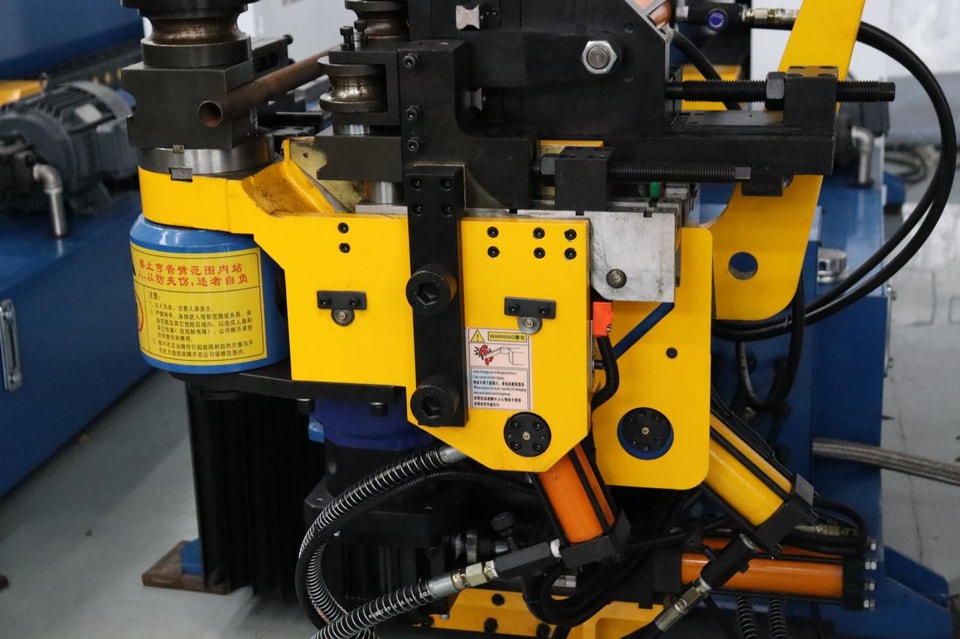 What factors influence the replacement cycle of wear parts in a pipe-bending machine?
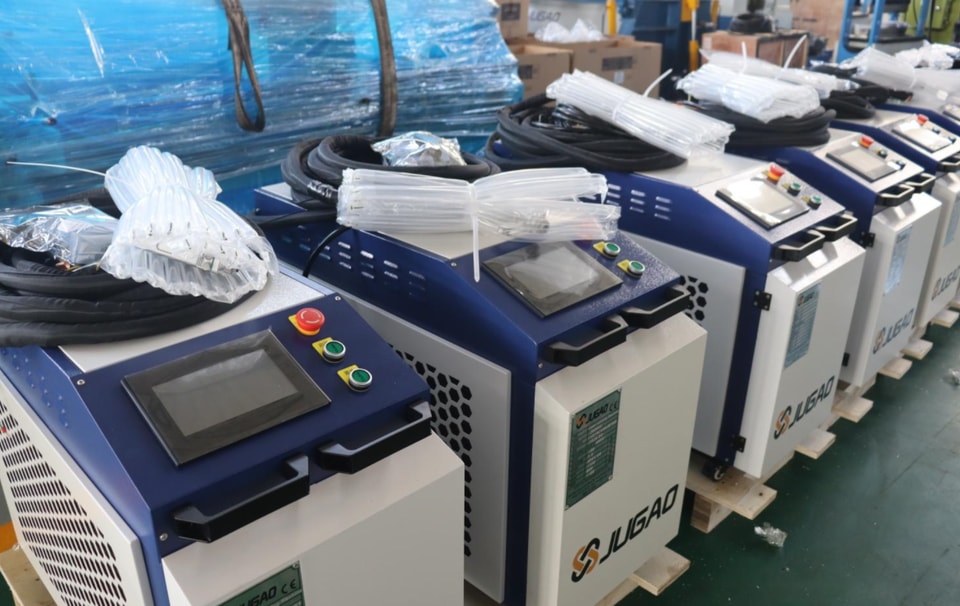 Beyond price, what key parameters should you consider when purchasing welding equipment?
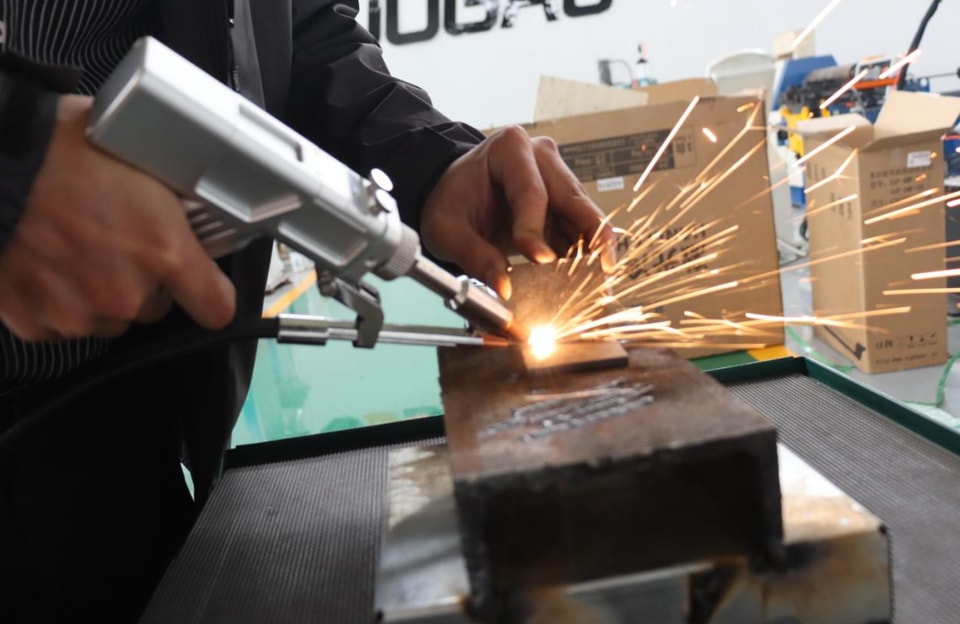 4 Common Methods for Inspecting Weld Quality
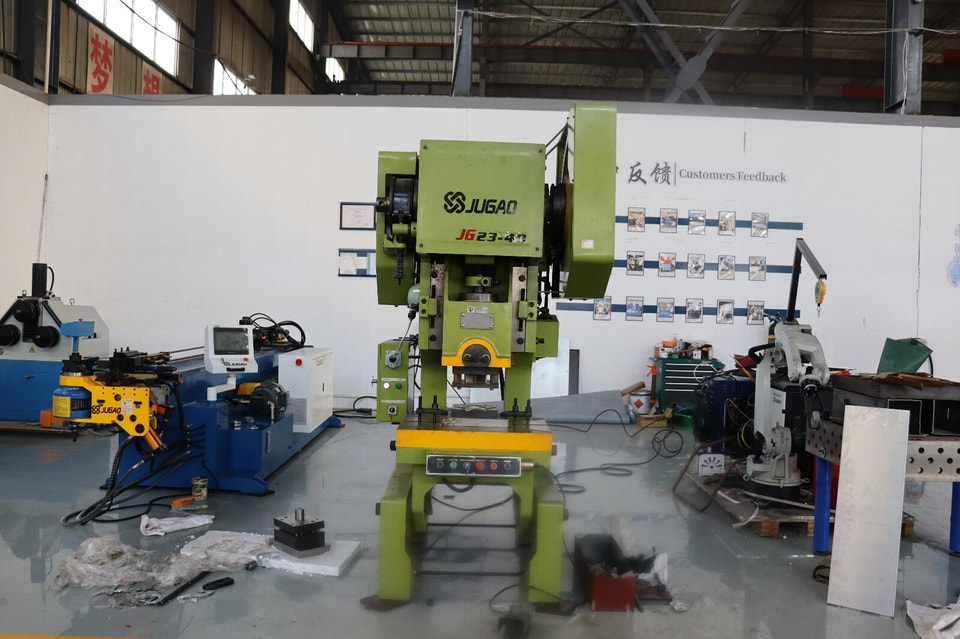 Selecting the Top Punching Machines for Small Workshops & Heavy Industry
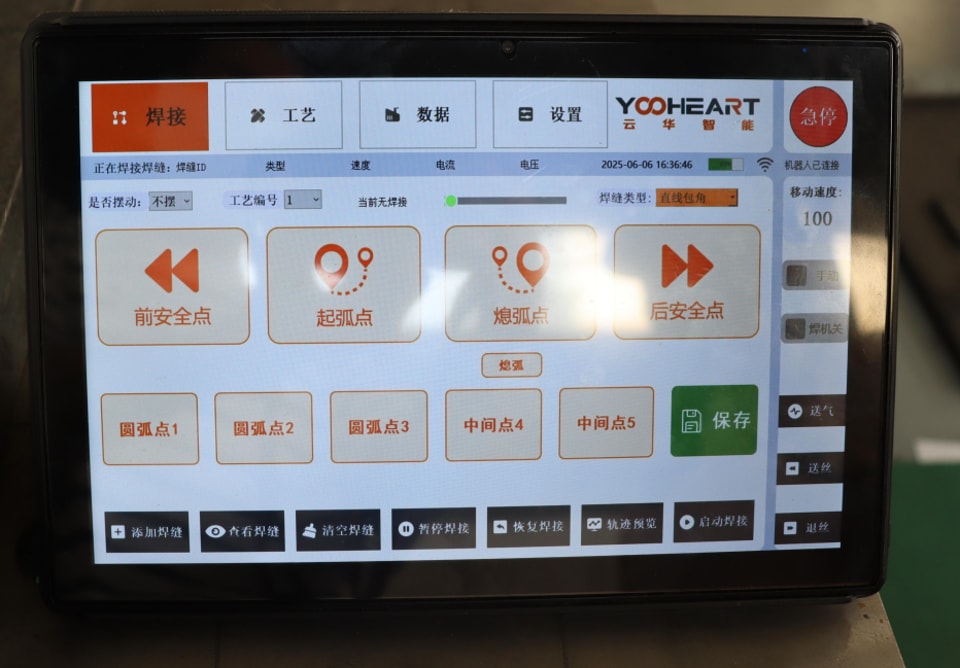 How do you set the welding path for a robotic laser welding machine? Can it perform precise welding on complex workpieces?
Engineering review
Send a drawing.
Get an engineer.
Standard selections answered within 4 hours. Parts outside the rules get a written process review within 24 hours.
- Part drawing: DXF, DWG, STEP or PDF
- Material and thickness
- Longest bend or cut length
- Yearly volume
Write to info@ntjugao.com or message the factory on WhatsApp +86 132 2211 1178.
Drawings (DXF, DWG, STEP, PDF): attach them to an email to info@ntjugao.com, quoting your name.